The experience of running out of mental energy is not a character flaw or a caffeine deficiency. It is a measurable neurobiological state with identifiable mechanisms and, critically, addressable causes.
The Problem: Why Mental Energy Fails
Cognitive energy reflects the integrated state of several brain systems operating simultaneously: prefrontal metabolic availability and dopamine pathways. Neuromodulatory signaling and adenosine accumulation also contribute, as do the effort-cost computations of the anterior cingulate cortex, the brain’s error-detection center. When any of these systems is compromised or dysregulated, the subjective experience is identical (mental fatigue, motivational deflation, and declining performance) but the underlying cause, and therefore the effective intervention, differs substantially.
The dorsolateral prefrontal cortex, the brain’s planning and reasoning center, is the primary neural substrate of effortful cognitive control: working memory, attention regulation, planning, and inhibitory control. This region is metabolically expensive and uniquely vulnerable to energetic stress. Sustained cognitive work produces a measurable accumulation of glutamate, the brain’s primary excitatory neurotransmitter, in the lateral prefrontal cortex. Magnetic resonance spectroscopy has confirmed that after prolonged cognitive effort, glutamate levels in the prefrontal cortex rise significantly, and this accumulation directly predicts the shift from deliberate, controlled decision-making toward impulsive, low-effort choices.
This is not a metaphor for tiredness. It is a chemical event: the prefrontal cortex becomes progressively less capable of sustained computation. Its primary excitatory neurotransmitter accumulates beyond optimal concentrations, approaching excitotoxic thresholds, the neural damage point, where excess glutamate begins harming rather than facilitating neural processing.
Simultaneously, the dopaminergic system operates on a cost-benefit computation that shifts across the day. Striatal dopamine synthesis capacity directly predicts an individual’s willingness to choose cognitively demanding tasks over easier alternatives. As dopaminergic tone declines through sustained effort, the brain’s internal accounting shifts. The perceived cost of continuing to think exceeds the perceived reward, and the system generates the subjective experience of “not wanting to” as a protective signal.

The Mechanism: The Fatigue Network
Neuroimaging has identified a specific “fatigue network” calculating effort versus reward. The anterior insula encodes the subjective sense of task difficulty, how hard tasks feel, while connecting to ventral striatal regions governing motivation.
As fatigue deepens, connectivity between these regions reorganizes. The anterior cingulate cortex, which normally signals “this is worth the effort,” begins generating stronger “cost” signals relative to “benefit” signals. The insula amplifies the felt sense of difficulty. The prefrontal cortex, metabolically depleted, can no longer override these signals with top-down executive control. The result is the progressive shutdown of higher-order cognition, not because the person lacks discipline, but because the neural hardware supporting that discipline has been depleted.
The autonomic nervous system provides a measurable window into this process. Heart rate variability, the beat-to-beat variation in cardiac rhythm, reflects the balance between sympathetic activation and parasympathetic recovery. Higher resting vagally mediated heart rate variability, a measure of parasympathetic nervous system output, correlates strongly with sustained cognitive performance across executive function domains. When the autonomic system is chronically tilted toward sympathetic dominance, as occurs under sustained pressure, the parasympathetic recovery capacity that allows the prefrontal cortex to replenish between demands is suppressed.
The brain also operates on ultradian rhythms alternating between phases of higher and lower arousal throughout the day. These cycles are not optional scheduling suggestions; they reflect genuine oscillations in neural readiness. Working through the low phase of an ultradian cycle without recovery drives deeper fatigue accumulation and compounds the glutamate buildup in prefrontal regions.
The Solution: Rebuilding the Neural Architecture of Sustained Energy
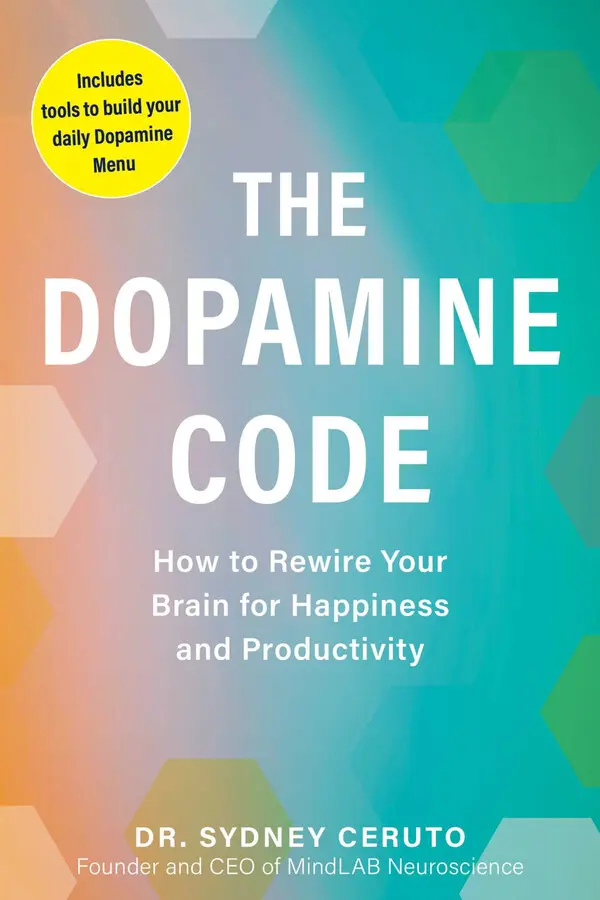
Dr. Sydney Ceruto’s approach to energy management addresses the specific biological systems governing cognitive stamina rather than layering productivity strategies onto an already depleted brain.
The methodology begins with identifying which energy systems are primarily dysregulated in each individual. For some, the core issue is prefrontal metabolic depletion driven by sustained cognitive load without adequate neural recovery windows. For others, the driver is chronic autonomic imbalance, particularly in the slow-wave sleep processes that clear metabolic waste and reset synaptic efficiency for the following day.
Interventions are calibrated accordingly. Autonomic rebalancing through vagal tone training restores the parasympathetic capacity that underpins cognitive resilience. Structured alignment with the brain’s natural ultradian rhythms prevents the compounding fatigue that comes from overriding the brain’s own recovery signals. Sleep architecture optimization addresses the overnight processes that determine next-day cognitive capacity at the most fundamental level.
The goal is not to extract more productivity from a depleted system. It is to rebuild the neural infrastructure that makes sustained, high-quality cognitive output biologically sustainable.

For deeper context, explore why energy management beats time management.