Chronic Fatigue in Beverly Hills

Exhaustion that does not resolve with rest is not a motivation problem. It is a neurological state with identifiable mechanisms — and it can be reversed.

Book a Strategy Call

When Exhaustion Defies All Logic

Chronic fatigue that persists despite adequate sleep, proper nutrition, and genuine effort to recover is one of the most misunderstood conditions in modern health. It is not laziness, burnout in the colloquial sense, or a character deficiency. It is a measurable neurological state produced by the intersection of at least four biological mechanisms — sufficient to produce debilitating exhaustion — which frequently operate simultaneously.

How Brain Inflammation Creates Exhaustion

The first mechanism is neuroinflammation. Microglia — the brain’s resident immune cells — normally perform homeostatic surveillance: pruning synapses, clearing debris, monitoring for infection. Under sustained physical or psychological demand, microglia shift from this maintenance role to a pro-inflammatory activation state, releasing cytokines — immune signaling proteins. These include interleukin-1-beta, interleukin-6, and tumor necrosis factor-alpha. PET imaging studies have documented that individuals with chronic fatigue show 45% to 199% elevated markers of microglial activation across multiple brain regions compared to healthy controls. This neuroinflammation disrupts normal neurotransmitter function, impairs synaptic efficiency, and creates a brain environment in which normal cognitive effort feels disproportionately expensive.

The inflammatory cascade extends further through the kynurenine pathway — a metabolic route that diverts tryptophan away from serotonin production. When activated by pro-inflammatory cytokines, the enzyme indoleamine 2,3-dioxygenase shunts tryptophan into kynurenine metabolites rather than serotonin, simultaneously depleting the neurotransmitter most critical for mood regulation and producing neuroactive compounds that can be directly neurotoxic. This is the molecular link between sustained inflammation and the motivational and emotional flatness that characterizes chronic exhaustion.

When Your Stress System Breaks Down

The second mechanism involves the HPA axis. Under acute stress, the hypothalamic-pituitary-adrenal — the body’s central stress-response system — cascade functions as designed: cortisol rises, mobilizes resources, and then returns to baseline. Under sustained stress, this system undergoes a characteristic transition from hyperactivity to hypoactivity. The cortisol awakening response — the morning cortisol surge that primes daytime alertness — becomes blunted. Diurnal variation flattens. The system that should provide energetic activation in the morning and wind-down in the evening instead delivers a flat, insufficient signal throughout the day. This is not adrenal fatigue in the popular sense. It is a well-documented neuroendocrine adaptation called hypocortisolism in which the brain’s stress response infrastructure has been recalibrated by prolonged demand.

Translucent copper and blue wave forms visualizing sleep cycle phases against deep navy background

The Brain’s Energy Crisis

The third mechanism is mitochondrial dysfunction. Mitochondria are particularly vulnerable in neural tissue, where energy demands are highest. Chronic stress and neuroinflammation produce reactive oxygen species — damaging molecules generated by dysfunctional mitochondria — that further impair mitochondrial function, creating a self-reinforcing cycle of declining energy production. The brain accounts for roughly 20% of the body’s total energy consumption despite representing only 2% of body weight. When neural mitochondria cannot meet this demand, cognitive function deteriorates first.

The fourth mechanism targets the basal ganglia. It affects the D1 and D2 medium spiny neurons that form the “go” and “no-go” pathways governing whether effort feels worth initiating. When inflammation-driven increases in serotonin transporter activity deplete available serotonin while simultaneously disrupting dopaminergic tone, the result is a motivation system that registers every potential action as too costly relative to its expected reward.

Why Recovery Systems Stop Working

The concept that unifies these mechanisms is allostatic load — stress burden exceeding adaptive capacity. This produces hippocampal atrophy, prefrontal cortex — the brain’s executive control center — impairment, amygdalar hypertrophy, and disrupted sleep architecture. The brain becomes simultaneously depleted and unable to recover, because the systems responsible for recovery have themselves been damaged by the same sustained demand that caused the depletion.

The glymphatic system adds another layer to this impasse. The brain’s waste-clearance network operates primarily during deep slow-wave sleep. At this time, norepinephrine — a stress and alertness chemical — levels drop and the interstitial space between brain cells expands to permit the flushing of metabolic waste. In chronic fatigue states, sleep architecture is consistently disrupted and the glymphatic clearance process is compromised. Norepinephrine, which actively suppresses glymphatic flow during wakefulness, remains elevated in individuals with disrupted autonomic function, reducing clearance efficiency even during the sleep they do obtain.

The autonomic profile in chronic fatigue is measurably distinct. Individuals with persistent exhaustion demonstrate impaired parasympathetic reactivation following exertion. This measure of the body’s ability to calm itself should restore the system after effort is suppressed, leaving the individual in a state of sustained sympathetic activation that prevents genuine physiological recovery between demands.

A Targeted Approach to True Recovery

Dr. Ceruto’s approach to chronic fatigue identifies which combination of these mechanisms is operating in each individual and designs interventions that address the specific biological systems maintaining the exhaustion. This includes restoring HPA axis rhythmicity, reducing neuroinflammatory signaling, supporting mitochondrial recovery through the optimization of sleep architecture and autonomic function, and rebuilding the dopaminergic motivation circuitry that sustained demand has eroded. The goal is not energy management through compensation. It is the restoration of the brain’s intrinsic capacity to generate, sustain, and recover energy.

Why Chronic Fatigue Matters in Beverly Hills

The Beverly Hills professional ecosystem produces a specific variant of chronic exhaustion that reflects the compound demands of its dominant industries and its social architecture. Sustained high-performance environments erode the brain’s recovery infrastructure over time.

Walnut desk with marble inlay crystal brain sculpture and MindLAB journal in warm California afternoon light in Beverly Hills private study

The entertainment industry imposes a pattern of allostatic loading that is both intense and cyclical. Awards season, pilot season, production cycles, and the post-strike recovery pressures that followed the 2023 WGA and SAG-AFTRA shutdowns create rolling intervals of elevated demand that never fully resolve before the next cycle begins. The Los Angeles Times documented that the slow resumption of production triggered widespread anxiety, sleep loss, and depression across the entertainment workforce. This population’s income, identity, and social standing are tightly coupled to activity levels they cannot individually control.

Century City’s financial and legal professionals face a parallel but continuous form of demand. Entertainment attorneys, private equity partners, and media finance professionals managing multi-time-zone portfolios operate under sustained cognitive load that depletes prefrontal resources and drives anterior cingulate recalibration. The 50% severe burnout rate reported among Los Angeles and Orange County workers — the highest in the country — reflects the population-level impact of these demands.

Beverly Hills’s physician population faces its own documented exhaustion pattern. Physicians are 82.3% more likely to experience burnout than workers in other occupations, with 45.2% reporting at least one burnout symptom. The aesthetic and concierge medicine practitioners concentrated along the Beverly Hills medical corridor manage celebrity-adjacent clientele expectations. They also face reputational demands of operating where perceived excellence is the minimum standard.

The commute infrastructure compounds every other factor. The 137 hours that Los Angeles drivers lose annually to traffic delays represents a daily cortisol-priming event that elevates allostatic load before any professional demand begins. For Beverly Hills professionals navigating the 405 through the Sepulveda Pass, the Wilshire corridor, and the La Cienega arterials, this is not an abstract statistic. It is a measurable physiological burden that accumulates across years and contributes directly to the HPA axis blunting and sympathetic dominance that maintain chronic fatigue.

The paradox at the center of Beverly Hills’s exhaustion pattern is that its residents have access to every recovery tool available. They have the financial capacity to invest in them, yet maintain behavioral and occupational patterns that structurally overwhelm those tools. This is why neuroscience-level intervention is necessary: the problem is not insufficient effort at recovery. It is that the biological systems responsible for recovery have been damaged by sustained demand and require targeted restoration.

Dr. Sydney Ceruto, PhD — Founder, MindLAB Neuroscience

Dr. Sydney Ceruto, PhD — Founder & CEO, MindLAB Neuroscience

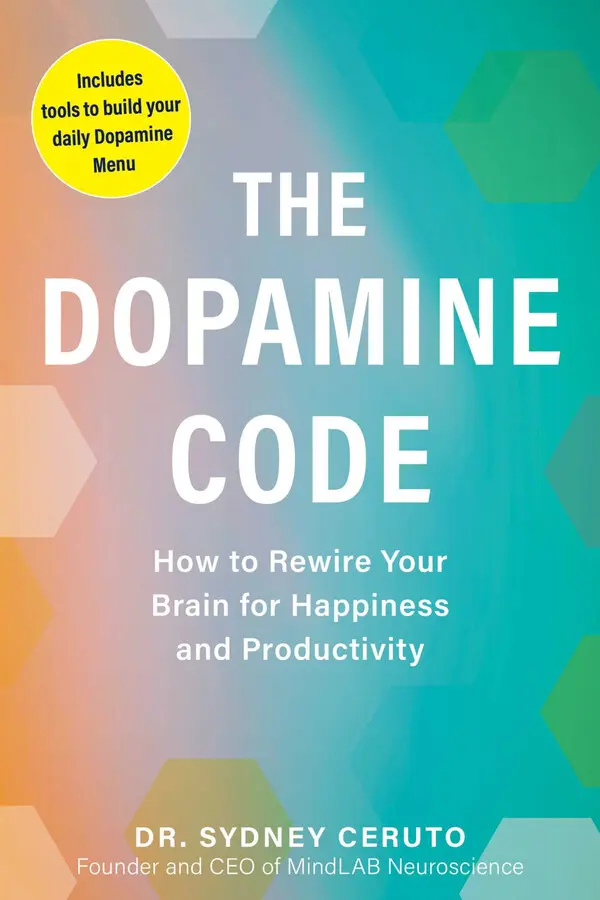
Dr. Ceruto holds a PhD in Behavioral & Cognitive Neuroscience from NYU and two Master’s degrees from Yale University. She lectures at the Wharton Executive Development Program at the University of Pennsylvania and has been an Executive Contributor to the Forbes Coaching Council since 2019. Dr. Ceruto is the author of The Dopamine Code (Simon & Schuster, June 2026). She founded MindLAB Neuroscience in 2000 and has spent over 26 years pioneering Real-Time Neuroplasticity™ — a methodology that permanently rewires the neural pathways driving behavior, decisions, and emotional responses.

References

Nakatomi, Y., Mizuno, K., Ishii, A., Wada, Y., Tanaka, M., Tazawa, S., … & Watanabe, Y. (2014). Neuroinflammation in patients with chronic fatigue syndrome/myalgic encephalomyelitis: An 11C-(R)-PK11195 PET study. Journal of Nuclear Medicine, 55(6), 945–950. https://doi.org/10.2967/jnumed.113.131045

McEwen, B. S. (1998). Protective and damaging effects of stress mediators. New England Journal of Medicine, 338(3), 171–179. https://doi.org/10.1056/NEJM199801153380307

Mackay, A., & Tate, W. (2022). Molecular mechanisms of neuroinflammation in ME/CFS and Long COVID to sustain disease and promote relapses. Frontiers in Neurology, 13, 877772. https://doi.org/10.3389/fneur.2022.877772

McEwen, B. S. (2008). Central effects of stress hormones in health and disease: Understanding the protective and damaging effects of stress and stress mediators. European Journal of Pharmacology, 583(2-3), 174–185. https://doi.org/10.1016/j.ejphar.2007.11.071

Success Stories

“Four hours a night for over two years — that was my ceiling. Supplements, sleep protocols, medication — nothing touched it because nothing addressed why my brain wouldn't shut down. Dr. Ceruto identified the cortisol loop that was keeping my nervous system locked in a hypervigilant state and dismantled it. I sleep now. Not because I learned tricks — because the pattern driving the insomnia no longer exists.”

Adrian M., Portfolio Manager Citadel New York, NY

“Endocrinologists, sleep clinics, functional medicine — every specialist cleared me, and no one could tell me why I was exhausted every single day. Dr. Ceruto identified that my HPA axis was locked in a low-grade stress activation I couldn't feel consciously. Once that pattern was disrupted at the neurological level, my energy came back in a way that felt completely foreign. I'd forgotten what it was like to not be tired.”

Danielle K., Chief Marketing Officer Luxury Retail Beverly Hills, CA

“My kids had been sleeping through the night for three years, but my brain hadn't caught up. I was still waking every ninety minutes like clockwork — no amount of sleep hygiene or supplements touched it. Dr. Ceruto identified the hypervigilance loop that had hardwired itself during those early years and dismantled it at the source. My brain finally learned the threat was over. I sleep through the night now without effort.”

Catherine L., General Counsel Private Equity Greenwich, CT

“My body had simply stopped knowing when to sleep. Crossing time zones weekly for over two years had broken something fundamental, and every protocol, supplement, and device I tried couldn't hold longer than a few days. Dr. Ceruto identified the disruption at the level of my suprachiasmatic nucleus and recalibrated the signaling pattern driving the dysfunction. Within weeks, my circadian rhythm locked back in. I sleep now. Consistently. Regardless of where I land.”

Jonathan K., VP of Global Operations Maersk

“Willpower, accountability systems, cutting up cards — none of it worked because none of it addressed what was actually driving the behavior. Dr. Ceruto identified the reward prediction error that had been running my purchasing decisions for over a decade. Once the loop was visible, it lost its power. The compulsion didn't fade — it stopped.”

Priya N., VP of Engineering Fintech New York, NY

“Color-coded calendars, alarms, accountability partners — I'd built an entire scaffolding system just to stay functional, and none of it addressed why my brain couldn't sequence and prioritize on its own. Dr. Ceruto identified the specific prefrontal pattern that was misfiring and restructured it. I don't need the scaffolding anymore. My brain actually does what I need it to do.”

Jordan K., VP of Product Enterprise SaaS San Francisco, CA

Frequently Asked Questions About Chronic Fatigue in Beverly Hills

What is neuroscience-based support for chronic fatigue?

Dr. Ceruto's approach identifies the specific neurological mechanisms maintaining chronic exhaustion — neuroinflammation, HPA dysregulation, mitochondrial dysfunction, disrupted motivation circuitry — and designs interventions that address these systems directly. Rather than managing symptoms or layering coping strategies onto an exhausted brain, the methodology restores the biological infrastructure the brain needs to generate and sustain energy.

Why doesn't rest fix chronic fatigue?

Chronic fatigue is maintained by biological mechanisms that standard rest cannot reach. Neuroinflammation continues independently of activity level. The HPA axis — the body's central stress-response system —, once it has transitioned to a blunted state, does not spontaneously recalibrate. Mitochondrial dysfunction persists because the inflammation driving it persists. And the basal ganglia — deep brain structures governing habits and movement — motivation circuitry, once disrupted, registers even low-demand activities as too costly. The system requires targeted intervention to restore the recovery capacity that sustained demand has damaged.

Who experiences this kind of persistent exhaustion?

Anyone whose brain and body have been subject to sustained demand over months or years without adequate recovery. This includes people managing chronic professional pressure, emotional caregiving responsibilities, demanding family systems, health challenges, or the accumulation of multiple life stressors over time. The condition is not limited to any profession or demographic. It is defined by the duration and intensity of demand relative to the body’s recovery capacity.

What happens during the initial engagement?

The process begins with a Strategy Call — a phone-based conversation with Dr. Ceruto to understand the fatigue pattern, its duration, potential contributing mechanisms, and the demands of the individual’s current life situation. From this conversation, Dr. Ceruto determines which biological systems are likely driving the exhaustion and designs a personalized program accordingly. The $250 Strategy Call fee applies. Program structure and investment details are discussed during that conversation.

How long does recovery from chronic fatigue typically take?

Recovery depends on which mechanisms are involved and how long they have been operating. Individuals with primarily HPA axis and autonomic dysregulation — the breakdown of normal control systems — often notice meaningful improvements within weeks as cortisol rhythmicity and parasympathetic recovery begin to restore. Those with significant neuroinflammatory and mitochondrial components may require a longer program as these deeper systems are progressively addressed. Dr. Ceruto designs each program with measurable milestones so progress is tracked throughout.

Take the First Step Beyond Chronic Fatigue

The Strategy Call is a focused conversation with Dr. Ceruto that maps the specific neural mechanisms driving your concerns and determines the right path forward.

Book a Strategy Call
MindLAB Neuroscience consultation room
Locations

The Intelligence Brief

Neuroscience-backed analysis on how your brain drives what you feel, what you choose, and what you can’t seem to change — direct from Dr. Ceruto.