When Fast Thinking Becomes Uncontrolled Thinking
“The problem is not excessive speed. It is a breakdown in the filtering system that normally determines which thoughts reach conscious awareness and which are suppressed before they arrive, and under pressure, that filter can reverse polarity, becoming an amplifier precisely when regulation is most needed.”
The experience of thoughts arriving faster than they can be evaluated, organized, or dismissed is distinct from productive fast thinking. The neuroscience reveals a clear structural difference: in productive ideation, the prefrontal cortex, the brain’s executive control center, directs the thought stream; in racing thoughts, the prefrontal cortex is overwhelmed by it. Understanding this distinction and the specific neural mechanisms that produce it is the foundation for resolving the pattern.
How the Brain’s Thought Filter Breaks Down
The brain contains a structure called the thalamic reticular nucleus controlling the volume and selectivity of thought. When this filter fails, thalamic relay neurons fire freely, flooding the cortex with unfiltered, unsorted content. This is the neurobiological substrate of racing thought cascades.
The filter fails through a specific mechanism. The thalamic reticular nucleus operates using GABAergic inhibition. When that inhibition fails, it becomes an amplifier.

Why Stress Chemistry Accelerates Mental Chaos
Simultaneously, the locus coeruleus shifts into high-tonic firing mode. At moderate firing levels, the locus coeruleus’s output of norepinephrine, a stress and alertness chemical, optimizes the signal-to-noise ratio, enabling focused, goal-directed thinking. At elevated levels, norepinephrine increases neural gain indiscriminately: both relevant and irrelevant cognitive content is amplified, producing the subjective sensation of thoughts moving faster than they can be processed. The relationship is nonlinear: arousal accelerates basic processing speed while simultaneously degrading the higher-order evaluation capacity needed to organize and dismiss thought content.
When the Brain’s Editor Gets Overwhelmed
The prefrontal cortex, the brain’s executive editor, is uniquely vulnerable to this escalation. Prefrontal function follows an inverted-U dose-response curve for catecholamines, the class of neurotransmitters (chemical messengers between brain cells) that support the brain’s short-term mental workspace and inhibitory control. Under excess norepinephrine, the prefrontal cortex loses its capacity to maintain task-relevant representations and suppress competing thought content. The editor is flooded with more submissions than it can review.
The result is a self-reinforcing cascade. The thalamic filter fails, allowing unregulated thought content to reach the cortex. The locus coeruleus amplifies all content indiscriminately. The prefrontal cortex cannot evaluate and dismiss at the rate content arrives. Whatever cognitive content is already dominant is preferentially amplified by the arousal state, not dampened. Research confirms that racing thoughts at bedtime, not rumination or worry, are the specific predictor of insomnia severity, establishing racing thoughts as a distinct neurobiological phenomenon with its own clinical significance.
How This Work Restores Mental Control
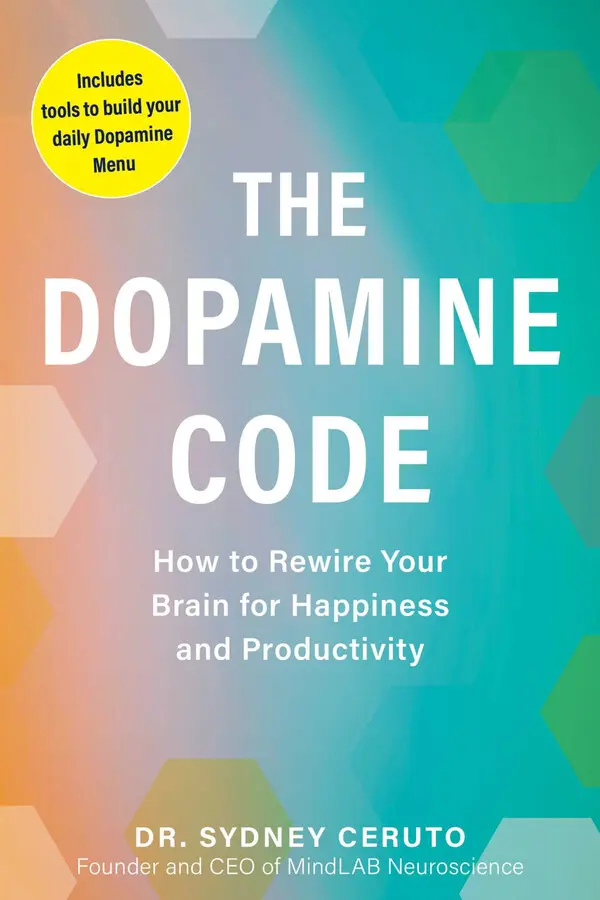
Dr. Sydney Ceruto’s methodology addresses racing thoughts at the three levels where the cascade originates. Thalamocortical regulation work (targeting the sensory relay-to-cortex pathway) targets restoration of the inhibitory tone in the thalamic reticular nucleus. Providing the executive system with structured, tractable cognitive tasks restores top-down control over the thought stream. Sleep architecture restoration serves as the foundational reset: deep sleep is the only physiological state in which the thalamocortical circuit undergoes complete GABAergic restoration. Thalamic spindle synchronization recalibrates cortical excitability, and locus coeruleus firing falls to its minimum.

For deeper context, explore how racing thoughts block career growth.