









Brain Longevity & Neuroprotection in Wall Street

Dr. Sydney Ceruto provides neuroscience-based education on brain longevity and neuroprotection, helping individuals understand how to preserve cognitive function, build cognitive reserve, and interrupt the silent neurobiological processes that drive age-related decline.

Book a Strategy Call

When Brain Aging Begins

The brain ages differently from every other organ. Unlike the heart or liver, whose functional reserve can be assessed with straightforward biomarkers, cognitive function depends on the cumulative architecture of synaptic networks built across decades — networks beginning silent degradation years early. This creates both the challenge and the opportunity at the core of proactive brain longevity. The window for meaningful intervention is widest between the ages of thirty and fifty-five, precisely when most high-performing individuals are not yet thinking about their cognitive future.

The neuroscience is clear on a critical point: by the time cognitive symptoms appear, years of silent neuronal loss have already occurred. Brain-derived neurotrophic factor begins declining in plasma approximately ten years before symptom onset, with a strong correlation to hippocampal atrophy. Hippocampal volume itself declines at approximately 0.5 to 1 percent per year from midlife in healthy adults. This rate roughly doubles in the presence of modifiable risk factors including chronic stress, sleep deprivation, physical inactivity, and metabolic dysfunction.

Building Your Brain’s Reserve

Cognitive reserve represents the most actionable concept in the brain longevity literature. Individuals with comparable amounts of brain pathology can show radically different clinical outcomes depending on the richness of their neural network architecture. Some maintain independence and sharp function while others with identical structural damage develop measurable impairment. The gap between structural disease and functional expression is not random. It reflects real differences in neural efficiency, adaptive capacity, and the redundancy of network connections built through decades of intellectual engagement, physical activity, and social complexity.
The modifiable risk factors for cognitive decline are now well characterized. Twelve modifiable risk factors collectively account for approximately 40 percent of worldwide dementia cases. These include physical inactivity, social isolation, hypertension, obesity, hearing loss, depression, diabetes, and excessive alcohol consumption — each of which represents active disruption of the biological systems that sustain cognitive reserve. Delaying Alzheimer’s onset by just five years results in 41 percent lower disease prevalence and 40 percent lower associated costs.

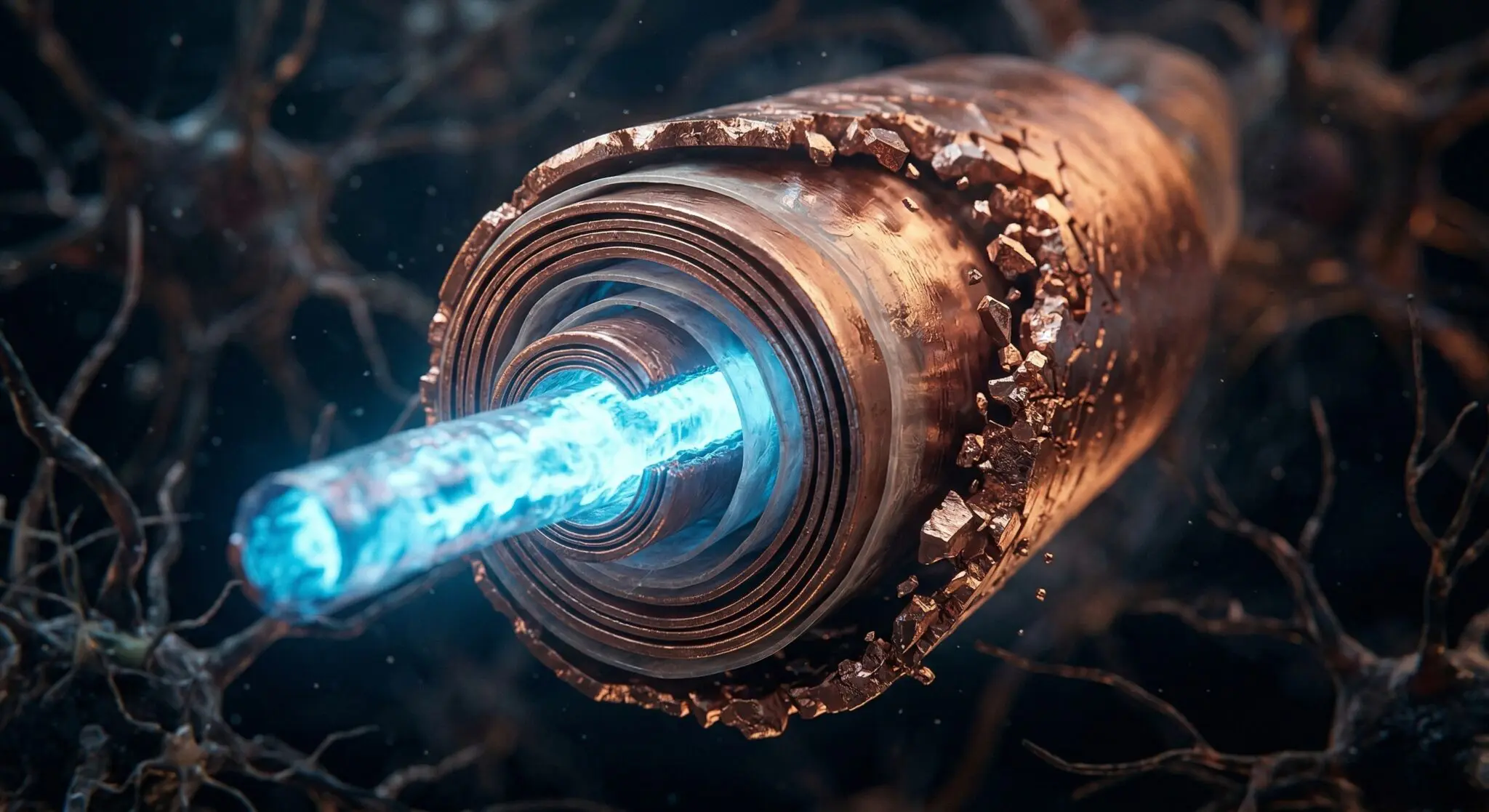
Macro cross-section of neural pathway with copper sheathing forming around blue signal core depicting active brain optimization

How the Brain Protects Itself

The neuroprotective mechanisms that defend the brain against age-related decline operate through several interlocking systems. BDNF — brain-derived neurotrophic factor, a growth protein for neurons — functions as the master regulator of neuroplastic reserve making exercise the only intervention consistently shown to reverse hippocampal volume loss.

The Body’s Defense Against Damage

The Nrf2 antioxidant defense pathway constitutes the brain’s master system for managing oxidative stress. This pathway activates transcription of genes governing glutathione synthesis, heme oxygenase-1, and other protective enzymes. Critically, Nrf2 activity declines with aging, progressively eroding this defense. Nrf2-deficient animals develop significantly worse age-related cognitive deficits, with their brain transcriptomes recapitulating the most dysregulated pathways observed in human aging brains and Alzheimer’s disease.

Cleaning Up Brain Waste

Autophagy represents the brain’s primary defense against the protein aggregation that characterizes neurodegenerative disease. When autophagy function is impaired, toxic protein species including amyloid-beta and tau accumulate beyond the brain’s clearance capacity. Behavioral levers for sustaining autophagy include time-restricted eating windows, aerobic exercise, and circadian alignment (relating to the body’s 24-hour biological clock).

When Stress and Sleep Create Problems

Chronic stress, sleep deprivation, and metabolic dysfunction do not operate independently. They form a biological amplification cascade: chronic stress degrades sleep quality, poor sleep amplifies metabolic dysfunction, and metabolic dysfunction heightens stress reactivity. Each factor independently suppresses BDNF, activates neuroinflammatory pathways, and impairs the neuroprotective systems that preserve cognitive function. The neuroscience advisory opportunity lies in interrupting this cascade at multiple simultaneous points.

The circadian system adds another critical layer. Circadian clock function regulates glymphatic waste clearance during sleep, oscillatory BDNF expression, microglial inflammatory tone, and the production and clearance rhythms of amyloid-beta proteins. Individuals with disrupted circadian rhythms show dramatically elevated risk of clinical cognitive decline — one study found a 4.41-fold higher hazard of decline among those with longer intrinsic cellular circadian periods. Sleep architecture optimization is not a wellness luxury in this context. It is a neuroprotective intervention with measurable consequences for long-term brain health.

Mahogany desk with crystal brain sculpture and MindLAB journal in warm lamp light surrounded by leather-bound volumes in institutional Wall Street study

A Precision Approach to Brain Health

Dr. Ceruto’s approach to brain longevity identifies the specific risk factors and neurobiological vulnerabilities at work in each individual. It educates on the mechanisms that are either building or eroding cognitive reserve, and designs a precision framework for strengthening the neuroprotective systems that determine the trajectory of long-term cognitive health. This is not wellness programming. It is evidence-based early intervention in a progressive biological process that, once advanced, resists correction.

Why Brain Longevity & Neuroprotection Matters in Wall Street

The Financial District is undergoing a demographic transition that makes brain longevity acutely relevant. While the entry-level analyst cohort is in their early to mid-twenties, the professional pyramid above them is dominated by managing directors, partners, and senior portfolio managers aged thirty-five to fifty-five. They have accumulated significant wealth, institutional influence, and — often unknowingly — significant neurobiological wear. This group is beginning to encounter the first cognitive warning signs of cumulative stress: slower processing, word retrieval delays, reduced creative problem-solving. They face the unsettling awareness that their sharpest years may be plateauing rather than continuing to compound.

Manhattan’s longevity clinic ecosystem is expanding rapidly. Premium membership clinics have launched tiers reaching $250,000 annually, combining plasma exchange, peptide therapy, and regenerative medicine. These services address aging generally, but none are anchored in the neuroscience of cognitive longevity specifically. This requires hippocampal preservation and neuroinflammation management.

The financial incentive to preserve cognitive function in this population is direct and measurable. Average annual bonuses in this sector reached $244,700 in 2024, with total compensation packages routinely exceeding $500,000. This is a population that can invest in their cognitive future and has powerful professional incentive to preserve the brain that generates their income. While wealth and education are associated with lower dementia risk these advantages are insufficient without targeted neurological intervention. The same chronic stress, sleep deprivation, and neuroinflammation that define the Financial District work culture are among the leading modifiable risk factors for the cognitive decline that wealth alone cannot prevent.

Dr. Ceruto’s neuroscience-anchored approach to brain longevity at 99 Wall Street addresses the specific pathways of cognitive aging rather than general wellness metrics. This offers a differentiated alternative to the biohacking marketplace that surrounds the Financial District.

Dr. Sydney Ceruto, PhD — Founder, MindLAB Neuroscience

Dr. Sydney Ceruto, PhD — Founder & CEO, MindLAB Neuroscience

Dr. Ceruto holds a PhD in Behavioral & Cognitive Neuroscience from NYU and two Master’s degrees from Yale University. She lectures at the Wharton Executive Development Program at the University of Pennsylvania and has been an Executive Contributor to the Forbes Coaching Council since 2019. Dr. Ceruto is the author of The Dopamine Code (Simon & Schuster, June 2026). She founded MindLAB Neuroscience in 2000 and has spent over 26 years pioneering Real-Time Neuroplasticity™ — a methodology that permanently rewires the neural pathways driving behavior, decisions, and emotional responses.

References

Livingston, G., Huntley, J., Sommerlad, A., Ames, D., Ballard, C., Banerjee, S., … & Mukadam, N. (2020). Dementia prevention, intervention, and care: 2020 report of the Lancet Commission. The Lancet, 396(10248), 413-446. https://doi.org/10.1016/S0140-6736(20)30367-6

Erickson, K. I., Voss, M. W., Prakash, R. S., Basak, C., Szabo, A., Chaddock, L., … & Kramer, A. F. (2011). Exercise training increases size of hippocampus and improves memory. Proceedings of the National Academy of Sciences, 108(7), 3017-3022. https://doi.org/10.1073/pnas.1015950108

Buchman, A. S., Yu, L., Boyle, P. A., Schneider, J. A., De Jager, P. L., & Bennett, D. A. (2016). Higher brain BDNF gene expression is associated with slower cognitive decline in older adults. Neurology, 86(8), 735-741. https://doi.org/10.1212/WNL.0000000000002387

Dinkova-Kostova, A. T., Kostov, R. V., & Kazantsev, A. G. (2018). The role of Nrf2 signaling in counteracting neurodegenerative diseases. FEBS Journal, 285(19), 3576-3590. https://doi.org/10.1111/febs.14379

Success Stories

“Nothing was wrong — and that's exactly why no one could help me. I wasn't struggling. I wanted to know what my brain was actually capable of if its resting-state architecture was optimized. Dr. Ceruto mapped my default mode network and restructured how it allocates resources between focused and diffuse processing. The cognitive clarity I operate with now isn't something I'd ever experienced before — and I had no idea it was available.”

Nathan S., Senior Investment Strategist Bridgewater Associates

“After the concussion, my processing speed collapsed — I couldn't hold complex information the way I used to, and no one could explain why the fog wasn't lifting. Dr. Ceruto mapped the damaged pathways and built compensatory networks around them. My brain doesn't work the way it did before the injury. It works differently — and in some ways, more efficiently than it ever did.”

Owen P., Founder & CEO Sports Performance Scottsdale, AZ

“I'd optimized everything — diet, fitness, sleep — but my cognitive sharpness was quietly declining and no one could explain why. Dr. Ceruto identified the synaptic density patterns that were thinning and built a protocol to reverse the trajectory. This wasn't prevention in theory. My neuroplasticity reserve is measurably stronger now than it was three years ago. Nothing I'd tried before even addressed the right problem.”

Henrique L., Head of Strategic Planning Galp Lisbon, PT

“Slower processing, foggier recall, decisions that used to be instant taking longer than they should — I'd been accepting it all as inevitable decline for two years. Dr. Ceruto identified the prefrontal efficiency pattern that was degrading and restructured it at the neurological level. The sharpness didn't just come back. It came back faster and more precise than it was a decade ago. Nothing I'd tried before even addressed the right problem.”

Elliott W., General Partner Andreessen Horowitz

“Endocrinologists, sleep clinics, functional medicine — every specialist cleared me, and no one could tell me why I was exhausted every single day. Dr. Ceruto identified that my HPA axis was locked in a low-grade stress activation I couldn't feel consciously. Once that pattern was disrupted at the neurological level, my energy came back in a way that felt completely foreign. I'd forgotten what it was like to not be tired.”

Danielle K., Chief Marketing Officer Luxury Retail Beverly Hills, CA

“Dr. Ceruto’s methodology took me from a founder on the verge of quitting to a leader capable of building the team and culture that drove Liquid IV’s success. Her ability to restructure how I make decisions and lead under pressure changed the trajectory of the entire company. I don’t say that lightly. The company I built after working with her was fundamentally different from the company I was building before — because I was fundamentally different.”

Brandin Cohen, Founder & CEO CEO, Liquid IV Los Angeles, CA

Frequently Asked Questions About Brain Longevity & Neuroprotection in Wall Street

What is brain longevity and neuroprotection at MindLAB Neuroscience?

Dr. Ceruto provides neuroscience-based education on how to preserve and strengthen cognitive function over the long term. This includes understanding BDNF — brain-derived neurotrophic factor, a growth protein for neurons — signaling and neuroplastic reserve (related to the brain's ability to rewire itself). It also involves cognitive reserve building through targeted lifestyle and intellectual engagement strategies, neuroprotective system optimization including Nrf2 pathway support and circadian alignment (relating to the body's 24-hour biological clock), and early identification of the modifiable risk factors that accelerate cognitive decline.

How does the brain age, and what accelerates that process?

Hippocampal volume declines 0 (related to the brain's memory center).5 to 1 percent per year from midlife, synaptic density decreases, and adult neurogenesis — the creation of new brain cells — slows. This natural trajectory is dramatically accelerated by chronic stress, which suppresses BDNF — brain-derived neurotrophic factor, a growth protein for neurons — by up to 60 percent. Sleep deprivation impairs glymphatic waste clearance; metabolic dysfunction degrades neurotrophic signaling; physical inactivity eliminates the most potent driver of BDNF synthesis; and social isolation reduces cognitive engagement and reserve building.

Who should be thinking about brain longevity?

Anyone between thirty and fifty-five who recognizes that the cognitive demands of their life depend on a brain that is aging in ways they cannot yet detect. This is especially relevant for individuals who have maintained high-pressure careers for a decade or more, those with family histories of cognitive decline. It also applies to anyone experiencing subtle shifts in processing speed, recall, or creative capacity that may represent early signals of neuroplastic erosion (related to the brain's ability to rewire itself).

How does the process begin?

It begins with a Strategy Call — a phone-based conversation with Dr. Ceruto to discuss cognitive concerns, risk factors, and goals. The Strategy Call costs $250 and provides clarity on whether a neuroscience-based brain longevity program is appropriate. Program structure and investment details are discussed during the Strategy Call.

What kind of outcomes should someone expect?

Brain longevity is measured in trajectory rather than immediate sensation. Objective improvements in cognitive biomarkers — BDNF, heart rate variability, sleep quality, inflammatory markers — can be tracked over months. Subjective improvements in processing speed, recall, cognitive endurance, and stress recovery often emerge within the first months of engagement. The primary value is in shifting the long-term cognitive trajectory from decline toward preservation and strengthening.

Take the First Step Toward Brain Longevity & Neuroprotection

The Strategy Call is a focused conversation with Dr. Ceruto that maps the specific neural mechanisms driving your concerns and determines the right path forward.

Book a Strategy Call
MindLAB Neuroscience consultation room
Locations

The Intelligence Brief

Neuroscience-backed analysis on how your brain drives what you feel, what you choose, and what you can’t seem to change — direct from Dr. Ceruto.


