Brain Longevity & Neuroprotection in Midtown Manhattan

Dr. Sydney Ceruto provides neuroscience-based brain longevity strategies that protect cognitive architecture during the critical midlife window when intervention matters most.

Book a Strategy Call

The Hidden Timeline of Brain Aging

The brain ages differently from every other organ. Unlike the heart or liver, whose functional reserve can be measured with straightforward biomarkers, cognitive function depends on the cumulative architecture of synaptic networks built across decades. These networks begin degrading silently, long before any symptom appears. By the time cognitive complaints emerge, years of neuronal loss have already occurred. The window for meaningful intervention is wide open in the 30-to-55 age range. This creates both the challenge and the opportunity at the core of proactive brain longevity, precisely when most individuals are not yet thinking about their cognitive health.

Brain health conditions now account for 24 percent of the total global disease burden. Scaling proven interventions could avert 267 million disability-adjusted life years globally by 2050, generating up to $6.2 trillion in cumulative GDP gains. This is not a geriatric care problem. It is a human capital crisis whose roots are planted in midlife.

How the Brain Maintains Itself

The neuroscience of brain longevity rests on three interconnected pillars: neuroplasticity preservation, cognitive reserve building, and neuroprotective mechanism maintenance.

Brain Adaptability Through Life

Neuroplasticity — the brain’s capacity to reorganize — follows a developmental trajectory with distinct phases. During young adulthood, plasticity remains high through long-term potentiation and long-term depression, dendritic spine turnover, and adult neurogenesis. From midlife onward, these mechanisms progressively contract. Hippocampal long-term potentiation diminishes, dendritic arborization decreases, spine density falls, and neurogenesis slows substantially. Brain-derived neurotrophic factor — the most potent endogenous driver — is the master regulator of this trajectory. Individuals in the 90th percentile of brain BDNF expression experience cognitive decline approximately 50 percent slower than those in the 10th percentile, even in the presence of confirmed dementia pathology. Chronic psychological stress suppresses hippocampal BDNF expression by up to 60 percent through epigenetic silencing. Sleep deprivation impairs glymphatic clearance, metabolic dysfunction degrades BDNF signaling, and sedentary behavior eliminates the single most potent physiological driver of BDNF synthesis.

Macro cross-section of neural pathway with copper sheathing forming around blue signal core depicting active brain optimization

Building Mental Resilience

Cognitive reserve describes a critical observation: individuals with comparable amounts of brain pathology can show radically different clinical outcomes. Some maintain independent function while others develop dementia. The gap reflects real differences in neural efficiency, adaptive capacity, and the richness of network architecture built through decades of intellectual engagement. Lifelong bilingualism delays dementia onset by an average of 4.7 years — a larger effect than most pharmacological interventions ever tested. Multilingual adults show an even more dramatic protective effect. Aerobic exercise operates through both active cognitive reserve mechanisms and passive brain reserve mechanisms. One year of moderate aerobic walking produced a 2 percent increase in hippocampal volume in a randomized controlled trial, while the sedentary control group showed the expected age-related decline.

Natural Defense Systems

The brain maintains several interlocking systems of cellular defense. Anti-inflammatory signaling keeps microglial activation in check. The Nrf2 antioxidant defense system constitutes the brain’s master regulatory pathway for oxidative stress the cellular process of degrading and recycling damaged organelles and misfolded proteins — prevents protein aggregation that characterizes disease. Synaptic pruning, normally a healthy maintenance function that eliminates redundant connections, becomes dysregulated with age as complement cascade components drive excessive elimination of functional synapses, directly accelerating cognitive impairment.

When Stress Accelerates Brain Aging

Critically, all of these systems are modifiable by behavior and metabolic state. Chronic stress, sleep deprivation, and metabolic dysfunction form a biological amplification cascade: stress degrades sleep quality, poor sleep amplifies metabolic dysfunction, metabolic dysfunction heightens stress reactivity. Each arm simultaneously erodes the neuroprotective systems designed to prevent accelerated aging. Objectively measured chronic stress — indexed through hair cortisol levels — was associated with reduced hippocampal volume and cortical thinning even in neurologically healthy individuals. A study of 169 healthy mid-aged adults found inflammation biomarkers mediating part of this relationship. The implication is direct: chronic stress in apparently healthy 40-year-olds is already inflicting measurable neuronal atrophy.

The Power of Prevention

The 12 modifiable risk factors identified by the Lancet Commission on Dementia collectively account for approximately 40 percent of worldwide dementia cases. Every one of these factors represents an active disruption of the neuroprotective capacity and cognitive reserve that the brain needs to maintain function across the aging trajectory.

The mathematics of delay are nonlinear and powerful: delaying Alzheimer’s onset by just five years results in 41 percent lower disease prevalence and 40 percent lower associated costs. Time is the most potent lever, and the 30-to-55 window represents its peak availability.

Walnut credenza with crystal brain sculpture and MindLAB journal in diffused dusk light suggesting high-floor Midtown Manhattan private office

Precision Brain Health Planning

Dr. Ceruto’s approach to brain longevity maps each individual’s specific risk profile and develops a personalized neuroscience-informed strategy to interrupt the cascade at multiple simultaneous points. This is not wellness advice repackaged as neuroscience. It is precision brain health planning grounded in the mechanisms that determine whether cognitive architecture is maintained or degraded across the decades ahead.

Why Brain Longevity & Neuroprotection Matters in Midtown Manhattan

Midtown Manhattan’s professional class is aging in a context of extraordinary cognitive demand, compounded by every environmental, lifestyle, and occupational risk factor for accelerated cognitive decline. The target band of 35-to-55-year-olds encompasses the VP, director, and senior leadership layers at Midtown’s major employers — senior executives and firm leaders. Research from the Alzheimer’s Association shows that 15.7 percent of New Yorkers aged 45 and older have subjective cognitive decline, and 427,000 New Yorkers aged 65 and older are living with Alzheimer’s. The pipeline to that statistic runs directly through the 45-to-55 bracket in Midtown’s offices.

Research published in 2024 found that the lifetime risk of dementia at age 55 is 42 percent — more than double previous estimates. Women face 48 percent lifetime risk. The risk factors identified include hypertension, poor diet, sedentary behavior, and poor mental health, all of which are elevated in Midtown’s corporate professional population. New York State has ten designated Centers for Excellence for Alzheimer’s Disease, creating a research-proximity ecosystem that MindLAB’s neuroscience-based approach complements.

The biohacking and longevity culture in Midtown is already activated. Bryan Johnson’s “Don’t Die Summit” at the Javits Center drew hundreds of attendees. Equinox, operating multiple Midtown locations, has introduced hyperbaric chambers, infrared saunas, and contrast therapy to serve its longevity-focused membership. A McKinsey report found that 60 percent of younger consumers rate healthy aging as very or extremely important.

The neuroprotection gap in this ecosystem is clear: the longevity market is full of biometric devices, supplements, and wellness treatments. However, it remains profoundly underserved by providers who can connect these consumer-facing interventions to actual brain health trajectory planning. Dr. Ceruto’s neuroscience framework positions MindLAB as the clinical layer above the biohacking noise that Midtown’s most discerning professionals are already consuming.

Dr. Sydney Ceruto, PhD — Founder, MindLAB Neuroscience

Dr. Sydney Ceruto, PhD — Founder & CEO, MindLAB Neuroscience

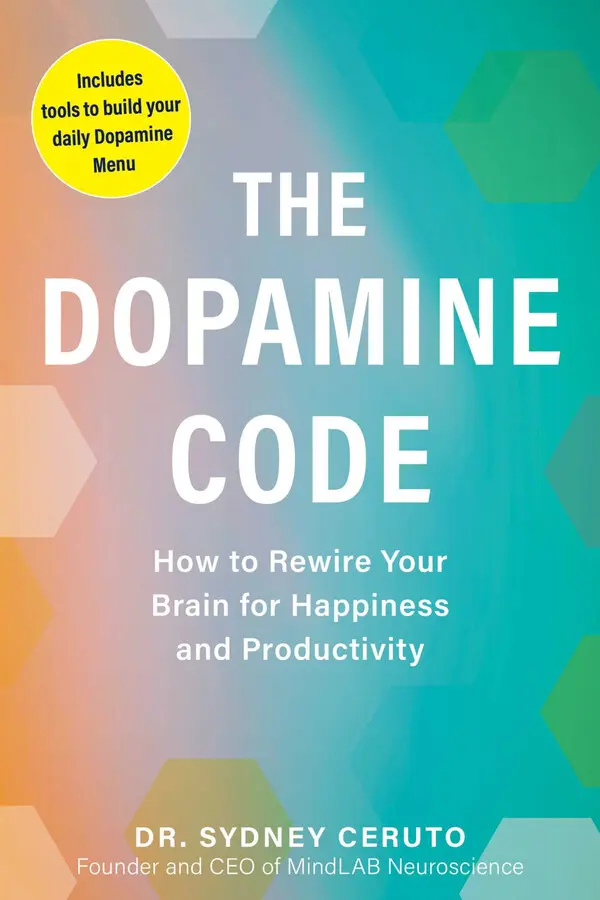
Dr. Ceruto holds a PhD in Behavioral & Cognitive Neuroscience from NYU and two Master’s degrees from Yale University. She lectures at the Wharton Executive Development Program at the University of Pennsylvania and has been an Executive Contributor to the Forbes Coaching Council since 2019. Dr. Ceruto is the author of The Dopamine Code (Simon & Schuster, June 2026). She founded MindLAB Neuroscience in 2000 and has spent over 26 years pioneering Real-Time Neuroplasticity™ — a methodology that permanently rewires the neural pathways driving behavior, decisions, and emotional responses.

References

Livingston, G., Huntley, J., Sommerlad, A., et al. (2020). Dementia prevention, intervention, and care: 2020 report of the Lancet Commission. The Lancet, 396(10248), 413–446. https://doi.org/10.1016/S0140-6736(20)30367-6

Erickson, K. I., Voss, M. W., Prakash, R. S., et al. (2011). Exercise training increases size of hippocampus and improves memory. Proceedings of the National Academy of Sciences, 108(7), 3017–3022. https://doi.org/10.1073/pnas.1015950108

Buchman, A. S., Yu, L., Boyle, P. A., et al. (2016). Higher brain BDNF gene expression is associated with slower cognitive decline in older adults. Neurology, 86(8), 735–741. https://doi.org/10.1212/WNL.0000000000002387

Bialystok, E. (2021). Bilingualism: Pathway to cognitive reserve. Trends in Cognitive Sciences, 25(5), 355–364. https://doi.org/10.1016/j.tics.2021.02.003

Success Stories

“After the concussion, my processing speed collapsed — I couldn't hold complex information the way I used to, and no one could explain why the fog wasn't lifting. Dr. Ceruto mapped the damaged pathways and built compensatory networks around them. My brain doesn't work the way it did before the injury. It works differently — and in some ways, more efficiently than it ever did.”

Owen P., Founder & CEO Sports Performance Scottsdale, AZ

“Nothing was wrong — and that's exactly why no one could help me. I wasn't struggling. I wanted to know what my brain was actually capable of if its resting-state architecture was optimized. Dr. Ceruto mapped my default mode network and restructured how it allocates resources between focused and diffuse processing. The cognitive clarity I operate with now isn't something I'd ever experienced before — and I had no idea it was available.”

Nathan S., Senior Investment Strategist Bridgewater Associates

“Slower processing, foggier recall, decisions that used to be instant taking longer than they should — I'd been accepting it all as inevitable decline for two years. Dr. Ceruto identified the prefrontal efficiency pattern that was degrading and restructured it at the neurological level. The sharpness didn't just come back. It came back faster and more precise than it was a decade ago. Nothing I'd tried before even addressed the right problem.”

Elliott W., General Partner Andreessen Horowitz

“I'd optimized everything — diet, fitness, sleep — but my cognitive sharpness was quietly declining and no one could explain why. Dr. Ceruto identified the synaptic density patterns that were thinning and built a protocol to reverse the trajectory. This wasn't prevention in theory. My neuroplasticity reserve is measurably stronger now than it was three years ago. Nothing I'd tried before even addressed the right problem.”

Henrique L., Head of Strategic Planning Galp Lisbon, PT

“My kids had been sleeping through the night for three years, but my brain hadn't caught up. I was still waking every ninety minutes like clockwork — no amount of sleep hygiene or supplements touched it. Dr. Ceruto identified the hypervigilance loop that had hardwired itself during those early years and dismantled it at the source. My brain finally learned the threat was over. I sleep through the night now without effort.”

Catherine L., General Counsel Private Equity Greenwich, CT

“Willpower, accountability systems, cutting up cards — none of it worked because none of it addressed what was actually driving the behavior. Dr. Ceruto identified the reward prediction error that had been running my purchasing decisions for over a decade. Once the loop was visible, it lost its power. The compulsion didn't fade — it stopped.”

Priya N., VP of Engineering Fintech New York, NY

Frequently Asked Questions About Brain Longevity & Neuroprotection in Midtown Manhattan

What is brain longevity work at MindLAB Neuroscience?

Dr. Ceruto provides a neuroscience-based assessment of the biological factors that determine cognitive aging trajectory — including BDNF — brain-derived neurotrophic factor, a growth protein for neurons — status, cortisol patterns, sleep architecture, neuroinflammatory markers, and cognitive reserve capacity. From this assessment, a personalized brain longevity strategy is developed that targets the specific mechanisms accelerating cognitive decline, with the goal of preserving and strengthening neural architecture during the window when intervention is most effective.

Why does brain longevity work need to start in midlife?

Neuroscience has established that the biological markers of cognitive decline begin changing years, sometimes decades, before symptoms appear. BDNF — brain-derived neurotrophic factor, a growth protein for neurons — levels decline approximately 10 years before dementia symptom onset. Hippocampal volume (related to the brain's memory center) is already shrinking in neurologically healthy adults in their mid-40s who do not exercise. Circadian (relating to the body's 24-hour biological clock) rhythm fragmentation measurably precedes mild cognitive impairment. The 30-to-55 age range represents the window when the mechanisms are most responsive to intervention and the trajectory is most modifiable.

Who benefits from brain longevity planning?

Individuals in their 30s through 50s who want to understand and actively manage their cognitive aging trajectory. This especially applies to those carrying multiple risk factors such as chronic stress, disrupted sleep, sedentary habits, family history of cognitive decline, or a sense that their mental sharpness has begun to change. People already investing in longevity through biohacking, fitness, or supplements but lacking a neuroscience framework to connect these efforts to measurable brain health outcomes are especially well-positioned for this work.

How does someone begin brain longevity work with Dr. Ceruto?

The process starts with a Strategy Call, conducted by phone. The $250 fee covers an in-depth assessment of cognitive concerns, risk factors, lifestyle patterns, and goals. Dr. Ceruto determines whether brain longevity planning is the right focus and discusses program structure and investment details during the call.

What kind of results can someone expect over time?

Brain longevity is a long-term investment in cognitive architecture. In the near term — weeks to months — many individuals experience improvements in sleep quality, stress resilience, and subjective cognitive sharpness as foundational neurobiological factors are addressed. Over longer periods, the goal is measurable preservation and strengthening of the neural systems that determine cognitive trajectory — including hippocampal integrity, BDNF — brain-derived neurotrophic factor, a growth protein for neurons — signaling capacity, autonomic function, and cognitive reserve. Research demonstrates that targeted interventions can reverse age-related hippocampal volume loss and slow cognitive decline by up to 50 percent.

Take the First Step Toward Brain Longevity & Neuroprotection

The Strategy Call is a focused conversation with Dr. Ceruto that maps the specific neural mechanisms driving your concerns and determines the right path forward.

Book a Strategy Call
MindLAB Neuroscience consultation room
Locations

The Intelligence Brief

Neuroscience-backed analysis on how your brain drives what you feel, what you choose, and what you can’t seem to change — direct from Dr. Ceruto.