Pleasure-Pain Rebalancing in Lisbon

Lisbon delivered the calm. The internal restlessness arrived anyway. The opponent-process system's shifted baseline is not a feature of the environment you left — it is the architecture you brought with you.

The baseline has shifted toward discomfort. The input that once felt good now just feels normal.

The brain's pleasure-pain balance has tipped. It can be restored.

Book a Strategy Call

Key Points

  1. The opponent process — the brain's counterweight — does not simply neutralize each pleasure peak and reset.
  2. The brain is treating the discomfort of the shifted baseline as a signal analogous to hunger or thirst, and the behavior it drives is proportionately persistent and urgent.
  3. The brain does not maintain the shifted baseline as a temporary holding position while waiting for conditions to normalize.
  4. The circuits responsible for the compensatory response have been upregulated, made more sensitive, more easily triggered, and more powerful in proportion to the number of cycles they have been called upon to complete.
  5. The brain's homeostatic regulation is not a simple return-to-zero function.
  6. The neural circuits responsible for the compensatory pain response have been upregulated — made more efficient, more easily triggered, more powerful in proportion to the number of times they have been called upon.
  7. The brain interprets this pain state as evidence that something is wrong — that something needs to be fixed, corrected, relieved.

How the Pleasure-Pain Balance Works — and How It Breaks Down

“The pain side is not passive — it is an active compensatory architecture that has been built up through repeated activation.”

The brain does not allow pleasure to accumulate unchecked. Every time the reward system registers a pleasurable experience, a compensatory process activates on the pain side of the ledger — restoring equilibrium, pulling the system back toward its neutral set point. This opponent-process mechanism is fundamental to how the brain maintains stable regulation. It is not a malfunction. It is the system working correctly.

The problem emerges when the pleasure side is loaded repeatedly and intensively. The opponent process — the brain’s counterweight — does not simply neutralize each pleasure peak and reset. It strengthens over time. Each successive pleasure spike requires a stronger compensatory response to restore the balance, and the compensatory pain state that follows grows more intense. The neutral baseline that once felt ordinary begins to feel uncomfortable. The system has shifted.

Research shows that this shift does not require substances. It can be produced by any consistently repeated input that generates significant reward activation. Compulsive behavior patterns, constant digital stimulation, chronic overuse of entertainment, social media, high-stimulation food, gambling, sexual behavior, or any other activity that reliably triggers the reward architecture at sufficient intensity and frequency.

The result, once the baseline has shifted, is a set of experiences that are often described in terms of mood, personality, or motivation — when the underlying mechanism is structural. The baseline discomfort that nothing seems to relieve. The restlessness and irritability that arrive when the stimulation stops. The inability to experience pleasure from activities that used to register as genuinely enjoyable. The sense of flatness between stimulation events that feels like emptiness but is actually the opponent-process system asserting itself — running the pain response without the counterbalancing pleasure input.

The Opponent-Process Trap

The opponent-process system is doing precisely what it was designed to do. That is what makes the trap structural rather than behavioral. The more intensely and frequently the pleasure side is activated, the stronger the compensatory pain response becomes — not as a failure of regulation, but as its success. The system is maintaining balance at each individual moment by strengthening the counterweight. The trap is that the counterweight, once strengthened, does not simply release when the pleasure input reduces. It persists at its strengthened level.

This is why the pleasure-pain trap is self-reinforcing in a way that distinguishes it from ordinary habits or preferences. The pain side is not passive — it is an active compensatory architecture that has been built up through repeated activation. Each pleasure spike that triggers the opponent process contributes incrementally to the pain side’s strength. The person does not notice the accumulation because each individual cycle feels like a return to normal. The discomfort after the pleasure event feels like the ordinary end of a good experience. What they are not registering is that the discomfort is lasting slightly longer, arriving slightly sooner, and requiring slightly more stimulation to offset than it did before.

The trap closes when the cumulative strengthening of the pain side has advanced far enough that the pleasure input is no longer producing net pleasure. It is producing temporary relief from the baseline discomfort that the strengthened pain side is generating continuously. The person has transitioned from seeking pleasure to seeking relief from pain, using the same input and the same behaviors. Nothing about the external pattern has changed in a way that is visible. The architecture underneath it has changed substantially.

What sustains the trap, once closed, is the immediacy of the relief relative to the duration required for recalibration. The pleasure input relieves the baseline discomfort within minutes. The recalibration process that would actually restore the baseline requires sustained input reduction across days or weeks. The behavioral logic of the trap is therefore heavily weighted toward continued loading: the fast relief is certain, immediate, and familiar; the slow recalibration is uncertain, uncomfortable, and unfamiliar. The opponent-process system does not evaluate these options. It generates the behavioral signal — seek relief — and the strength of that signal is proportionate to the depth of the discomfort. Understanding this is not sufficient to escape the trap, but it is a prerequisite for approaching it with the precision the architecture requires.

Why Removing the Source Doesn’t Fix the Balance

The most common misunderstanding about the pleasure-pain balance is that removing the high-stimulation input should restore the baseline. It is a logical assumption. If the input is what shifted the balance, removing the input should shift it back. The opponent-process system does not work this way.

The pain side has been strengthened through repeated activation. That strengthening is an architectural change. The circuits responsible for the compensatory response have been upregulated, made more sensitive, more easily triggered, and more powerful in proportion to the number of cycles they have been called upon to complete. When the pleasure input is removed, the strengthened pain side does not recognize that its opponent has departed. It continues running at its current strength. The person who removes the high-stimulation input does not return to neutral. They land in the pain side — the uncounterbalanced compensatory response — running at its full strengthened intensity with nothing to offset it.

This is why the initial experience of stopping is frequently worse than the baseline discomfort that preceded the decision to stop. The baseline discomfort during active loading was the pain side running while being continuously counterbalanced by the pleasure input. After stopping, the pain side runs without counterbalance. The restlessness, the irritability, the craving, the flatness, the inability to find anything satisfying. These are the strengthened pain architecture in an uncounterbalanced state, and they can be intense enough that returning to the stimulating input feels not like giving up but like correcting an obvious error.

Research shows that the duration and intensity of this uncounterbalanced pain-side experience is proportionate to the depth of the imbalance — how much the opponent-process system was strengthened by chronic loading. The person whose balance shifted gradually over years is facing a more substantial recalibration demand than someone whose shift was recent and acute. This is not a reason to avoid recalibration. It is information about what the recalibration process actually requires and why precision in the approach matters. Removing the source is necessary. It is not sufficient. The pain side needs time at reduced activation to genuinely downregulate — and that time must be measured not in hours or days but in the duration required for the architectural changes to actually reverse.

The Opponent-Process System and the Shifted Baseline

Understanding why the baseline shifts — rather than simply snapping back when the stimulating input is reduced — requires understanding what the opponent-process system is doing at the architectural level. The brain’s homeostatic regulation is not a simple return-to-zero function. When the opponent process has been strengthened by repeated activation, that strengthening persists. The neural circuits responsible for the compensatory pain response have been upregulated — made more efficient, more easily triggered, more powerful in proportion to the number of times they have been called upon.

This is why reducing or removing the stimulating input does not immediately restore the original baseline. The opponent-process system is not in balance at the lower input level — it is heavily weighted toward the pain side, because that side was progressively strengthened while the pleasure side was being repeatedly activated. The experience of removing a high-stimulation input is therefore not neutral. It produces a pain state that is not withdrawal in the clinical sense but the compensatory system running without its counterbalance.

The brain interprets this pain state as evidence that something is wrong — that something needs to be fixed, corrected, relieved. And the most available fix is the same input that produced the imbalance in the first place. This is the loop: the shifted baseline produces discomfort; the discomfort drives seeking; the seeking reactivates the pleasure side; the opponent process fires again; the compensatory pain deepens over time. Each cycle reinforces the architecture of the imbalance rather than correcting it.

What makes this particularly difficult to address through insight and intention alone is that the loop operates at a level below conscious decision-making. The seeking behavior that follows the baseline discomfort is not primarily a choice. It is a neural response to an aversive state, organized by reward architecture that is running the same motivational circuitry it uses for genuine biological needs. The brain is treating the discomfort of the shifted baseline as a signal analogous to hunger or thirst, and the behavior it drives is proportionately persistent and urgent.

Allostatic Load: When the New Baseline Becomes the Operating System

The term allostatic load — the cumulative cost of chronic adaptation — points to something precise about why a shifted pleasure-pain baseline becomes progressively harder to reverse as time passes. The brain does not maintain the shifted baseline as a temporary holding position while waiting for conditions to normalize. It recalibrates what it considers normal. The shifted state stops being a deviation from the original set point and starts being the set point itself.

This recalibration is not a failure of the homeostatic system — it is an expression of it. The brain’s homeostatic machinery is designed to protect stability. When the inputs it has been receiving consistently point to a higher stimulation level as the operating environment, the system adapts its architecture to be stable at that level. The allostatic shift — the process of recalibrating the baseline to match the chronic input load — is the brain successfully maintaining equilibrium within the environment it believes it is permanently inhabiting.

The consequence is that the shifted baseline stops feeling shifted. The discomfort that characterizes the post-pleasure pain state no longer registers as abnormal because the system’s definition of normal has moved. The person living inside a heavily loaded allostatic baseline does not experience it as a departure from how they used to feel — they experience it as how they feel, period. The memory of the original baseline, the calibration at which ordinary experience was sufficient, fades as the new baseline becomes the operating system the person navigates from.

This is clinically significant for two reasons. First, it means that the subjective experience of a severely shifted baseline can be deeply disorienting when recalibration begins: as the pain side starts to downregulate. The person may not experience this as relief but as unfamiliarity. The baseline they are recalibrating toward does not feel like home yet — it feels like something is missing. The absence of the continuous low-grade discomfort that organized their day, their seeking behavior, and their relationship to stimulation can itself feel like a kind of loss before it feels like restoration.

Second, it means that the recalibration timeline must account for allostatic depth — not just how far the baseline shifted but how long it has been operating as the system’s reference point. A baseline that shifted recently and has not yet been integrated as the operating system can recalibrate more quickly. A baseline that has been the operating system for years requires the system to genuinely relearn what normal feels like, not just reduce the inputs that produced the shift. My work addresses both the architectural recalibration and the experiential disorientation that accompanies it — because understanding what is happening during the recalibration process is part of what allows a person to sustain it.

What the Shifted Baseline Actually Feels Like

People living inside a shifted pleasure-pain baseline do not typically describe it in neurological terms. They describe a set of experiences that feel like personal failures or mood disorders but are architectural states: the sense that nothing is quite satisfying anymore. That enjoyable activities feel muted or effortful, that ordinary life without some form of stimulation input feels thin and difficult to sustain.

They describe needing the input just to feel normal — not to feel good, but to feel neutral. This is a precise description of a shifted baseline. When the opponent-process system has reorganized around chronic overload, the neutral baseline is no longer neutral. It is uncomfortable. The stimulating input restores what feels like equilibrium, but what it is actually restoring is access to the pleasure side sufficient to offset the strengthened pain side. The person is not seeking pleasure. They are seeking relief from the persistent low-grade aversive state that the shifted baseline produces.

The restlessness and irritability that arrive when stimulation stops — when there is no phone to check, no substance to use, no activity to consume — are the opponent-process system in a temporarily uncounterbalanced state. They are not character states. They are a signal: the pain side of the ledger is running without adequate counterweight. The architecture is in imbalance, and the brain is generating the behavioral signal appropriate to that imbalance: pursue the input that restores equilibrium.

Research shows that the subjective experience of this state is often more distressing than the experience of acute pleasure-seeking. The pleasure peaks become shorter and less intense as the opponent process strengthens; the baseline discomfort becomes more persistent and harder to escape. The ratio shifts — more time in the aversive state, briefer and dimmer pleasure peaks — and the overall experience of being inside one’s own life deteriorates progressively.

Antique rosewood desk with crystal brain sculpture and MindLAB journal in warm amber Lisbon afternoon light with historic European wood paneling

Restoring the Balance: What Recalibration Actually Involves

Restoring the pleasure-pain balance requires reversing the opponent-process strengthening — allowing the pain side of the system to reduce in intensity and the baseline to shift back toward genuine neutrality. This does not happen immediately. The architectural changes that produced the imbalance developed over time through repeated activation; the recalibration process requires sustained input-reduction across a sufficient duration for the opponent-process system to genuinely downregulate.

The most precisely documented recalibration approach involves a period of abstinence or significant reduction from the high-stimulation input. Not as a moral exercise, but as the structural condition required for the opponent-process system to begin its return to baseline. When the pain side of the ledger is no longer being continuously counterbalanced by the pleasure-spike input. When that state is sustained rather than interrupted by periodic reactivation, the opponent-process circuits begin to reduce their activation intensity. The baseline begins to shift.

This period is not comfortable. The initial phase of input reduction — what is often called a “dopamine fast” in popular discourse but is more accurately described as opponent-process recalibration. Involves the aversive experience of the pain side running without the pleasure counterbalance that the brain has come to depend on. The restlessness, the flatness, the irritability, the craving for stimulation — these are the expected features of a system in the process of recalibrating, not evidence that something has gone wrong. They are the pain side asserting itself in the absence of the input it was strengthened to counterbalance.

My work focuses on the architectural precision that distinguishes genuine recalibration from temporary abstinence followed by reactivation. The recalibration process requires not only reducing the primary high-stimulation input but understanding the full architecture of the imbalance. What other inputs are maintaining the opponent-process activation, what environments are triggering the seeking behavior before the baseline discomfort even rises to conscious awareness. And what the person’s specific reward architecture looks like once the high-stimulation inputs are removed. What replaces the stimulating inputs matters. Lower-stimulation activities that generate modest, proportionate pleasure responses — the kind of reward activation the recalibrated system can generate naturally. Support the recalibration process by providing genuine counterbalance without re-triggering the opponent process at the same intensity.

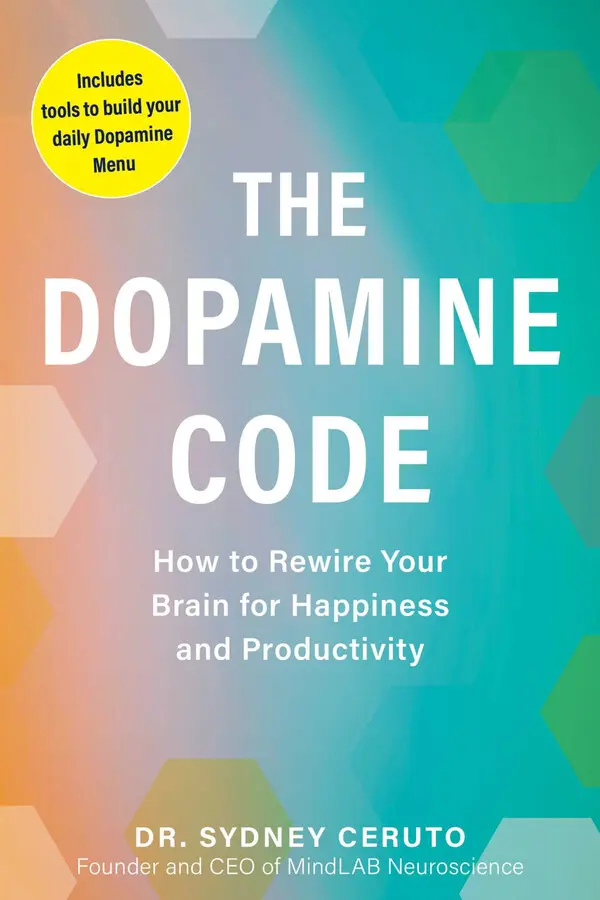
For a complete framework on the pleasure-pain balance and how to restore it, I cover the full science in my forthcoming book The Dopamine Code (Simon & Schuster, June 2026).

What Changes When the Balance Restores

As the opponent-process system recalibrates and the baseline returns toward genuine neutrality, the subjective experience shifts in ways that are difficult to anticipate from inside the imbalance. The ordinary activities that felt flat or insufficient — the walk, the conversation, the meal, the quiet hour — begin to register as genuinely pleasurable again. Not intensely, not dramatically, but proportionately. The reward system is responding to inputs that are appropriate to its design. This is what a calibrated baseline feels like: ordinary experience is sufficient to generate ordinary satisfaction.

The restlessness and irritability that characterized the periods between stimulation inputs diminish. The baseline is no longer a discomfort state requiring relief. It is a neutral state that can accommodate quiet, stillness, and the absence of stimulation without generating the urgent aversive signal that drives seeking behavior. The system no longer needs the input to feel normal. Normal feels normal.

The recalibration is not the end of wanting or motivation. The reward system’s function is to drive behavior toward outcomes that matter. When the baseline has been restored, the reward system returns to its designed function: generating motivation toward activities with genuine value, producing satisfaction proportionate to effort and outcome. Supporting the kind of sustained engagement with meaningful activity that was unavailable while the architecture was organized around compensating for a shifted baseline. That restoration is what the work is designed to produce.

Marker What You Experience What's Happening Neurologically What We Restructure
the Pleasure-Pain Balance Works The result, once the baseline has shifted, is a set of experiences that are often described in terms of mood, personality, or motivation — when the underlying mechanism is structural. Every time the reward system registers a pleasurable experience, a compensatory process activates on the pain side of the ledger — restoring equilibrium, pulling the system back toward its neutral set point. The opponent process — the brain's counterweight — does not simply neutralize each pleasure peak and reset.
Opponent-Process Trap The person does not notice the accumulation because each individual cycle feels like a return to normal. It generates the behavioral signal — seek relief — and the strength of that signal is proportionate to the depth of the discomfort. The recalibration process that would actually restore the baseline requires sustained input reduction across days or weeks.
Removing the Source Doesn't Fix This is why the initial experience of stopping is frequently worse than the baseline discomfort that preceded the decision to stop. The circuits responsible for the compensatory response have been upregulated, made more sensitive, more easily triggered, and more powerful in proportion to the number of cycles they have been called upon to complete. The most common misunderstanding about the pleasure-pain balance is that removing the high-stimulation input should restore the baseline.
Opponent-Process System and the Shifted Understanding why the baseline shifts — rather than simply snapping back when the stimulating input is reduced — requires understanding what the opponent-process system is doing at the architectural level. It is a neural response to an aversive state, organized by reward architecture that is running the same motivational circuitry it uses for genuine biological needs. This is why reducing or removing the stimulating input does not immediately restore the original baseline.
Allostatic Load: When the New The person living inside a heavily loaded allostatic baseline does not experience it as a departure from how they used to feel — they experience it as how they feel, period. The brain does not maintain the shifted baseline as a temporary holding position while waiting for conditions to normalize. My work addresses both the architectural recalibration and the experiential disorientation that accompanies it — because understanding what is happening during the recalibration process is part of what allows a person to sustain it.
the Shifted Baseline Actually Feels They describe a set of experiences that feel like personal failures or mood disorders but are architectural states: the sense that nothing is quite satisfying anymore. The architecture is in imbalance, and the brain is generating the behavioral signal appropriate to that imbalance: pursue the input that restores equilibrium. The stimulating input restores what feels like equilibrium, but what it is actually restoring is access to the pleasure side sufficient to offset the strengthened pain side.

Why Pleasure-Pain Rebalancing Matters in Lisbon

Pleasure-Pain Rebalancing in Lisbon

A significant portion of the people who arrived in Lisbon in the past five years came from environments that were generating high stimulation at unsustainable levels. The sensory density of New York or London, the professional intensity of Silicon Valley or Canary Wharf, the social and nightlife architecture of whatever city they left behind. Many of them carried a pleasure-pain imbalance that the previous environment had produced over years. And Lisbon did what they hoped it would do: the input level dropped, and for a while the baseline discomfort dropped with it.

This is a real recalibration effect. When the high-stimulation inputs that were loading the pleasure side are no longer continuously present, the opponent-process system does begin to shift back. The relief is genuine. But partial recalibration in a new environment is not the same as full recalibration. The person who moved to Lisbon with a shifted baseline has reduced the input load; they have not necessarily restored the architecture. And when Lisbon provides its own stimulation sources — Bairro Alto’s nightlife. The wine culture that is ambient and inexpensive here in a way it is not in other European capitals, the digital nomad work-hard-play-hard cycle that structures many expat social lives. The recalibration that began with the move can stall or reverse.

Lisbon’s wine culture deserves specific attention in this context because its normalization operates at a different register than the explicit party culture of South Beach or the substance-normalized finance world. Wine here is agricultural, historical, social, and priced at a level that makes quantity accessible. The opponent-process system does not apply cultural context to input. It applies frequency and intensity. The daily glass that becomes two, the dinner that extends because the wine is good and affordable, the social culture that makes not drinking carry a mild social cost. These are the precise conditions under which the opponent-process system loads without the person registering a “substance problem” in any conventional framing.

The cultural normalization of wine in Portugal creates an environment where the input accumulates across a wider range of social settings than it would in most cities. The lunch, the late afternoon, the dinner, the post-dinner. Each occasion individually unremarkable, collectively representing a daily loading pattern that the opponent-process system processes without adjustment for cultural acceptability. The person who moved to Lisbon to slow down and finds themselves drinking more than they did in their previous city is not failing at the plan. They are experiencing wine culture normalization intersecting with an opponent-process system that was already shifted before the move.

The digital nomad population generates a distinct pattern: work-hard-play-hard cycles in which the high-stimulation professional context and the high-stimulation social context reinforce each other’s pleasure-side loading. The opponent-process system is being activated on both dimensions simultaneously. Lisbon’s combination of coworking density, nightlife accessibility, and relatively low cost structure for social expenditure creates conditions where this cycle is particularly easy to maintain.

What is specific to Lisbon is the contrast: the city is genuinely calm in ways that Manhattan and London are not, and that contrast can make the internal restlessness of an imbalanced system more visible. The person who moved here for the quiet and cannot find it inside themselves. Who feels the flatness even in Alfama on a Sunday afternoon, who finds that the stimulation they sought to escape has followed them internally. Is experiencing the opponent-process system’s baseline assertion against a quieter external backdrop. My work in Lisbon addresses both what the move resolved and what it revealed.

Dr. Sydney Ceruto, PhD — Founder, MindLAB Neuroscience

Dr. Sydney Ceruto, PhD — Founder & CEO, MindLAB Neuroscience

Dr. Ceruto holds a PhD in Behavioral & Cognitive Neuroscience from NYU and two Master’s degrees from Yale University. She lectures at the Wharton Executive Development Program at the University of Pennsylvania and has been an Executive Contributor to the Forbes Coaching Council since 2019. Dr. Ceruto is the author of The Dopamine Code (Simon & Schuster, June 2026). She founded MindLAB Neuroscience in 2000 and has spent over 26 years pioneering Real-Time Neuroplasticity™ — a methodology that permanently rewires the neural pathways driving behavior, decisions, and emotional responses.

References

Solomon, R. L., & Corbit, J. D. (1974). An opponent-process theory of motivation: I. Temporal dynamics of affect. Psychological Review, 81(2), 119–145. https://doi.org/10.1037/h0036128

Koob, G. F., & Le Moal, M. (2008). Addiction and the brain antireward system. Annual Review of Psychology, 59, 29–53. https://doi.org/10.1146/annurev.psych.59.103006.093548

Frederick, S., & Loewenstein, G. (1999). Hedonic adaptation. In D. Kahneman, E. Diener, & N. Schwarz (Eds.), Well-being: The foundations of hedonic psychology (pp. 302–329). Russell Sage Foundation.

Lembke, A. (2021). Dopamine nation: Finding balance in the age of indulgence. Dutton. [Based on opponent-process and allostasis research in addiction neuroscience, including allostatic model work by Koob & Le Moal, Neuropsychopharmacology, 24(2), 97–129. https://doi.org/10.1016/S0893-133X(00)00195-0%5D

Success Stories

“The way I was processing decisions under pressure had a cost I couldn't see — until Dr. Ceruto mapped it. She identified the neural pattern driving my reactivity in high-stakes situations and restructured it at the root. I don't just perform better under pressure now. I think differently under pressure. That's not something any executive coach or performance program ever came close to delivering.”

Rob W. — Portfolio Manager Manhattan, NY

“The dopamine optimization program is unlike anything I’ve tried before. The personalized assessments revealed insights about my brain I’d never considered, and the custom dopamine menu gave me practical, science-backed strategies that actually worked. My motivation and focus have never been higher — and what surprised me most is how sustainable it is, not just a temporary boost you lose after a few weeks. If you’ve tried other approaches and hit a wall, this is the one that finally delivers real, lasting results.”

Gloria F. — Physician Sydney, AU

“Endocrinologists, sleep clinics, functional medicine — every specialist cleared me, and no one could tell me why I was exhausted every single day. Dr. Ceruto identified that my HPA axis was locked in a low-grade stress activation I couldn't feel consciously. Once that pattern was disrupted at the neurological level, my energy came back in a way that felt completely foreign. I'd forgotten what it was like to not be tired.”

Danielle K. — Luxury Hospitality Beverly Hills, CA

“When the demands of my career began negatively impacting my quality of life, I knew I needed help beyond my usual coping mechanisms. I landed on Dr. Ceruto’s name and couldn’t be happier. Her credentials are impeccable, but upon meeting her, all uneasiness dissipated immediately. She has an innate ability to navigate the particulars of your profession no matter how arcane it may be. By the middle of the first session, you’re talking to a highly intelligent and intuitive friend. She is simply that good.”

Norine D. — Attorney Newport Beach, CA

“I came to Dr. Ceruto thinking I needed help with my career, but she quickly recognized that the real roadblocks were the relationships I was choosing and how I dealt with conflict. With her support, I finally left unhealthy situations I’d struggled to end for years. She helped me identify deep-seated patterns I didn’t realize were holding me back. I never feel rushed, and she follows up with detailed written insights I reflect on for weeks. She uncovered major blockers I would never have spotted alone.”

Rachel L. — Brand Strategist Montecito, CA

“I struggled with debilitating anxiety for years, trying countless therapies and medications with little success. Finding Dr. Ceruto and her neuroscience-based approach was truly life-changing. From our very first session, her deep knowledge of brain science and how it applies to anxiety gave me real hope. What sets her apart is that perfect blend of expertise and compassion — she genuinely cared about my progress and responded quickly even outside of our scheduled sessions. I can now enjoy social situations and excel at work.”

Brian T. — Architect Chicago, IL

Frequently Asked Questions About Pleasure-Pain Rebalancing

What is the pleasure-pain balance and why does it shift?

The pleasure-pain balance is a functional feature of the brain's reward architecture — a homeostatic system that uses an opponent process to restore equilibrium after pleasurable experiences. Every significant pleasure activation triggers a compensatory pain response on the other side of the ledger. Under normal conditions, the two sides offset each other and the baseline remains stable. When the pleasure side is activated repeatedly at high intensity — through any source of consistent reward stimulation — the opponent-process system strengthens the compensatory response to maintain balance. Over time, this strengthening shifts the resting baseline toward the pain side. The person now needs the stimulating input just to feel ordinary. The shift is not a moral failure or a disorder label. It is a structural feature of how the brain's homeostatic reward system responds to chronic overload.

Why do I need stimulation just to feel normal — not even to feel good?

Because your baseline has shifted. When the opponent-process system has been strengthened by repeated pleasure-side loading, the resting state is no longer neutral — it is a mild but persistent discomfort state. The stimulating input does not produce the pleasure it once did at the same level of intensity. What it does is temporarily counterbalance the pain side that has been strengthened by chronic overloading. The subjective experience is "I need this to feel okay" rather than "I want this because it feels good" — which is the precise experiential signature of a shifted baseline. The system is no longer seeking pleasure; it is seeking relief from baseline discomfort. The distinction matters because it points directly to what the work needs to address: not the pleasure-seeking behavior itself, but the architectural shift that is driving it.

Why does the restlessness and irritability get worse when I try to stop or reduce stimulation?

Because when the stimulating input is reduced, the opponent-process system is running uncounterbalanced. The pain side of the ledger — which was strengthened by chronic pleasure-side loading — no longer has the pleasure-spike input to offset it. The restlessness, irritability, and the difficulty tolerating quiet or ordinary experience are the opponent-process system asserting itself in the absence of the counterbalancing input. This is expected and architectural, not evidence that something has gone wrong or that stopping was a mistake. The initial discomfort of input reduction is the signature of a system in the process of recalibrating. The pain side is running at its strengthened intensity, but without the continued pleasure loading, it will gradually downregulate toward baseline — if the reduction is sustained rather than interrupted by periodic reactivation.

Does this apply to behaviors as well as substances?

Yes. The opponent-process mechanism operates on reward activation, not on the specific source of that activation. Any behavior that generates consistent, significant reward-system stimulation — compulsive technology use, gambling, high-stimulation eating, sexual behavior, spending, social media — can produce the same baseline-shifting effect as substance use if the frequency and intensity are sufficient. The brain does not make a categorical distinction between the pleasure produced by a substance and the pleasure produced by a behavior. It responds to the activation level and the pattern. This is why the person who stopped drinking but replaced the stimulation with compulsive work or constant phone engagement has changed the inputs without recalibrating the architecture: the opponent-process system is still receiving the load that shifted the baseline, through a different delivery channel.

Why does ordinary life feel flat or unsatisfying even when nothing is objectively wrong?

Because the reward architecture has been calibrated to a stimulation level that ordinary experience cannot produce. When the opponent-process system has shifted the baseline upward — requiring greater pleasure activation just to reach neutral — the modest, proportionate pleasures of daily life register below the threshold that the recalibrated system can respond to with satisfaction. The meal that should be enjoyable feels insufficient. The conversation that should feel connecting feels thin. The accomplishment that should produce satisfaction feels flat. This is not depression, though it can be misdiagnosed as such. It is the specific experiential signature of a reward system calibrated above its original baseline — one that has lost the ability to respond to the inputs it was designed to respond to because those inputs are no longer sufficient to counterbalance the strengthened opponent process.

What does recalibration actually involve? Is it abstinence?

Recalibration requires a sustained period of significantly reduced input from the high-stimulation sources that have been loading the pleasure side of the balance. This is not abstinence as a moral category — it is the structural condition required for the opponent-process system to downregulate. When the pleasure-side loading stops and that reduction is sustained, the compensatory pain-side circuits that were strengthened by chronic activation gradually reduce in intensity. The baseline begins to return toward genuine neutrality. The duration required varies based on the depth of the imbalance and the consistency of the input reduction. What does not work is periodic reduction interrupted by reactivation — each reactivation event resets the recalibration clock and can deepen the opponent-process strengthening. The precision of this process — what needs to reduce, by how much, for how long, and what replaces it — is the core of the architectural work.

What does a Strategy Call involve and how do I access it?

The Strategy Call is a one-hour phone consultation — not virtual, not in person. It is a precision assessment: I evaluate your specific pleasure-pain architecture, the inputs that have been shifting your baseline, and whether my methodology is the right fit for your situation. The fee is $250. This does not apply toward any program investment. Before the call, I review what you share about your situation to confirm I can offer something specifically useful for your pattern. The call is not a formality or a preliminary step toward a sales conversation — it is a direct assessment of fit, and I will tell you honestly whether my approach addresses what you are dealing with. If it does not, I will say so.

How is this connected to the work in The Dopamine Code?

The pleasure-pain balance is one of the central mechanisms addressed in The Dopamine Code. The book provides the complete framework for how the dopamine system governs not only reward and pleasure but the opponent-process architecture that maintains balance — why the baseline shifts, what happens inside the system during recalibration, and how the reward architecture can be worked with rather than against. Dr. Ceruto covers the science in full, including what the current research on opponent-process theory and hedonic adaptation actually shows about why these patterns are so persistent and what genuine recalibration requires at the neural level. For a complete framework on the pleasure-pain balance and how to restore it, I cover the full science in my forthcoming book The Dopamine Code (Simon & Schuster, June 2026).

How is pleasure-pain rebalancing different from just cutting back or taking a break?

Cutting back and taking breaks are the surface behavior. Recalibration is the architectural outcome those behaviors are intended to produce — and that outcome depends on the precision and consistency of the process, not the intention behind it. A person who reduces stimulation for a week and then reactivates at full intensity has not recalibrated; they have experienced the initial discomfort phase and abandoned it before the opponent-process system had time to meaningfully downregulate. The distinction between cutting back and recalibrating is the distinction between managing a shifted baseline and actually moving it. The work I do is focused on the latter: understanding the full architecture of the specific imbalance, identifying all the inputs that are contributing to the pleasure-side loading, designing an input-reduction protocol that the person can actually sustain, and supporting the process through the recalibration period — including the discomfort that is both expected and informative.

Can the pleasure-pain balance actually be restored after years of chronic overloading?

Yes. The opponent-process system's strengthening is a reversible architectural change, not a permanent reconfiguration. The circuits that were upregulated by chronic stimulation can downregulate when the loading that produced the upregulation is removed and the reduction is sustained. The depth of the imbalance and the duration of the overloading affect the time required for recalibration and the precision needed in the approach — a baseline that shifted over a decade requires more careful work than one that shifted over months. But the architecture's reversibility is consistent across the research: the brain does not permanently lock in the shifted baseline in response to chronic pleasure-side loading. The recalibration capacity remains available. What varies is whether the process is designed with sufficient precision to actually access it.

Also available in: Miami · Wall Street · Midtown Manhattan · Beverly Hills

Take the First Step

The Strategy Call is a focused conversation with Dr. Ceruto that maps the specific neural mechanisms driving your concerns and determines the right path forward.

Book a Strategy Call
MindLAB Neuroscience consultation room
Locations

The Intelligence Brief

Neuroscience-backed analysis on how your brain drives what you feel, what you choose, and what you can’t seem to change — direct from Dr. Ceruto.