





Why Burnout Is Not a Rest Problem
“Burnout is not exhaustion from working too hard. It is the measurable degradation of neural systems (prefrontal executive function, dopaminergic motivation, and HPA axis stress regulation) that occurs when the brain’s recovery systems are chronically overwhelmed.”
The most persistent and damaging misconception about burnout is that it is caused by insufficient rest. This framing produces a specific failure: people take time off, return to work, and discover within weeks that the burnout is back. Nothing has changed. The exhaustion returns, the motivation does not, and the conclusion, typically, is that something is wrong with them, not with the framing.
The correct framing is architectural. Burnout is the collapse of the brain’s reward-effort calibration system: the dopamine-based circuitry that generates engagement by registering the relationship between output expended and reward received. Under normal conditions, this system creates the experience we call drive: the sense that effort is meaningful, that progress is satisfying, that the next task carries the potential for a positive return. When this system collapses, the calculus inverts. The same work that once energized now produces nothing. No satisfaction at completion. No anticipation before beginning. No recovery between tasks. The dopaminergic system has been depleted to the point where reward registration fails, and rest, which addresses physical depletion, does not restore the circuitry responsible for meaning.
The prefrontal cortex compounds the problem. Chronic workplace stress degrades prefrontal regulatory function over time, not acutely, not dramatically, but through the slow erosion of a system that was never designed to operate under continuous high-demand conditions without adequate recovery. The prefrontal cortex is responsible for emotional regulation, decision quality, inhibition of impulsive responses, and the executive functions that allow complex work to be organized and executed. When its regulatory capacity is degraded, the experience is not only exhaustion: it is a specific kind of cognitive deterioration. Decisions that once felt straightforward now feel impossible. Emotional modulation that once operated automatically now fails under minor provocation. The capacity to prioritize, to delay gratification, to maintain perspective under pressure: all of these depend on prefrontal function that burnout systematically compromises.
The Reward-Effort Collapse
The dopamine system’s role in motivation is frequently misunderstood. Dopamine is not the reward molecule: it is the anticipation molecule. It is released in response to the prediction of reward, not the receipt of it, and it is the mechanism by which the brain evaluates whether continued effort is worth the metabolic cost. When the reward-prediction signal is functioning correctly, effort is self-sustaining: the brain anticipates a positive return, generates the dopaminergic drive that initiates and sustains action, and registers the outcome in ways that calibrate future predictions.
Burnout disrupts this circuit at multiple points. Sustained output without adequate reward registration (not merely inadequate vacation, but inadequate psychological reward: recognition, meaning, progress, autonomy) progressively depletes the dopaminergic signal. The brain continues to receive demands on its output but stops registering returns on its investment. Over time, the prediction system recalibrates downward: the anticipated reward from effort decreases, the dopaminergic signal generated in anticipation of that reward decreases, and the motivational drive that the dopamine signal produced decreases with it. This is not laziness. It is a rational response by a prediction system that has updated its reward-probability estimates based on accumulated evidence that effort does not pay.
The collapse, once established, is self-reinforcing. A depleted dopaminergic system cannot generate the engagement required to initiate the tasks that would, if completed, produce the reward signals needed for recalibration. The burned-out brain is not merely tired: it is caught in a motivational architecture that has no obvious internal route to recovery. The tasks that would help require the drive the system can no longer generate. Rest addresses physical fatigue but does not restore the prediction-and-reward circuitry. The gap between the demands of the role and the capacity of the system widens until the person can no longer function in the role at all.
There is a second dimension to the reward-effort collapse that professional environments rarely discuss: the asymmetry that develops between loss sensitivity and gain sensitivity as the dopaminergic system depletes. A functioning reward system registers both positive and negative outcomes with roughly proportionate signal strength. As dopaminergic capacity declines, the system’s threat-detection arm, which runs through separate neural pathways, continues to register losses, setbacks. Criticism at full intensity, while its reward arm registers wins, recognition, and progress at progressively lower intensity. The professional in burnout is not experiencing equal emotional flatness across all inputs. They are experiencing full-register negative signal and near-zero positive signal. This asymmetry is one of the most demoralizing features of burnout, because it means that the same work that produces insufficient reward to sustain motivation also produces full-strength discouragement from every friction point. The calculus cannot balance.
Why Rest Doesn’t Fix Burnout
The prescription of rest for burnout is not incorrect: it is insufficient, and in some configurations it actively delays recovery. Physical rest addresses the somatic symptoms of depletion: the elevated cortisol, the disrupted sleep architecture, the cardiovascular and immunological consequences of sustained stress load. These are real effects and rest mitigates them. But the primary driver of the burnout experience (the motivational flatness, the inability to generate engagement, the absence of anticipatory reward) is produced by a different system entirely. The dopaminergic reward-prediction circuitry does not restore through inactivity. It requires input.
The specific input the dopamine system requires for recalibration is structured reward experience: progressively calibrated engagement with tasks that produce authentic completion signals, operate within the person’s current capacity, and generate predictable positive feedback. This is architecturally different from vacation. Vacation removes demand but does not provide the structured reward experience the dopaminergic system needs to rebuild its prediction accuracy. The person returns from vacation with reduced physical fatigue and an unchanged reward-prediction architecture. The demands of the role immediately re-engage the depleted system, and the burnout resumes within days or weeks, not because the vacation was too short, but because the vacation was addressing the wrong problem.
Extended rest compounds this dynamic for a subset of people. When the dopaminergic system is severely depleted and is also deprived of any reward-generating structure, it has no input at all for recalibration. The person who takes extended leave and discovers that the burnout is accompanied by a growing sense of purposelessness, difficulty maintaining daily structure. Increasing anxiety about return is experiencing the consequence of a reward system that is starved of the regulated input it needs to rebuild. Complete withdrawal from professional activity is not architecturally neutral. For many people, the goal is not removal of all demand: it is reduction to a sustainable load while precision work on the neural architecture proceeds in parallel.
The sleep architecture disruption that accompanies burnout adds another layer to the rest-insufficiency problem. Burnout chronically degrades sleep quality through the mechanism of elevated cortisol and elevated amygdala activation at hours when the system should be in regenerative mode. The person in burnout who is told to rest is often also a person who cannot access restorative sleep. The arousal level that chronic stress has established does not deactivate because the lights are out. Physical rest without addressing the arousal architecture produces time in bed but not the neurological recovery that sleep is supposed to provide. The solution is not more hours of insufficient sleep. It is architectural intervention at the arousal system that makes restorative sleep possible.
What Burnout Does to Identity
A second layer of the burnout architecture that is rarely addressed directly is its relationship to identity. For people whose professional identity is tightly integrated with their sense of self. And this describes a significant proportion of the individuals who develop severe burnout: the collapse of engagement is not only a productivity problem. It is an identity crisis.
The brain’s self-concept is built partly from accumulated evidence of performance. The person who is capable, competent, and effective has a neural self-model that reflects that evidence. Burnout begins to erode that model not through a single catastrophic event but through accumulating experiences of underperformance, disengagement, and the gap between who the person was and who they appear to be now. The shame that often accompanies burnout: the sense that something has gone wrong with the person, not just the system. Is partly a function of this self-model deterioration: the brain comparing current-state evidence against prior-state encoding and generating threat responses to the discrepancy.
The identity layer matters for recovery because it adds a second demand on the system precisely when the system is least able to manage it. Not only must the reward-effort calibration be rebuilt: the self-model must also be recalibrated to account for the burnout experience without encoding the burnout state as the new baseline. People who recover from burnout architecturally but carry an identity narrative of having broken often find that the recovery is fragile. The structural work and the identity work must proceed together.
What Rebuilding the Engagement Architecture Requires
Recovery from burnout that is durable rather than temporary requires working at three distinct levels simultaneously. These levels correspond to the three systems the burnout has compromised: the dopaminergic reward-prediction circuitry, the prefrontal regulatory system, and the identity architecture. Each requires a different approach, and the approaches must be sequenced and calibrated against the current state of each system, which is why generic recovery advice rarely produces lasting change. A prescription that is appropriate for a person whose dopaminergic system is moderately depleted may be counterproductive for a person whose system has collapsed entirely.
The dopaminergic work begins with accurate assessment of where the prediction system is currently calibrated. The reward-effort collapse has updated the system’s predictions downward, and the path back requires progressively recalibrating those predictions through structured engagement with tasks that produce authentic, proportionate reward signals. This is not motivational: it is architectural. The goal is not to convince the person that their work is meaningful; it is to provide the system with reward experience structured precisely enough that the prediction circuitry can begin updating its estimates. Too little structure and the system has no input for recalibration. Too much demand and the already-depleted system cannot process the input. The calibration requirement is precise, and it changes as the system recovers.
The prefrontal work requires addressing both the chronic stress load that degraded the system’s regulatory capacity and the executive function deficits that followed. Stress load reduction is the first requirement: the prefrontal system cannot rebuild regulatory capacity while the conditions that depleted it continue at the same intensity. But load reduction alone does not restore executive function; it only stops further degradation. The restoration requires targeted work on the regulatory pathways responsible for emotional modulation, decision quality, and inhibitory control. These are trainable systems, but they do not restore on a passive timeline. They require active engagement with the specific regulatory demands the person’s professional context places on them, under conditions that allow recovery between bouts of demand.
The identity work is the layer that most conventional approaches to burnout omit entirely, which is one of the reasons that architecturally successful recoveries sometimes produce people who remain fragile. A person who has experienced severe burnout has accumulated significant evidence that their prior self-model was wrong: they overestimated their capacity, underestimated the demands, or failed to recognize the depletion accumulating beneath the performance. The self-model update that burnout forces is not optional; the brain will make it. The question is whether it is made accurately or catastrophically. An accurate update integrates what the burnout revealed: about the system’s actual capacity limits, about the conditions that produced the collapse, about what the person requires to function sustainably. Without encoding the burnout state as the permanent baseline. A catastrophic update generates the conclusion that the person is broken, permanently limited, or fundamentally different from who they were. The identity work is the process of building the accurate update.

What this work is not: it is not behavioral coaching, it is not mindfulness as a burnout intervention, and it is not the accumulation of productivity strategies applied to a system that cannot use them. These approaches are not wrong: they are operating at the wrong level. The burned-out professional who genuinely requires architectural reconstruction will not be served by better time management. The system that organizes, prioritizes, and executes needs to be rebuilt before the strategies for using it become relevant. The sequence matters. Architecture first, strategy second. Recalibration before optimization.
The Recalibration That Burnout Requires
Recovery from burnout (genuine recovery, not temporary symptom management) requires working at the level of the neural architecture responsible for the collapse. The dopaminergic system’s reward-prediction circuitry needs to be recalibrated, which means rebuilding the brain’s ability to register reward from effort in ways that the prediction system updates accurately. The prefrontal system’s regulatory capacity needs to be restored, which means addressing the chronic stress load that degraded it and rebuilding the executive function that supports sustained, complex work. The identity architecture needs to be reconstructed around an accurate model of what occurred and what recovery represents.
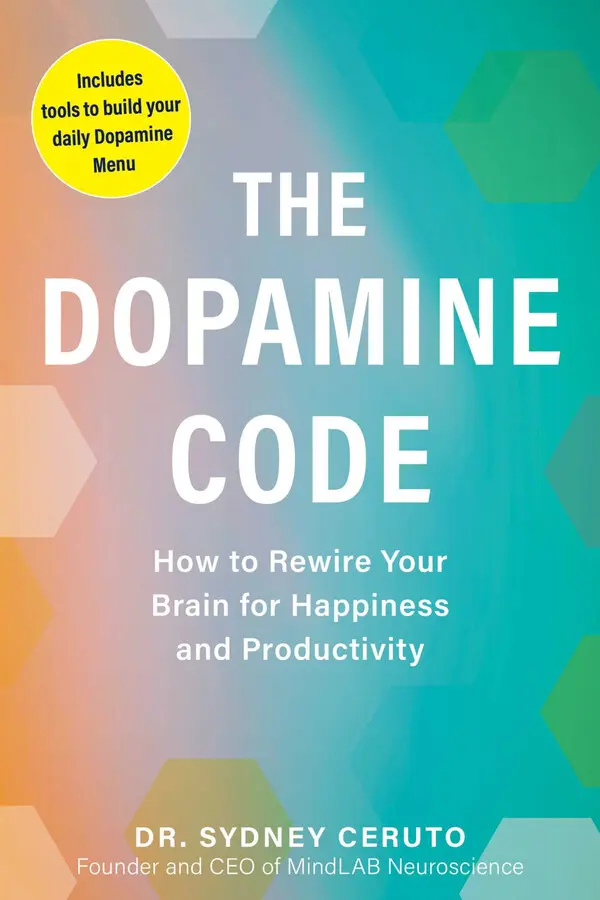
None of these changes happen through insight alone, because the systems responsible for the collapse operate below the level of conscious reasoning, and understanding why they failed does not restore them. The path forward is architectural work: precisely targeted interventions at the level of the systems responsible for reward registration, regulatory capacity, and self-model accuracy. When these systems recalibrate, work becomes possible again, not because the demands have decreased. Because the brain has rebuilt the capacity to meet them without collapsing under the weight of its own reward-prediction failure. The architecture that sustained engagement has collapsed. The system that once generated drive from the work itself has been depleted to the point where the same inputs produce nothing. This is not a phase. It is not insufficient vacation. It is the reward-effort calibration running in a state it was never designed to sustain. The recalibration is specific, measurable, and possible. When the dopamine system has been running in depletion for months or years, the person does not need motivation. They need architectural restoration: the rebuilding of the reward circuitry that makes engagement neurologically possible again. For a complete framework on how the brain’s pleasure-pain balance collapses under chronic demand and how to restore it, I cover the full science in my book The Dopamine Code (Simon & Schuster, June 2026).
The starting point is always assessment, not motivational assessment, not coaching intake, but a precise account of where each of the three systems currently sits. The depth of dopaminergic depletion determines the pace and structure of the reward-recalibration work. The degree of prefrontal degradation determines how much stress load reduction is required before restoration becomes possible. The configuration of the identity disruption determines what the self-model work needs to address and in what sequence. No two people arrive at burnout through identical paths, and no two architectures require identical reconstruction. The approach is built around the specific neural state the person presents, not around a generic burnout protocol applied to a category of complaint. This is the distinction between managing burnout and resolving it, and it is the distinction that determines whether the recovery holds.
For deeper context, explore cognitive distortions driving workplace burnout.