Why This Matters in Westchester County
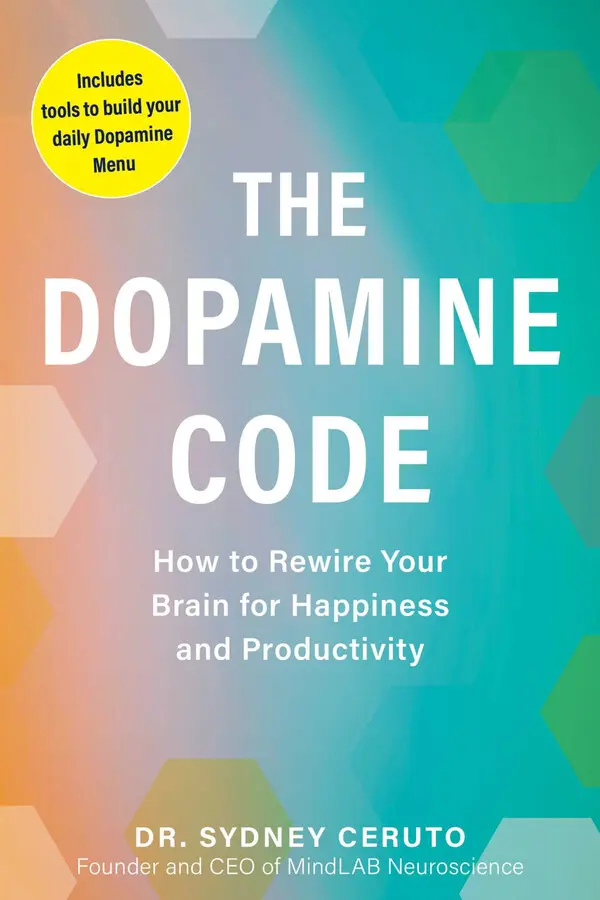
Westchester County’s business-development landscape is shaped by a professional population whose neural architecture was built in high-intensity environments (Midtown trading floors, Manhattan litigation firms, city-based medical practices) and who now apply that cognitive infrastructure to entrepreneurial or growth-stage ventures from a suburban base. Dr. Sydney Ceruto’s business-development work addresses the neurological dimension of scaling, networking, and strategic growth: how the brain’s reward system sustains drive through the slow-building phases of development, how the prefrontal system manages risk calculation when personal financial architecture is deeply entangled with business outcomes, and how the dopaminergic circuitry responds to entrepreneurial uncertainty in an environment calibrated for stability.
The Westchester entrepreneur or business-development professional faces a specific neural challenge that Dr. Ceruto identifies as the stability-growth conflict. The communities of Scarsdale, Rye, and Chappaqua were selected for their predictability: excellent schools, safe neighborhoods, reliable property values. The brain adapted to this environment, downregulating its risk-tolerance architecture to match. Business development, however, requires the opposite neural posture: comfort with uncertainty, willingness to absorb short-term loss for long-term gain, and sustained dopaminergic activation in the absence of immediate reward signals. The environment selected for its stability actively works against the neural states that business growth demands.
Dr. Ceruto’s approach to business development in the Westchester context integrates the neurological variables that conventional business strategy ignores. The networking patterns available through Westchester’s professional communities (country club connections, school-parent networks, Metro-North acquaintance circles) represent a specific social architecture with both strengths and constraints. The prefrontal system processes these networks differently than cold-market outreach: the social-evaluation circuitry weighs reputation risk more heavily when the business contact will also be present at Saturday’s school fundraiser. Dr. Ceruto’s work maps how these overlapping social-professional neural calculations affect business-development behavior, identifying where the brain’s protective architecture is supporting smart risk management and where it is blocking growth that the individual’s cognitive capacity could otherwise sustain.