Why This Matters in Nassau County
Nassau County’s family architecture is defined by a specific investment structure. The decision to live in Great Neck, Jericho, Syosset, or Manhasset is rarely accidental: it is a calculated commitment to a particular vision of family life built around school district rankings, community infrastructure, and the social scaffolding that affluent Long Island provides. When that architecture encounters a transition (a divorce, a child leaving for college, a career disruption, a parent’s decline, or the quiet recognition that the family structure is not producing the internal experience it was designed to create) the neurological impact is proportional to the investment. The more identity capital a person has deposited in the Nassau County family structure, the more destabilizing it is when that structure shifts.
The empty-nest transition hits Nassau County with particular force because of how much of the community’s social architecture is organized around children’s activities and academic trajectories. The parent in Roslyn or Garden City whose social life, daily schedule, and core identity have been structured around school involvement, sports logistics, and college preparation encounters a sudden vacuum when the last child leaves. The neural pathways that organized daily life around parenting demands do not automatically redirect. The prefrontal system that spent fifteen years managing a child’s competitive academic trajectory is now searching for an object of equivalent engagement and finding the remaining environment insufficient.
Divorce in Nassau County’s affluent communities carries specific architectural consequences. The social infrastructure of the North Shore (the couples’ dinners, the family-oriented community events, the shared school-parent networks) was built for intact family units. The person navigating divorce in Manhasset or Old Westbury is simultaneously processing the internal disruption and losing access to social infrastructure that was never designed to accommodate their new status. The financial complexity common in Nassau County households (real estate holdings, business interests, professional practices) transforms family transition into a multi-front neurological event.
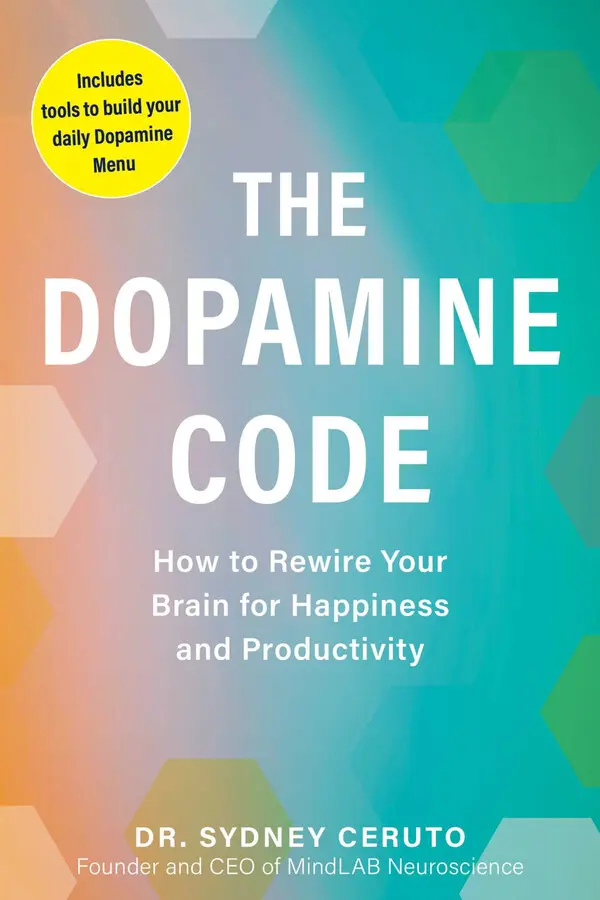
Dr. Ceruto works with Nassau County families and individuals navigating transitions by addressing the specific neural architecture that this environment builds and what happens when that architecture encounters structural change. The question is not how to survive the transition but how to rebuild an internal architecture that functions independently of the external structure that previously organized it.