







Key Points
- Midtown's professional pace trains the brain to process relationships with the same efficiency it applies to work, collapsing emotional range into transactional dynamics.
- The neural circuits for novelty-driven connection and sustained emotional investment are separate systems. Strength in one does not guarantee capacity in the other.
- High-density professional environments keep the brain in a vigilance state that neurologically conflicts with the openness required for deep personal connection.
- Real-Time Neuroplasticity™ expands neural capacity for relational engagement without dismantling the architecture that drives professional effectiveness.
- Understanding a relationship pattern intellectually and changing the neural circuits that produce it are entirely different processes requiring different interventions.
| Marker | Traditional Approach | Neuroscience-Based Approach | Why It Matters |
|---|---|---|---|
| Primary Focus | Relationship Pattern Analysis | Talk-Based Counseling | Relationship Workshops |
| Target | Neural circuits producing repetition | Conscious beliefs and narratives | Communication techniques |
| Methodology | Real-Time Neuroplasticity™ | Conversational exploration | Group exercises and role-play |
| Durability of Change | Durable neural rewiring | Requires ongoing reinforcement | Fades within weeks |
| Personalization | Mapped to your specific circuitry | Guided by practitioner's framework | Generic group format |
| Speed of Results | Shifts within weeks | Months to years | Temporary at best |
How Midtown Manhattan’s Pace Rewires Relationship Circuitry
Midtown operates at a speed that reorganizes the brain around efficiency. From the publishing houses near Rockefeller Center to the corporate offices lining Park Avenue and the media companies clustered around Times Square, the professional environment demands rapid context-switching, strategic communication, and relentless output. The neural circuits strengthened by this daily rhythm begin to govern every domain of life, including the relationships that are supposed to offer something entirely different from work. A person who spends ten hours a day optimizing outcomes does not arrive home and switch to a different neural mode. The same architecture that drove the afternoon meeting drives the evening conversation with a partner.
The pattern reveals itself in predictable ways across Midtown’s social geography. Dinners in Hell’s Kitchen or the Theater District become networking extensions. Weekend plans in Central Park carry an agenda, even if the agenda is unconscious. Conversations with partners start to resemble status meetings: efficient, outcome-oriented, and devoid of the unstructured emotional space that genuine connection requires. The person experiencing this rarely recognizes it because Midtown’s culture normalizes exactly this kind of relational efficiency. When everyone around you processes relationships at the same speed, the architecture feels like personality rather than adaptation.
For those who live and work between Bryant Park and Columbus Circle, the density of professional ambition in the surrounding environment reinforces these patterns continuously. Every elevator conversation, every lunch at a Sixth Avenue restaurant, every post-work drink near Grand Central operates on the same transactional circuitry. The brain does not build separate relationship architecture for personal life because the same neural pathways fire in both contexts. A person whose day runs from breakfast meetings in Murray Hill to late evenings near Penn Station has no relational experience that challenges the efficiency-first architecture. The neural circuits for slower, deeper engagement atrophy from disuse. The brain adapts to what it does most, and what it does most in Midtown is perform.
The physical density of Midtown adds a neurological dimension that compounds the pattern. Constant stimulation from crowds, noise, and the presence of thousands of people in every block keeps the brain in a low-grade state of alertness. This vigilance state, while functional for navigating busy streets and packed schedules, conflicts directly with the neural relaxation required for emotional vulnerability. The brain cannot simultaneously scan for threats and open itself to intimacy. People who live and work in this environment often describe feeling unable to relax at home, even when nothing is wrong. The architecture built for Midtown’s pace does not have an off switch because it was never designed to need one.
Real-Time Neuroplasticity™ addresses this directly. Dr. Sydney Ceruto maps the specific circuits that have collapsed your relational range into a single efficiency-driven mode and builds new neural architecture that allows genuine emotional engagement without sacrificing professional effectiveness. The result is not a softer version of you. It is an expanded one, capable of operating at Midtown speed professionally while maintaining the slower, deeper circuitry that close relationships demand.

Dr. Sydney Ceruto, PhD, Neuroscientist & Author, MindLAB Neuroscience
Dr. Ceruto holds a PhD in Behavioral & Cognitive Neuroscience from NYU and Master’s degrees in Clinical Psychology and Business Psychology from Yale University. She lectures at the Wharton Executive Development Program at the University of Pennsylvania and has been an Executive Contributor to the Forbes Coaching Council since 2019. Dr. Ceruto is the author of The Dopamine Code (Simon & Schuster, June 2026). She founded MindLAB Neuroscience in 2000 and has spent over 26 years leading it, pioneering Real-Time Neuroplasticity™, a methodology that durably rewires the neural pathways driving behavior, decisions, and emotional responses.
Frequently Asked Questions About Relationship Pattern Analysis
What is Relationship Pattern Analysis?
Relationship Pattern Analysis maps the recurring neural circuits that produce the same relational dynamics with different people. It identifies the architecture driving repetition and targets it for durable rewiring.
How does living and working in Midtown affect relationships?
Midtown's professional density and pace reinforce neural circuits built for efficiency, strategic communication, and rapid task-switching. Those circuits migrate into personal relationships, producing dynamics that feel managed rather than experienced.
I can connect easily at work events but struggle in personal relationships. Why?
Professional socializing and intimate connection activate different neural circuits. Midtown's environment strengthens the architecture for strategic, goal-oriented interaction while the circuits for unstructured emotional vulnerability weaken from disuse.
What happens during the Strategy Call?
The Strategy Call is a focused phone conversation with Dr. Ceruto. She maps the neural mechanisms behind your specific relationship patterns and determines whether this approach is the right path forward for your situation.
How is this different from seeing someone to talk about my relationships?
Talk-based approaches work at the level of conscious narrative. Relationship Pattern Analysis works at the level of neural architecture. Understanding a pattern and changing the circuitry that produces it are fundamentally different processes.
Can the constant stimulation of Midtown worsen relational patterns?
Yes. High-density environments with constant professional stimulation, like the blocks between Herald Square and Central Park South, keep the brain in a state of vigilance that conflicts with the neural relaxation required for emotional openness.
How long does the process take?
Initial shifts in automatic relational responses typically emerge within the first several weeks. The complete rewiring of deeply embedded patterns varies, but Real-Time Neuroplasticity™ works faster than approaches that depend on insight alone.
Will this affect my professional performance?
The process expands neural capacity rather than replacing existing architecture. Professional sharpness remains intact while new circuitry for genuine relational engagement is built alongside it.
My relationships always start strong but deteriorate. What causes that?
The neural circuits for novelty-driven engagement and the circuits for sustained emotional investment are different systems. Many people have strong architecture for the initial phase of connection but underdeveloped circuitry for the demands of deepening intimacy.
What are Dr. Ceruto's qualifications?
Dr. Ceruto holds a PhD in Behavioral and Cognitive Neuroscience from NYU and two Master's degrees from Yale. She founded MindLAB Neuroscience in 2000 and has over 26 years of experience pioneering Real-Time Neuroplasticity™.
Also available in: Miami · Wall Street · Beverly Hills · Lisbon
Take the First Step
One hour with Dr. Sydney Ceruto. You leave knowing which neural pattern is actually driving this, and what to do about it.
Book a Strategy Call
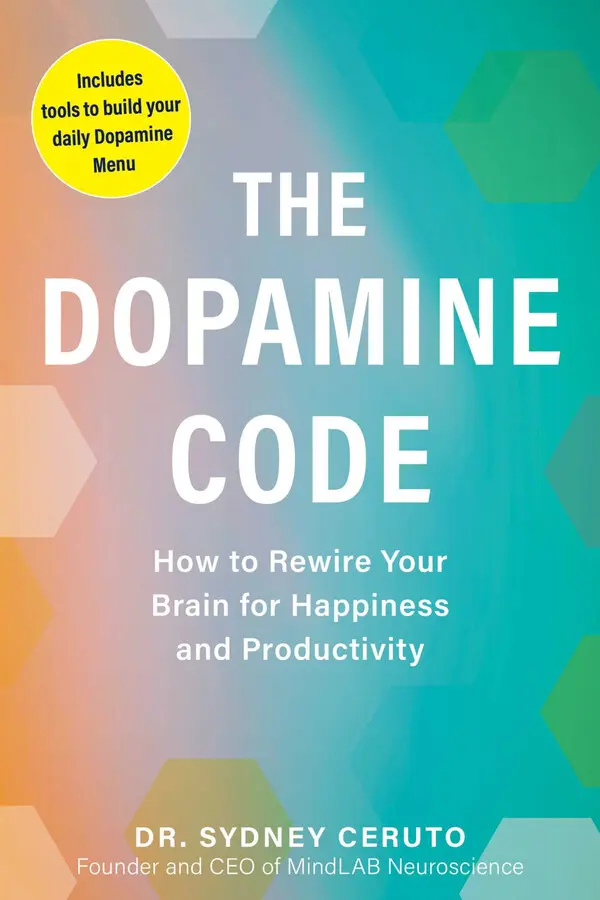
The Dopamine Code
Decode Your Drive
Why Your Brain Rewards the Wrong Things
Your brain's reward system runs every decision, every craving, every crash, and it was never designed for the life you're living. The Dopamine Code is Dr. Ceruto's framework for understanding the architecture behind what drives you, drains you, and keeps you locked in patterns that willpower alone will never fix.
Published by Simon & Schuster, The Dopamine Code is Dr. Ceruto's framework for building your own Dopamine Menu, a personalized system for motivation, focus, and enduring life satisfaction.
Order Now!Available now