Business Management Consulting Through a Neuroscience Lens in Bergen County
Bergen County’s business leaders operate inside a specific management challenge that conventional consulting does not reach. The executive managing teams from Tenafly or Ridgewood — traveling to Manhattan, sustaining high-stakes decisions across a ten-hour day, and returning to Bergen County with depleted regulatory resources — is not struggling with management technique. The prefrontal system that governs decision-making, conflict resolution, and strategic thinking has a daily capacity that the area’s demands systematically exceed. The management failures that emerge — the meeting where judgment was poor, the personnel decision that was reactive, the strategic choice that in retrospect was obviously wrong — are not competence problems. They are resource depletion problems operating at the neurological level.
The dual-income executive household that Bergen County concentrates creates a specific management dynamic. The leader whose domestic environment is itself a management challenge — coordinating schedules, managing children’s trajectories through Bergen County Academies or Ridgewood’s school system, sustaining a relationship with a partner who carries equivalent professional demands — is allocating executive function across two full management contexts. The conventional business consultant who addresses the professional context in isolation is working with half the picture. The neural resources are shared. The depletion is cumulative across both domains.
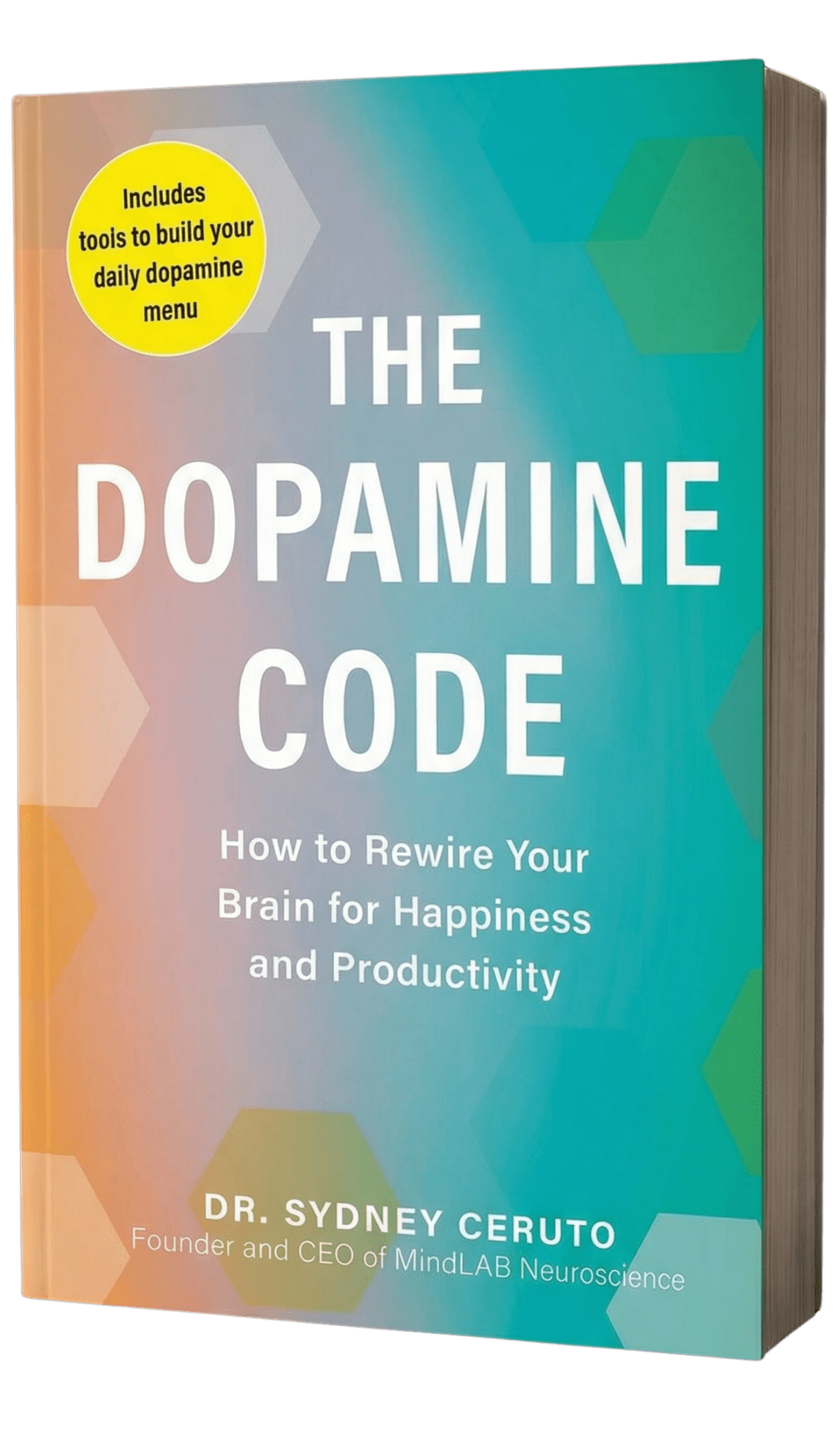
Dr. Ceruto’s approach to business management consulting addresses the neurological architecture that produces management capability. The executive whose decision quality degrades predictably by mid-afternoon, whose conflict tolerance drops after the daily travel, whose strategic thinking narrows under accumulated stress is experiencing specific, identifiable patterns in prefrontal function, dopaminergic engagement, and regulatory capacity. Dr. Ceruto designs interventions that address these patterns directly — optimizing the neural systems that produce management judgment rather than layering additional management frameworks onto a system that is already operating beyond its regulatory capacity.