| Marker | Traditional Approach | Neuroscience-Based Approach | Why It Matters |
|---|---|---|---|
Why Personal Identity Reconstruction Matters in Bergen County
Bergen County: Where the Responsible Life Eclipses the Person Living It
Bergen County is a place where responsibility is the organizing principle. The good schools in Ridgewood. The solid neighborhoods in Tenafly. The sensible commute from Glen Rock or Ho-Ho-Kus. The entire architecture of daily life is designed around meeting obligations — to children, to career, to community, to the specific version of adult life that Bergen County rewards. And within that architecture, a specific kind of identity dissolution happens so gradually that the person experiencing it often does not recognize it until decades have passed.
The Korean American community across Bergen County — concentrated in Fort Lee, Palisades Park, and Englewood Cliffs — navigates identity reconstruction through a cultural lens that makes the disruption particularly complex. The person who grew up between two cultural frameworks often reaches adulthood with an identity architecture that was never fully resolved. Korean family values and American social values created competing inputs that the brain never integrated into a single self-concept. The pressure to honor family expectations while building an individual life creates a self-referencing system that is permanently split. Both identities receive partial reinforcement. Neither consolidates completely. The result is a sustained sense of not fully belonging in either context.
The daily transit identity split is Bergen County’s most pervasive pattern. The professional who crosses the George Washington Bridge or rides NJ Transit daily into Manhattan lives between two identity frameworks that receive alternating reinforcement. The Manhattan professional self — ambitious, decisive, externally calibrated — and the Bergen County home self — present, measured, community-integrated — are maintained by different neural circuits activated by different environments. The daily transit between them prevents either identity from fully consolidating because the brain requires sustained, consistent environmental input to build stable self-referencing architecture.
Ridgewood’s particular community culture creates identity pressure through a specific mechanism: the visible expectation that parents — and especially mothers — will organize their identity around their children’s development. The school system is excellent. The community rallies around academic and athletic achievement. For the parent whose self-concept was organized around professional competence, creative output, or independent ambition, this environment creates a sustained recalibration pressure. The brain begins building identity around what the community rewards, which may not align with what the person internally values. The resulting identity is functional in context but hollow in quiet moments.
Tenafly and Alpine attract families at a specific wealth threshold where the identity questions become different in character. When material needs are comprehensively met, the brain loses one of its most basic identity-organizing frameworks: the need to provide. The question shifts from “can I handle this?” to “who am I if I do not need to handle anything?” For someone whose identity was built around capability and output, the absence of financial pressure does not produce peace. It produces an identity vacuum that the environment does not spontaneously fill.
The recently divorced population in Bergen County faces identity reconstruction in communities designed around family units. Hackensack, Paramus, and the surrounding towns organize social infrastructure around schools, family activities, and couple-based participation. When a partnership ends, the social identity that was maintained by that framework dissolves alongside the relationship. The person remains in the same community but the community now relates to them differently. The brain receives a changed social signal that the self-referencing system must recalibrate against — a process that is painful, slow, and often compounded by the visibility of the change in a close-knit suburban environment.
Dr. Ceruto works with people across Bergen County who recognize this pattern — the sense that the responsible, functional life they built has become something they perform rather than inhabit. Real-Time Neuroplasticity™ targets the self-referencing circuits directly, building identity architecture that reflects who the person is rather than who the environment shaped them to be. A Strategy Call is a phone conversation — $250 — the first step toward understanding what the brain built, what has eroded, and what reconstruction actually requires.

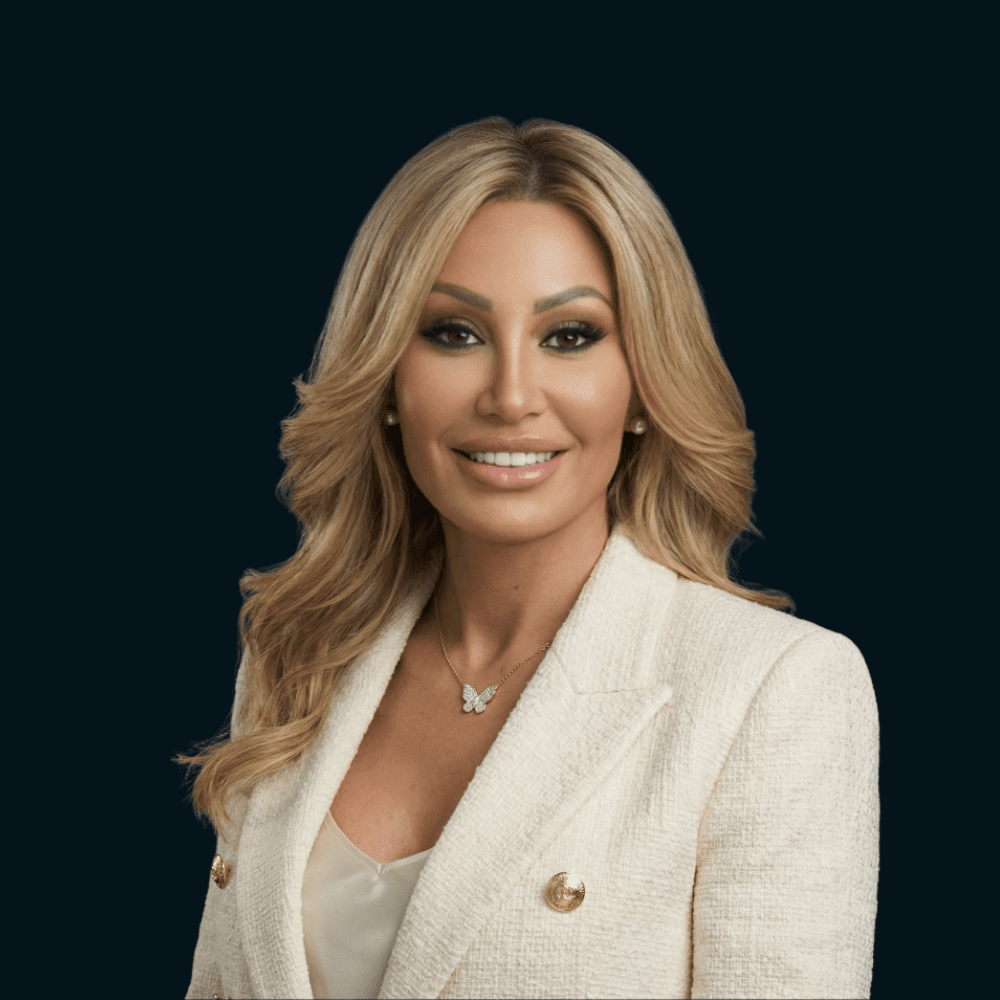
Dr. Sydney Ceruto, PhD — Founder & CEO, MindLAB Neuroscience
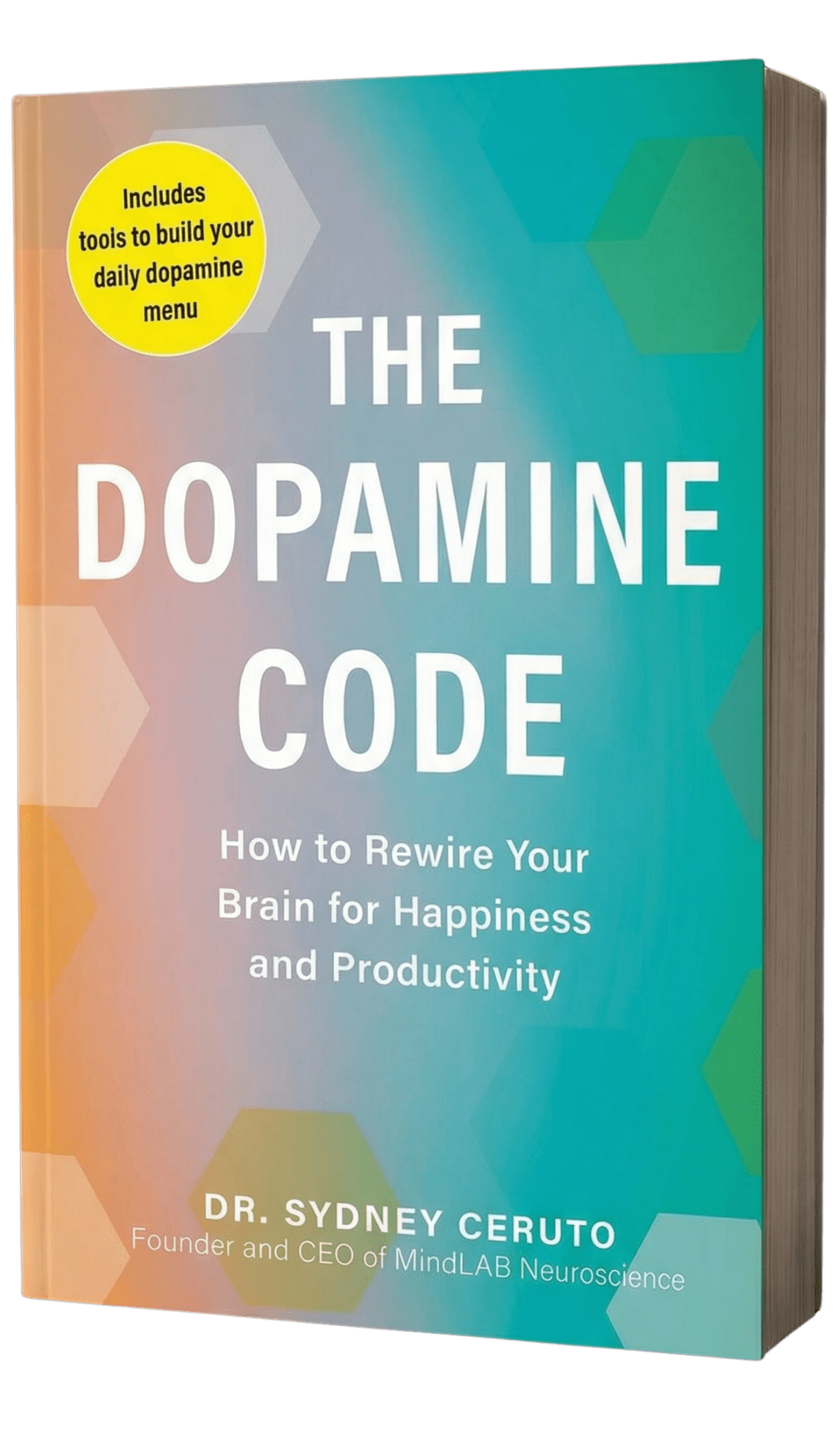
Dr. Ceruto holds a PhD in Behavioral & Cognitive Neuroscience from NYU and two Master’s degrees from Yale University. She lectures at the Wharton Executive Development Program at the University of Pennsylvania and has been an Executive Contributor to the Forbes Coaching Council since 2019. Dr. Ceruto is the author of The Dopamine Code (Simon & Schuster, June 2026). She founded MindLAB Neuroscience in 2000 and has spent over 26 years pioneering Real-Time Neuroplasticity™ — a methodology that permanently rewires the neural pathways driving behavior, decisions, and emotional responses.
Frequently Asked Questions About Personal Identity Reconstruction in Bergen County
Also available in: Miami · Wall Street · Midtown Manhattan · Beverly Hills · Lisbon
Take the First Step
The Strategy Call is a focused conversation with Dr. Ceruto that maps the specific neural mechanisms driving your concerns and determines the right path forward.
Book a Strategy Call
The Dopamine Code
Decode Your Drive
Why Your Brain Rewards the Wrong Things
Your brain's reward system runs every decision, every craving, every crash — and it was never designed for the life you're living. The Dopamine Code is Dr. Ceruto's framework for understanding the architecture behind what drives you, drains you, and keeps you locked in patterns that willpower alone will never fix.
Published by Simon & Schuster, The Dopamine Code is Dr. Ceruto's framework for building your own Dopamine Menu — a personalized system for motivation, focus, and enduring life satisfaction.
Order NowShips June 9, 2026