Key Points
- Beverly Hills environments reward impression management, reinforcing neural circuits that prioritize curated presentation over genuine emotional access in relationships.
- Partner selection is a neural process, not coincidence. The brain's architecture unconsciously filters for people who activate familiar relational dynamics.
- Wealth and access remove external friction from life but insulate unhealthy relational patterns from the disruption that might otherwise force change.
- Relationships that function well publicly while failing privately indicate separate neural systems for social performance and emotional intimacy.
- Real-Time Neuroplasticity™ permanently rewires the circuits producing repetitive relationship dynamics rather than managing them through ongoing conversation.
| Marker | Traditional Approach | Neuroscience-Based Approach | Why It Matters |
|---|---|---|---|
| Primary Focus | Relationship Pattern Analysis | Talk-Based Counseling | Wellness Retreats |
| Target | Neural circuits driving repetition | Conscious narratives and feelings | Stress reduction and reflection |
| Methodology | Real-Time Neuroplasticity™ | Conversational exploration | Guided relaxation and workshops |
| Durability of Change | Permanent neural rewiring | Requires ongoing sessions | Effects fade within days |
| Personalization | Mapped to your specific architecture | Guided by practitioner framework | Generic group programming |
| Speed of Results | Shifts within weeks | Months to years | Temporary emotional relief |
Why Relationship Pattern Analysis Matters in Beverly Hills
How Beverly Hills Culture Shapes Relationship Architecture
Beverly Hills operates on a social architecture built around visibility, influence, and curated presentation. From the business managers and entertainment attorneys along Wilshire Boulevard to the families in the flats south of Sunset and the estates above Coldwater Canyon, relationships here form within an environment that assigns extraordinary weight to how things appear. The neural circuits reinforced by years of navigating this landscape optimize for impression management at the expense of genuine emotional access. Every social interaction, from a dinner party in Trousdale Estates to a casual encounter on Canon Drive, activates architecture calibrated for performance rather than vulnerability.
The pattern manifests distinctly in this community. Relationships initiated at events in the Golden Triangle or through professional circles in Century City carry implicit status assessments that the brain processes automatically. A person whose neural architecture was shaped by environments rewarding performance and appearance will select partners, friends, and associates who reinforce that same circuitry. The specific people change. The underlying dynamic persists because the architecture choosing them has not. Someone who consistently attracts partners focused on image is not making bad choices. Their neural circuitry is filtering for familiarity, and in Beverly Hills, the environment provides an endless supply of people whose architecture matches and reinforces the pattern.
In neighborhoods stretching from Bel Air to Holmby Hills and into the Westside, wealth and access create an additional layer that insulates patterns from natural consequences. When resources remove most external friction from life, the relational patterns that remain become more visible and more painful. Someone who can solve every logistical problem with a phone call but cannot sustain emotional closeness with the people who matter most is confronting a neural architecture issue, not a resource issue. In Beverly Hills, the impulse to solve relational problems through optimization, whether that means a better vacation, a remodeled house, or a new experience, reinforces the avoidance circuitry because it substitutes action for vulnerability. The brain learns that discomfort in relationships can be managed rather than felt, and that management strategy becomes the architecture governing every future conflict.
The entertainment and talent management ecosystem that radiates from Beverly Hills and into the surrounding Westside creates relational dynamics built on perception rather than substance. People whose professional lives require constant calibration of how they are perceived carry that calibration into intimate relationships. The neural circuits for authenticity and the circuits for performance cannot both operate at full capacity simultaneously. Over years, the performance architecture dominates because it receives more reinforcement from the surrounding environment. The person inside the performance experiences increasing isolation even as their social calendar fills, because the architecture connecting them to others is optimized for impression rather than intimacy.
Dr. Ceruto’s Real-Time Neuroplasticity™ works directly with this architecture. Rather than spending years exploring the narrative origins of your patterns, the process identifies the specific circuits governing how you select, engage with, and ultimately disconnect from the people in your life. The rewiring is permanent, producing a fundamental shift in relational capacity that no amount of lifestyle optimization can replicate.


Dr. Sydney Ceruto, PhD — Founder & CEO, MindLAB Neuroscience
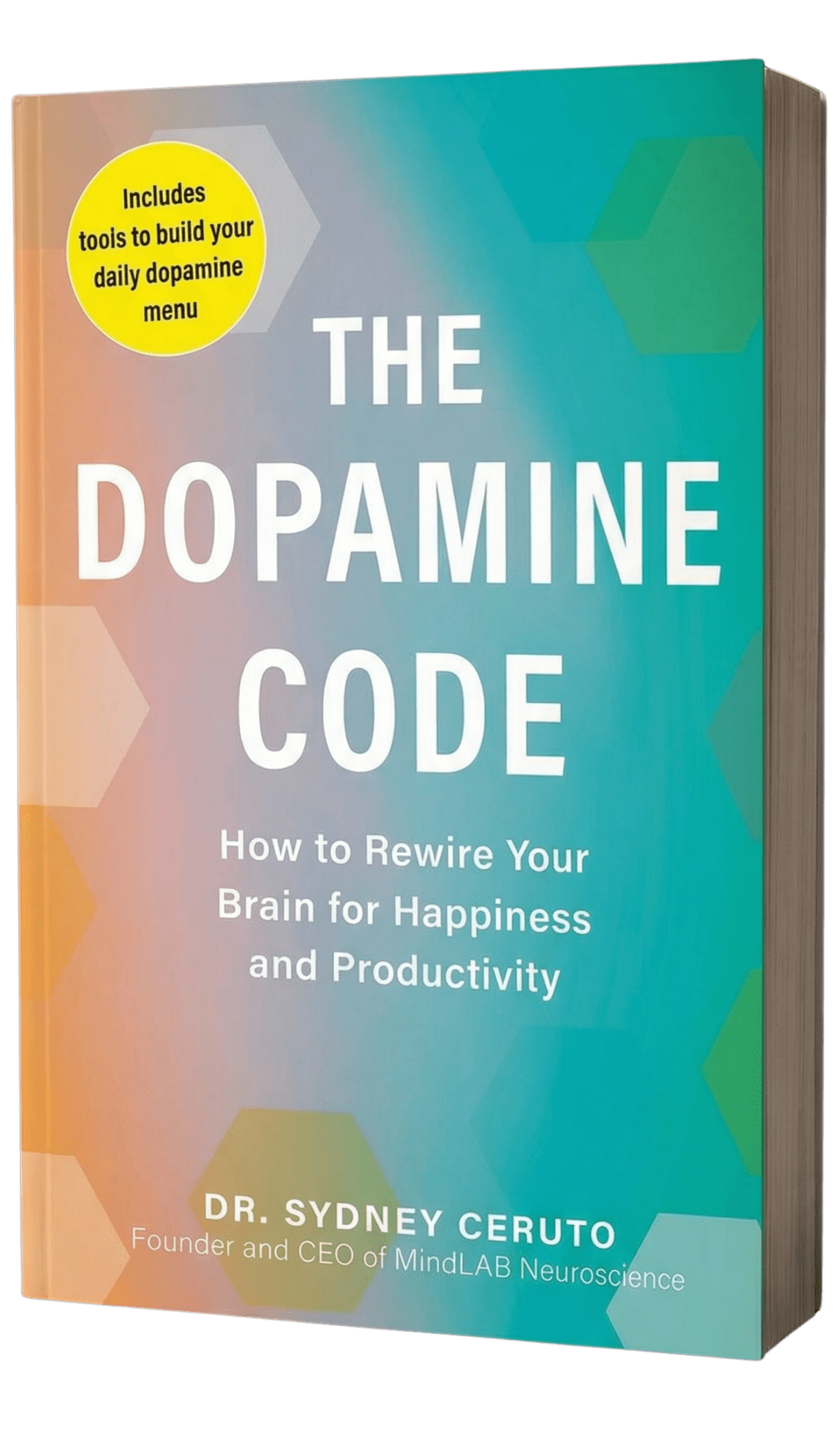
Dr. Ceruto holds a PhD in Behavioral & Cognitive Neuroscience from NYU and two Master’s degrees from Yale University. She lectures at the Wharton Executive Development Program at the University of Pennsylvania and has been an Executive Contributor to the Forbes Coaching Council since 2019. Dr. Ceruto is the author of The Dopamine Code (Simon & Schuster, June 2026). She founded MindLAB Neuroscience in 2000 and has spent over 26 years pioneering Real-Time Neuroplasticity™ — a methodology that permanently rewires the neural pathways driving behavior, decisions, and emotional responses.
Frequently Asked Questions About Relationship Pattern Analysis
What is Relationship Pattern Analysis?
It maps the recurring neural circuits that drive the same relational dynamics across different people and contexts. The focus is on the underlying architecture producing repetition, not on individual relationship histories.
How does Beverly Hills culture contribute to relationship patterns?
Environments that reward curated presentation and impression management reinforce neural circuits that prioritize appearance over emotional authenticity. Over time, the brain optimizes for these surface-level dynamics, making genuine vulnerability feel unsafe.
Why do I keep attracting the same type of person?
Selection is neural, not coincidental. The brain's pattern-recognition circuits unconsciously filter for people who activate familiar relational architecture. You are not attracting the same type. Your neural architecture is selecting for the same dynamic.
I have access to the best resources. Why can't I fix this?
Resources address logistical and environmental problems. Relationship patterns are embedded in neural architecture that operates beneath conscious choice. No amount of external optimization reaches the circuits actually producing the pattern.
What happens during the Strategy Call?
The Strategy Call is a focused phone conversation with Dr. Ceruto. She maps the specific neural mechanisms behind your relationship patterns and determines whether this approach is appropriate for your situation. The call costs $250.
Is this relevant if my relationships look fine from the outside?
Many people in Beverly Hills maintain relationships that function well publicly while experiencing profound disconnection privately. The neural architecture for social performance and the architecture for emotional intimacy are separate systems. Surface functionality does not indicate relational health.
How long before I notice changes?
Most people experience shifts in automatic relational responses within the first several weeks. Deep architectural rewiring varies, but Real-Time Neuroplasticity™ produces faster results than approaches relying on conversational insight alone.
Can wealth and privilege actually make relationship patterns worse?
When external friction is removed, unhealthy relational circuits face fewer natural consequences and persist longer. Wealth can insulate patterns from the disruption that might otherwise force change, allowing the architecture to deepen unchallenged.
How does this differ from what I would get on Rodeo Drive?
Relationship Pattern Analysis is not a wellness offering. It is a neuroscience-based process that maps and permanently rewires the specific neural circuits sustaining your patterns. There is no meditation component, no journaling, and no affirmations.
What are Dr. Ceruto's credentials?
Dr. Ceruto holds a PhD in Behavioral and Cognitive Neuroscience from NYU, two Master's degrees from Yale, and lectures at Wharton's Executive Development Program. She founded MindLAB Neuroscience in 2000 and has over 26 years of experience with Real-Time Neuroplasticity™.
Also available in: Miami · Wall Street · Midtown Manhattan · Lisbon
Take the First Step
The Strategy Call is a focused conversation with Dr. Ceruto that maps the specific neural mechanisms driving your concerns and determines the right path forward.
Book a Strategy Call
The Dopamine Code
Decode Your Drive
Why Your Brain Rewards the Wrong Things
Your brain's reward system runs every decision, every craving, every crash — and it was never designed for the life you're living. The Dopamine Code is Dr. Ceruto's framework for understanding the architecture behind what drives you, drains you, and keeps you locked in patterns that willpower alone will never fix.
Published by Simon & Schuster, The Dopamine Code is Dr. Ceruto's framework for building your own Dopamine Menu — a personalized system for motivation, focus, and enduring life satisfaction.
Order NowShips June 9, 2026