| Marker | Traditional Approach | Neuroscience-Based Approach | Why It Matters |
|---|---|---|---|
Why Personal Identity Reconstruction Matters in Greenwich, CT
Greenwich Identity: When Exceptional Lives Produce Invisible Crises
Greenwich does not produce the kind of identity disruption that announces itself. There is no visible crisis. The home on Round Hill Road or in Belle Haven is maintained. The children attend the right schools. The professional trajectory continues along its expected arc. The identity dissolution happens underneath all of that — quietly, over months or years, until the person living inside the exceptional structure realizes they can no longer locate themselves within it.
The hedge fund and private equity professionals who constitute a significant portion of Greenwich’s population face a specific identity architecture problem. The career built the identity. The identity maintained the career. The two became neurally indistinguishable. When a fund closes, a partnership dissolves, or the person simply reaches a point where the work no longer feels meaningful, the identity does not simply need updating. It needs reconstruction. The self-concept that was maintained by the daily rhythm of calls, positions, and deal flow does not have an alternative structure to fall back on because no alternative was ever built.
Greenwich Avenue and the broader social ecosystem of the town create identity pressure through a specific mechanism: the ambient expectation of effortless excellence. The community does not openly discuss struggle. The social framework rewards composure, capability, and the appearance of having life organized. For someone whose internal experience has diverged from that external presentation, the gap between the performed self and the actual self widens daily. The brain is maintaining two identities — one that appears at the Country Club of Greenwich and one that surfaces alone in the car afterward. The sustained effort of running both architectures simultaneously produces a specific exhaustion that has nothing to do with workload.
The spousal identity crisis in Greenwich takes a particular form. The partner who relocated to Greenwich for the other person’s career left behind a professional identity, social network, and independent selfhood. Years later the discovery arrives: the life built in Greenwich was organized entirely around the partner’s career, the children’s development, and the community’s expectations. When any of those anchors shifts — the children leave, the marriage changes, the partner’s career takes a different direction — the person confronts the realization that their own identity was never independently constructed. It was maintained by proximity to other people’s identities.
Old Greenwich and Riverside attract families in a specific life stage — young children, early career consolidation, the first major investment in a community that feels permanent. The identity reorganization that happens during this phase is often invisible because it looks like settling in. But the brain is making significant identity trades. The spontaneous urban self gives way to the scheduled suburban self. The professional-first identity gives way to the family-first identity. The individual gives way to the community member. These trades are not inherently negative. They become problems when the person did not choose them consciously and discovers years later that the identity was built by the environment rather than by the person living in it.
The back-country estate population in Greenwich faces identity questions that are organized around isolation and scale. When your daily environment is a property rather than a community, the brain receives fewer social identity signals. The self-referencing system that maintained identity through social interaction, professional contact, and daily human exchange receives diminished input. What the property provides is space. What it does not provide is the interpersonal feedback the brain needs to maintain a stable sense of self. The resulting identity drift happens slowly and often goes unrecognized until something — a child leaving, a health event, a quiet morning that suddenly feels unbearable — makes it visible.
Dr. Ceruto works with people across Greenwich who have reached the point where the exceptional life they built no longer contains a clear sense of who they are. Real-Time Neuroplasticity™ targets the self-referencing circuits directly, building identity architecture that reflects the person rather than the circumstances. A Strategy Call is a phone conversation — $250 — the starting point for understanding what the brain constructed, what dissolved, and what genuine reconstruction involves.

Dr. Sydney Ceruto, PhD — Founder & CEO, MindLAB Neuroscience
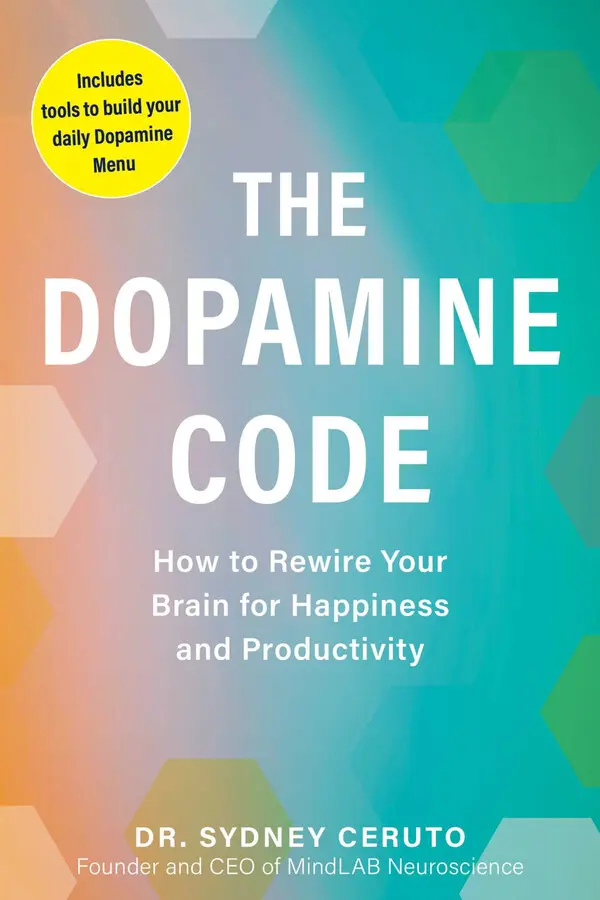
Dr. Ceruto holds a PhD in Behavioral & Cognitive Neuroscience from NYU and two Master’s degrees from Yale University. She lectures at the Wharton Executive Development Program at the University of Pennsylvania and has been an Executive Contributor to the Forbes Coaching Council since 2019. Dr. Ceruto is the author of The Dopamine Code (Simon & Schuster, June 2026). She founded MindLAB Neuroscience in 2000 and has spent over 26 years pioneering Real-Time Neuroplasticity™ — a methodology that permanently rewires the neural pathways driving behavior, decisions, and emotional responses.
Frequently Asked Questions About Personal Identity Reconstruction in Greenwich, CT
Also available in: Miami · Wall Street · Midtown Manhattan · Beverly Hills · Lisbon
Take the First Step
The Strategy Call is a focused conversation with Dr. Ceruto that maps the specific neural mechanisms driving your concerns and determines the right path forward.
Book a Strategy Call
The Dopamine Code
Decode Your Drive
Why Your Brain Rewards the Wrong Things
Your brain's reward system runs every decision, every craving, every crash — and it was never designed for the life you're living. The Dopamine Code is Dr. Ceruto's framework for understanding the architecture behind what drives you, drains you, and keeps you locked in patterns that willpower alone will never fix.
Published by Simon & Schuster, The Dopamine Code is Dr. Ceruto's framework for building your own Dopamine Menu — a personalized system for motivation, focus, and enduring life satisfaction.
Order NowShips June 9, 2026