Why Relationships Take a Specific Shape in Greenwich, CT
Intimate relationships in Greenwich, CT operate under neurological conditions found almost nowhere else. When both partners’ identities are organized around financial performance metrics (fund returns, AUM growth, deal flow) the neural architecture of the relationship itself becomes transactional. The prefrontal system that evaluates risk-reward ratios for a living does not switch off during dinner at L’Escale or a weekend in Belle Haven. It evaluates the relationship with the same analytical framework, and the dopaminergic system that requires constant novelty in markets demands the same from a partner.
Greenwich’s concealment culture creates a specific relational pathology. The social architecture of the Greenwich Country Club, the charity circuit, and Greenwich Avenue’s curated appearances demands that couples present unified, successful surfaces regardless of internal reality. The neural cost of sustained social performance while the attachment system is in distress produces a distinctive allostatic load. Both partners’ threat-detection systems remain activated, not from external danger, but from the constant effort of maintaining public coherence while private connection deteriorates.
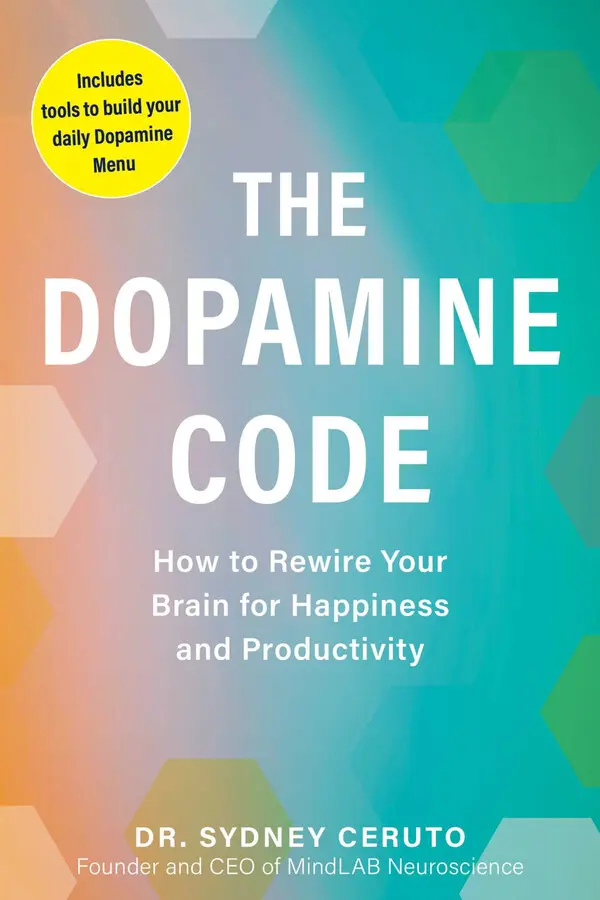
Dating in Greenwich carries its own neurological signature. The concentration of financial decision-makers per capita, among the highest in the world, means the evaluation framework applied to potential partners mirrors due diligence. The prefrontal system screens for risk factors, the reward system calibrates expected returns, and genuine attachment signaling gets filtered through analytical architecture. Dr. Ceruto’s work identifies how Greenwich’s specific fusion of wealth, performance identity, and social concealment reshapes the brain’s attachment and bonding systems at a structural level.