When Your Brain Refuses Sleep
“Chronic insomnia is not the absence of sleep drive. It is a state of pathological wakefulness — the brain staying locked in alert mode — that overrides the brain's ability to transition from awake to asleep. The central signature is cortical hyperarousal that persists not just at bedtime but across the entire day.”
Chronic insomnia works differently than most people think. It’s not that your body lacks the drive to sleep. Your body wants to sleep desperately. Your brain refuses to let it happen.
The core problem is cortical hyperarousal — abnormally high brain activity when your brain should be winding down. Instead of the slow, rhythmic waves that create deep sleep, your brain produces fast, alert patterns. This happens not just at bedtime, but around the clock. Your brain stays locked in a wakeful state even when you’re exhausted.
The brain’s sleep-wake switch gets stuck between positions. The ventrolateral preoptic nucleus — your brain’s sleep center — should turn on at night. Meanwhile, the brainstem’s alertness centers should turn off. In chronic insomnia, both systems stay partially active. You end up neither fully awake nor fully asleep, trapped in an uncomfortable middle ground.

How Your Bedroom Becomes the Enemy
Your bedroom becomes a trigger for wakefulness through conditioned arousal. Each night you spend frustrated and awake in bed teaches your brain to associate that space with alertness instead of rest. The hippocampus — your brain’s memory center — remembers the bedroom as a place of stress. The amygdala responds by activating your fight-or-flight system the moment you walk in. You feel drowsy on the couch, then suddenly wired when you head to bed.
The Emotional Cost of Sleepless Nights
Sleep disruption breaks the brain’s ability to regulate emotional responses. Your prefrontal cortex normally keeps emotional reactions in check. Sleep loss severs this control. Your amygdala becomes dramatically more reactive to stress and negative events. Frustration tolerance drops. The stress of insomnia itself feeds back into the arousal system, creating a vicious cycle.
The consequences reach far beyond feeling tired. Chronic insomnia accelerates cognitive decline at rates approaching major genetic risk factors for Alzheimer’s disease. Workers with insomnia lose over eleven productive days per year. Among financial professionals, insomnia increases burnout risk by nearly fifteen times.
Retraining the Brain for Sleep
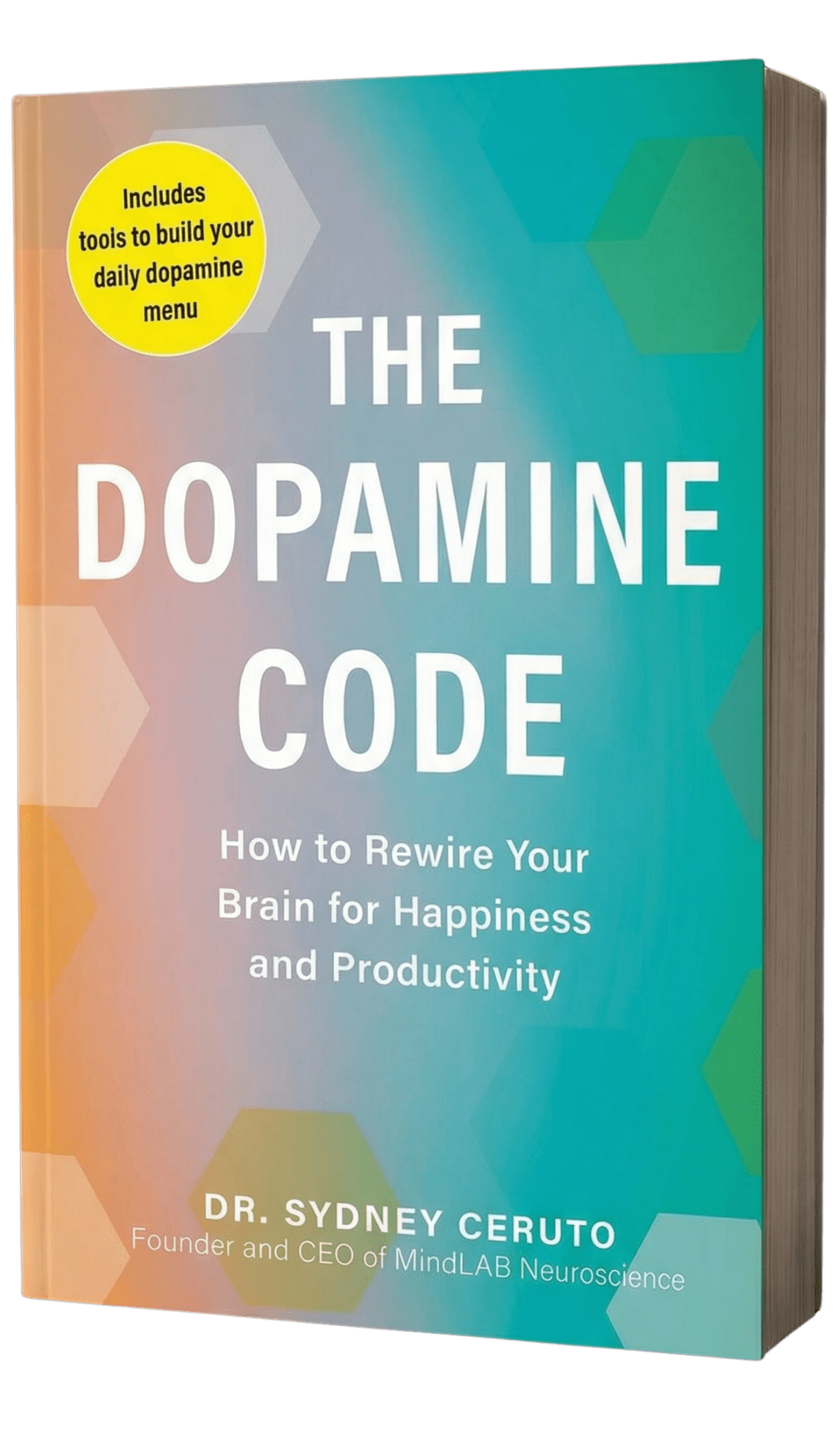
Dr. Ceruto’s approach recognizes that insomnia involves learned neural patterns that can be unlearned. The brain’s inhibitory network — responsible for calming neural activity — becomes compromised under chronic stress. This reduces your capacity for the neural quieting that sleep requires.
How the Work Actually Functions
The methodology targets each pathway directly. Autonomic training restores the nervous system balance needed for proper sleep-wake switching. Systematic retraining extinguishes conditioned arousal responses. Circadian recalibration aligns your biological timing with sleep onset. Neurofeedback approaches modify cortical excitability — how easily your brain becomes activated. Brain imaging confirms that prefrontal function normalizes after targeted intervention, proving the brain can reconstruct healthy sleep patterns even after years of disruption.
For deeper context, explore why people avoid getting help for insomnia.