Circadian Biology & Cognitive Performance in Miami

The brain does not operate at a single level of performance across the day — it runs a precisely timed molecular program that governs every dimension of cognition. Dr. Ceruto provides neuroscience-based circadian assessment and optimization.

Your brain runs on biological timing. When circadian rhythms — the internal clock regulating sleep, cortisol, focus, and repair cycles — are misaligned, cognitive performance degrades in ways that caffeine and willpower cannot fix. At MindLAB Neuroscience, we identify the specific timing disruptions affecting your brain's output and build a precision realignment protocol.
Book a Strategy Call

Key Points

  1. Circadian rhythms are generated by a molecular feedback loop within individual cells — they are biological architecture, not habits that can be overridden by willpower.
  2. Controlled research documents cognitive performance differences of twelve to fifteen percent between circadian alignment and misalignment.
  3. Working memory and executive function peak during the late morning to early afternoon window for most people, driven by the interaction between cortisol, body temperature, and prefrontal activity.
  4. Chronic circadian disruption produces structural changes in prefrontal cortex neurons — shortened and less-branched connections that mirror chronic cortisol damage.
  5. Individual sensitivity to evening light varies dramatically — the same stimulus can suppress melatonin by sixty percent in one person while producing negligible effect in another.
  6. The glymphatic system's peak waste clearance follows circadian regulation, making circadian integrity a direct determinant of long-term brain health.
  7. Precision circadian optimization requires understanding each person's specific chronotype, light sensitivity, and meal-timing patterns — not imposing a universal routine.

Every cell in the body keeps time. The suprachiasmatic nucleus — the brain’s master clock — integrates light information from the eyes and coordinates hormonal and neural outputs across every organ system. When this timing system is aligned, cognitive performance follows a reliable architecture. When it is disrupted, the consequences extend far beyond feeling tired.

The Molecular Clock and Cognitive Architecture

“When this timing system is aligned, cognitive performance follows a reliable architecture. When it is disrupted, the consequences extend far beyond feeling tired.”

Circadian rhythms — the body’s 24-hour biological clock — are not habits. They are generated by a molecular feedback loop operating within individual cells. Clock genes produce proteins that accumulate, inhibit their own production, break down, and restart the cycle approximately every twenty-four hours. This molecular oscillation drives rhythmic variations in brain chemistry, learning capacity, cortisol release, melatonin production, and the metabolic processes that fuel neural activity.

The cognitive implications are substantial. Sustained attention, processing speed, and visual-motor performance all follow circadian variation. Controlled research documents performance differences of twelve to fifteen percent between circadian alignment and misalignment. Working memory and executive function peak during the late morning to early afternoon window in most people — driven by the interaction between cortisol’s daily peak, core body temperature, and prefrontal metabolic activity.

Individual chronotype — morning or evening person — modulates these rhythms significantly. Evening types forced into early-morning schedules experience chronic circadian misalignment. This reduces how well prefrontal brain regions communicate, increases sleepiness during critical performance windows, and systematically undercuts cognitive capacity.
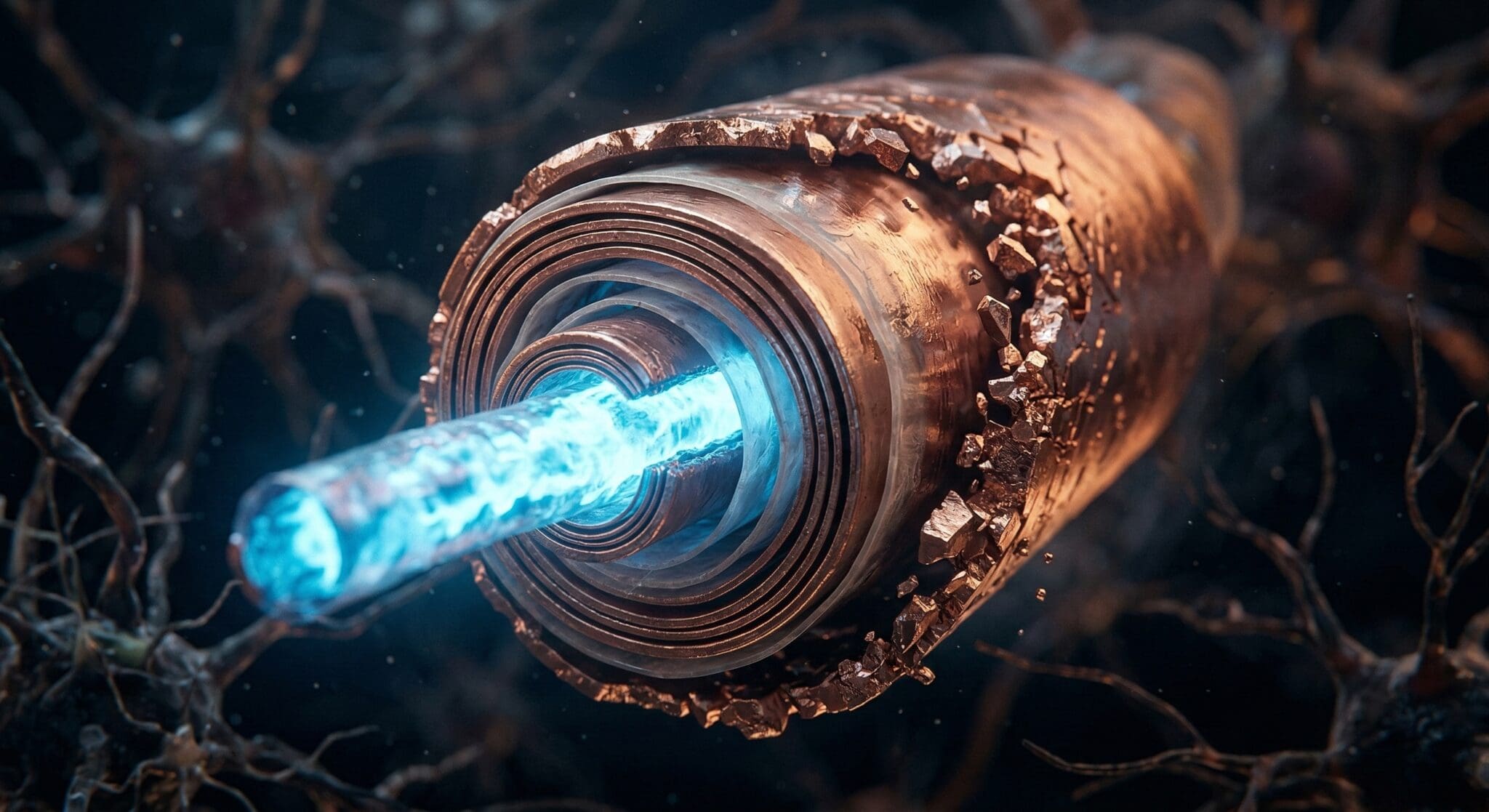
Macro cross-section of neural pathway with copper sheathing forming around blue signal core depicting active brain optimization

How Circadian Disruption Damages the Brain

Circadian misalignment does not merely reduce alertness. It produces structural and functional changes in the brain through mechanisms distinct from — and additive to — simple sleep deprivation.

Chronic circadian disruption has been shown to produce shortened and less-branched connections in prefrontal cortex neurons. These structural changes mirror those produced by chronic cortisol exposure, suggesting overlapping damage pathways. Disrupted schedules also impair the production of proteins required for learning and memory consolidation during the rest phase.

Circadian disruption also flattens cortisol rhythmicity — weakening the morning cortisol rise — weakening morning rise and daily slope. The morning cortisol rise is not simply a reaction to waking. It is driven by the circadian system itself, peaking approximately three hours before habitual wake time. When this coupling weakens, morning cognitive readiness degrades. Meanwhile, evening cortisol remains elevated, compressing the nighttime recovery window that neurons require for maintenance and waste clearance.

The glymphatic system — the brain’s primary waste-removal infrastructure — operates predominantly during deep sleep and follows circadian regulation. Peak waste clearance of harmful proteins occurs during the circadian rest phase. Circadian disruption impairs this clearance, accelerating the accumulation of proteins that drive long-term cognitive decline. Research found that individuals with longer internal circadian periods showed over four times higher risk of clinical cognitive decline — establishing circadian function as predictor — establishing circadian function as predictor of brain aging.

Meal Timing and Peripheral Clock Synchronization

The circadian system is not confined to the brain. Clocks in the liver, gut, pancreas, and fat tissue maintain their own molecular oscillations, synchronized to the master clock through hormonal and neural signals. When meal timing drifts out of sync with these clocks, the peripheral systems decouple from the central rhythm. Consistent eating windows — typically eight to ten hours — help resynchronize these peripheral clocks and support the metabolic conditions under which the brain operates most efficiently.

Light as the Primary Circadian Signal

A dedicated neural pathway exists solely to convey light timing information to the central clock. Specialized cells in the eye contain melanopsin — a light-sensitive pigment most responsive to blue light — a light-sensitive pigment responsive to blue light at approximately 480 nanometers. This pathway is entirely separate from visual processing and explains why light exposure timing has such profound effects on cognition independent of what you see.

Individual sensitivity to evening light varies dramatically. Research has shown that the same light stimulus can suppress melatonin by nearly sixty percent in one person while producing negligible suppression in another. This variability means that generic “reduce blue light” recommendations are insufficient. Circadian optimization requires understanding each person’s specific sensitivity profile and engineering their light environment accordingly.

A Neuroscience Framework for Circadian Optimization

Dr. Ceruto’s approach to circadian biology begins with mapping the individual’s current circadian architecture — their chronotype, light-exposure patterns, and meal timing — chronotype, light-exposure patterns, and meal timing. This includes cortisol rhythm, sleep architecture, and the relationship between their biological clock and their professional schedule. The goal is not to impose a universal early-morning routine. It is to align the individual’s neural performance peaks with their highest-stakes cognitive demands, optimize the circadian signals that drive neuroprotective sleep, and protect the waste-clearance window that determines long-term brain health.

Marble console with crystal brain sculpture and MindLAB journal in warm Miami evening light with tropical hardwood and copper accents

This is not sleep hygiene advice. It is precision circadian neuroscience — understanding how the molecular clock drives cognitive capacity — understanding how molecular clock drives cognitive capacity and engineering the environmental inputs that keep it calibrated for sustained high-level performance.

For deeper context, explore circadian biology and cognitive longevity.

Marker What You Experience What's Happening Neurologically What We Restructure
Morning cognitive lag Struggling to reach peak mental sharpness in the first hours of the day despite adequate sleep A weakened cortisol awakening response — the circadian-driven morning cortisol rise that normally peaks three hours before habitual wake time has decoupled from the clock The coupling between the circadian system and cortisol rhythmicity to restore morning cognitive readiness
Afternoon performance collapse Processing speed and working memory dropping sharply after lunch, independent of food intake Core body temperature, cortisol rhythm, and prefrontal metabolic activity are misaligned with the schedule demands, producing twelve to fifteen percent performance deficits Alignment between biological performance peaks and highest-stakes cognitive demands
Evening cognitive wiring Mind racing at night despite physical exhaustion, unable to wind down on schedule Evening cortisol remains elevated from a flattened rhythm, compressing the nighttime recovery window neurons require for maintenance The cortisol slope — restoring the ratio between morning peak and evening trough that permits neural recovery
Chronic jet-lag feeling Persistent sense of operating on the wrong time zone even without travel Peripheral clocks in the liver, gut, and other organs have decoupled from the central brain clock due to irregular meal timing and light exposure Peripheral clock synchronization through engineered light environment and consistent eating windows
Accelerated cognitive aging Measurable decline in sustained attention and mental clarity beyond what age alone would predict Disrupted circadian function impairs glymphatic waste clearance of harmful proteins during the rest phase, accelerating protein accumulation The circadian signals that drive neuroprotective sleep and protect the waste-clearance window determining long-term brain health

Why Circadian Biology & Cognitive Performance Matters in Miami

Miami’s circadian environment presents challenges unique among major American financial centers. Constant bright light, extreme heat-driven behavioral shifts, international travel demands, and a nightlife-embedded professional culture all systematically disrupt the biological clock.

Miami International Airport serves over fifty million passengers annually and functions as the primary gateway between North America and Latin America. The Brickell finance class and Coconut Grove tech-creative professionals cross three to eight time zones routinely — to New York, London, Sao Paulo, Mexico City, and Geneva. Unlike leisure travelers, these professionals must perform at maximum cognitive capacity immediately upon arrival, without the recovery window that circadian science recommends.

Miami’s outdoor social life operates largely in the seven-to-two-AM window due to daytime heat. This systematically shifts meal timing, light exposure, and cortisol release patterns later into the night. Rooftop bars, South Beach entertainment venues, and Wynwood art district events are professional networking functions for the Brickell class — not leisure choices. Late-night light exposure and stimulant use are embedded in career expectations. The University of Miami Health System identifies insomnia as the most common sleep complaint among patients, with jet lag, shift work, and schedule changes as primary triggers.

Miami has no true winter darkness. Even during the shortest days, light intensity is high enough to influence melatonin suppression. Artificial light pollution in Brickell and Miami Beach is among the highest in Florida. Dense residential tower environments create a light-at-all-hours ceiling that further blunts the evening melatonin signal. For professionals watching late-night media in condo towers after a client dinner, the circadian disruption is comprehensive.

Heat-induced sleep disruption compounds these effects directly. Research has documented nearly three minutes of lost sleep per additional degree Celsius of overnight temperature — applicable to Miami’s summer months when outdoor temperatures remain above eighty degrees at midnight. For a population already experiencing chronic circadian misalignment from travel, social schedules, and light pollution, the thermal dimension pushes the cumulative disruption into territory that measurably degrades cognitive performance and accelerates brain aging.

Dr. Sydney Ceruto, PhD — Founder, MindLAB Neuroscience

Dr. Sydney Ceruto, PhD — Founder & CEO, MindLAB Neuroscience

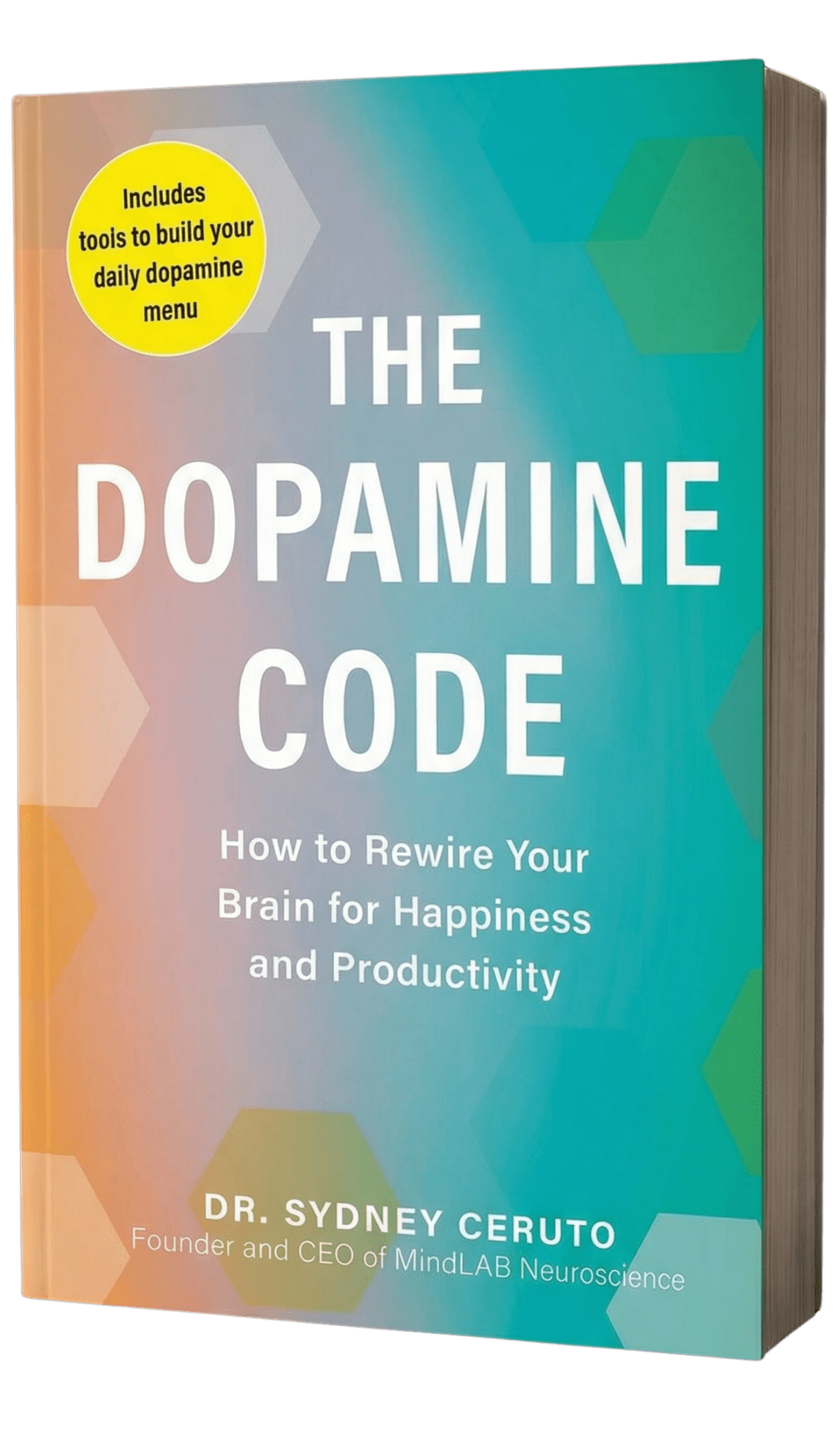
Dr. Ceruto holds a PhD in Behavioral & Cognitive Neuroscience from NYU and two Master’s degrees from Yale University. She lectures at the Wharton Executive Development Program at the University of Pennsylvania and has been an Executive Contributor to the Forbes Coaching Council since 2019. Dr. Ceruto is the author of The Dopamine Code (Simon & Schuster, June 2026). She founded MindLAB Neuroscience in 2000 and has spent over 26 years pioneering Real-Time Neuroplasticity™ — a methodology that permanently rewires the neural pathways driving behavior, decisions, and emotional responses.

References

Chellappa, S. L., Morris, C. J., & Scheer, F. A. J. L. (2018). Daily circadian misalignment impairs human cognitive performance task-dependently. Scientific Reports, 8, 3041. https://doi.org/10.1038/s41598-018-20707-4

Logan, R. W., & McClung, C. A. (2019). Rhythms of life: Circadian disruption and brain disorders across the lifespan. Nature Reviews Neuroscience, 20(1), 49-65. https://doi.org/10.1038/s41583-018-0088-y

Phillips, A. J. K., et al. (2019). High sensitivity and interindividual variability in the response of the human circadian system to evening light. Proceedings of the National Academy of Sciences, 116(24), 12036-12041. https://doi.org/10.1073/pnas.1901824116

Success Stories

“Nothing was wrong — and that's exactly why no one could help me. I wasn't struggling. I wanted to know what my brain was actually capable of if its resting-state architecture was optimized. Dr. Ceruto mapped my default mode network and restructured how it allocates resources between focused and diffuse processing. The cognitive clarity I operate with now isn't something I'd ever experienced before — and I had no idea it was available.”

Nathan S. — Biotech Founder Singapore

“I'd optimized everything — diet, fitness, sleep — but my cognitive sharpness was quietly declining and no one could explain why. Dr. Ceruto identified the synaptic density patterns that were thinning and built a protocol to reverse the trajectory. This wasn't prevention in theory. My neuroplasticity reserve is measurably stronger now than it was three years ago. Nothing I'd tried before even addressed the right problem.”

Henrique L. — University Dean Lisbon, PT

“Slower processing, foggier recall, decisions that used to be instant taking longer than they should — I'd been accepting it all as inevitable decline for two years. Dr. Ceruto identified the prefrontal efficiency pattern that was degrading and restructured it at the neurological level. The sharpness didn't just come back. It came back faster and more precise than it was a decade ago. Nothing I'd tried before even addressed the right problem.”

Elliott W. — Wealth Advisor Atherton, CA

“After the concussion, my processing speed collapsed — I couldn't hold complex information the way I used to, and no one could explain why the fog wasn't lifting. Dr. Ceruto mapped the damaged pathways and built compensatory networks around them. My brain doesn't work the way it did before the injury. It works differently — and in some ways, more efficiently than it ever did.”

Owen P. — Orthopedic Surgeon Scottsdale, AZ

“Every few months I'd blow up my life in a different way — new venture, new relationship, new fixation — and call it ambition. Dr. Ceruto identified the reward prediction error that was running the cycle. My brain had learned to chase escalation because it was the only thing that overrode what I was actually avoiding. Once she restructured the dopamine loop at the root, the compulsion to escalate just stopped. I didn't lose my drive — I lost the desperation underneath it.”

Kofi A. — Brand Strategist London, UK

“I struggled with anxiety since I was 13. I simply could not control my thoughts, and no medication or therapy was helping. Since working with Sydney, I’ve gained a whole new perspective on what anxiety actually is and — most importantly — how to control it. Her approach is unlike anything I’ve ever experienced, a must for anyone who wants to understand what drives their actions and emotions. At 28, I’m finally in a happy place with solid emotional management and real coping skills.”

Lydia G. — Gallerist Paris, FR

Frequently Asked Questions About Circadian Biology & Cognitive Performance in Miami

What does circadian assessment involve at MindLAB Neuroscience?

Dr. Ceruto evaluates your chronotype — natural sleep-wake preferences —, light exposure patterns, meal timing, activity schedules, cortisol rhythms, and sleep quality. He assesses how well your biological clock aligns with your professional demands. This creates a precise map showing where disruption occurs and which interventions will restore optimal timing.

How does circadian disruption actually affect the brain beyond just tiredness?

Circadian misalignment produces structural changes in prefrontal cortex — the brain's executive control center — neurons, disrupts the protein synthesis required for memory consolidation — converting short-term memories to long-term —, flattens cortisol rhythms that drive morning cognitive readiness. It also impairs the glymphatic waste-clearance system that removes neurotoxic proteins during sleep. Controlled research documents twelve-to-fifteen-percent performance deficits during circadian misalignment that do not improve with consecutive days of exposure. These are neurobiological consequences, not simply fatigue.

Who benefits most from circadian optimization?

Individuals whose professional demands create chronic circadian strain — frequent international travelers, people managing responsibilities across multiple time zones, professionals whose social and networking obligations extend late into the evening, and anyone who has noticed that sleep quality, morning sharpness, or sustained cognitive performance has declined despite adequate sleep hours. The issue is often not how much sleep but when and how the biological clock is being disrupted.

How does someone begin working with Dr. Ceruto on circadian optimization?

The process starts with a Strategy Call — a phone-only conversation with a $250 fee. This call assesses the individual’s travel patterns, work schedule, sleep concerns, and cognitive performance goals to determine whether neuroscience-based circadian optimization (relating to the body's 24-hour biological clock) is the right approach. Program structure and investment details are discussed during the Strategy Call.

How quickly can circadian recalibration produce results?

Light-timing interventions can begin shifting circadian phase within days (the body's 24-hour biological clock). Improvements in sleep onset, morning alertness, and subjective cognitive clarity often emerge within the first one to two weeks. Deeper circadian recalibration — including cortisol rhythm normalization, full sleep architecture restoration, and the neuroprotective benefits of optimized glymphatic clearance — develops over four to eight weeks of consistent protocol adherence. For frequent travelers, Dr. Ceruto builds adaptive protocols that maintain circadian stability across time zone changes rather than requiring full recalibration after each trip.

Also available in: Wall Street · Midtown Manhattan · Beverly Hills · Lisbon

Take the First Step Toward Circadian Biology & Cognitive Performance

The Strategy Call is a focused conversation with Dr. Ceruto that maps the specific neural mechanisms driving your concerns and determines the right path forward.

Book a Strategy Call
MindLAB Neuroscience consultation room

The Dopamine Code

Decode Your Drive

Why Your Brain Rewards the Wrong Things

Your brain's reward system runs every decision, every craving, every crash — and it was never designed for the life you're living. The Dopamine Code is Dr. Ceruto's framework for understanding the architecture behind what drives you, drains you, and keeps you locked in patterns that willpower alone will never fix.

Published by Simon & Schuster, The Dopamine Code is Dr. Ceruto's framework for building your own Dopamine Menu — a personalized system for motivation, focus, and enduring life satisfaction.

Order Now

Ships June 9, 2026

The Dopamine Code by Dr. Sydney Ceruto — Decode Your Drive
Locations

The Intelligence Brief

Neuroscience-backed analysis on how your brain drives what you feel, what you choose, and what you can’t seem to change — direct from Dr. Ceruto.