Neuroinflammation & Brain Health in Miami

Chronic neuroinflammation silently degrades the brain's synaptic architecture, impairs memory consolidation, and accelerates cognitive aging. Dr. Ceruto provides neuroscience-based assessment to identify inflammatory drivers and protect neural function.

Chronic neuroinflammation silently degrades the brain’s synaptic architecture, impairs memory consolidation — converting short-term memories to long-term —, and accelerates cognitive aging. Dr. Ceruto provides neuroscience-based assessment to identify inflammatory drivers and protect neural function.

Book a Strategy Call

Key Points

  1. Neuroinflammation operates through distinct cellular machinery from peripheral inflammation, producing consequences that are more subtle and more consequential.
  2. Microglial priming explains why individuals with complex health histories experience disproportionate cognitive impairment from seemingly minor stressors.
  3. Elevated peripheral inflammatory markers at midlife predict steeper rates of cognitive decline over the following decade — establishing inflammation as a modifiable risk factor.
  4. The vagus nerve mediates the cholinergic anti-inflammatory reflex — when vagal tone is compromised, this brake weakens and both peripheral and central inflammation escalate.
  5. The glymphatic system operates under circadian control with peak clearance during slow-wave sleep — disruption accelerates harmful protein accumulation.
  6. Neuroinflammation interacts synergistically with other pathology, producing cognitive impairment that exceeds what either factor would predict alone.
  7. Assessment integrates stress physiology, sleep architecture, circadian function, metabolic health, autonomic regulation, and environmental exposure to identify the most active inflammatory drivers.

Inflammation in the brain is not the same as inflammation in a sprained ankle. It operates through distinct cellular machinery, follows different rules, and produces consequences that are both more subtle and more consequential than peripheral inflammation. When the brain’s immune system shifts from protective surveillance to chronic activation, the damage unfolds across every dimension of cognition, silently, progressively, and often for years before symptoms become obvious.

The Brain’s Immune System

“When the brain's immune system shifts from protective surveillance to chronic activation, the damage unfolds across every dimension of cognition — silently, progressively, and often for years before symptoms become obvious.”

Microglia serve as the first line of neural defense. In their homeostatic state, these cells continuously survey the neural microenvironment through highly motile processes, maintaining synaptic integrity, supporting neurogenesis, and clearing cellular debris through phagocytosis.

When microglia detect danger signals they undergo activation. This shift triggers the release of pro-inflammatory cytokines: tumor necrosis factor-alpha, interleukin-1 beta, and interleukin-6. These molecules directly impair long-term potentiation, the cellular mechanism of learning and memory, while simultaneously suppressing the generation of new neurons in the hippocampus and degrading the blood-brain barrier’s selective permeability.

The damage is mechanistically specific. Interleukin-1 beta disrupts hippocampal synaptic plasticity. Tumor necrosis factor-alpha alters glutamatergic synaptic transmission, shifting the balance between excitatory and inhibitory signaling. Interleukin-6 suppresses neurogenesis and promotes astroglial scarring. Together, these cytokines create a neurochemical environment hostile to the synaptic operations that underlie clear thinking, accurate recall, and flexible decision-making.
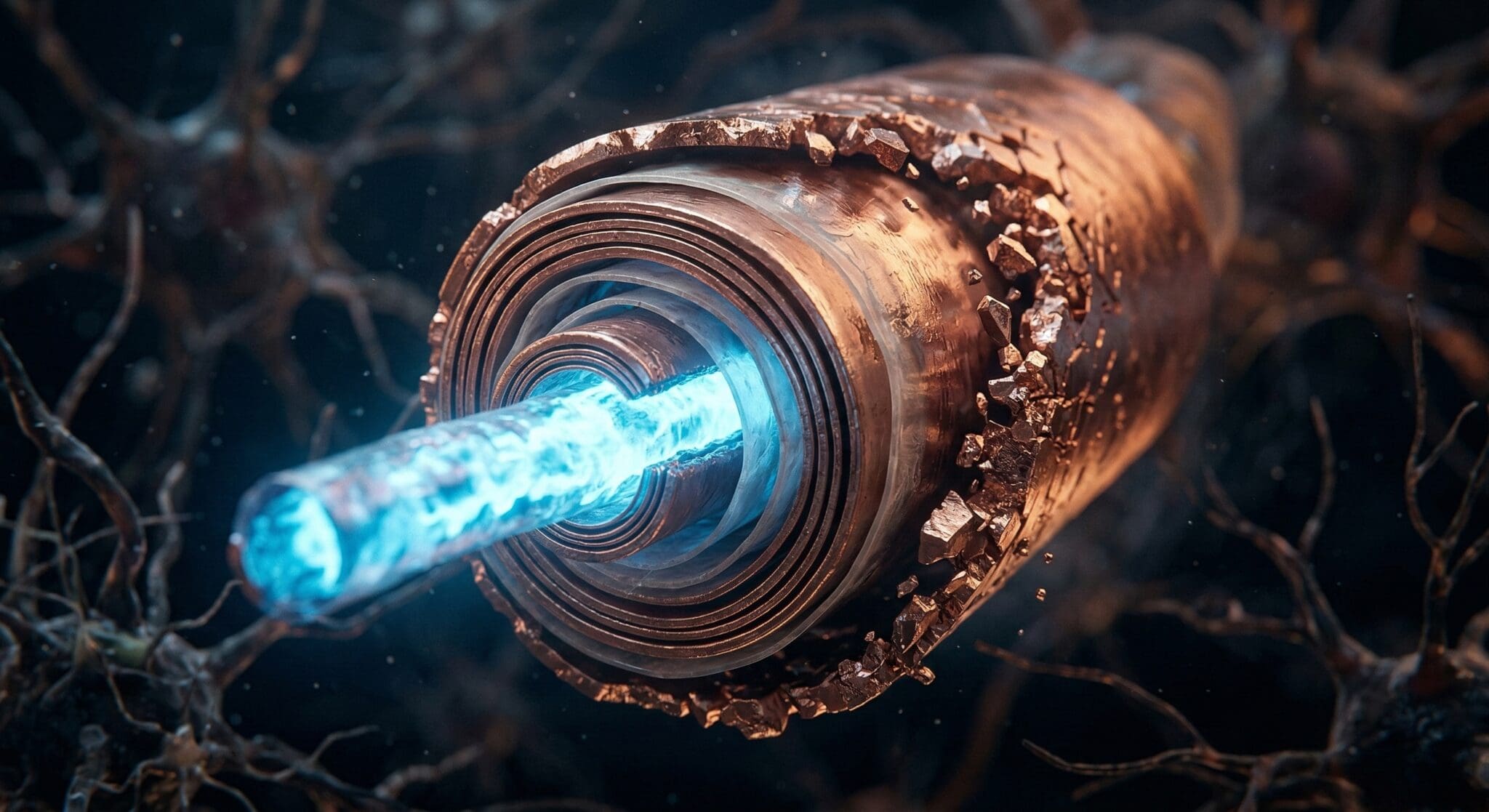
Macro cross-section of neural pathway with copper sheathing forming around blue signal core depicting active brain optimization

From Acute Defense to Chronic Destruction

Acute neuroinflammation is adaptive, a contained response to genuine threat that resolves once the trigger is cleared. Chronic neuroinflammation is categorically different. It represents a failure of resolution: microglia remain in an activated state, cytokine production continues, and the self-amplifying cycle of inflammation and barrier dysfunction perpetuates itself independently of the original trigger.

Microglial priming is a critical concept. Prior inflammatory challenges render microglia hypersensitive to subsequent stimuli. A primed microglial population mounts exaggerated inflammatory responses to insults that a naive population would handle without cognitive consequence. This priming effect explains why individuals with complex health histories often experience disproportionate cognitive impairment from seemingly minor stressors.

Research on stress-induced neuroinflammatory priming has revealed that even the timing of stress exposure matters. The inflammatory response to a subsequent immune challenge varies depending on the time of day the initial stressor occurred, reflecting the intersection of circadian biology and neuroinflammatory regulation.

Cognitive Consequences Across the Lifespan

Prospective studies consistently link peripheral inflammatory markers to cognitive decline trajectory. Elevated interleukin-6 and C-reactive protein at midlife predict steeper rates of cognitive decline over the following decade. A meta-analysis of prospective studies found that elevated peripheral interleukin-6 is associated with global cognitive decline in non-demented adults. This establishes inflammation as a modifiable risk factor for cognitive aging, not merely a consequence of existing disease.

In Alzheimer’s disease research, neuroinflammation has been shown to interact with tau pathology and how brain regions communicate in real time to produce cognitive impairment that exceeds what either factor would predict alone. The inflammatory burden does not simply add to pathological load. It amplifies it through synergistic mechanisms.

The Cholinergic Anti-Inflammatory Pathway

The vagus nerve mediates one of the body’s most elegant anti-inflammatory mechanisms: the cholinergic anti-inflammatory reflex. Efferent vagal activity activates nicotinic acetylcholine receptors on immune cells, suppressing the production of TNF-alpha, interleukin-1 beta, and interleukin-6. When vagal tone is compromised by chronic stress, poor sleep, or autonomic dysregulation, this anti-inflammatory brake weakens, allowing both peripheral and central inflammation to escalate unchecked.

This pathway connects nervous system regulation directly to neuroinflammatory control. Vagal tone is not merely a stress-resilience marker — it is an active immunomodulatory mechanism. Interventions that enhance vagal function simultaneously strengthen the body’s endogenous capacity to regulate inflammation, creating a direct bridge between autonomic health and brain protection.

Sleep, Circadian Function, and Inflammatory Clearance

The glymphatic system — the brain’s waste-removal infrastructure — operates under circadian control, with peak clearance occurring during slow-wave sleep. Sleep deprivation exacerbates microglial reactivity and amyloid-beta deposition through mechanisms that involve TREM2-dependent pathways. Circadian disruption independently activates microglial inflammatory responses, meaning that the timing of immune activation, not just its intensity, determines neuroinflammatory outcomes. The intersection of sleep loss and neuroinflammation creates a particularly damaging cycle: activated microglia disrupt sleep architecture, and disrupted sleep further activates microglia, compounding both the inflammatory burden and the cognitive impairment it produces.

Marble console with crystal brain sculpture and MindLAB journal in warm Miami evening light with tropical hardwood and copper accents

Dr. Ceruto’s approach to neuroinflammation integrates assessment across all the systems that contribute to inflammatory burden — stress physiology, sleep architecture, circadian function, metabolic health, autonomic regulation, and environmental exposure. The neuroscience framework identifies which inflammatory drivers are most active in each individual and builds protocols that address root mechanisms rather than downstream symptoms. A neuroscientist educates on the brain side of inflammation; immunologists and medical providers manage clinical inflammatory conditions when indicated.

For deeper context, explore why neuroinflammation goes unaddressed.

Marker What You Experience What's Happening Neurologically What We Restructure
Disproportionate cognitive impact Cognitive impairment that seems excessive relative to current stress levels or health status Microglial priming — prior inflammatory challenges have rendered the brain's immune cells hypersensitive, mounting exaggerated responses to minor stimuli The priming threshold so the brain's immune surveillance returns to proportionate activation patterns
Learning and memory degradation New information does not stick, skills that should be improving plateau or decline Pro-inflammatory cytokines are directly impairing long-term potentiation — the cellular mechanism of learning and memory — while suppressing new neuron generation The neuroinflammatory environment to restore the synaptic conditions required for learning and memory consolidation
Sleep-inflammation cycle Poor sleep worsens cognitive fog, which increases stress, which further disrupts sleep Activated microglia disrupt sleep architecture while disrupted sleep further activates microglia — a self-amplifying cycle compounding both inflammation and cognitive impairment The bidirectional sleep-inflammation cycle by addressing microglial reactivity and restoring the deep-sleep window for glymphatic waste clearance
Accelerated cognitive aging Cognitive decline trajectory steeper than age alone would predict Elevated inflammatory markers at midlife predict steeper rates of decline over the following decade — inflammation amplifies existing pathology through synergistic mechanisms The modifiable inflammatory risk factors driving accelerated trajectory, assessed across stress physiology, sleep, circadian function, metabolic health, and autonomic regulation
Weakened anti-inflammatory defense Increasing susceptibility to cognitive disruption from minor illnesses, stress episodes, or poor sleep Compromised vagal tone has weakened the cholinergic anti-inflammatory reflex — the body's elegant mechanism for suppressing inflammatory cytokine production Vagal function to strengthen the endogenous anti-inflammatory brake, creating a direct bridge between autonomic health and brain protection

Why Neuroinflammation & Brain Health Matters in Miami

Miami’s environment concentrates neuroinflammatory risk factors to a degree unmatched by any other major financial center in the United States. The city’s unique combination of post-viral immune burden, indoor mold exposure, outdoor air quality challenges, metabolic disease prevalence, and chronic stress creates a multi-vector inflammatory assault on the brain.

Florida recorded approximately 2.07 million adults with diagnosed diabetes and an obesity rate of 31.6 percent among adults. Miami-Dade’s diabetes prevalence of approximately thirty percent — three times the national average — concentrates metabolic-driven neuroinflammatory risk across the population. Both conditions are primary drivers of neuroinflammation through elevated blood glucose, advanced glycation end-products, and the low-grade systemic inflammatory state that defines metabolic syndrome.

Post-COVID neuroinflammatory burden represents a second major vector. CDC data show that the risk of developing chronic fatigue after COVID-19 was 4.32 times higher than among non-COVID controls, with this excess risk persisting more than twelve months post-infection. Hospitalized COVID patients face a 128 percent increased dementia risk and a 325 percent increased risk if they developed encephalopathy. Miami’s finance-tech-real estate complex has absorbed thousands of COVID survivors who returned to demanding work while carrying subclinical neuroinflammatory burden.

South Florida residents face some of the highest mold exposure risks in the continental United States. Year-round humidity exceeding seventy percent, hurricane flooding, aging condo infrastructure, and air conditioning systems that cycle moisture create ideal growth conditions for mold species whose mycotoxins are documented neuroinflammatory triggers. These organisms disrupt gut microbiome integrity, impair detoxification pathways, and produce the fatigue-brain-fog-anxiety pattern that overlaps substantially with professional burnout — making Miami’s mold-neuroinflammation burden systematically misattributed to overwork rather than recognized as environmental exposure.

The American Lung Association’s 2025 State of the Air report found that air quality in the Miami metro area worsened, with residents exposed to increased unhealthy ozone and particle pollution. Miami also sits at the downwind end of Saharan dust plumes crossing the Atlantic in summer months, contributing elevated particulate matter during June through August. This occurs exactly when Miami’s heat makes outdoor exposure most cognitively demanding — during peak summer months.

Dr. Sydney Ceruto, PhD — Founder, MindLAB Neuroscience

Dr. Sydney Ceruto, PhD — Founder & CEO, MindLAB Neuroscience

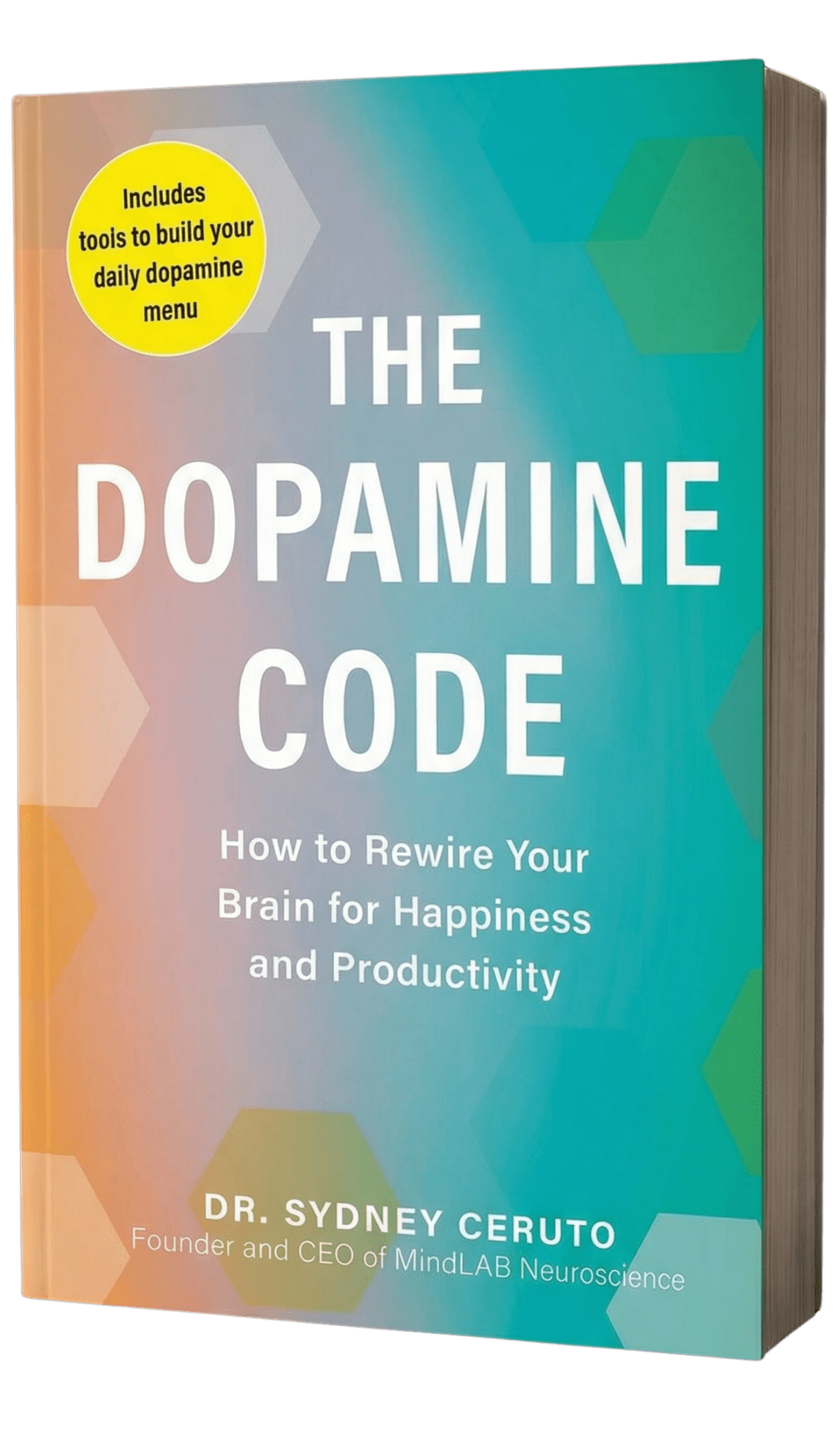
Dr. Ceruto holds a PhD in Behavioral & Cognitive Neuroscience from NYU and two Master’s degrees from Yale University. She lectures at the Wharton Executive Development Program at the University of Pennsylvania and has been an Executive Contributor to the Forbes Coaching Council since 2019. Dr. Ceruto is the author of The Dopamine Code (Simon & Schuster, June 2026). She founded MindLAB Neuroscience in 2000 and has spent over 26 years pioneering Real-Time Neuroplasticity™ — a methodology that permanently rewires the neural pathways driving behavior, decisions, and emotional responses.

References

Singh-Manoux, A., et al. (2014). Interleukin-6 and C-reactive protein as predictors of cognitive decline in late midlife. Neurology, 83(6), 486-493. https://doi.org/10.1212/WNL.0000000000000665

Hablitz, L. M., et al. (2020). Circadian control of brain glymphatic and lymphatic fluid flow. Nature Communications, 11(1), 4411. https://doi.org/10.1038/s41467-020-18115-2

Bisht, K., Sharma, K., & Tremblay, M.-E. (2018). Chronic stress as a risk factor for Alzheimer’s disease: Roles of microglia-mediated synaptic remodeling, inflammation, and oxidative stress. Neurobiology of Stress, 9, 9-21. https://doi.org/10.1016/j.ynstr.2018.05.003

Tracey, K. J. (2007). Physiology and immunology of the cholinergic antiinflammatory pathway. Journal of Clinical Investigation, 117(2), 289-296. https://doi.org/10.1172/JCI30555

Success Stories

“Slower processing, foggier recall, decisions that used to be instant taking longer than they should — I'd been accepting it all as inevitable decline for two years. Dr. Ceruto identified the prefrontal efficiency pattern that was degrading and restructured it at the neurological level. The sharpness didn't just come back. It came back faster and more precise than it was a decade ago. Nothing I'd tried before even addressed the right problem.”

Elliott W. — Wealth Advisor Atherton, CA

“After the concussion, my processing speed collapsed — I couldn't hold complex information the way I used to, and no one could explain why the fog wasn't lifting. Dr. Ceruto mapped the damaged pathways and built compensatory networks around them. My brain doesn't work the way it did before the injury. It works differently — and in some ways, more efficiently than it ever did.”

Owen P. — Orthopedic Surgeon Scottsdale, AZ

“I'd optimized everything — diet, fitness, sleep — but my cognitive sharpness was quietly declining and no one could explain why. Dr. Ceruto identified the synaptic density patterns that were thinning and built a protocol to reverse the trajectory. This wasn't prevention in theory. My neuroplasticity reserve is measurably stronger now than it was three years ago. Nothing I'd tried before even addressed the right problem.”

Henrique L. — University Dean Lisbon, PT

“Nothing was wrong — and that's exactly why no one could help me. I wasn't struggling. I wanted to know what my brain was actually capable of if its resting-state architecture was optimized. Dr. Ceruto mapped my default mode network and restructured how it allocates resources between focused and diffuse processing. The cognitive clarity I operate with now isn't something I'd ever experienced before — and I had no idea it was available.”

Nathan S. — Biotech Founder Singapore

“When I first started with Dr. Ceruto, I’d felt at a standstill for two years. Over several months, we worked through my cognitive distortions and I ultimately landed my dream job after years of rejections. She is both gentle and assertive — she tells it like it is, and you’re never second-guessing what she means. Most importantly, she takes a personal interest in my mental, emotional, and physical wellbeing. I have no doubt I’ll be in touch with Dr. Ceruto for years to come.”

Chelsea A. — Publicist Dublin, IE

“The same relational patterns my mother and grandmother lived through kept repeating in my own life — the hypervigilance, the emotional shutdown, the inability to feel safe even when nothing was wrong. Talking through it changed nothing. Dr. Ceruto identified the epigenetic stress signatures driving the pattern and restructured them at the neurological level. The cycle that ran through three generations stopped with me.”

Gabriela W. — Real Estate Developer Miami, FL

Frequently Asked Questions About Neuroinflammation & Brain Health in Miami

What does neuroinflammation assessment involve at MindLAB Neuroscience?

Dr. Ceruto evaluates the biological systems that contribute to neuroinflammatory burden — including stress physiology, sleep architecture, circadian function (relating to the body's 24-hour biological clock), metabolic health, autonomic regulation, and environmental exposure history. The assessment identifies which inflammatory drivers are most active and how they are affecting cognitive function, providing a framework for targeted intervention rather than generic anti-inflammatory recommendations.

How does neuroinflammation affect thinking and memory?

The brain's immune cells, when chronically activated, release inflammatory molecules that directly impair the cellular mechanisms of learning and memory. Long-term potentiation — synaptic connection strengthening — is disrupted by interleukin-1 beta. New neuron generation in the hippocampus, the brain's memory-formation center, is suppressed by interleukin-6. The blood-brain barrier becomes more permeable, allowing peripheral inflammatory molecules to enter the brain and amplify the cycle. The cognitive result is reduced processing speed, impaired working memory, the brain's short-term mental workspace, difficulty with word retrieval, and diminished cognitive flexibility — shifting thinking between concepts —.

Who is at greatest risk for neuroinflammation-related cognitive issues?

Individuals with histories of viral illness, chronic stress, metabolic dysfunction, poor sleep quality, or environmental exposures such as mold. Also those who notice that cognitive performance has declined gradually without an obvious single cause — the hallmark of chronic, low-grade neuroinflammation is subtlety, with symptoms accumulating over months or years rather than appearing suddenly.

What is the first step?

The process begins with a Strategy Call — a phone-only conversation with a $250 fee. This focused discussion evaluates the individual’s cognitive concerns, health history, environmental exposure profile, and current symptom patterns to determine whether Dr. Ceruto’s neuroscience-based approach to neuroinflammation is appropriate. Program structure and investment details are discussed during the Strategy Call.

What does the timeline for improvement look like?

Neuroinflammatory resolution depends on which drivers are active and how long they have been operating. Environmental and sleep-related improvements can produce noticeable cognitive changes within weeks. Metabolic and immune-mediated inflammation typically requires longer sustained intervention. Dr. Ceruto uses objective markers to track inflammatory trajectory, with most individuals seeing measurable progress within the first two to three months of protocol adherence. Full neuroinflammatory resolution and the cognitive recovery that follows is typically a multi-month process.

Also available in: Wall Street · Midtown Manhattan · Beverly Hills · Lisbon

Take the First Step Toward Better Brain Health

The Strategy Call is a focused conversation with Dr. Ceruto that maps the specific neural mechanisms driving your concerns and determines the right path forward.

Book a Strategy Call
MindLAB Neuroscience consultation room

The Dopamine Code

Decode Your Drive

Why Your Brain Rewards the Wrong Things

Your brain's reward system runs every decision, every craving, every crash — and it was never designed for the life you're living. The Dopamine Code is Dr. Ceruto's framework for understanding the architecture behind what drives you, drains you, and keeps you locked in patterns that willpower alone will never fix.

Published by Simon & Schuster, The Dopamine Code is Dr. Ceruto's framework for building your own Dopamine Menu — a personalized system for motivation, focus, and enduring life satisfaction.

Order Now

Ships June 9, 2026

The Dopamine Code by Dr. Sydney Ceruto — Decode Your Drive
Locations

The Intelligence Brief

Neuroscience-backed analysis on how your brain drives what you feel, what you choose, and what you can’t seem to change — direct from Dr. Ceruto.