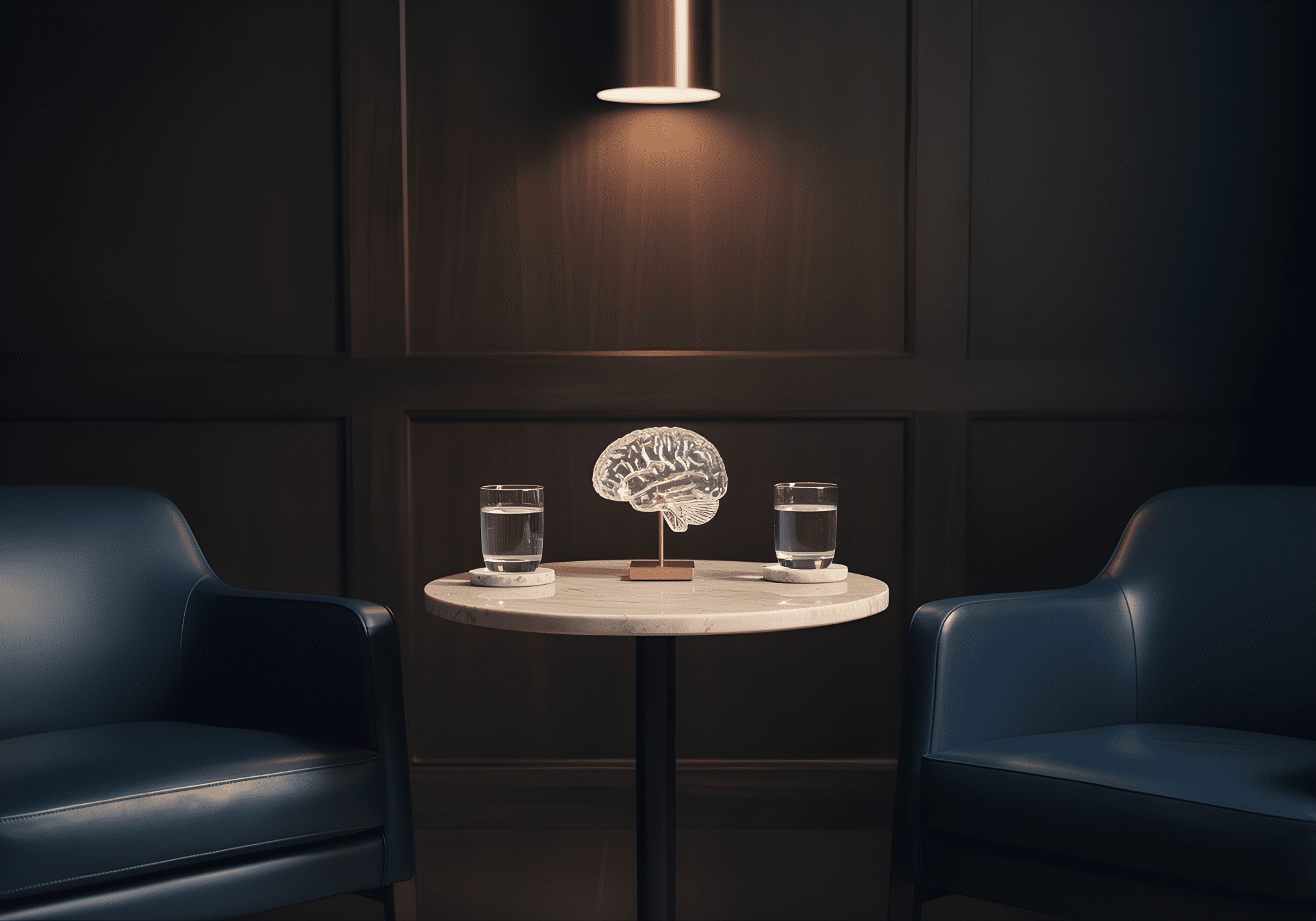
Why Midtown Manhattan Depletes the Motivation System
Midtown operates as the most information-dense environment in North America. Media headquarters, publishing houses, advertising agencies, and entertainment companies generate a constant stream of stimulation that the brain processes whether you want it to or not. The dopamine system responds to novelty, and Midtown delivers novelty at a pace that gradually exhausts the receptors responsible for translating stimulation into motivation.
The career ladder culture that defines Midtown creates a specific form of reward-system damage. Each promotion, each client win, each successful campaign delivers a dopamine spike that the brain immediately recalibrates against. The hedonic treadmill is not a metaphor here — it is the measurable reality of what happens when the reward system is conditioned to require escalating achievement in order to register the same level of satisfaction. People do not stop feeling motivated because they stopped caring. They stop feeling motivated because their brains adapted to a reward threshold that normal accomplishments can no longer reach.
The always-on culture between Times Square, the Upper East Side, and the Park Avenue corridor creates an additional layer of depletion. There is no off switch in Midtown. Dinners are networking events. Weekends are strategy sessions. The brain never enters the low-stimulation recovery state that dopamine receptors require to restore baseline sensitivity. The result is a progressive emotional flatness that looks like disengagement but is actually neurochemical exhaustion.
Dr. Ceruto works with individuals throughout Midtown Manhattan whose professional environments have systematically overdrawn their dopamine reserves. Her methodology recalibrates the reward system itself, restoring the capacity to sustain motivation without requiring the escalation that created the depletion in the first place.