Sleep & Energy Support in Midtown Manhattan

When exhaustion persists despite rest, the problem is neurological. Dr. Ceruto identifies the biological mechanisms disrupting sleep and depleting energy at their neural source.

Sleep disruption and chronic energy depletion are not lifestyle complaints. They are measurable neurobiological states driven by specific mechanisms in the brain and nervous system. Dr. Ceruto’s methodology identifies which systems have broken down and targets them directly.

Book a Strategy Call

Chronic Fatigue & Exhaustion

Exhaustion that does not resolve with rest reflects measurable neurological dysfunction involving neuroinflammation, HPA axis dysregulation, mitochondrial inefficiency in neural tissue, and disruption of the dopaminergic motivation circuitry that governs effort-based decision-making. Dr. Ceruto identifies which mechanisms are dominant in the individual case and targets the biological infrastructure that makes rest restorative again.

Learn more about Chronic Fatigue & Exhaustion in Midtown Manhattan →

Circadian Rhythm Optimization

The body’s internal clock governs far more than sleep timing. When it drifts out of alignment, cognition, mood, metabolism, and long-term brain health all degrade. Dr. Ceruto’s methodology identifies the individual’s current circadian phase, maps specific points of misalignment, and leverages strategically timed light exposure, meal timing, and activity patterns to realign the system.

Learn more about Circadian Rhythm Optimization in Midtown Manhattan →

Energy Management

Mental fatigue is a measurable neurochemical state, not a motivational failure. Glutamate accumulation in prefrontal circuits, dopaminergic tone depletion, and autonomic imbalance from chronic sympathetic overdrive each produce distinct patterns of cognitive depletion. Dr. Ceruto maps the individual’s specific depletion profile and builds intervention architecture around the brain’s natural cycling rather than against it.

Learn more about Energy Management in Midtown Manhattan →

Insomnia Support

Chronic insomnia is a disorder of pathological wakefulness characterized by cortical hyperarousal — elevated high-frequency brain activity that persists across the entire 24-hour cycle. The disorder self-reinforces through a feedback architecture where anticipatory anxiety pre-activates the stress response before the person even enters the bedroom. Dr. Ceruto targets extinction of conditioned cortical arousal and restoration of the parasympathetic tone that sleep initiation requires.

Learn more about Insomnia Support in Midtown Manhattan →

Sleep Anxiety

Sleep anxiety is a circuit-level dysregulation in which the fear of not sleeping recruits the brain’s threat-detection machinery, creating a self-reinforcing loop that grows stronger with every failed attempt to sleep. The bedroom becomes a conditioned stimulus for wakefulness through classical conditioning. Dr. Ceruto targets extinction of the conditioned arousal response and retrains the nervous system’s relationship to the sleep environment.

Learn more about Sleep Anxiety in Midtown Manhattan →

Sleep Coaching

Persistent sleep disruption involves identifiable neural mechanisms including Default Mode Network hyperactivation during the pre-sleep period, HPA axis dysregulation maintaining cortisol elevation through the evening, and the structural incompatibility between sustained cognitive load and the neural disengagement that sleep requires. Dr. Ceruto’s methodology identifies which systems are driving the disruption and targets the specific neural circuits involved.

Learn more about Sleep Coaching in Midtown Manhattan →

The Midtown Manhattan Sleep-Energy Crisis

Midtown Manhattan concentrates the conditions most hostile to healthy sleep and sustainable energy into the most compressed geography in the country. The district running from 34th to 59th Street houses the headquarters of JPMorgan Chase, Morgan Stanley, MetLife, AIG, and Verizon alongside the national offices of McKinsey, Deloitte, and virtually every AmLaw 100 law firm. The billable-hours structure that dominates Midtown’s legal sector requires approximately sixty hours per week in the office to meet a typical 2,000-hour annual target, with over half of surveyed attorneys reporting disrupted sleep. The physical environment compounds the occupational pressure: Times Square generates light-pollution levels that suppress melatonin production well past 10:00 PM, 82% of adult New Yorkers report sleep disturbance at least once per week, and the more than 750,000 daily commuters passing through Grand Central Terminal face biologically premature wake times that create population-scale social jetlag. The meeting culture eliminates recovery windows, the client entertainment obligations push sleep onset past midnight, and the absence of spatial boundaries between office, restaurant, and apartment means the brain never receives the environmental transition signals that prompt the shift from performance mode to recovery. The professionals working in these towers are not failing at sleep. They are operating in an environment architecturally designed to subordinate recovery to productivity, and the neural consequences are cumulative and measurable.

Dr. Sydney Ceruto, PhD — Founder, MindLAB Neuroscience

Dr. Sydney Ceruto, PhD — Founder & CEO, MindLAB Neuroscience

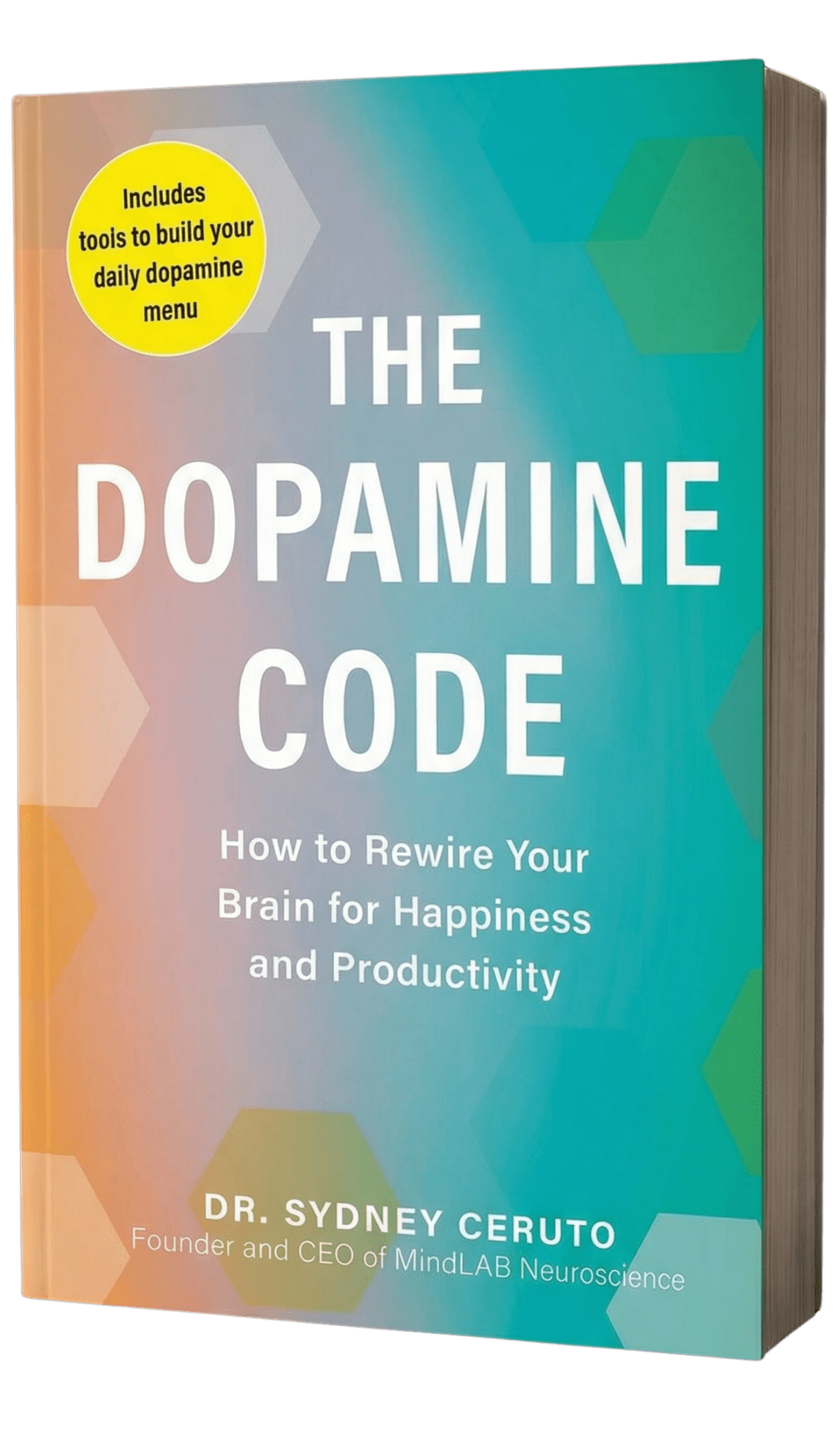
Dr. Ceruto holds a PhD in Behavioral & Cognitive Neuroscience from NYU and two Master’s degrees from Yale University. She lectures at the Wharton Executive Development Program at the University of Pennsylvania and has been an Executive Contributor to the Forbes Coaching Council since 2019. Dr. Ceruto is the author of The Dopamine Code (Simon & Schuster, June 2026). She founded MindLAB Neuroscience in 2000 and has spent over 26 years pioneering Real-Time Neuroplasticity™ — a methodology that permanently rewires the neural pathways driving behavior, decisions, and emotional responses.

References

Walker, M. P. (2017). Why We Sleep: Unlocking the Power of Sleep and Dreams. Scribner. https://doi.org/10.1016/j.smrv.2018.10.006

Xie, L., Kang, H., Xu, Q., Chen, M. J., Liao, Y., Thiyagarajan, M., O’Donnell, J., Christensen, D. J., Nicholson, C., Iliff, J. J., Takano, T., Deane, R., & Nedergaard, M. (2013). Sleep drives metabolite clearance from the adult brain. Science, 342(6156), 373-377. https://doi.org/10.1126/science.1241224

Van Someren, E. J. W. (2021). Brain mechanisms of insomnia: New perspectives on causes and consequences. Physiological Reviews, 101(3), 995-1046. https://doi.org/10.1152/physrev.00046.2019

Musiek, E. S., & Holtzman, D. M. (2016). Mechanisms linking circadian clocks, sleep, and neurodegeneration. Science, 354(6315), 1004-1008. https://doi.org/10.1126/science.aah4968

Success Stories

“Four hours a night for over two years — that was my ceiling. Supplements, sleep protocols, medication — nothing touched it because nothing addressed why my brain wouldn't shut down. Dr. Ceruto identified the cortisol loop that was keeping my nervous system locked in a hypervigilant state and dismantled it. I sleep now. Not because I learned tricks — because the pattern driving the insomnia no longer exists.”

Adrian M., Portfolio Manager Citadel New York, NY

“My kids had been sleeping through the night for three years, but my brain hadn't caught up. I was still waking every ninety minutes like clockwork — no amount of sleep hygiene or supplements touched it. Dr. Ceruto identified the hypervigilance loop that had hardwired itself during those early years and dismantled it at the source. My brain finally learned the threat was over. I sleep through the night now without effort.”

Catherine L., General Counsel Private Equity Greenwich, CT

“Endocrinologists, sleep clinics, functional medicine — every specialist cleared me, and no one could tell me why I was exhausted every single day. Dr. Ceruto identified that my HPA axis was locked in a low-grade stress activation I couldn't feel consciously. Once that pattern was disrupted at the neurological level, my energy came back in a way that felt completely foreign. I'd forgotten what it was like to not be tired.”

Danielle K., Chief Marketing Officer Luxury Retail Beverly Hills, CA

“My body had simply stopped knowing when to sleep. Crossing time zones weekly for over two years had broken something fundamental, and every protocol, supplement, and device I tried couldn't hold longer than a few days. Dr. Ceruto identified the disruption at the level of my suprachiasmatic nucleus and recalibrated the signaling pattern driving the dysfunction. Within weeks, my circadian rhythm locked back in. I sleep now. Consistently. Regardless of where I land.”

Jonathan K., VP of Global Operations Maersk

“When my youngest left for college, I didn't just feel sad — I felt erased. My entire sense of self had been wired to caregiving for two decades, and I didn't know who I was without it. Years of talk-based approaches hadn't touched it. Dr. Ceruto mapped the identity circuitry that had fused with the role and restructured it. I didn't find a new purpose — I found the one that had been underneath the whole time.”

Diane L., Senior Partner Management Consulting Chicago, IL

“Every close relationship I had eventually hit the same wall — I'd flood emotionally and shut down or explode, and nothing I'd tried gave me real control over it. Dr. Ceruto identified that my autonomic nervous system was defaulting to fight-or-flight the moment real intimacy was on the line. She didn't give me coping tools. She restructured the default. The flooding stopped because the trigger architecture changed.”

Simone V., Executive Director Arts Nonprofit New York, NY

Frequently Asked Questions About Sleep & Energy in Midtown Manhattan

What is sleep and energy support at MindLAB Neuroscience?

Sleep and energy support at MindLAB Neuroscience addresses the neurobiological systems that govern sleep initiation, sleep architecture, circadian timing (relating to the body's 24-hour biological clock), and sustainable cognitive energy. Dr. Ceruto identifies which specific mechanisms are driving the disruption — whether cortical hyperarousal, HPA axis dysregulation, circadian misalignment, autonomic imbalance, or neuroinflammatory load — and targets them directly rather than applying generalized sleep hygiene recommendations.

How is this different from conventional sleep programs or supplements?

Conventional approaches assume a structurally intact system that needs behavioral correction or chemical assistance. Dr. Ceruto’s methodology identifies the specific neural architecture sustaining the disruption. For some individuals, the primary driver is conditioned cortical arousal where the bedroom has become a trigger for wakefulness. For others, it is a flattened cortisol rhythm that has erased the hormonal distinction between day and night. The intervention targets the specific circuit, not a generic checklist.

What does the process look like?

The engagement begins with a Strategy Call — a phone-based conversation with Dr. Ceruto to assess the sleep and energy pattern, identify likely neurobiological drivers, and determine whether the methodology is the right fit. The $250 Strategy Call fee reflects the depth of this initial assessment. From there, a structured program is designed around the individual’s specific neural profile. Program structure and investment details are discussed during the Strategy Call.

How long until sleep and energy patterns begin to improve?

The timeline depends on which mechanisms are driving the disruption and how long they have been active. Some improvements, particularly in autonomic flexibility, sleep onset latency, and ultradian rhythm alignment, can emerge within weeks. Deeper changes in HPA axis — the body's central stress-response system — rhythmicity, circadian realignment, and neuroinflammatory recovery typically unfold over the course of the structured program. The brain retains the neuroplastic capacity (related to the brain's ability to rewire itself) to reconstruct healthy sleep architecture even after years of disruption.

Is this available for people who do not live in Midtown Manhattan?

Dr. Ceruto works with clients by phone. The Strategy Call and ongoing program are conducted remotely, making this accessible regardless of geographic location. The neuroscience applies universally; the Midtown Manhattan context reflects the specific environmental and occupational pressures that many clients in this area face.

Do I need a medical referral or diagnosis before starting?

No referral or diagnosis is required. The Strategy Call serves as the initial assessment, during which Dr. Ceruto evaluates the pattern and determines the appropriate methodology. Where medical evaluation would complement the neuroscience-based approach, Dr. Ceruto will recommend appropriate specialists.

What investment is involved?

The Strategy Call fee is $250. Program structure and investment details are discussed during that initial conversation, as the scope depends on the individual’s specific neural profile and the complexity of the disruption pattern.

Can this help if I have tried other approaches without lasting improvement?

Approaches that have not produced lasting results typically addressed surface-level symptoms without identifying the underlying neural mechanism. The brain’s learned patterns of hyperarousal, conditioned arousal responses, and autonomic imbalance persist until they are targeted at their neurobiological source. Dr. Ceruto’s methodology is specifically designed for patterns that have not resolved through conventional approaches.

Why is sleep disruption so prevalent among Midtown Manhattan professionals specifically?

Midtown concentrates every major sleep-disrupting factor into a single environment: billable-hours culture requiring 60+ hour weeks, the highest artificial light pollution in the country from Times Square suppressing melatonin production, noise levels that fragment sleep architecture, a meeting culture that eliminates cognitive recovery windows, and the absence of spatial boundaries between work and rest that prevents the brain from receiving the environmental signals that prompt the shift to recovery mode. The disruption is structural, not incidental.

If exhaustion is the main issue rather than insomnia, does this still apply?

Chronic fatigue and insomnia often share underlying mechanisms but present differently. Fatigue that persists despite sleep reflects neuroinflammatory, neuroendocrine, mitochondrial, or dopaminergic disruption (related to the brain's dopamine system) that requires its own targeted neurobiological intervention. Dr. Ceruto distinguishes between central fatigue originating in neural tissue and the sleep architecture disruption that may or may not accompany it. Both fall within this category of work.

Sleep disruption and energy depletion that persist despite effort are neurobiological patterns with identifiable mechanisms.

The Strategy Call is a focused conversation with Dr. Ceruto that maps the specific neural mechanisms driving your concerns and determines the right path forward.

Book a Strategy Call
MindLAB Neuroscience consultation room
Locations

The Intelligence Brief

Neuroscience-backed analysis on how your brain drives what you feel, what you choose, and what you can’t seem to change — direct from Dr. Ceruto.