The Brain-Gut Connection Is Real
“Approximately ninety to ninety-five percent of the body's serotonin and more than fifty percent of its dopamine are produced in the gut — your digestive system is not peripheral to your brain. It is a primary production site for the chemicals that govern how you think and feel.”
The gut and the brain are not separate systems. They are two ends of a continuous, two-way communication network that exchanges information through neural, hormonal, immune, and metabolic pathways every second of every day. The gut-brain axis is not a metaphor — it is a precisely mapped biological architecture. Its disruption produces cognitive and emotional consequences as real and measurable as any brain injury.
The enteric nervous system — sometimes called the second brain — contains roughly 500 million neurons embedded in the walls of the gastrointestinal tract. These neurons operate with some independence from the central nervous system, but they are in constant dialogue with the brain through the vagus nerve. Approximately 70 to 80 percent of vagal fibers carry information from the gut to the brain, not the other direction. This means the gut is primarily an information sender. It continuously shapes cortical function, emotional tone, and cognitive state through signals the conscious mind never registers.
How Your Gut Makes Brain Chemicals
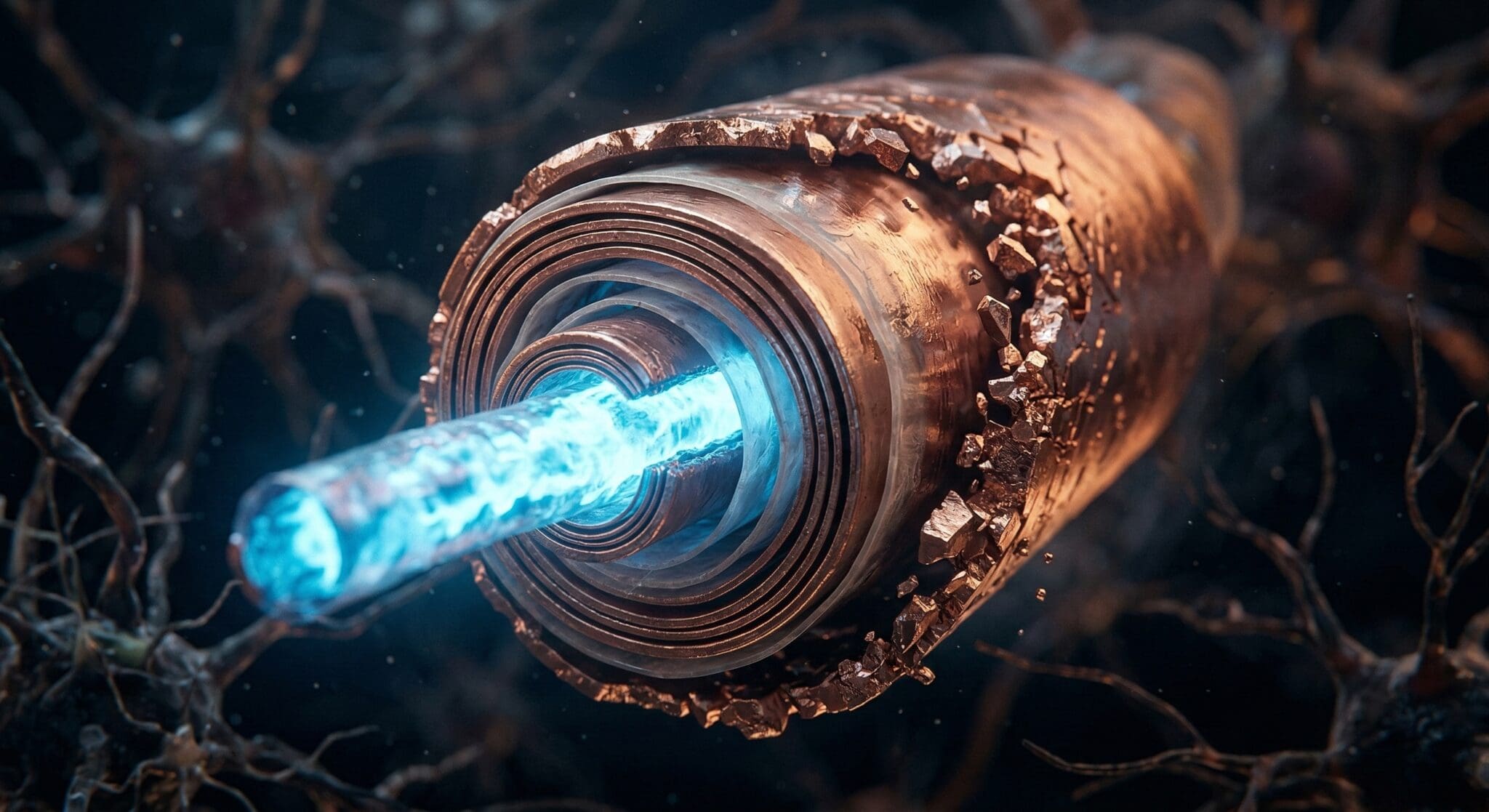
The neurotransmitter implications are profound. The gut microbiome directly participates in producing and regulating the chemical messengers that govern mood, motivation, focus, and cognitive calm. Approximately 95 percent of the body’s serotonin is produced in the gut by specialized cells whose activity is shaped by microbial metabolites. Gut bacteria also synthesize GABA, dopamine precursors, and short-chain fatty acids that cross into the brain and influence memory, executive function, and emotional reactivity.
When Stress Disrupts the System
When the gut microbiome is disrupted, a condition called dysbiosis, the downstream effects on brain function are substantial. Chronic psychological stress reshapes the gut microbiome at the species level. High chronic stress reduces gut microbial diversity, including the anti-inflammatory bacteria that regulate brain inflammation and maintain gut barrier integrity. Their depletion creates a pro-inflammatory gut environment. That inflammation feeds back into the brain through the vagus nerve and bloodstream, compounding anxiety, cognitive fatigue, and mood instability.
The gut barrier itself is a critical variable. Under healthy conditions, the intestinal lining maintains selective permeability, allowing nutrients through while blocking inflammatory molecules and bacterial toxins. Chronic stress, poor diet, disrupted sleep, and certain medications compromise this barrier. Inflammatory compounds then enter the bloodstream. These molecules activate immune signals that ultimately increase the brain’s own barrier permeability, enabling peripheral inflammation to reach brain tissue and trigger responses that impair cognition and destabilize mood.
The Science Behind Depression and Anxiety
Research has demonstrated the causal direction of this relationship with striking clarity. Microbial communities in people with depression differ measurably from those in healthy individuals. Gut transplants from individuals with depression induce low-motivation and anxiety-like behaviors in animal models. This is not correlation. The gut microbiome actively shapes the neurochemical environment in which the brain operates.
The Daily Rhythm of Gut Health
The vagus nerve serves as the primary conduit for gut-to-brain signaling. Vagal afferent fibers, carrying information toward the brain, detect microbial metabolites, inflammatory markers, and neurotransmitter precursors in the gut. They relay this information to brainstem centers that activate the emotional processing, executive control, and hormonal regulation systems. When vagal tone is compromised, the quality and speed of this communication degrades. The brain is effectively cut off from critical regulatory signals originating in the gut.
The circadian dimension of gut-brain health is increasingly recognized as critical. Gut microbes operate on their own daily rhythms, with different bacterial populations dominating at different times of day. These microbial rhythms influence the timed production of neurotransmitter precursors, short-chain fatty acids, and immune-modulating compounds. When eating schedules are irregular, these microbial rhythms are disrupted. Downstream neurotransmitter availability shifts in ways that impair mood stability and cognitive consistency throughout the day.
BDNF — a protein that supports brain cell growth — is itself influenced by gut microbiome health. Gut-derived short-chain fatty acids, particularly butyrate, cross into the brain and boost BDNF production in memory regions. When the microbial populations producing these compounds are depleted by stress or dietary disruption, BDNF signaling drops. The brain’s capacity for learning, memory consolidation, and adaptive thinking is directly impaired. This gut-mediated BDNF pathway explains why the cognitive benefits of exercise often exceed what brain mechanisms alone would predict. Exercise simultaneously increases gut microbiome diversity and brain BDNF through converging pathways.
Beyond Diet: The Complete Approach
Dr. Ceruto’s approach to gut-brain axis optimization addresses this system at the neurological level rather than the dietary level alone. While nutrition matters, the neuroscience of the gut-brain axis extends far beyond what someone eats. It encompasses vagal tone, HPA axis regulation (the body’s central stress-response system), circadian timing of food intake, stress-driven microbiome disruption, and the inflammatory pathways that connect gut barrier integrity to cognitive performance. A neuroscientist addresses the brain side of this equation — how vagal signaling, neurotransmitter production, and inflammatory cascades interact to produce the cognitive and emotional symptoms that conventional gastroenterology and nutrition cannot fully explain. Endocrinologists and gastroenterologists manage the clinical side; Dr. Ceruto provides the neuroscience framework for understanding why the brain is affected and what can be done to optimize that connection.

For deeper context, explore gut brain axis and mental health.