Sleep is not a passive event. It is an actively orchestrated neurobiological process governed by specific brain networks, hormonal cascades, and electrical oscillations that must unfold in a precise sequence. When that sequence is disrupted — not once, but chronically — the consequences extend far beyond tiredness. Decision-making degrades, emotional regulation weakens, and the brain’s ability to clear metabolic waste during the night slows to a fraction of its normal capacity.
Most people who struggle with sleep understand its importance intellectually. They have read the research, downloaded the tracking apps, and experimented with supplements and routines. Yet sleep continues to elude them. The reason is neurological, not informational: the very cognitive patterns that drive high performance during waking hours are structurally incompatible with the neural disengagement that healthy sleep requires.
The Problem: A Brain That Cannot Downshift
During the hours before sleep, the brain must transition from externally focused task execution to a state of internal quiet. This transition depends on the Default Mode Network it surges. The result is an uncontrollable cascade of mental replay: unfinished conversations, tomorrow’s decisions, unresolved problems cycling on repeat.
Simultaneously, the hypothalamic-pituitary-adrenal axis — the brain’s central stress response system — maintains elevated cortisol levels well past the evening hours when cortisol should be declining. Functional connectivity — how brain regions communicate in real time — studies show that when Default Mode Network activity remains elevated during the pre-sleep period, it directly predicts longer sleep onset latency, more frequent nighttime awakenings, and reduced sleep efficiency.

The cumulative impact is severe. Restricting sleep to six hours per night for just fourteen consecutive days produces cognitive performance deficits equivalent to two full nights of total sleep deprivation. Yet the person experiencing this decline is largely unaware of it — subjective sleepiness ratings do not accurately reflect actual cognitive impairment under chronic restriction.
The Mechanism: Why Information Alone Does Not Fix Sleep
The neural architecture of sleep disruption operates below the level of conscious awareness. Three systems interlock to perpetuate the problem.
First, cortical hyperarousal keeps the brain locked in a state of active processing. This hyperarousal has been measured not only at sleep onset but across the entire 24-hour cycle in individuals with chronic sleep disruption, confirming that it is a trait-level pattern, not a situational response.
Second, the glymphatic system — the brain’s dedicated waste-clearance network — depends on deep slow-wave sleep to function. During sleep, the interstitial space between brain cells expands by approximately 60%, allowing cerebrospinal fluid to flush metabolic byproducts including beta-amyloid and tau proteins. When sleep architecture is compressed or fragmented, this clearance process is dramatically impaired, and neurotoxic waste accumulates.
Third, synaptic homeostasis requires sustained, uninterrupted slow-wave activity. Without adequate synaptic downscaling — the sleep-driven weakening of over-strengthened connections — the brain begins each new day with a saturated network, reducing its capacity for new learning and adaptive decision-making.
The Solution: Restructuring Sleep at the Neural Level
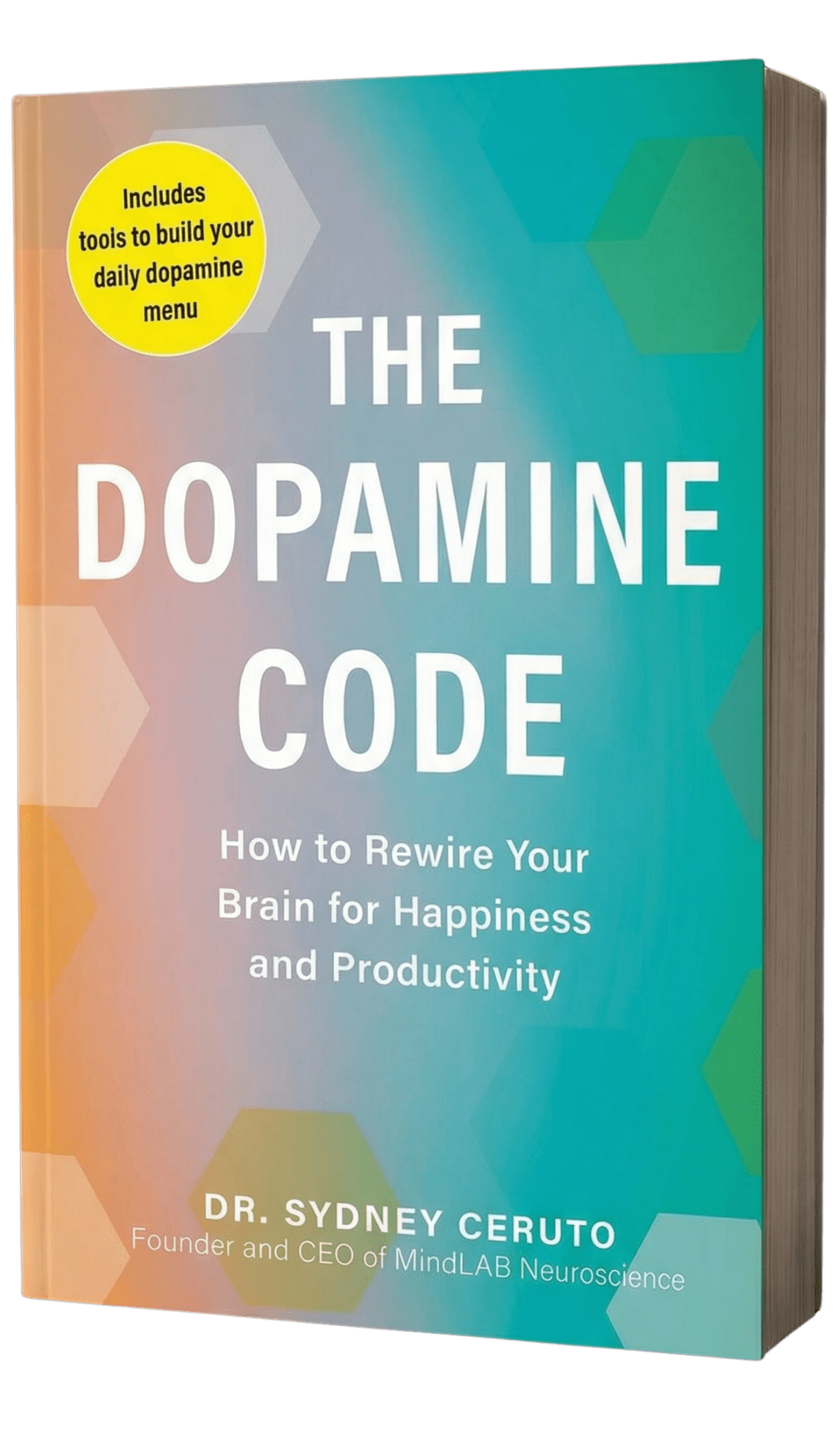
Dr. Ceruto’s approach to sleep coaching begins with a precise mapping of the neurobiological patterns driving each individual’s sleep disruption. Rather than offering generic sleep hygiene advice, the methodology identifies which specific systems are dysregulated and targets intervention at that level.
For individuals whose pre-sleep period is dominated by ruminative mental replay, the work involves retraining the brain’s transition from task-positive to default-mode activity through structured neural deactivation protocols. For those with measurable autonomic imbalance, vagal tone training addresses the physiological barrier directly.
The distinction matters because sleep cannot be willed into existence. It emerges through the withdrawal of effort, not the application of it. Every neural pattern that makes a person effective during waking hours — focused attention, goal monitoring, performance evaluation — must be suspended for sleep to occur. Dr. Ceruto’s methodology teaches the brain to make that suspension automatic again, rebuilding the architecture of effortless sleep that chronic disruption has eroded.
For deeper context, explore circadian health and sleep optimization.