Hippocampus

The architect of memory and learning. Protect this vital region from stress-induced atrophy to preserve long-term cognitive function and emotional context.

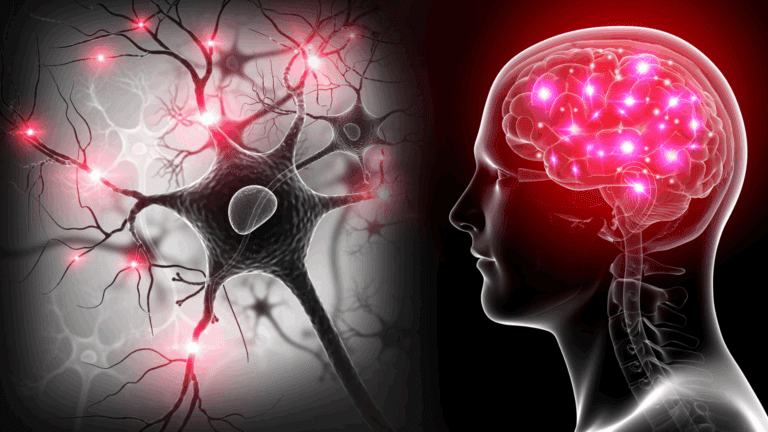
Side profile of human brain with highlighted neural pathways representing the science behind neuroplasticity and brain structure.
Read More
Brain silhouette inside a lightbulb surrounded by neural network nodes, representing working memory and the neuroscience behind brain function.
Read More
Cover image of a glowing neural brain in blue and purple, illustrating the neuroscience of novelty.
Read More
Harnessing the Power of Neuroplasticity Through Brain Training,
Read More
A leader's shadow stands at the edge of a deep chasm, symbolizing the challenges of overcoming obstacles in leadership.
Read More
"Fear of change" written on a chalkboard next to a stopwatch, symbolizing the urgency of overcoming resistance to change.
Read More
Warning sign indicating an insecure website with potential risk.
Read More
a man sitting on a bed
Read More
Man looking out window with Self-Awareness as he sees his reflection
Read More
Neurogenesis illustrated with active brain neurons firing
Read More

The Librarian of the Brain

The Hippocampus is a seahorse-shaped structure deep in the temporal lobe. It is the central processor for Long-Term Memory and Spatial Navigation. It takes fleeting short-term memories (from the Prefrontal Cortex) and consolidates them into stable long-term storage during sleep.

Vulnerability to Stress

The Hippocampus is uniquely sensitive to cortisol. It is covered in glucocorticoid receptors.

  • Neurotoxicity: Chronic stress floods the hippocampus with cortisol, which can literally kill neurons and shrink the structure. This is why stressed or traumatized individuals often suffer from memory fragmentation or “brain fog.”

  • Emotional Context: The Hippocampus works closely with the Amygdala to attach emotional weight to memories. This is why we remember insults better than compliments—a survival mechanism that can lead to rumination.

Neuroplasticity Hub

The Hippocampus is one of the few brain regions capable of Neurogenesis (growing new brain cells) throughout adulthood. Aerobic exercise is the single most potent trigger for this, releasing BDNF (Brain-Derived Neurotrophic Factor) to grow the library.

Unlock the Power of Your Mind!

Join my inner circle for exclusive insights and breakthroughs to elevate your life.

Ultimate Concierge Coaching Experience
Form

Exclusively for Those Who
Demand the Best

Limited Availability

Your Journey to Unparalleled Personal and Professional Growth Starts Here

One-on-One Exclusive Access
Form

Shape Your
Destiny

Limited Availability

A Truly Bespoke, One-on-One Journey with Dr. Sydney Ceruto

Instant Access!

Download The Influence Within and discover how small shifts lead to big transformations.