The Art of Cognitive Influence
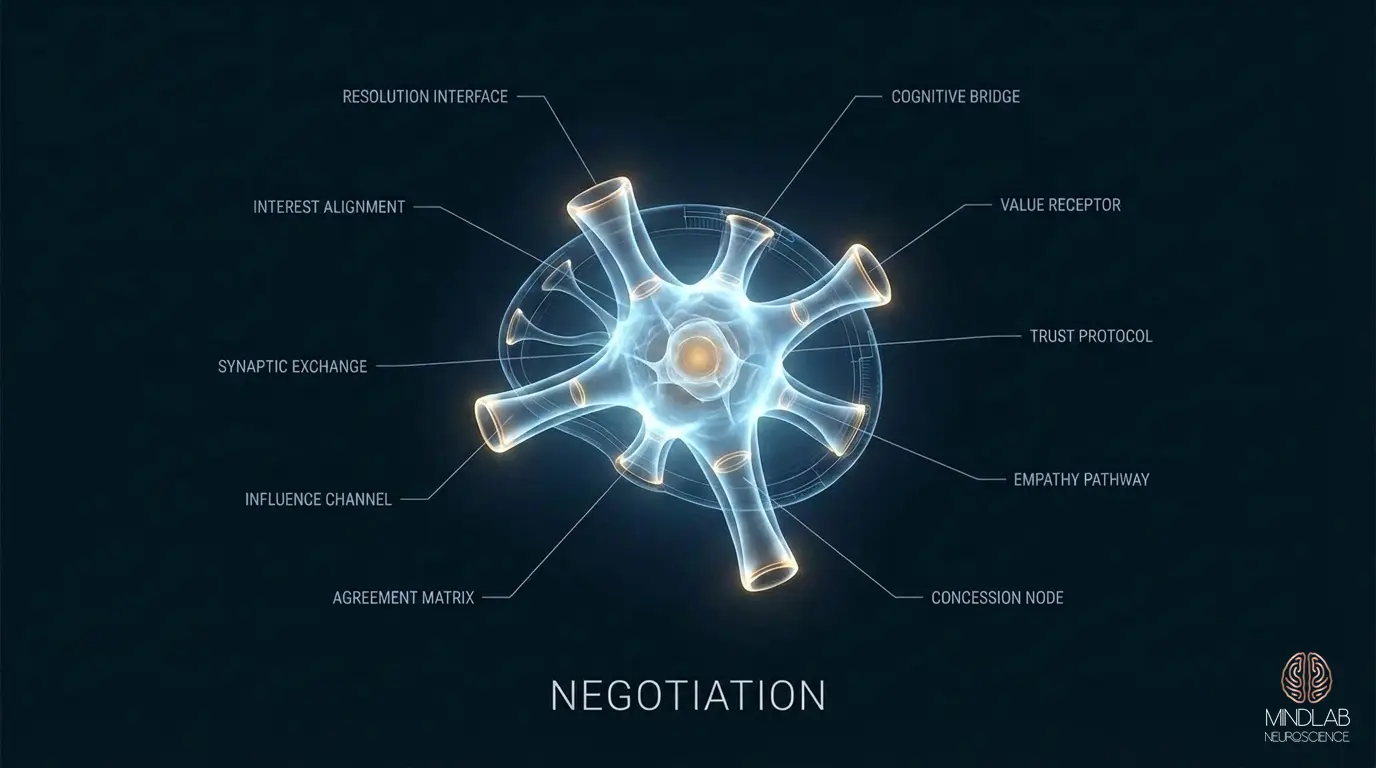
Negotiation is not a battle of logic; it is a battle of Emotional Regulation. The person who is most calm (regulated) usually wins because they retain access to their Prefrontal Cortex, while the agitated person acts from their Amygdala.
Mirror Neurons & Empathy
Strategic empathy is the tool of the master negotiator.
-
Tactical Empathy: By labeling the other person’s emotions (“It seems like you’re worried about the timeline”), you down-regulate their amygdala. When they feel “heard,” their defenses drop, and they become open to influence.
-
The “No” Advantage: Pushing for a “Yes” too early triggers defensiveness. Getting the other person to say “No” (e.g., “Are you against this idea?”) makes them feel in control and safe, which paradoxically opens the door to agreement.
Framing Effects
The brain is loss-averse.