Social Skills

The mechanics of interpersonal influence. We examine the neural basis of “Theory of Mind,” the decoding of non-verbal signals, and protocols to calibrate behavior for rapport and hierarchy navigation.

a person's fingers touching a brain meant to reference theory of mind
Read More
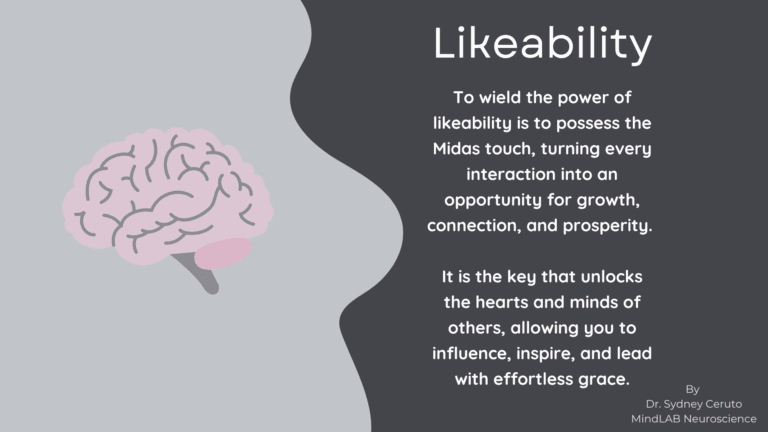
Illustration of a brain with text about likeability. Likeability is key to unlocking growth and connection.
Read More
a lonely red heart surrounded by black hearts
Read More
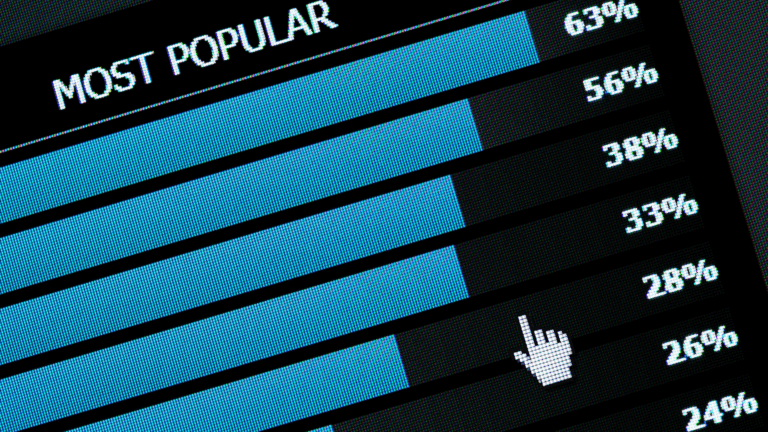
a screen shot of a computer showing popularity
Read More
Group dinner scene highlighting challenges of social anxiety disorder.
Read More
Emotional intelligence concepts illustrated on post-its with a keyboard backdrop.
Read More
Life Coaching process, Woman biting nails, depicting communication anxiety and need for life coaching, self-improvement strategies for addressing fear and self-doubt in social interaction, life coaching process
Read More
Silhouette of two hands forming a heart shape in front of a sunset, symbolizing the longing to meet anyone and the search for meaningful connection.
Read More
EQ
Read More
Projection vs Empathy
Read More

NEUROBIOLOGICAL CONTEXT

The Default Setting

The human brain is socially wired by default. When not engaged in a specific task, the brain reverts to the Default Mode Network (DMN), which largely overlaps with the “social brain.” Evolutionarily, social exclusion was a death sentence, so the brain invests massive metabolic energy into tracking status, allies, and group dynamics. Social skills are not “soft skills”; they are the survival algorithms of a tribal species.

Theory of Mind (ToM)

The core cognitive mechanism behind social competence is Theory of Mind: the ability to attribute mental states—beliefs, intents, desires—to others and understand that they differ from one’s own.

  • The TPJ Hub: This process is centered in the Temporoparietal Junction (TPJ). It acts as a simulator, allowing you to run a mental model of how someone else will react to your words before you speak them.

  • The Prediction Gap: Social awkwardness often stems from a “prediction error” in this system—failing to accurately simulate the other person’s perspective, leading to behavior that feels “out of sync.”

Signal Calibration

Effective social interaction requires high-frequency “calibration”—the continuous adjustment of behavior based on real-time feedback.

  • Salience Detection: The Anterior Insula reads internal bodily cues (gut feelings) while the amygdala scans external faces. High social intelligence is the integration of these two data streams.

  • Synchrony: Rapport is biologically measurable as neural synchrony. By matching tone, tempo, and posture (mirroring), you reduce the other person’s “threat detection” load, signaling that you are “same” (safe) rather than “other” (unpredictable).

Unlock the Power of Your Mind!

Join my inner circle for exclusive insights and breakthroughs to elevate your life.

Ultimate Concierge Coaching Experience
Form

Exclusively for Those Who
Demand the Best

Limited Availability

Your Journey to Unparalleled Personal and Professional Growth Starts Here

One-on-One Exclusive Access
Form

Shape Your
Destiny

Limited Availability

A Truly Bespoke, One-on-One Journey with Dr. Sydney Ceruto

Instant Access!

Download The Influence Within and discover how small shifts lead to big transformations.