
Key Takeaways
- Coping with depression is daunting; the latest neuroscience findings offer hope and empowerment.
- Understanding how the brain functions lets individuals build effective strategies to overcome depression.
- Neuroplasticity offers a powerful mechanism for restructuring the neural circuits that maintain depressive patterns.
- Prefrontal cortex, reward circuitry, and inflammatory pathways each drive depression differently and respond to intervention.
- Combining physical, cognitive, social, and professional strategies produces the strongest, most durable outcomes.
Depression is a debilitating mental health condition that affects millions worldwide. While coping with depression can be a daunting challenge, the latest findings in neuroscience offer hope and empowerment. By understanding how the brain functions and leveraging this knowledge, it becomes possible to develop effective strategies to overcome depression and reclaim a sense of agency over one’s own mental well-being.
Depression is not only a mood. It is reduced hippocampal volume and stalled neurogenesis, which is precisely why the brain’s capacity to regrow becomes the way out.
1. Rewire Your Brain: Neuroplasticity and Ways to Overcome Depression
Recent studies have shown that the brain is capable of reorganizing itself in response to new experiences. This concept, known as neuroplasticity as a tool for overcoming depression, offers a powerful mechanism in the fight toward overcoming depression. By engaging in activities that stimulate neural growth and connectivity, such as focused attention practices and exercise, the brain can be rewired to better cope with depression.
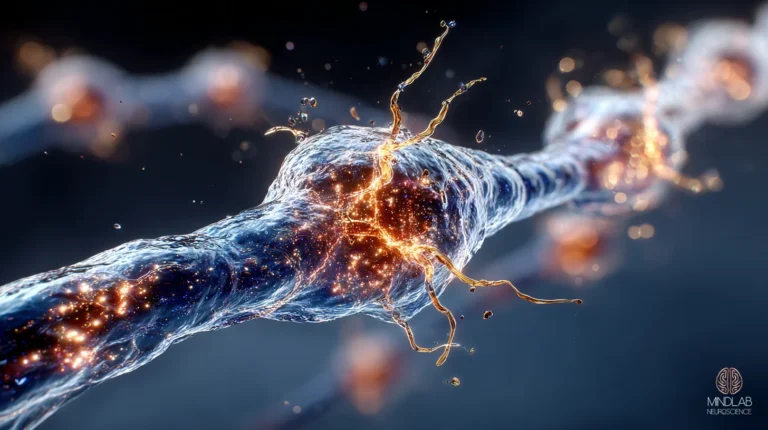
The specific neuroplastic mechanism most relevant to depression is hippocampal neurogenesis, the brain’s capacity to generate new neurons in the hippocampus, a region consistently found to be reduced in volume among individuals experiencing prolonged depressive episodes. Synaptic dysfunction in the prefrontal cortex and hippocampus is a core feature of depression, and that interventions which restore synaptic connectivity produce measurable mood improvement. Brain-derived neurotrophic factor (BDNF), a protein critical for neuronal survival and growth, is significantly depleted in depression and can be restored through aerobic exercise, cognitive engagement, and structured behavioral activation, each of which stimulates BDNF production and promotes the synaptic repair that underlies genuine recovery.
Exercise has long been recognized as an effective natural antidepressant in overcoming depression.
2. Build Resilience: The Role of the PFC in Overcoming Depression
The prefrontal cortex, responsible for decision-making and emotional regulation, plays a critical role in why people may suffer from depression, but also holds the answer to how individuals can begin overcoming depression. By strengthening this region through practices like mindfulness and cognitive restructuring, resilience can be built and depressive indicators better managed. Research has shown that individuals with depression often exhibit reduced activity in the prefrontal cortex, which can lead to impaired emotional regulation and decision-making.
The prefrontal cortex is not a monolithic structure, different subregions serve distinct functions in the context of depression. The dorsolateral prefrontal cortex supports cognitive control and the ability to shift attention away from ruminative thought patterns. The ventromedial prefrontal cortex integrates emotional information with decision-making and self-referential processing. In depression, both regions show characteristic underactivation, while the amygdala, the brain’s threat-detection center, shows hyperactivation. This imbalance creates a neurological environment in which negative emotional signals dominate cognitive processing, making it difficult to generate the motivation, perspective, and problem-solving capacity needed to interrupt the depressive cycle. Structured interventions that strengthen prefrontal engagement gradually restore the balance between these systems.
3. Exercise: The Natural Antidepressant to Overcoming Depression
Exercise has long been recognized as an effective natural antidepressant in overcoming depression. By releasing endorphins and stimulating neural growth, regular physical activity can help alleviate depressive patterns and improve mood. Research published in the Journal of Clinical Psychology found that exercise can meaningfully reduce indicators of depression.
4. Sleep: The Key to Emotional Regulation and Overcoming Depression
Sleep disturbances are a common indicator of depression. By prioritizing sleep and establishing a consistent sleep schedule, individuals can improve emotional regulation and reduce depressive patterns. Research has shown that sleep deprivation can lead to increased activity in the amygdala, a region responsible for emotional processing, which can exacerbate depressive patterns.
The relationship between sleep and depression operates through multiple mechanisms. During slow-wave sleep, the glymphatic system, the brain’s waste clearance pathway, removes metabolic byproducts that accumulate during waking hours, including inflammatory molecules that contribute to depressive neurochemistry. When this clearance process is disrupted by insufficient or fragmented sleep, inflammatory burden increases and neuroplastic capacity decreases, creating a self-reinforcing cycle between poor sleep and worsening mood. Additionally, REM sleep serves a critical function in emotional memory processing, during REM, the brain strips the emotional charge from difficult experiences, allowing them to be stored as neutral memories rather than active triggers. Disrupted REM processing means that negative emotional experiences retain their full intensity, contributing to the emotional reactivity and rumination that characterize depression.
5. Social Connection: The Power of Human Relationships And Depression
Social isolation is a significant risk factor for depression. By nurturing strong social connections and engaging in activities that promote social interaction, individuals can build a support network that helps overcome depression. A study published in the Journal of Social and Clinical Psychology found that social support can substantially reduce indicators of depression.
The neuroscience underlying this finding is compelling. Social interaction activates the brain’s mirror neuron system, which generates internal representations of others’ emotional states and creates the subjective experience of feeling understood. This process stimulates oxytocin release, which dampens HPA axis reactivity and reduces the chronic cortisol elevation that drives many of the neurobiological changes associated with depression. Critically, the quality of social connection matters more than the quantity, a single relationship characterized by genuine emotional attunement produces greater neurochemical benefit than multiple superficial social contacts. For individuals experiencing depression, the withdrawal impulse is neurologically driven but behaviorally counterproductive: the brain’s threat-detection system signals that social engagement is dangerous precisely when social connection would provide the greatest protective benefit.
6. Mindfulness and Overcoming Depression: The Art of Living in the Present
Mindfulness practices, such as focused attention and deep breathing, have been shown to reduce depressive patterns by promoting a greater sense of self-awareness and emotional regulation. By focusing on the present moment, individuals can reduce rumination and negative thought patterns that contribute to depression. Research has shown that mindfulness can increase activity in the prefrontal cortex, leading to improved emotional regulation and reduced indicators of depression.
The Role of Neuroinflammation in Depressive Patterns
An increasingly important body of research has identified neuroinflammation as a significant contributor to depressive episodes. Elevated levels of pro-inflammatory cytokines, signaling molecules produced by the immune system, have been consistently found in individuals experiencing depression. These inflammatory markers cross the blood-brain barrier and directly affect neurotransmitter metabolism, reducing serotonin and dopamine availability while simultaneously impairing the neuroplastic processes needed for recovery.
The practical implication is that strategies addressing inflammation, anti-inflammatory nutrition, regular aerobic exercise, adequate sleep, and stress reduction, are not merely supportive measures but direct interventions targeting one of the biological mechanisms maintaining the depressive state. This inflammatory dimension also explains why depression so frequently co-occurs with chronic physical health conditions that involve systemic inflammation, and why addressing the whole-body inflammatory burden often produces mood improvements that purely cognitive interventions alone cannot achieve.
7. Seek Professional Guidance: The Power of Neuroscience-Based Advisory Work
These strategies work best alongside personalized guidance. Working with a neuroscience-based practitioner can provide personalized support and guidance, helping develop a comprehensive plan to overcome depression. Unlike traditional approaches, neuroscience-based advisory work focuses on understanding how the brain works and what it responds to, allowing for a more targeted and effective approach, the focus of the broader depression and motivational drive work.
Traditional approaches often focus on talk-based methods, which may not be effective for everyone. In contrast, neuroscience-based advisory work takes into account the latest findings in neuroscience, providing a more comprehensive understanding of the brain and its functions. By working with a practitioner who understands how the brain responds to different stimuli, individuals can develop a personalized plan that addresses the root causes of depression.

A neuroscience-based practitioner can help individuals:
- Understand the Brain: Learn how the brain processes information and how it responds to different stimuli, allowing for informed decisions about mental health.
- Develop Effective Strategies: Create personalized strategies that take into account the brain’s unique needs and responses, helping overcome depression and achieve long-term success.
- Build Resilience: Develop the skills and mindset needed to build resilience and better cope with stress and adversity.
By incorporating neuroscience-based advisory work into a recovery plan, individuals can unlock the full potential of the brain and overcome depression with lasting results.
Latest Neuroscience Findings on Overcoming Depression
- Brain Shrinkage and Inflammation: Depression can cause structural changes to the brain, including shrinkage of regions like the hippocampus, thalamus, and amygdala. Inflammation can also lead to reduced neuroplasticity and neurotransmitter functioning.
- Neurotransmitter Imbalance: Depression has been linked to imbalances in neurotransmitters like serotonin, dopamine, and norepinephrine, which play a crucial role in mood regulation.
- Brain Circuits and Connectivity: Research suggests that depression may involve abnormalities in functional connectivity between different brain regions, rather than a single localized anomaly.
Bottom Line
Overcoming depression requires a multifaceted approach that incorporates the latest findings in neuroscience. By understanding the neural mechanisms underlying depression and leveraging these 7 proven strategies, individuals can take the first steps toward a healthier life with greater emotional stability and genuine well-being. Depression is not a sign of weakness, and seeking help is a sign of strength. A neuroscience-trained practitioner provides personalized guidance and support that targets the specific neurological patterns maintaining the depressive cycle, producing results that generic approaches cannot match.
What does current neuroscience tell us about the nature of depression?
Current neuroscience frames depression as a complex neurobiological pattern involving dysregulation across multiple systems: reduced dopaminergic activity in the brain’s reward circuitry (explaining motivational deficit), impaired serotonin regulation (affecting mood stability), elevated inflammatory markers (increasingly linked to depressive episodes), and functional changes in prefrontal cortex activity (affecting cognitive performance and emotional regulation). This multi-system understanding explains why depression produces such a wide range of effects, from anhedonia and fatigue to cognitive impairment and physical indicators.
What are the most effective neuroscience-backed strategies for resolving depression?
The strongest neuroscience evidence supports: aerobic exercise (stimulates BDNF and neurogenesis, produces acute and sustained mood improvement), behavioral activation (re-engages the reward system through structured activity before motivation feels available), sleep optimization (restores neurochemical regulation critical to mood and cognitive function), mindfulness-based practices (reduces ruminative default mode network activation), dietary approaches that reduce neuroinflammation, and structured cognitive interventions that address the automatic negative thinking patterns that maintain the depressive cycle.
Why do depressed individuals often lack the motivation to do the things that would help them?
This is not a paradox, it is the core neurobiological mechanism of depression. The mesolimbic dopamine system that generates motivational drive to pursue rewarding activities is precisely the system most suppressed in depression. The brain in a depressed state cannot generate the anticipatory enthusiasm that normally precedes action. Effective depression interventions work around this by initiating small behavioral steps before the motivation is felt, gradually re-engaging the reward system through action rather than waiting for motivation to initiate action.
Is depression always a chemical imbalance, or are there other factors?
The “chemical imbalance” framing is an oversimplification that the neuroscience research has significantly revised. Depression reflects a complex interaction between neurobiological vulnerabilities (including genetic predispositions affecting serotonin and dopamine systems), environmental stressors that activate those vulnerabilities, learned cognitive patterns that maintain negative mood states, social isolation that removes protective relational factors, and lifestyle factors that either support or impair neurochemical regulation. An effective approach addresses multiple dimensions of this complexity rather than targeting a single mechanism.
When should someone with depression seek professional support?
Professional support is warranted when depressive episodes significantly impair daily functioning, work performance, or relationships; when self-help strategies produce insufficient improvement; when episodes are recurring or escalating in intensity; or when thoughts of self-harm are present. A neuroscience-based practitioner provides personalized intervention that addresses the specific neurological and cognitive patterns driving an individual’s depression, rather than a generic protocol, significantly increasing the probability of lasting resolution.
References
- Bassett, D. S. and Sporns, O. (2017). Network neuroscience. Nature Neuroscience, 20(3), 353-364. https://doi.org/10.1038/nn.4502
- Kolb, B. and Gibb, R. (2014). Searching for the principles of brain plasticity and behavior. Cortex, 58, 251-260.
- Duman, R. S. and Aghajanian, G. K. (2012). Synaptic dysfunction in depression: Potential therapeutic targets. Science, 338(6103), 68-72.
Crisis & mental-health support resources
If you are in crisis or thinking about harming yourself, support is available right now.
- 988 Suicide & Crisis Lifeline: call or text 988 (24/7, free, confidential).
- Crisis Text Line: text HOME to 741741.
- If you are in immediate danger, call 911 or go to your nearest emergency room.