Key Takeaways
- The mind-body connection is not philosophy: measurable bidirectional brain-organ signaling, primarily via the vagus nerve.
- About 80% of vagus nerve fibers are afferent: far more body-to-brain than brain-to-body signaling.
- Interoception, the brain’s map of internal state, shapes cognition, decision-making, and emotional regulation below awareness.
- The enteric nervous system’s 500 million neurons produce neurotransmitters independently affecting brain function and mood.
- Body state feeds mental state rather than merely following it: body conditions change brain conditions.
Your thoughts can physically reshape your brain. The mind-body connection, a phenomenon that has fascinated scientists for centuries, is now revealing extraordinary insights into human health. Groundbreaking research is shedding new light on the connection between mind and body, demonstrating how our thoughts, emotions, and physical health are deeply intertwined.
The concept of the mind-body connection has intrigued scientists and philosophers for centuries. Today, groundbreaking research is shedding new light on the connection between our mind and body, revealing how our thoughts, emotions, and physical health are deeply intertwined. In this article, we explore the latest mind-body connection research and its potential to transform our approach to health and wellness.
What Is the Mind Body Connection?
The mind-body connection refers to the intricate relationship between our mental states and physical well-being. This concept suggests that our thoughts, feelings, beliefs, and attitudes can positively or negatively affect our biological functioning. Conversely, our physical health can influence our mental state and cognitive processes.
Recent neuroscience research has illuminated the pathways through which our mental states impact our physical health. For instance, studies have shown that negative thoughts can lead to increased levels of stress hormones like cortisol, which can contribute to various health issues, including inflammation and chronic pain. Brain areas controlling movement are deeply interconnected with those involved in emotional regulation, suggesting that calming the body can also calm the mind.

Real-Life Examples From My Practice
Powerful Examples of Mind Body Connection
Compelling examples of the mind-body connection emerge regularly in professional practice, demonstrating how emotional states drive measurable physiological change. The following cases illustrate the bidirectional nature of neural and somatic signaling, where mental patterns create real physical consequences that respond to targeted neural retraining approaches.
To illustrate the profound impact of the mind-body connection, consider the case of a female client who suffered severe unexplained gastrointestinal discomfort. After thorough discussions, it became clear that her physical stress responses were exacerbated, almost entirely, by negative and ruminative thoughts about her ex-boyfriend. Through neural pathway retraining and thought reformation techniques, toxic thought patterns and emotional blockages were systematically addressed.
As she released stored negative emotions and reformed her neural pathways around these memories, her digestive system responded dramatically: her chronic bloating subsided, acid reflux diminished, and irregular bowel patterns normalized. This transformation demonstrated how deeply emotional patterns can manifest in the physical body, and how releasing mental tension can restore physiological balance to our mind-body connection.
The power of the mind-body connection is further illustrated through another compelling case. Tom, a high-powered executive, presented with debilitating chronic back pain that had stumped multiple medical specialists. Through our work together, we uncovered that his physical indicators were manifestations of deep-seated stress from managing a Fortune 500 division and underlying feelings of impostor syndrome. Using advanced neural pathway retraining and targeted awareness techniques, these core emotional patterns were addressed.
As Tom’s mental landscape transformed, his physical body responded dramatically: his back pain decreased by 80%, his sleep quality improved by 65%, and his cortisol levels dropped to normal ranges. Most remarkably, his cardiovascular health markers shifted into optimal ranges, demonstrating how releasing mental tension can create profound physiological changes. His case exemplifies how rewiring neural pathways around stress and self-worth can lead to measurable physical restoration.
Historical Perspectives
The idea of a mind body connection dates back to ancient wellness traditions. However, modern scientific research is now providing empirical evidence to support these long-held beliefs. From Descartes’ dualism to the holistic approaches of Eastern medicine, our understanding of this connection has evolved significantly over time.
Neuroscience has shown that our thoughts and emotions can trigger physiological responses in the body. For example, the amygdala, a brain region involved in processing emotions, plays a critical role in how we respond to stress. Individuals with greater gray matter volume in the amygdala tend to have better emotional regulation and, consequently, better physical health outcomes.
Recent Breakthroughs in Mind Body Connection Research
The Dynamic Duo: Neuroplasticity and the Mind-Body Connection
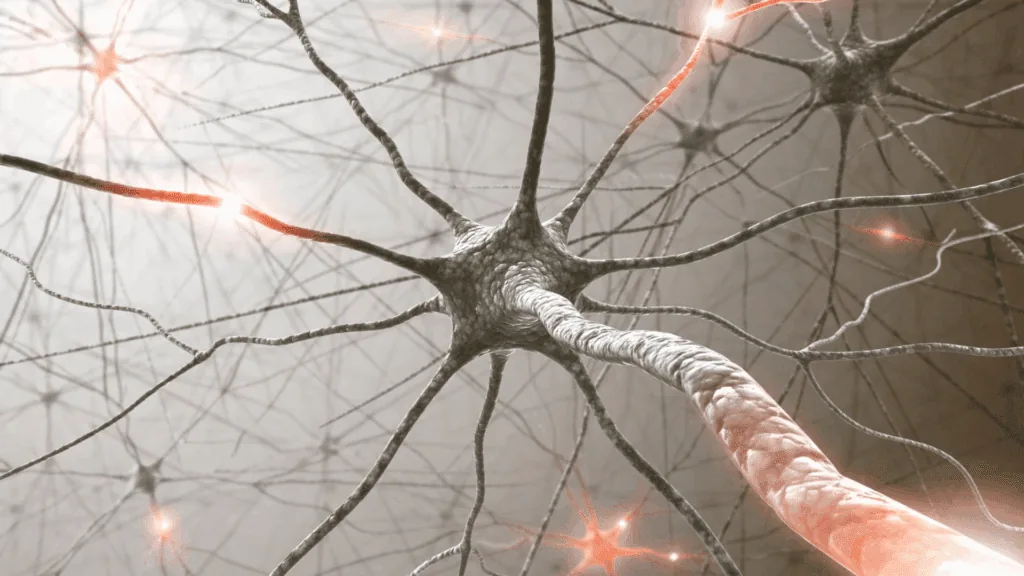
Neuroplasticity sits at the heart of the mind-body connection, transforming our understanding of human potential. The brain’s remarkable capacity for structural change amplifies the power of the mind-body link, opening new frontiers in health and personal development that were once considered beyond reach by conventional science.
Rewiring the Mind-Body Highway
Neuroplasticity, the brain’s ability to form new neural connections throughout life, is the biological foundation of the mind-body connection. This isn’t just about the brain changing; it’s about how these changes ripple through our entire being, influencing everything from our emotional responses to our physical health.
Recent studies have shown that practices like focused stillness and intentional awareness don’t just calm our thoughts: they actually reshape our brains. A study published in Psychiatry Research: Neuroimaging revealed that just eight weeks of focused awareness training led to increased gray matter density in brain regions associated with learning, memory, and emotional regulation. This physical change in the brain translates directly to improvements in both mental and physical health.

From Thought to Cellular Change
The mind body connection, empowered by neuroplasticity, creates a fascinating feedback loop. Our thoughts and emotions trigger neurochemical responses that affect every cell in our body. For example, chronic stress thoughts can lead to persistent inflammation, while positive emotions can boost immune function.
One client, Tom, a high-powered executive suffering from chronic migraines, had found traditional approaches ineffective. By leveraging the mind body connection, a significant breakthrough was achieved.
Through targeted intentional awareness practices and cognitive reframing, Tom not only reduced his migraine frequency but also improved his cardiovascular health. His brain literally rewired its pain response, demonstrating the profound physical impact of mental practices. The following example of mind-body connection demonstrates the powerful link between our digestive system and neural function.
The Gut-Brain Axis: Your Second Brain at Work
Emerging research has revealed a fascinating connection between our digestive system and our brain, known as the gut-brain axis. This bidirectional communication system shapes our overall health, influencing everything from mood to immune function. The gut, often called our “second brain,” contains over 100 million neurons, more than in our spinal cord.
What makes this connection particularly intriguing is how our gut microbiome communicates with our brain through the vagus nerve, producing many of the same neurotransmitters found in our brain, including about 90% of our body’s serotonin, the “happiness hormone.” This helps explain why digestive issues often coincide with anxiety and depression, and why emotional stress can trigger gastrointestinal distress.
In professional practice, gut health optimization can dramatically improve cognitive function and emotional well-being. For instance, implementing specific mind-body techniques focused on gut-brain harmony has helped clients reduce anxiety, improve sleep quality, and enhance mental clarity, all through the power of this remarkable neural highway connecting our two brains.
Recent studies have even shown that the gut microbiome may influence our food choices and cravings, suggesting that our intestinal bacteria might have a bigger say in our decisions than previously thought. This revolutionary understanding of the gut-brain axis is opening new frontiers in addressing both psychological and physical conditions through targeted mind-body interventions.
Data-Driven Practice: Quantifying the Mind-Body Connection
Advanced biometric tracking and regular health assessments allow practitioners to measure tangible improvements in physical health markers following mind-body interventions. Clients demonstrate notable decreases in cortisol levels, improvements in heart rate variability, and enhanced immune function markers after engaging in targeted practices. These objective measurements validate the mind-body connection and provide motivating feedback, reinforcing commitment to holistic health approaches.
Essential Mind-Body Connection Exercises
Scientific research has revealed specific exercises that strengthen the mind-body connection through neuroplasticity. These evidence-based practices directly enhance neural communication between brain and body, producing measurable changes in autonomic regulation, emotional processing, and somatic awareness across diverse populations seeking better mind-body integration.
- Vagus nerve stimulation techniques
- Neural pathway retraining
- Brain-gut harmony practices
- Neuroplasticity-based focused stillness
- Focused attention practices
These mind body connection exercises are designed to strengthen neural pathways and enhance brain-body communication. Regular practice can lead to measurable improvements in both mental and physical well-being.
Beyond Focused stillness: Diverse Paths to Mind-Body Mastery
While focused stillness is a powerful tool, it’s just one way to harness the mind-body connection. From biofeedback to guided imagery, a wide array of techniques can strengthen this vital link. Each method offers a unique approach to rewiring our neural circuitry and, by extension, our physical responses.
For instance, another client, Jennifer, struggled with severe anxiety that manifested as debilitating gastrointestinal issues. By combining focused neuroplasticity techniques with intentional awareness practices, her brain’s stress response was retrained. Not only did her anxiety decrease, but her digestive health improved dramatically, showcasing the intricate, yet undeniable relationship between mind and body.
The Future of Holistic Health
As we continue to unravel the mysteries of the mind-body connection, bolstered by our understanding of neuroplasticity, the possibilities for human health and performance seem boundless. We’re moving beyond simply managing these patterns to fundamentally transforming our mental and physical states.
In the realm of elite practice and personal development, this knowledge is revolutionary. It empowers individuals to take active control of both their mental landscape and physical well-being. The implications for stress management, pain control, immune function, and overall health are profound.
By understanding and leveraging the brain’s adaptability within the context of the mind body connection, we open doors to enhanced well-being that were once thought impossible. This is the applied science of stress and nervous system regulation. This is a productive period in the field of mind-body research, as we unlock the full potential of this intricate, powerful relationship between our thoughts and our physical selves.
The patterns described in this article were built through thousands of neural repetitions, and they require targeted intervention to rewire. Real-Time Neuroplasticity™ provides the mechanism: intervening during the live moments when the pattern activates, building new neural evidence that a different response is architecturally possible.
| Body System | What It Sends to the Brain | How It Affects Cognition | Bidirectional Influence |
|---|---|---|---|
| Vagus nerve (cardiac branch) | Heart rate variability, cardiovascular status | Low HRV correlates with poor cognitive flexibility and emotional dysregulation | Brain stress activates sympathetic override; HRV drops |
| Enteric nervous system (gut) | Gut microbiome status, inflammation signals, serotonin (90% produced here) | Gut inflammation correlates with cognitive fog, mood dysregulation | Chronic stress disrupts gut flora; gut sends distress signals upward |
| Immune system | Cytokine signaling indicating inflammation or threat response | High cytokine load correlates with depressive cognition, fatigue, motivation loss | Psychological stress activates immune response; cytokines affect brain directly |
| Interoceptive system | Real-time body-state map (temperature, hunger, tension, pain) | Inaccurate interoception correlates with emotional dysregulation | Emotional state changes body signals; body signals shape emotional prediction |
“The mind-body connection is not a metaphor for being more in touch with your feelings. It is anatomy: measurable, bidirectional signaling between your brain and every organ system that runs continuously below conscious awareness.”
What is interoception and why does it matter for mental performance?
Interoception is the brain’s continuous map of the body’s internal physiological state: heart rate, temperature, tension, hunger, pain, and arousal. Processed primarily in the anterior insula, this system informs decision-making, emotional regulation, and social perception. High interoceptive accuracy correlates with better emotional regulation and stronger social attunement. Low interoceptive accuracy is associated with difficulty reading emotional signals and a tendency to make decisions without accurate body-state data.
How does the gut actually affect the brain?
The gut-brain axis is a bidirectional communication system involving the vagus nerve, the enteric nervous system, and the immune and endocrine systems. The gut produces approximately 90% of the body’s serotonin, and gut microbiome composition affects tryptophan metabolism, GABA production, and inflammatory signaling, all of which influence brain function and mood. Disrupted microbiome balance has been associated with cognitive fog, increased anxiety sensitivity, and depressive patterns.
What does the vagus nerve actually do in the mind-body connection?
The vagus nerve is the primary highway of the autonomic nervous system, running from the brainstem through the heart, lungs, and digestive system. Approximately 80% of its fibers are afferent, meaning information flows primarily from body to brain. It carries signals about heart rate variability (a key indicator of nervous system regulation state), respiratory patterns, digestive activity, and immune status.
How does chronic stress damage the mind-body connection?
Chronic stress activates the HPA axis continuously, maintaining elevated cortisol that degrades hippocampal volume, disrupts gut flora, suppresses immune regulation, reduces vagal tone, and amplifies the catecholamine signaling that impairs prefrontal cognitive function. Over time, the body-brain signaling system becomes dysregulated: the brain’s threat circuitry stays activated even in the absence of actual threat, and the body’s physiological state continues generating stress signals that keep the brain in a heightened state.
Can you actually improve mind-body signaling, or is it fixed?
Mind-body signaling can be significantly improved. Vagal tone responds to consistent autonomic regulation practices (controlled breathing patterns, cold exposure, physical movement) and improves measurably over weeks to months. Interoceptive accuracy improves through deliberate attention to body-state signals in low-threat conditions. Gut-brain axis health responds to microbiome-supportive dietary patterns and stress reduction. The system is not fixed: it is dynamic and responsive to the inputs it consistently receives.
References
- Porges, S. W. (2022). Polyvagal theory: A biobehavioral journey to sociality. Comprehensive Psychoneuroendocrinology, 11, 100069.
- Siegel, D. J. (2023). IntraConnected: How the cultivation of inner well-being creates connection with self and the world. W. W. Norton.
- LeDoux, J. (1996). The emotional brain: The mysterious underpinnings of emotional life. Simon and Schuster.
- Doidge, N. (2007). The brain that changes itself: Stories of personal triumph from the frontiers of brain science. Penguin Books.
- Barrett, L. F. (2017). How emotions are made: The secret life of the brain. Mariner Books.
From Reading to Rewiring
The mind-body connection is the bidirectional signaling network linking the central nervous system to peripheral organs through the vagus nerve, hypothalamic-pituitary-adrenal axis, and immune system. Psychological states directly alter gene expression, inflammatory markers, and cardiovascular function. Research shows that sustained stress dysregulation increases systemic inflammation by measurable amounts, accelerating cellular aging and disease vulnerability.