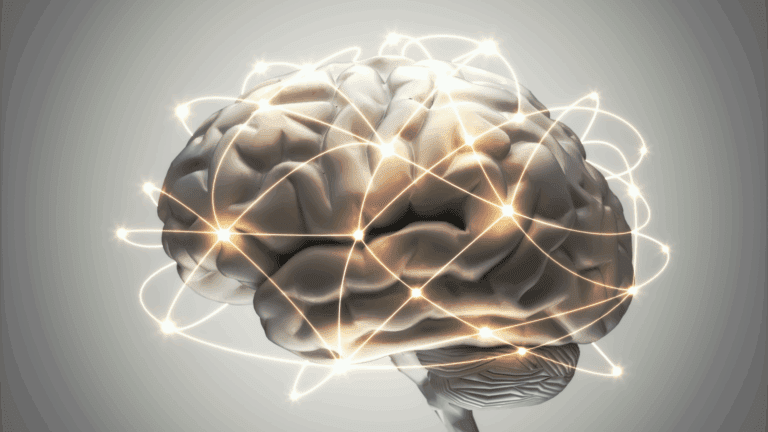
In the intricate world of neuroscience, one of the most extraordinary revelations is the brain’s inherent ability to adapt and evolve, a phenomenon known as neuroplasticity for positive change. This remarkable ability allows the brain to form new neural connections throughout a person’s life. It enables us to learn new skills, adapt to new situations, and recover from injuries.
As we navigate the journey of personal growth and transformation, the concept of neuroplasticity for positive change becomes a beacon of hope. It offers a scientific foundation to the strategies we employ to harness the brain’s remarkable potential for positive change. Neuroplasticity for positive change is not only about recovery but also about enhancing our capabilities and achieving our goals. This signifies that our mental and emotional well-being can be cultivated through intentional practices and experiences.
The concept of neuroplasticity for positive change not only underscores the capacity for recovery but also highlights how we can enhance our overall capabilities through cognitive and emotional development.
Key Takeaways
- Neuroplasticity — the brain’s capacity to form new neural connections throughout life — provides the scientific foundation for intentional personal change at any age, not just recovery from injury.
- Specific daily practices including mindfulness, positive intention-setting, and engagement with novel experiences directly reshape neural architecture, reinforcing the pathways that support the behaviors you want to sustain.
- The benefits of neuroplasticity extend well beyond cognitive enhancement — deliberate practice also restructures the neural circuits governing emotional regulation, stress response, and overall psychological resilience.
- Physical exercise increases the production of neurotrophic factors essential for neuronal survival and growth, making consistent aerobic activity one of the most powerful accelerators of brain adaptability.
- Social connection is not merely emotional support — meaningful interactions and shared experiences activate multiple brain regions simultaneously, enhancing the brain’s capacity to reorganize and strengthen adaptive pathways.
- Consistency is the critical variable — the more regularly you engage in neuroplasticity-promoting activities, the more durable and automatic the resulting neural pathways become over time.
The Essence of Neuroplasticity for Positive Change

This is a practical demonstration of how engaging in specific activities can lead to direct positive changes in brain structure, illustrating the power of neuroplasticity for positive change.
Neuroplasticity refers to the brain’s incredible capacity to rewire itself. It forms new neural connections based on experiences, learning, and daily activities. This adaptability is at the heart of neuroplasticity for positive change. We can consciously influence our brain’s structure and function to foster positive shifts in our lives.
The human brain operates as a complex network where the efficiency of information transfer between regions determines cognitive capacity more than the activity of any single area.
At the synaptic level, neuroplasticity operates through two complementary mechanisms. Long-term potentiation strengthens connections between neurons that fire together repeatedly, making frequently used pathways faster and more efficient. Long-term depression weakens connections that fall into disuse, allowing the brain to reallocate resources toward more active circuits. This dual process means that every deliberate practice session simultaneously builds the neural infrastructure for the desired pattern while gradually dismantling the infrastructure supporting the old one. The practical implication is profound: consistent engagement with new thoughts, behaviors, and emotional responses literally restructures the physical brain, neuron by neuron and synapse by synapse.
For example, when we learn a musical instrument, our brain undergoes changes that enhance our coordination and auditory skills. This is a practical demonstration of how engaging in specific activities can lead to direct positive changes in brain structure, illustrating the power of neuroplasticity for positive change.
- Neuroplasticity in Action: By understanding the brain’s plasticity, we can adopt tools and habits that promote positive change in our thoughts, behaviors, and emotions.
- Beyond Cognitive Growth: While neuroplasticity positive change primarily focuses on self-discipline and neural self-control on cognitive enhancement, its benefits extend to emotional well-being, stress management, and overall mental resilience.
The emotional dimension of neuroplasticity deserves particular emphasis. The amygdala, prefrontal cortex, and anterior cingulate cortex form a regulatory circuit that governs how emotional experiences are processed, interpreted, and stored. When this circuit is shaped by chronic stress or negative self-talk, it produces automatic emotional responses that feel involuntary and permanent. Neuroplasticity research demonstrates that these responses are neither involuntary nor permanent. Through sustained practice of different emotional regulation strategies, the connections between these regions physically reorganize, producing a measurably different emotional baseline. Individuals who once experienced overwhelming reactivity to stressors report not just a change in response but a change in how the stressor registers in the first place.
Strategies to Embrace Neuroplasticity for Positive Change
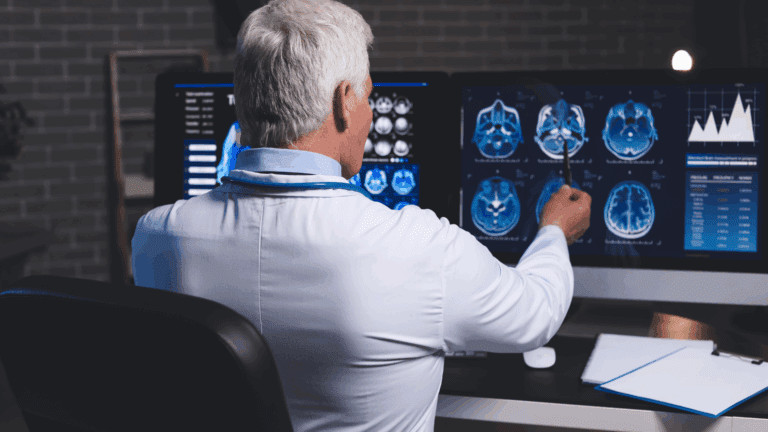
- Mindfulness and Focused Attention: These practices not only foster relaxation but also enhance focus, attention, and self-awareness — key components of neuroplasticity. Sustained attentional practices produce measurable increases in cortical thickness within the prefrontal regions governing self-regulation. Even brief daily sessions of focused attention practice, maintained consistently over weeks, produce structural changes visible on brain imaging.
- Setting Positive Intentions: By setting clear, positive intentions daily, we can actively shape our neural pathways, reinforcing positive behaviors and thoughts. The prefrontal cortex treats explicitly stated intentions as targets for goal-directed behavior, allocating attentional and motivational resources toward their achievement. Writing down intentions strengthens this encoding process, creating a more robust neural representation that influences decision-making throughout the day.
- Embracing New Experiences: Engaging in new activities, learning new skills, or even traveling to unfamiliar places can stimulate the brain and enhance its plasticity. Novel experiences force the brain to build entirely new representational structures rather than relying on existing templates. This is why learning a new language, studying an unfamiliar subject, or navigating an unfamiliar environment produces broader neuroplastic effects than repeating mastered skills — the brain must construct new circuitry rather than merely refining existing pathways.
- Deliberate Behavioral Practice: Regularly practicing desired behaviors and responses rewires the brain to make those patterns increasingly automatic. Each repetition strengthens the synaptic connections encoding the target behavior while weakening the connections supporting the old pattern. Over time, the new behavior requires progressively less conscious effort as the underlying neural pathway gains efficiency through myelination and synaptic strengthening.
For a deeper understanding of the science and potential of neuroplasticity, the article Neuroplasticity Unveiled: A Comprehensive Guide to Harnessing the Brain’s Remarkable Potential offers invaluable insights. This resource can help clarify the mechanisms behind neuroplasticity and its implications for personal development.
Neural pathways associated with learning and performance strengthen measurably when individuals adopt a growth-oriented framework, with effects visible in both behavior and brain imaging.
The Role of Physical Health in Neuroplastic Change
Maintaining a healthy lifestyle contributes directly and measurably to neuroplasticity. Regular exercise, a balanced diet, and sufficient sleep are essential components that support brain health. Studies indicate that physical activity increases the production of brain-derived neurotrophic factor (BDNF), a protein crucial for the survival and growth of neurons and the formation of new synaptic connections.
Incorporating aerobic exercise, even in moderate amounts, can significantly enhance cognitive function and promote the brain’s ability to change. Research consistently shows that 150 minutes of moderate aerobic activity per week produces measurable increases in hippocampal volume and BDNF levels, directly enhancing the brain’s capacity for learning and adaptation. The effects are not limited to the hippocampus: cardiovascular exercise increases blood flow to the prefrontal cortex, supporting the executive functions that direct neuroplastic change toward desired outcomes rather than allowing it to drift along habitual channels.
Sleep plays an equally critical role that is frequently underestimated. During deep sleep stages, the brain consolidates new learning by replaying and strengthening the neural patterns activated during the day. Without adequate sleep, the synaptic changes initiated by daytime practice fail to stabilize, meaning that even intensive training produces diminished results when sleep is compromised. Prioritizing seven to nine hours of quality sleep is not a luxury but a fundamental requirement for any neuroplasticity-based program to produce lasting structural change.
Social Connection and Neural Adaptation
Social connections play a vital role in fostering neuroplasticity. Engaging with friends, family, and the community provides emotional support while stimulating cognitive functions. Meaningful conversations and shared experiences can activate various areas of the brain, enhancing our ability to adapt and thrive.
Nurturing our relationships is not just beneficial for our emotional well-being but also for our brain’s health. The social brain network — encompassing the mirror neuron system, the temporoparietal junction, and the medial prefrontal cortex — activates most strongly during interpersonal engagement, producing a unique form of neural stimulation that solitary activities cannot replicate. This is why isolation consistently correlates with cognitive decline while social engagement correlates with maintained and enhanced brain function across the lifespan.
Conclusion
The concept of neuroplasticity positive change provides a promising pathway for those seeking personal growth and transformation. By understanding and leveraging the brain’s adaptability, we can pave the way for lasting positive change in our lives.
Experience-dependent plasticity operates across the lifespan, with targeted stimulation producing measurable changes in cortical thickness within weeks.
In summary, the interplay between neuroplasticity and personal growth is profound. It emphasizes that we possess the tools to reshape our minds and lives actively. By intentionally engaging in practices that promote neuroplasticity, we can pave the way for personal transformation and improved mental health.
This resilience is crucial in the face of challenges. Embracing this process requires commitment and openness to change, but the rewards are immeasurable.
Neuroplasticity is a lifelong process, and understanding this concept empowers us to take charge of our mental health. In practice, this could mean dedicating time each day to activities that challenge our brains, such as puzzles, learning a new language, or engaging in deep conversations.
The key is consistency; the more we practice neuroplasticity-promoting activities, the more we reinforce the neural pathways that lead to positive change.
The brain you have today is not the brain you are limited to tomorrow. Every deliberate practice, every novel experience, and every moment of focused attention contributes to the ongoing reconstruction of neural architecture. A neuroscience-informed approach transforms this understanding from abstract knowledge into a structured program that produces measurable, lasting results.
Book a Strategy Call to design a personalized neuroplasticity program that targets the specific neural patterns holding you back and builds the ones that move you forward.
Explore more in the Cognitive Flexibility & Thought Patterns hub.
Overthinking & Mental Clarity — MindLAB Locations
References
- Kolb, B. and Gibb, R. (2014). Searching for the principles of brain plasticity and behavior. Cortex, 58, 251-260.
- Dweck, C. S. (2016). Mindset: The New Psychology of Success. Ballantine Books.
- Sporns, O. (2024). Network neuroscience. Nature Reviews Neuroscience, 25(2), 133-149.
Frequently Asked Questions
Draganski, B., Gaser, C., Busch, V., Schuierer, G., Bogdahn, U., and May, A. (2004). Neuroplasticity: Changes in grey matter induced by training. Nature, 427(6972), 311-312. https://doi.org/10.1038/427311a
Pascual-Leone, A., Amedi, A., Fregni, F., and Merabet, L. B. (2005). The plastic human brain cortex. Annual Review of Neuroscience, 28, 377-401. https://doi.org/10.1146/annurev.neuro.27.070203.144216
Maguire, E. A., Gadian, D. G., Johnsrude, I. S., Good, C. D., Ashburner, J., Frackowiak, R. S., and Frith, C. D. (2000). Navigation-related structural change in the hippocampi of taxi drivers. Proceedings of the National Academy of Sciences, 97(8), 4398-4403. https://doi.org/10.1073/pnas.070039597
Kolb, B., and Gibb, R. (2011). Brain plasticity and behaviour in the developing brain. Journal of the Canadian Academy of Child and Adolescent Psychiatry, 20(4), 265-276. https://pubmed.ncbi.nlm.nih.gov/22114608/
Bandura, A. (1977). Self-efficacy: Toward a unifying theory of behavioral change. Psychological Review, 84(2), 191-215. https://doi.org/10.1037/0033-295X.84.2.191
Markus, H., and Nurius, P. (1986). Possible selves. American Psychologist, 41(9), 954-969. https://doi.org/10.1037/0003-066X.41.9.954