Understanding Narcissism
Narcissism is a complex personality trait marked by an inflated sense of self-importance, an intense need for attention and admiration, and diminished empathy for others. Approximately 6% of the general population meets evaluative criteria for Narcissistic Personality Condition, according to large-scale population studies.
Key Takeaways
- Narcissism exists on a spectrum between grandiose and vulnerable types, each driven by distinct neural patterns in the prefrontal cortex and emotional regulation circuits.
- The brain’s medial prefrontal cortex plays a central role in self-referential processing, directly shaping the inflated self-perception characteristic of narcissistic traits.
- Neuroplasticity research confirms that personality traits — including narcissistic tendencies — are not fixed; targeted behavioral practice can reshape ingrained neural patterns over time.
- Self-awareness is often the critical gap in recognizing narcissistic traits, as the same brain regions governing self-reflection are compromised by those very patterns.
- Developing empathy and social attunement through consistent practice activates neural circuits that counterbalance self-focused processing and improve interpersonal likeability.
What makes narcissism particularly challenging to address is that the neural circuits responsible for accurate self-perception are precisely those most affected by narcissistic patterns. The medial prefrontal cortex, which governs self-referential processing, becomes calibrated toward an inflated self-model that filters incoming information to confirm existing self-beliefs. This creates a neurological blind spot where the individual’s internal experience feels entirely justified and accurate, even when external evidence contradicts it. Understanding this neural architecture is the first step toward meaningful change, because it reframes narcissistic traits as modifiable brain patterns rather than immutable character flaws.
The Two Main Types of Narcissism
Narcissism can be broadly categorized into two types: grandiose and vulnerable. Research across multiple neuroscience disciplines has demonstrated that the brain continuously adapts its structural and functional connections in response to repeated experiences, forming patterns that influence emotional regulation, cognitive processing, and behavioral tendencies over extended periods.
The medial and dorsolateral prefrontal cortex govern self-regulation and social cognition in ways that distinguish adaptive confidence from narcissistic behavioral patterns.
- Grandiose narcissism is marked by overt expressions of superiority, dominance, and entitlement. Individuals with this type often appear confident and assertive, but they may react aggressively to criticism.
- Vulnerable narcissism, on the other hand, is characterized by hypersensitivity, defensiveness, and a tendency to feel victimized. These individuals may appear shy or reserved but harbor feelings of inadequacy and insecurity.

Evolutionary Origins of Narcissism
From an evolutionary perspective, narcissism may have developed as an adaptive trait. Linked to mechanisms of assortative mating, narcissistic individuals historically sought partners with similar traits to enhance reproductive success. In environments where social dominance and competition were crucial for survival, narcissistic traits could have provided advantages by promoting assertiveness and confidence.
The evolutionary mismatch becomes apparent in modern cooperative environments. Traits that conferred advantage in small-group competition — aggressive self-promotion, dominance displays, low empathic concern for rivals — produce consistent friction in workplaces, families, and communities that depend on sustained reciprocal investment. The brain circuits that once served survival now generate the interpersonal costs that accumulate over time. Understanding this mismatch helps reframe narcissistic patterns not as moral failures but as inherited neural strategies deployed in an environment they were never designed to navigate.
Brain Regions Involved in Narcissism
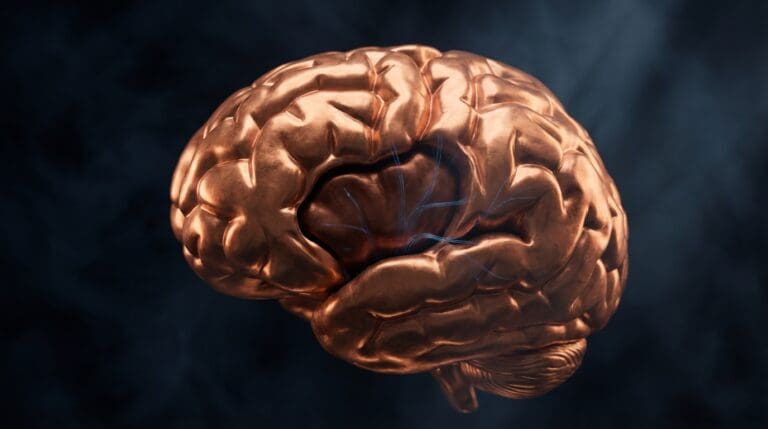
Neuroscientific research has identified several brain regions associated with narcissistic traits. The prefrontal cortex role in cognitive mastery, particularly the medial and dorsolateral areas, plays a significant role in self-regulation and social cognition. The insula is also implicated, which is involved in processing emotions and empathy. These areas contribute to the self-enhancing and socially dominant behaviors observed in narcissistic individuals.
The anterior cingulate cortex deserves particular attention in understanding narcissistic neural architecture. This region mediates conflict monitoring and error detection, and in individuals with pronounced narcissistic traits, it shows altered activation patterns when processing social feedback. Specifically, positive feedback produces exaggerated reward signaling while negative feedback triggers disproportionate threat responses, creating a neural filter that amplifies flattery and rejects criticism. The insula’s role is equally significant: reduced insular activation during empathy tasks means the narcissistic brain literally processes others’ emotional states with less neural engagement, producing the diminished empathic capacity that defines the trait rather than a deliberate choice to ignore others’ feelings.
Why We Might Not Realize We’re Narcissists
Recognizing narcissistic traits in oneself can be challenging. Narcissists often have a distorted self-image and may not perceive their behaviors as problematic. This lack of self-awareness is compounded by their tendency to externalize blame and dismiss criticism, making it difficult for them to acknowledge their narcissistic tendencies.
What is Personality?
Personality encompasses the characteristic ways of thinking, feeling, and behaving that make each person unique. It includes moods, attitudes, opinions, and is most clearly expressed in interactions with other people. Personality traits can be both inherent and acquired, distinguishing one person from another and influencing how they relate to their environment and social groups.
Personality Traits Are Not Fixed
Contrary to the belief that personality traits are set in stone, personality can evolve over time. Traits like conscientiousness and agreeableness can increase with age, influenced by life experiences and changing roles. This neuroplasticity suggests that even deeply ingrained traits, such as those associated with narcissism, can be modified with the right interventions.
The evidence for personality change is stronger than most people assume. Longitudinal research tracking individuals over decades demonstrates that the brain’s structural and functional organization continues to shift in response to sustained new experiences throughout adulthood. The prefrontal cortex in particular retains significant plasticity, meaning the self-regulatory and social-cognitive circuits most affected by narcissistic patterns remain accessible to restructuring. This does not mean change is easy or automatic, but it does mean the neurological capacity for it exists at every age. The critical variable is not whether the brain can change but whether the individual engages in the sustained, structured practice that drives neural reorganization rather than simply wishing for different outcomes.
Why People Dislike Narcissists
People often find narcissists difficult to like due to their self-centered behaviors and diminished empathy. Narcissists tend to dominate conversations, show little genuine interest in others’ feelings, and exploit relationships for personal gain. Longitudinal data suggests that individuals with high narcissistic traits lose on average 40% more social connections over a five-year period than their peers.
- Loss of Friends: Narcissists often prioritize their own needs over those of their friends, leading to feelings of neglect and resentment. Their inability to form genuine, reciprocal relationships results in social isolation.
- Poor Reception by Colleagues: In the workplace, narcissists may struggle with teamwork and collaboration. Their need for admiration and tendency to take credit for others’ work can create a toxic environment, leading to professional isolation.
- Distance from Loved Ones: Loved ones may feel emotionally drained by the constant need to cater to the narcissist’s demands and may eventually distance themselves to preserve their own well-being.
The social consequences of narcissism operate through a predictable neurological pattern. Initial encounters often produce a positive impression because grandiose narcissistic traits can mimic genuine confidence and social competence. However, as interactions deepen and reciprocity becomes expected, the underlying imbalance becomes apparent. The brain’s social evaluation circuits in other people begin registering the pattern of one-directional benefit extraction, triggering distrust signals that accumulate over time. This is why narcissistic individuals frequently report a pattern of intense early connections followed by relationship deterioration: the initial impression capitalizes on surface-level social processing, but sustained relationship maintenance requires the deeper empathic engagement that narcissistic neural patterns cannot sustain.
Changing Narcissistic Traits Through Neuroscience-Based Approaches
While changing deeply ingrained narcissistic traits can be challenging, meaningful progress is possible with the right interventions. Neuroscience-based approaches focus on enhancing self-awareness and empathy by leveraging the brain’s neuroplasticity — the ability to reorganize itself by forming new neural connections throughout life.
Effective intervention requires targeting the specific neural circuits that maintain narcissistic patterns. The medial prefrontal cortex’s inflated self-model must be gradually recalibrated through repeated exposure to accurate feedback in a context that does not trigger defensive shutdown. The insula’s empathic processing capacity must be strengthened through structured perspective-taking exercises that incrementally increase the brain’s engagement with others’ emotional states. And the anterior cingulate cortex’s error-monitoring function must be restored so that social feedback can be processed accurately rather than filtered through a self-protective lens. This is precise neural work, not a general encouragement to be nicer, and it requires professional guidance to navigate effectively.
Techniques to Harness Neuroplasticity
- Thought Re-framing: This technique involves identifying and challenging distorted thought patterns. By replacing maladaptive beliefs with more adaptive ones, individuals can rewire their brain pathways to foster healthier thinking patterns.
- Developing Empathy: Empathy can be cultivated through exercises that encourage perspective-taking and emotional understanding. By consistently practicing empathy, individuals can strengthen the neural circuits involved in social cognition and emotional regulation.
- Combating Selfishness: Engaging in prosocial behaviors and altruistic activities can help combat selfish tendencies. These actions activate brain regions associated with reward and social bonding, reinforcing positive social behaviors.
- Utilizing Neuroplasticity: The brain’s ability to form new neural pathways is a powerful tool for personal transformation. By consistently practicing new, healthier behaviors and thought patterns, individuals can reshape their brain’s structure and function, leading to lasting change.

10 Signs You Might Be a Narcissist
- Excessive need for admiration: Constantly seeking validation and praise from others.
- Sense of entitlement: Expecting special privileges and advantages without justification.
- Lack of empathy: Difficulty understanding or caring about others’ feelings.
- Preoccupation with fantasies of success: Obsessive thoughts about power, brilliance, or beauty.
- Arrogance: Behaving in a condescending or superior manner.
- Exploiting others: Using people to achieve personal goals without regard for their well-being.
- Envy: Feeling envious of others or believing others are envious of you.
- Difficulty handling criticism: Reacting with anger or defensiveness to perceived slights.
- Insecure self-esteem: Despite outward confidence, feeling easily threatened or humiliated.
- Interpersonal difficulties: Struggling to maintain healthy, fulfilling relationships.
A Path to Self-Improvement and Likeability
Understanding and addressing narcissistic traits is a journey requiring commitment and genuine self-reflection. By leveraging insights from neuroscience and psychology, individuals can develop healthier self-perceptions and more empathetic relationships. Personal transformation benefits not just the individual but everyone in their relational world.
The neuroscience of narcissism offers a clear and actionable framework for change. The brain regions maintaining narcissistic patterns are the same ones capable of restructuring through targeted intervention. The neural circuits governing empathy can be strengthened. The self-referential processing that distorts self-perception can be recalibrated. And the social evaluation systems that produce interpersonal friction can be retrained to process feedback accurately. None of this happens through insight alone — it requires sustained, structured practice under professional guidance.
Book a Strategy Call to begin a personalized neuroscience-based journey toward healthier self-perception and stronger relationships.
Kernberg, O. F. (2009). Narcissistic personality disorders: Part 1. Psychiatric Annals, 39(3), 105-166. https://doi.org/10.3928/00485713-20090301-04
Ronningstam, E., and Weinberg, I. (2013). Narcissistic personality disorder: Progress in recognition and treatment. Focus, 11(2), 167-177. https://doi.org/10.1176/appi.focus.11.2.167
Gross, J. J. (2015). Emotion regulation: Current status and future prospects. Psychological Inquiry, 26(1), 1-26. https://doi.org/10.1080/1047840X.2014.940781
Ochsner, K. N., and Gross, J. J. (2005). The cognitive control of emotion. Trends in Cognitive Sciences, 9(5), 242-249. https://doi.org/10.1016/j.tics.2005.03.010
Davidson, R. J. (2000). Affective style, psychopathology, and resilience: Brain mechanisms and plasticity. American Psychologist, 55(11), 1196-1214. https://doi.org/10.1037/0003-066X.55.11.1196
Etkin, A., Buchel, C., and Gross, J. J. (2015). The neural bases of emotion regulation. Nature Reviews Neuroscience, 16(11), 693-700. https://doi.org/10.1038/nrn4044