Key Takeaways
- Cognitive reappraisal changes meaning before emotions activate, engaging the prefrontal cortex to downregulate amygdala reactivity.
- Unlike suppression, reappraisal becomes more efficient with practice as executive-control and emotion circuits strengthen.
- Reappraisal practice physically rewires the brain through neuroplasticity, replacing rigid emotional habits with flexible patterns.
- Reappraisal capacity predicts professional resilience: leaders show lower emotional exhaustion and higher creative problem-solving.
- Accepting uncertainty reduces prefrontal overactivation and frees cognitive resources, distinguishing surrender from loss of control.
The Brain’s Hidden Power: Rewiring Emotion Through Cognitive Reappraisal
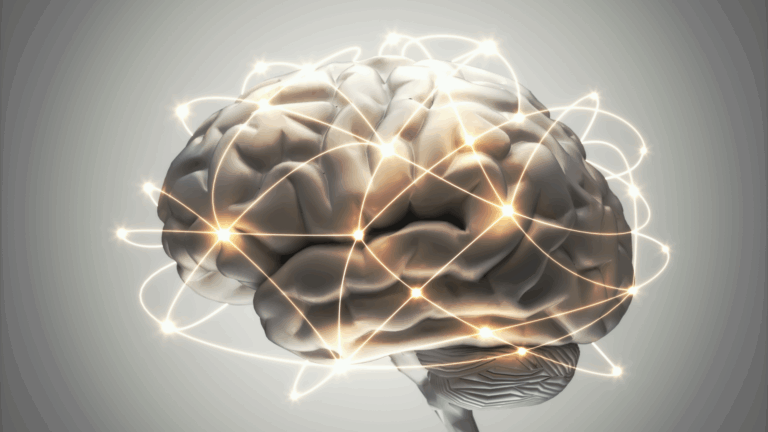
Cognitive reappraisal is the deliberate reinterpretation of emotionally triggering events before feelings fully activate. This antecedent-focused emotion regulation strategy recruits the prefrontal cortex to downregulate amygdala reactivity, leveraging cognitive interpretation rather than brute-force suppression to reshape emotional responses with remarkable neural efficiency.
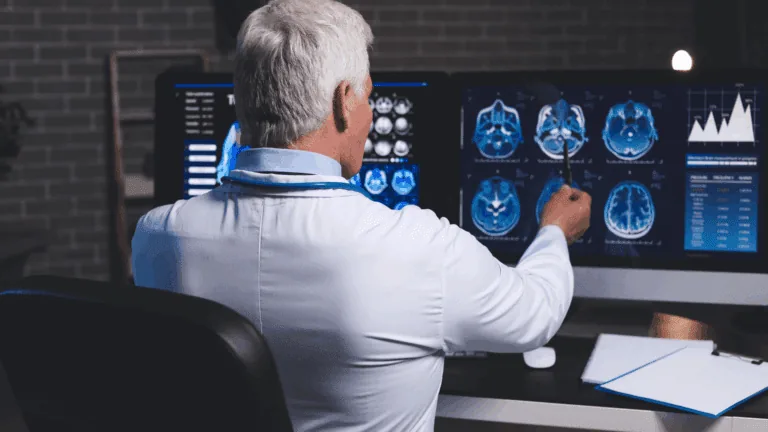
The foundational neuroimaging research answers the question many readers arrive asking: a meta-analysis of human fMRI studies confirms that cognitive reappraisal recruits lateral and medial prefrontal regions to downregulate amygdala reactivity, and the top-down cognitive control of emotion runs from prefrontal systems to the limbic circuits that generate feeling. In practice, reappraisal enhances flexibility within frontal-parietal networks and curtails the neural intensity of adverse emotion. Individuals who practice reappraisal regularly develop greater capacity for adaptive emotional responses and reduced vulnerability to chronic distress.
Repeated cognitive reappraisal produces lasting reductions in amygdala reactivity that persist beyond the training context, indicating genuine synaptic consolidation rather than momentary emotional suppression.
Evolution’s Gift: Why Your Mind Constantly Tells Stories
Human brains evolved as pattern-detection machines, and survival depended on rapid interpretation of ambiguous signals. Cognitive reappraisal builds on this evolutionary strength, enabling purposeful restructuring of internal narratives that once served threat detection but now often amplify unnecessary stress. This process engages multiple interconnected neural pathways that work.
Repeated cognitive reappraisal of aversive stimuli produces lasting reductions in amygdala reactivity that persist beyond the training context, indicating genuine synaptic consolidation rather than momentary suppression of emotional responses.
Reappraisal flexibility, the capacity to shift reappraisal strategies across different emotional contexts, predicts adaptive functioning more robustly than reappraisal frequency alone, highlighting the importance of strategic cognitive flexibility.
Modern cognitive reappraisal harnesses the exact ancient mechanisms: instead of letting stories reinforce fear, shame, or helplessness, individuals consciously reconstruct meanings to nurture growth. This interplay of evolution and neuroplasticity empowers people to transcend default scripts and write new chapters in their psychological story, fueled by the adaptability of neural networks. Enhancing adaptive storytelling (turning setbacks into lessons, criticism into opportunity) represents not only evolutionary fitness but the foundation for lifelong resilience.
Cognitive Reappraisal: The Science Behind the Shift
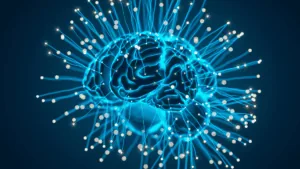
The breakthrough of cognitive reappraisal lies in its foundation as a mental control technique. Unlike suppression, which merely masks emotion, reappraisal alters the meaning of events early in the emotional timeline, allowing profound changes at both the subjective and neurological levels.
These executive regions are responsible for modulating semantic representations: the “stories” the cortex tells about incoming events. When successfully deployed, cognitive reappraisal modifies the way emotionally charged stimuli are construed, not just “thinking away” distress but sculpting new pathways around stressor interpretation. Notably, reappraisal’s unique strength is its efficiency: once mastered, the process requires less conscious effort and can operate in parallel with other complex cognitive tasks. This micro-intervention multiplies its effects, providing continuous real-time emotional calibration.
On a systems level, consistent practice of cognitive reappraisal strengthens neural networks dedicated to flexibility and resilience while inhibiting maladaptive patterns driving anxiety, depression, and repeated negative thinking. Updated schemas, mental blueprints for interpreting the world, are constructed and enriched through experience, making individuals better equipped to handle future adversity by accessing a broader repertoire of emotional responses. This pattern is examined in the Stress, Resilience & Regulation pillar.
How Neurons Narrate Emotion: The Brain’s Storytellers
Central to the practice of cognitive reappraisal are the “storyteller neurons” found in the prefrontal cortex. These neural populations act as editors, transforming incoming sensory signals into meaning-based outputs that modulate the body’s emotional response. Upon encountering stressors, these neurons decide whether to amplify or diminish emotional intensity by communicating with subcortical regions such as the amygdala.
Repeated cognitive reappraisal fosters neuroplasticity, the brain’s capacity to physically rewire itself, by strengthening connections between cognitive control centers and emotion circuits. Individuals develop more influential “editor” neurons with practice, capable of swiftly shifting perspectives without resistance or mental fatigue. As these networks become more robust, the stress hormone cortisol becomes less reactive, and concurrently, creative thinking and executive skills flourish.
From a practical perspective, this neurological “story editing” means individuals can become the authors of their inner experience, reorganizing default mindsets to reflect growth, optimism, and equanimity. The implications extend far beyond simple emotion control: they encompass creativity, strategic decision-making, and the ability to transform habitual negative thinking into constructive action.
The Habit Loop of Emotion: Breaking and Building New Default Patterns
Neuroscience teaches that emotional habits (repeated, associative patterns) become deeply encoded through both conscious and unconscious rehearsal. Each time a person interprets feedback or a challenge negatively, that individual digs a deeper groove in habit circuits. Cognitive reappraisal offers a powerful means to disrupt these loops by systematically reframing adversity as opportunity, pain as a path to.
In my practice, I have observed this pattern repeatedly across diverse populations.
Enriched schemata, built through experiential learning and positive feedback, serve as the foundation for diverse emotional responses. Instead of relying on single, biased patterns, individuals develop a network of adaptive schemas ready to be activated by new challenges. This process facilitates not only the attenuation of habitual amygdala-driven reactions but also the cultivation of stable emotional well-being.
Longitudinal studies indicate that individuals trained in cognitive reappraisal demonstrate improved response flexibility, greater emotional stability, and enhanced capacity for creative problem-solving. Over time, the brain’s “default mode” shifts, from helplessness or defensiveness to openness and curiosity, enriching both personal growth and professional success.
Selma’s Story: Radical Change Through Cognitive Reappraisal
Selma, a 29-year-old project manager, came to neuroscience-based practice at a crossroads: her impressive career was shadowed by relentless self-doubt, anxiety, and a cycle of emotional distress that threatened both her health and ambition. Despite high achievements, Selma’s inner narrative was dominated by a punishing critic that weaponized every bit of feedback, transforming neutral comments into evidence of inadequacy.
Deep Dive Into Triggers and Default Patterns
Sessions began by mapping Selma’s emotional cycles, using neuroscience-based tools to reveal her unique “trigger profile.” A simple suggestion from her supervisor, or a delayed text from a friend, triggered a cascade of reactions akin to an evolutionary threat response: tight chest, rapid thoughts, and catastrophic assumptions about her reputation, prospects, or relationships.
Stepwise Reappraisal Intervention
Using precise cognitive reappraisal exercises, Selma was invited to dissect these automatic scripts. Each reappraisal session targeted the moment of automatic interpretation, identifying the specific prediction the brain was running and replacing it with a contextually accurate alternative. The goal was not positive thinking but upstream signal change: altering what the amygdala receives as input before the emotional response fully activates.
- Event: “Your slide needs revision.”
- Immediate Belief: “I’ve failed.”
- Reappraisal: “Feedback here is not an indictment, but recognition of my ongoing contribution and potential to master new skills.”
Selma resisted at first; the old emotional grooves felt “natural.” The neuroscience-based practice focused on both cognitive flexibility and enriched schema-building, helping her craft alternative responses based not on avoidance, but on engagement and growth. Practice included scenario-based learning, journaling emotional cycles, and structured positive feedback loops: systems shown to accelerate synaptic realignment and emotional resilience.
Neurobiological and Behavioral Milestones
Six weeks into the intervention, Selma experienced discernible shifts. Her stress response softened, she tackled high-pressure meetings with composure, and relationships improved as she volunteered for challenges and opened up about emotional setbacks. Neuroimaging (if performed) would likely reveal strengthened prefrontal regulation, reduced limbic overload, and a heightened readiness to approach rather than withdraw from complex situations.
At three months, Selma became an internal advocate for resilience, sharing the science of cognitive reappraisal in team workshops, modeling adaptive emotional processing amid corporate uncertainty. The transformation rippled outward: colleagues adopted similar approaches, communication improved, and the workplace culture shifted toward curiosity over fear. Selma’s personal “reappraisal renaissance” illustrates how individual change can seed organizational and social transformation.
Social Wiring: How We All Learn to Feel (and Unfeel)
The neural architecture supporting emotion regulation is built through early social learning. Families, cultures, and peer groups shape the default scripts, schemas, for interpreting adversity, authority, success, and group belonging. Cognitive reappraisal depends on social reinforcement and modeling: environments that normalize vulnerability, curiosity, and growth maximize its adaptive capacity.
Emerging data demonstrate that when communities or organizations embrace reappraisal-based mindsets, members report higher well-being, reduced burnout, and improved collective performance. These social dynamics augment individual brain plasticity, validating the role of “emotional ecosystems” in sustainable change.
Children exposed to supportive feedback mechanisms exhibit greater cognitive flexibility and lower baseline levels of anxiety and depression throughout life. Adults, too, benefit from immersive environments where constructive reframing is modeled, learning to reroute emotional distress toward solutions rather than avoidance. In Selma’s case, peer support played a critical role in reinforcing her new schemas and ensuring lasting change.
I have worked with individuals who describe this experience with remarkable consistency, confirming what the research predicts.
Professional Power: Cognitive Reappraisal at Work
Today’s productivity culture often amplifies emotional volatility, rendering the capacity for reappraisal not just a personal skill but a leadership imperative. Leaders who integrate cognitive reappraisal transform workplace climate: tension becomes creative tension, mistakes fuel innovation, and feedback catalyzes growth rather than threat.
Research in occupational health now links reappraisal capacity with lower rates of emotional exhaustion, improved job performance, and enhanced psychological safety. Teams exposed to regular reappraisal interventions outperform those reliant on suppression or avoidance. In complex, high-stakes fields (tech, health, finance) the ability to downregulate anxiety and reframe challenge is the difference between thriving and burnout.
Adapting reappraisal at scale requires intentional training and cultural shift. Neuroscience-based practice, experiential workshops, and policy alignment around growth-centered feedback establish the foundation. The results: stronger retention, improved morale, and organizations renowned for adaptability and resilience.
Neuroplasticity Unleashed: The Brain’s Capacity for Lifelong Growth
Neuroscience was revolutionized by the discovery that adult brains are endlessly plastic, capable of dramatic reorganization in response to intentional practice or intense experience. Cognitive reappraisal harnesses neuroplasticity directly, encoding new routes for emotional meaning and response. The underlying neural mechanisms involve coordinated activity across cortical and subcortical.
Every instance of cognitive reappraisal, each conscious choice to reinterpret adversity, provokes micro-level changes in synaptic connectivity and regional activation. The brain “learns” new rhythms of thought, integrating adaptive schemas that can be invoked under future stress. Over months or years, these small shifts produce seismic changes in personality, resilience, and the likelihood of long-term personal and professional growth.
For individuals like Selma, this process not only quiets inner critics but paves the way for authentic self-advocacy and transformative leadership. The cumulative effect (expanded empathy, more robust optimism, and durable self-worth) demonstrates the remarkable potential of evolving brains.
Recent neuroscience demonstrates that both cognitive reappraisal and acceptance activate overlapping neural networks, empowering individuals to regulate emotions through two complementary pathways: one grounded in active reinterpretation, and the other in mindful allowance of experience without resistance.
Reappraisal in Relationships: From Reactive to Responsive
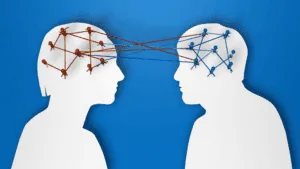
The emotional minefields of relationships (romantic, familial, social) rely on well-honed cognitive scripts for reading meaning into ambiguous cues. Misunderstandings escalate without the buffer of cognitive reappraisal, as old stories drive reactivity and conflict. When individuals practice reappraisal, relationships become platforms for mutual discovery, not battlegrounds for proving or disproving worth.
Adaptive reappraisal fosters empathic communication, encourages inquiry over assumption, and liberates both parties to grow. Couples and friends who master cognitive reappraisal not only weather adversity better: they report deeper trust, less chronic frustration, and richer emotional bonds.
Practices for relationship reappraisal include “pause and reframe” conversations, revisiting old narratives with curiosity, and journaling alternative interpretations before reacting. These micro-interventions help break cycles of shame or defensiveness, supporting both parties in mutual growth.
In 26 years of practice, I have found that this distinction is one of the most consequential for lasting change.
Recessive Scripts: How We Unknowingly Sabotage Ourselves
Emotional habits are influenced by inherited scripts: cultural messages about achievement, belonging, or coping. These recessive patterns may lie dormant until activated by stress or loss, where the patterns become self-sabotaging tendencies. This process engages multiple interconnected neural pathways that work together to shape behavioral and emotional outcomes.
Cognitive reappraisal demonstrates that even deeply rooted schemas can be identified, questioned, and replaced. Neuroscience reveals that effortful awareness, coupled with intent-based reframing, allows individuals to update their mental playbooks, choosing values-driven action over historical reaction.
Real-world application involves mapping triggers and tracing emotional responses to their source, highlighting areas ripe for reappraisal. Over time, the persistence of adaptive reinterpretation rewrites even the most stubborn patterns, freeing individuals to live in harmony with their genuine aspirations.
Cognitive Reappraisal: A Daily Neuroscientific Practice
Translating cognitive reappraisal into daily life requires a blend of mindfulness, metacognition, and targeted practice. Experts recommend starting with trigger tracking: identifying the emotional events that solicit automatic responses. Using techniques like “thought record forms” or brief journaling, individuals practice catching their “first story” before it solidifies, then rehearsing alternative, empowering interpretations.
Social accountability, regular feedback from mentors or peer groups, augments the impact, reinforcing new schemas and supporting sustainable changes in behavior. Technology also plays a role, offering digital platforms for tracking emotional cycles and practicing real-time reframing in the flow of daily life.
Finally, embracing a philosophy of flexibility, honoring that meaning can constantly be revised, ensures lifelong neuroplasticity and growth. The best practitioners do not chase perfection, but curiosity, viewing every emotion as an opportunity for learning and adaptation.
The Paradox of Control: Surrendering to Change
A counterintuitive insight emerges from research on cognitive reappraisal: the more humans strive to control every outcome, the less agency and emotional resilience those individuals often experience. Reappraisal reveals the power of surrender: not resignation, but active acceptance of uncertainty, loss, and challenge while consciously choosing an empowering narrative.
Neuroscience-based personal development transforms the act of surrender into a neuroadaptive process. When individuals are guided to accept ambiguity and permit emotions to unfold, rather than fight or suppress them, the brain’s prefrontal cortex becomes more efficient at recalibrating meaning and downregulating distress. This dynamic leads to greater cognitive flexibility, improved stress response, and enhanced creativity. By learning to shift perspective, instead of clinging to a rigid sense of control, people become far better equipped to harness change as fuel for growth. The result is a dramatic improvement in well-being, self-efficacy, and professional performance: outcomes consistently validated in longitudinal brain imaging and behavioral studies.
Individuals like Selma, who engage deeply with neuroscience-based practice, not only alleviate anxiety and self-judgment; they cultivate a durable sense of agency rooted in the science of neuroplasticity. Surrender, in this context, is not weakness but a neurological reorientation toward curiosity, adaptability, and authentic self-empowerment. This dynamic shift is what sets neuroscience-based personal development apart: lasting transformation emerges by altering brain circuits: not merely by changing thoughts, but by remapping the very architecture of identity and potential.
Why does changing the way I interpret events actually shift how I feel?
Neuroscientists have discovered that thoughts and interpretations are processed in the prefrontal cortex: an area responsible for reasoning and emotional regulation. When an individual actively reinterprets an event, this brain region communicates with the amygdala to reduce the intensity of feelings like anxiety, fear, or anger. The shift is biological: each reframe uses a well-mapped “top-down” neural pathway, making new emotional responses more automatic with practice.
Can cognitive reappraisal really change my long-term emotional habits?
Yes. Emotional “habits” are established through repeated activation of specific neural circuits, much like walking the same path through a field creates a visible trail. When individuals repeatedly use cognitive reappraisal, brain scans show strengthened connectivity in the pathways between the prefrontal cortex and emotional areas. This process, known as neuroplasticity, involves the brain physically rewiring itself to form healthier, more flexible emotional habits.
How is neuroscience-based personal development different from typical self-help advice?
Most self-help is grounded in positive thinking, which relies heavily on willpower and short-term motivation. Neuroscience-based personal development targets the brain’s actual chemistry and architecture. Techniques like cognitive reappraisal work not just at the level of thought, but at the synaptic level: the brain learns to default to resilient, empowering interpretations, especially in challenging moments. This makes change last longer, enhances self-control, and improves both emotional and real-life outcomes.
What happens in the brain when I surrender control and accept uncertainty?
Accepting uncertainty does not mean giving up: it means the prefrontal cortex allows for greater flexibility and reduces overactivation of stress circuits. When individuals surrender the need to micromanage outcomes, the brain becomes more tolerant of ambiguity, stress hormones decline, and cognitive capacity opens for creativity, compassion, and problem-solving. Neuroscientific research shows this flexibility leads to adaptive responses and higher long-term wellbeing.
Is cognitive reappraisal useful for handling professional setbacks or criticism?
When faced with criticism, rejection, or a failed project, the amygdala can trigger a strong adverse reaction that lingers. Cognitive reappraisal allows individuals to pause, analyze the default interpretation, and create a new meaning, such as viewing criticism as feedback or failure as growth opportunity. This both dampens the emotional sting and helps the brain encode positive lessons for the future, building resilience and confidence over time.
What is cognitive reappraisal and how does it work in the brain?
Cognitive reappraisal is the process of deliberately reinterpreting a situation to change its emotional impact, engaging the prefrontal cortex to modulate amygdala activity. Brain imaging studies show that successful reappraisal reduces activity in threat-detection regions while increasing activation in areas associated with rational evaluation.
How is cognitive reappraisal different from simply suppressing emotions?
Suppression attempts to hide or block emotional expression without changing the underlying feeling, which actually increases physiological stress responses. Cognitive reappraisal transforms the emotion at its source by changing the interpretation of the event, resulting in genuine shifts in both the felt experience and the body’s stress markers.
Can anyone learn cognitive reappraisal or is it an innate skill?
Cognitive reappraisal is a learnable skill that improves with practice, and neuroplasticity research confirms the brain builds stronger reappraisal pathways through consistent use. While some individuals may find reappraisal more natural due to their neural wiring, everyone can develop this capacity with deliberate effort over time.
What are practical examples of cognitive reappraisal in everyday situations?
Reframing a critical comment from a colleague as useful feedback rather than a personal attack, or viewing a missed opportunity as redirection toward a better fit, are classic reappraisal strategies. The key is shifting from a threat-based interpretation to one that emphasizes growth, learning, or a broader perspective on the situation.
References
- Gross, J. J. (2015). Emotion regulation: Current status and future prospects. Psychological Inquiry, 26(1), 1-26. https://doi.org/10.1080/1047840X.2014.940781
- Buhle, J. T., Silvers, J. A., Wager, T. D., Lopez, R., Onyemekwu, C., Kober, H., Weber, J., and Ochsner, K. N. (2014). Cognitive reappraisal of emotion: A meta-analysis of human neuroimaging studies. Cerebral Cortex, 24(11), 2981-2990. https://doi.org/10.1093/cercor/bht154
- Ochsner, K. N., and Gross, J. J. (2005). The cognitive control of emotion. Trends in Cognitive Sciences, 9(5), 242-249. https://doi.org/10.1016/j.tics.2005.03.010
- Webb, T. L., Miles, E., and Sheeran, P. (2012). Dealing with feeling: A meta-analysis of the effectiveness of strategies derived from the process model of emotion regulation. Psychological Bulletin, 138(4), 775-808. https://doi.org/10.1037/a0027600
This article explains the neuroscience underlying cognitive reappraisal and emotion regulation. For personalized neurological assessment and intervention, connect with Dr. Sydney Ceruto for a strategy call.
From Reading to Rewiring
Reading about neuroscience builds understanding. Applying it builds a different brain. Dr. Ceruto works directly with individuals to map their specific neural architecture, identifying which circuits are driving current patterns and designing a targeted strategy for measurable change. The gap between knowing and rewiring requires a personalized approach grounded in your neurological profile, not generic advice.
One hour with Dr. Ceruto