
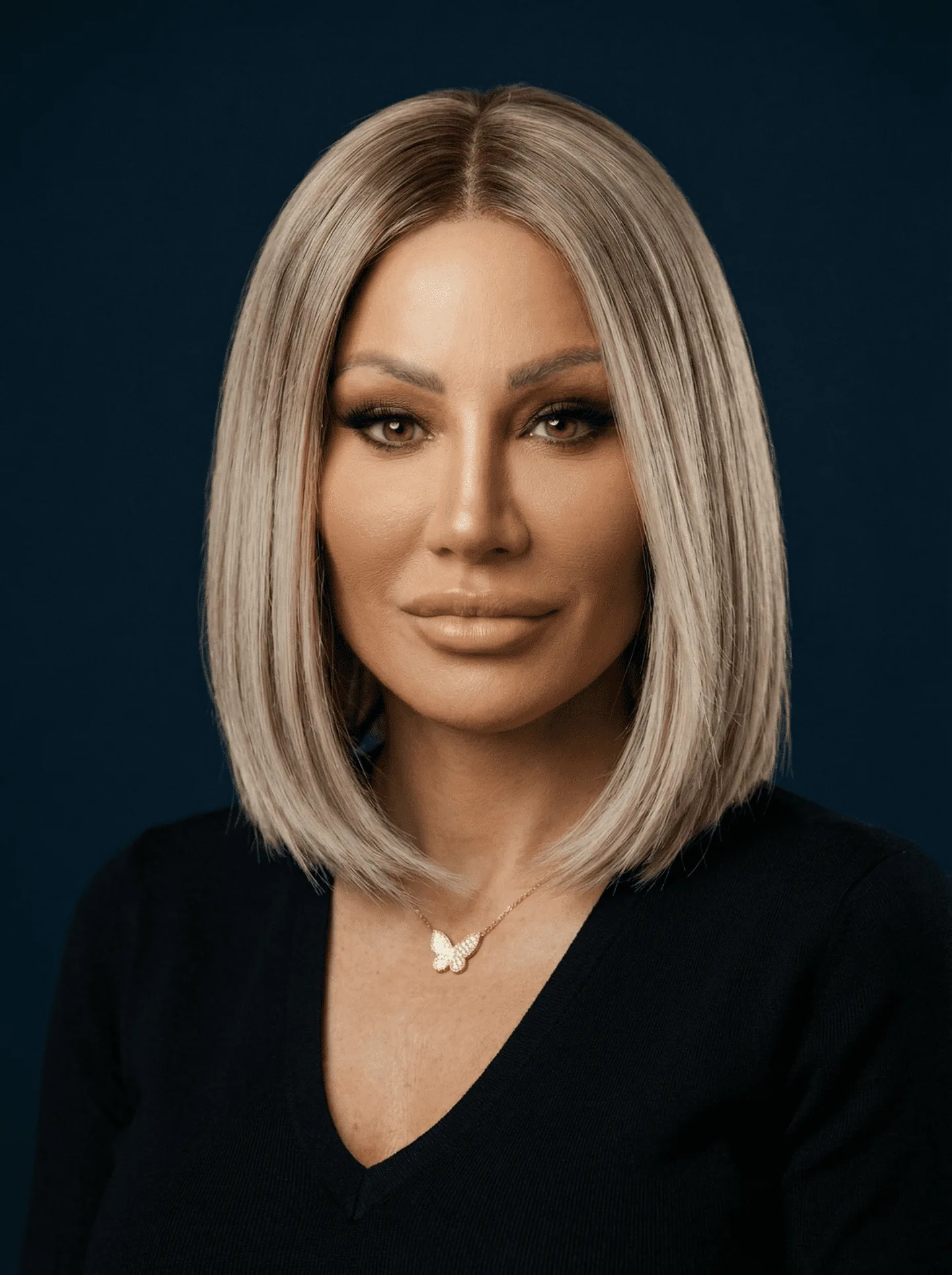
Dr. Sydney Ceruto, PhD
Neuroscientist & Author
PhD in Behavioral & Cognitive Neuroscience (NYU) · Author, The Dopamine Code (Simon & Schuster)
Identifying and changing the brain patterns behind behavior and decisions.
One-on-one, the moment you need her.
Direct access by text or phone, often within minutes. Every call and every text is with Dr. Ceruto herself.
Dr. Ceruto works with only a handful of clients at a time, so she can be there when you need her and keep working on what you brought her between calls, thinking it through and writing you summaries, plans and notes.
One private hour by phone, $250.









Neuroscience changed my life
Long before there were degrees or a neuroscience practice, there was a little girl who could not understand why her body felt like it was on fire every day. As a child and teenager, anxiety was not an idea: it was the air I breathed.
At 15, I lost both my parents. What followed was years of talking about my pain while my brain kept looping through the same panic, the same fear, the same conviction that I was fundamentally broken.
I wasn’t broken. My neural pathways were just stuck.
I dove into behavioral and cognitive neuroscience, not as a student earning credentials, but as someone tracing the wiring behind my own panic. I made myself my first test subject. I identified the neural pathways that kept me trapped in anxiety and abandonment, and step by step I weakened them while building new ones for resilience.
It worked: within months, the panic eased. The constant watch for danger that had defined my twenties loosened its grip. Old anxieties do surface, but they no longer own me: my brain still fires old patterns, and now I know how to catch one as it starts and respond in a new way.
That discovery, that you can change your brain on purpose, became the foundation of everything I build for my clients today.
The same is true of your brain. It’s been trained wrong, often by events you didn’t choose and circumstances you didn’t control, and training can be reset.
Who I work with
Since I founded my practice, MindLAB Neuroscience, in 2000, I have sat across from people in almost every version of stuck. The situations vary. The underlying pattern rarely does.
Some arrive carrying a weight no one else can see: the family dynamics, the obligations, the invisible complexity of holding everything together for everyone while quietly losing track of themselves. They know something has to change before they disappear entirely into other people’s needs.
Others cannot shut off. Every room is scanned for threats, every email read for tone, every quiet moment hijacked by a nervous system that will not stand down. This is the brain’s alarm system, still sounding long after the danger it was built for has passed, and it is running them into the ground.
Some look flawless from the outside while something fractures underneath. The relationship is unraveling, or the anxiety is escalating, or lying awake thinking at 3 AM has become the only honest part of their day.
And then there are the people who have genuinely tried everything. Therapy. Medication. Retreats.
What these people share is not a title or a demographic. It is the recognition that whatever they have been doing is not working, and the willingness to try something different.
I work with a select number of individuals.
How I work
We start by finding the one pattern that costs you the most: a reaction, a habit or a way of thinking that keeps repeating. Every conversation after that focuses on changing it. Once you work with me in one of my programs, a conversation might last 30 minutes or 3 hours, whatever it takes to make the change you need, and between calls I keep working on what you brought me.
My method is called Real-Time Neuroplasticity™. Real-time means we work on a pattern in the moments it shows up in your life: when it does, you can text or call me, and we work through it while it is happening. Neuroplasticity is your brain’s ability to change. Your brain sends its signals along routes called neural pathways, and a route you use often gets stronger. Each time you respond in a new way, a new pathway in your brain gets stronger, and the old one, used less and less, gets weaker. The new one fits who you are now, not who you were when the pattern formed. I work on how you think, feel, and respond in your daily life.
Rewiring your brain is not comfortable. It requires you to see patterns you have been running your entire life and choose to interrupt them. It means accepting that the strategies keeping everything together (the control, the caretaking, the relentless forward motion) might be the very things keeping you stuck.
Credentials, books and newsletter
- Education
- I hold a PhD in Behavioral and Cognitive Neuroscience from New York University and Master’s degrees in Clinical Psychology and Business Psychology from Yale University.
- Teaching
- I am a Lecturer in the Wharton Executive Development Program at the University of Pennsylvania.
- Books
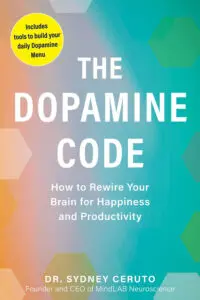
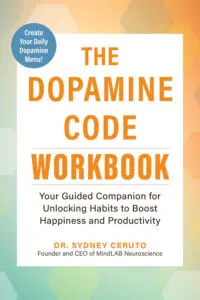
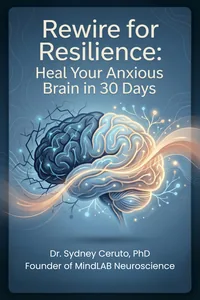
- I am the author of three books:
- Newsletter
- I write The Intelligence Brief, my newsletter on how the brain shapes what you feel, what you choose, and what you cannot seem to change.
Off the clock
I volunteer with Covenant House and the National Alliance on Mental Illness (NAMI), because mental health, resilience, and the freedom to rewire your brain should be accessible to everyone.
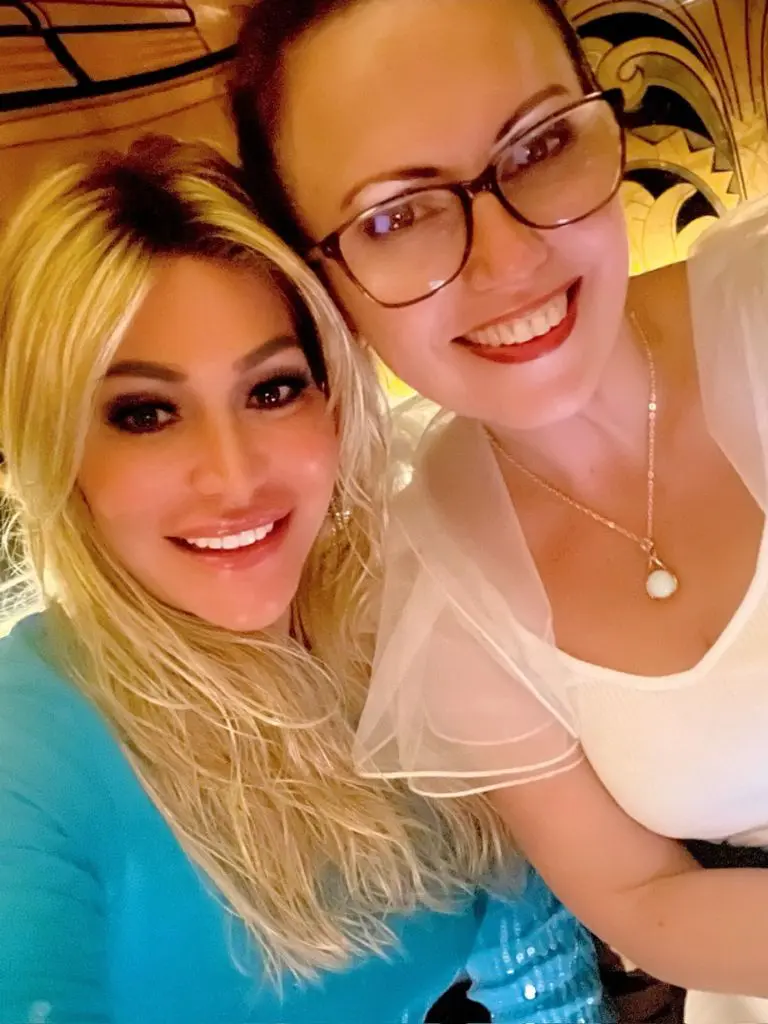
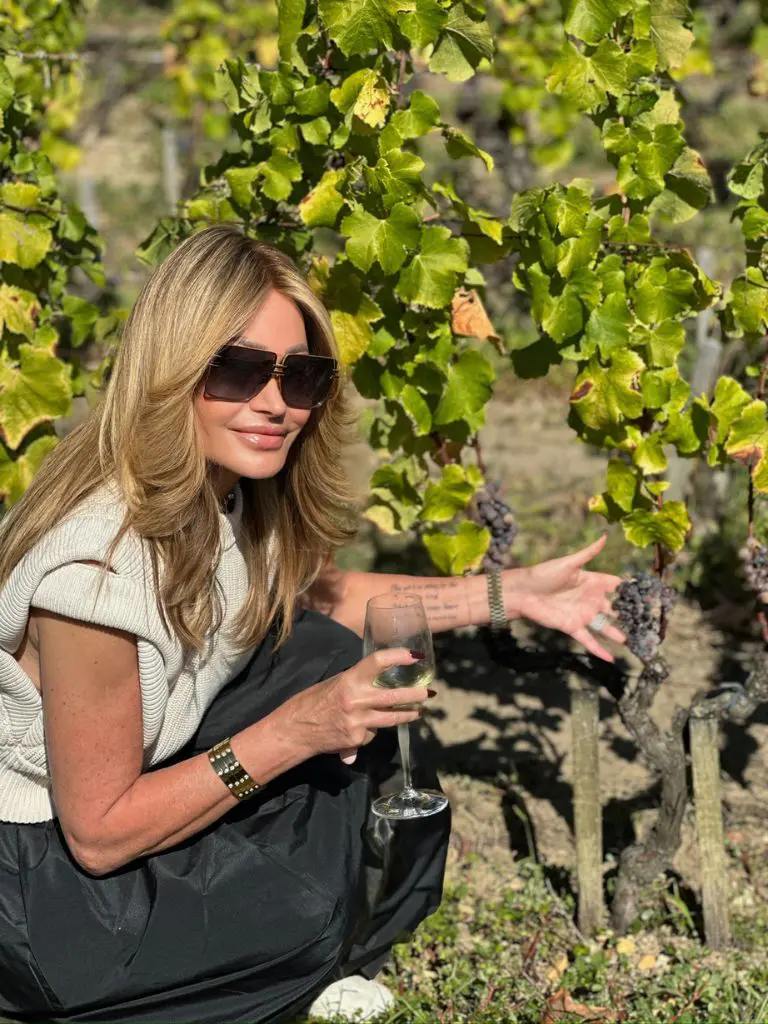
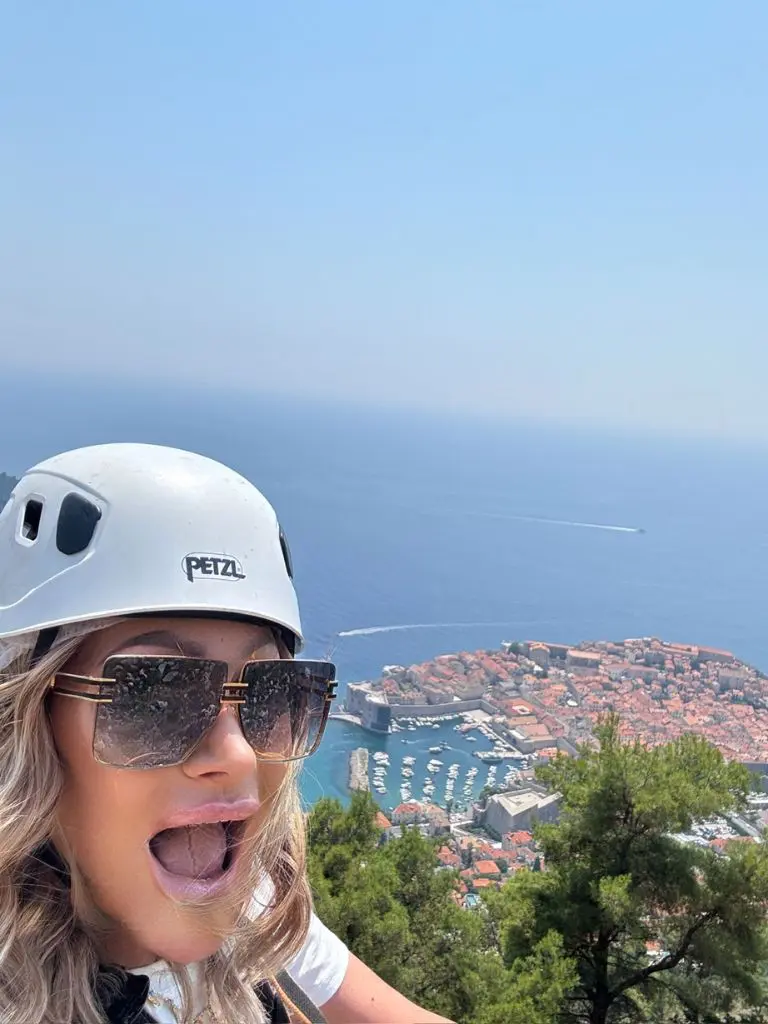
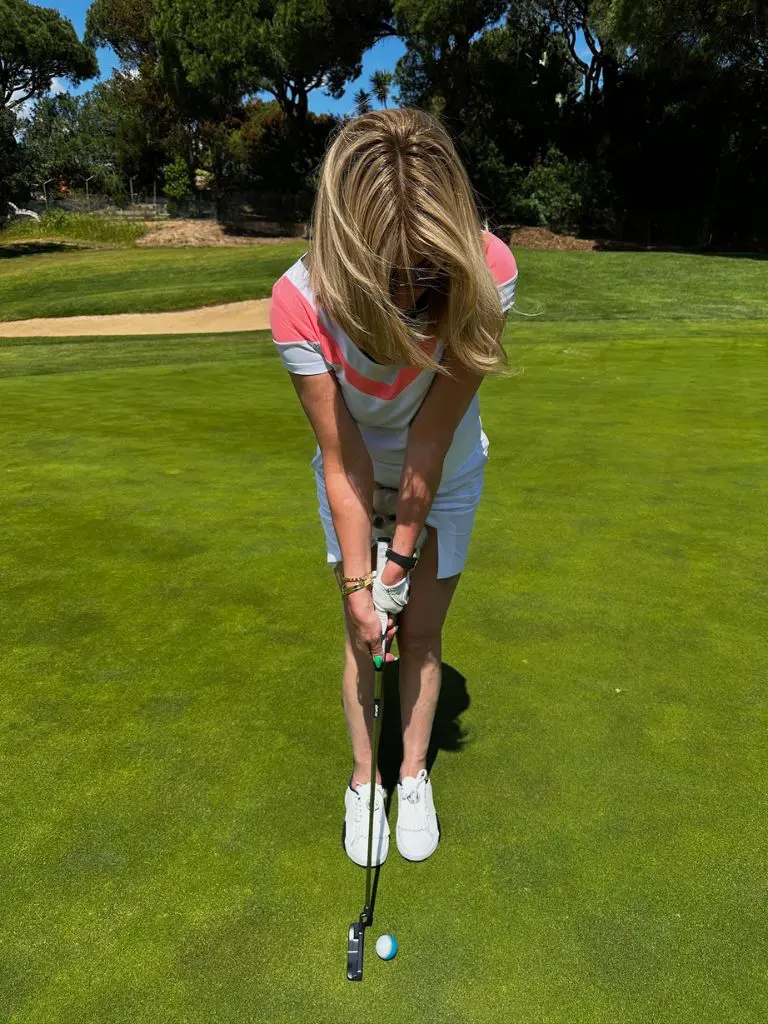
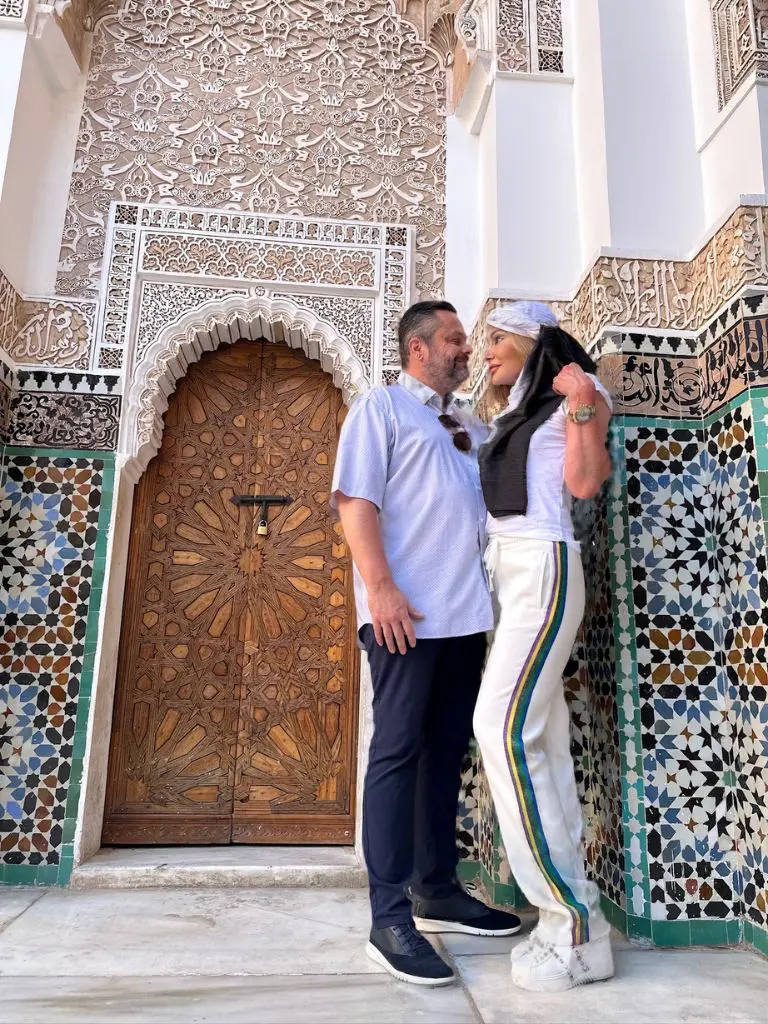
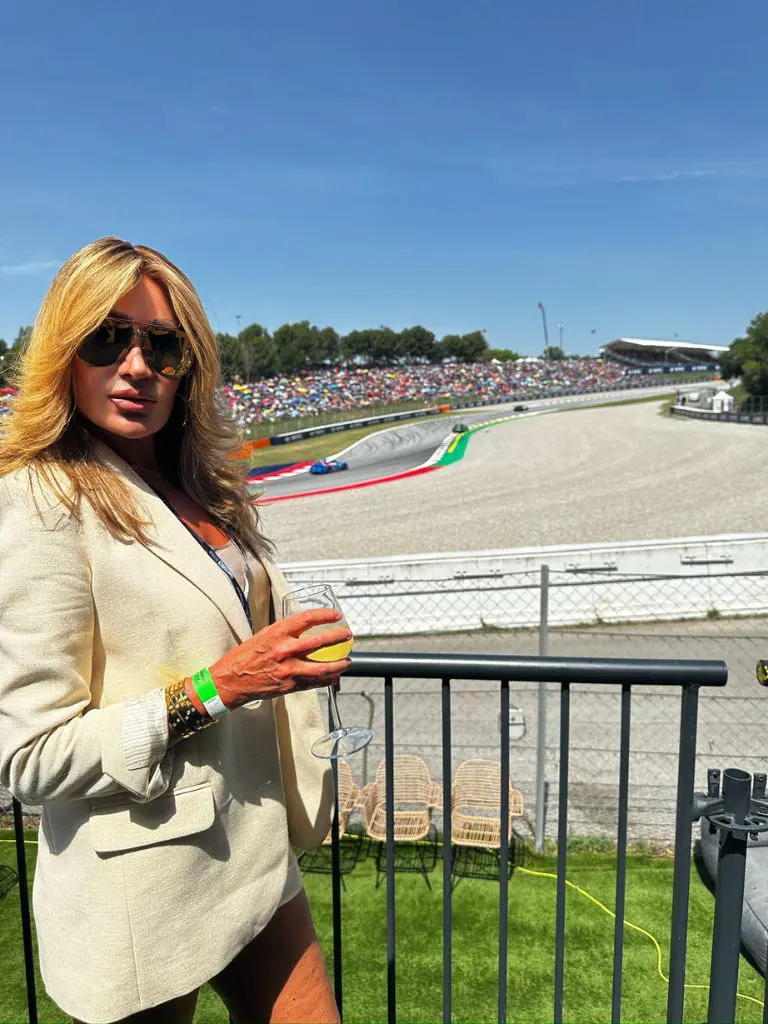
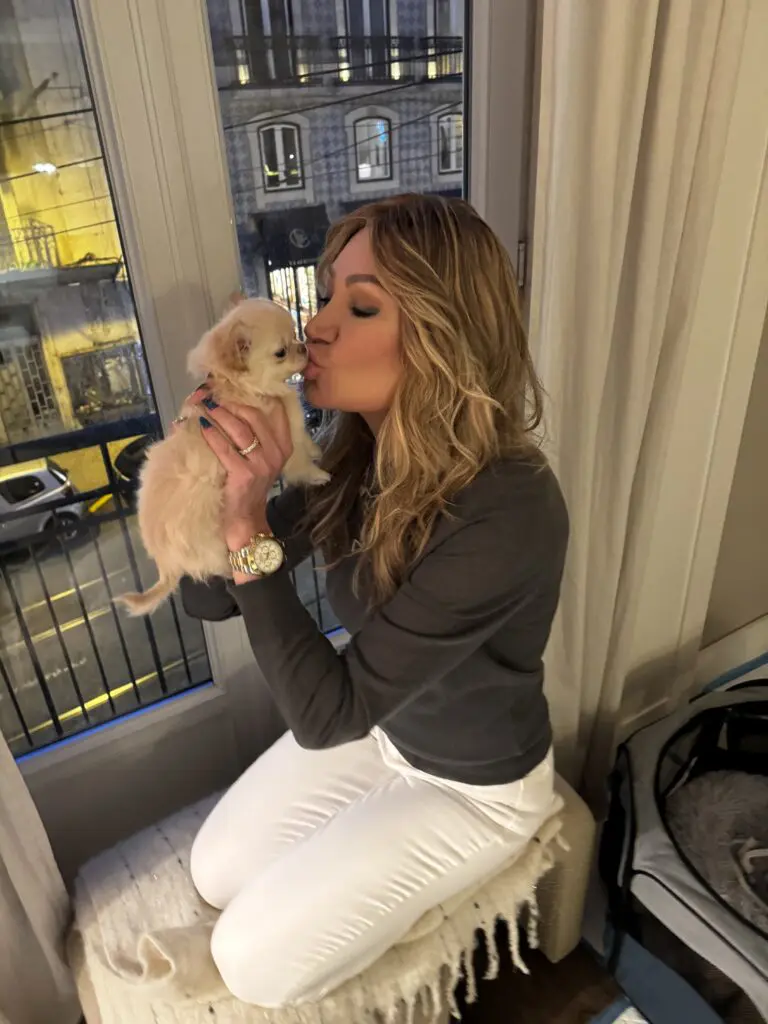
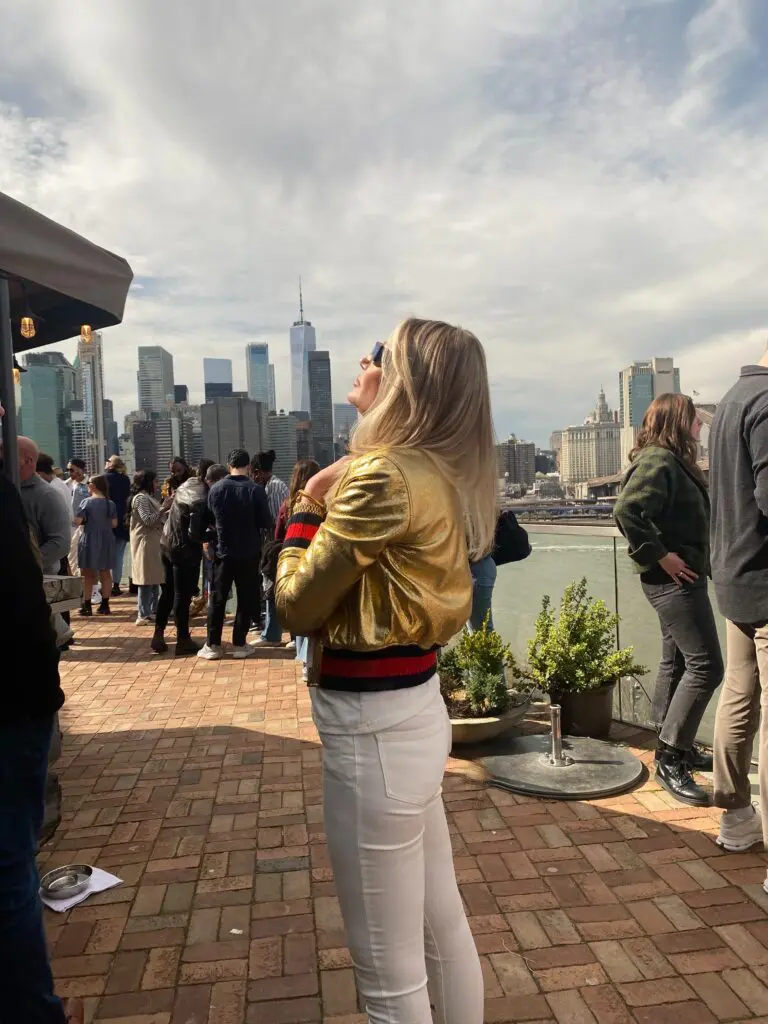
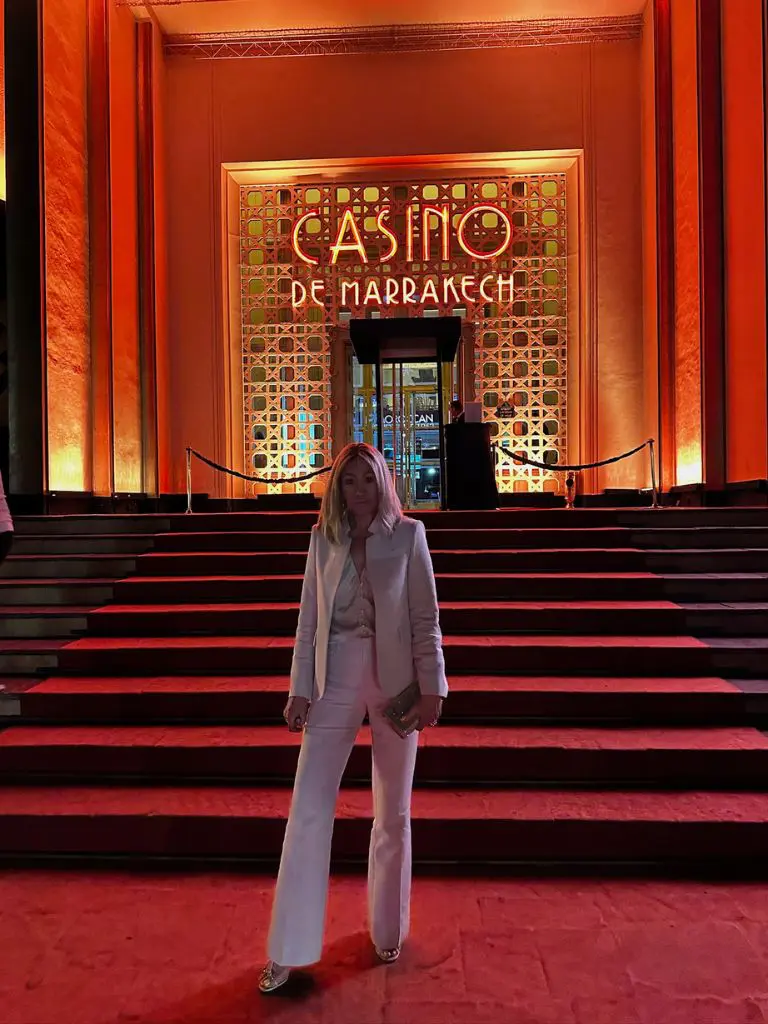
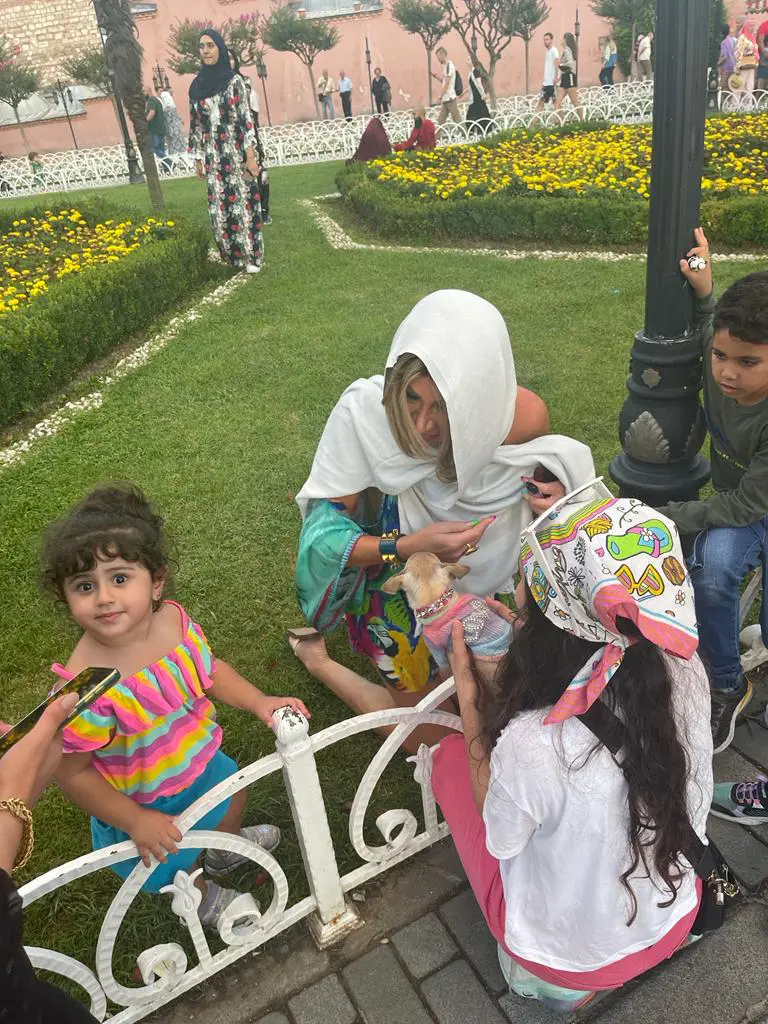
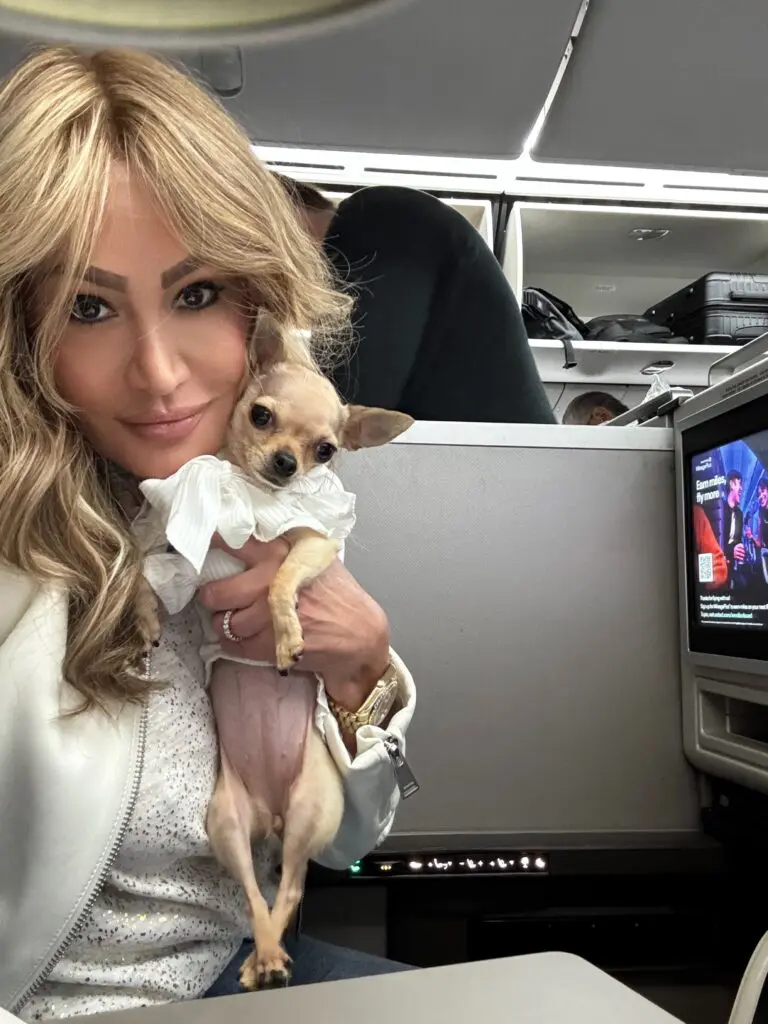
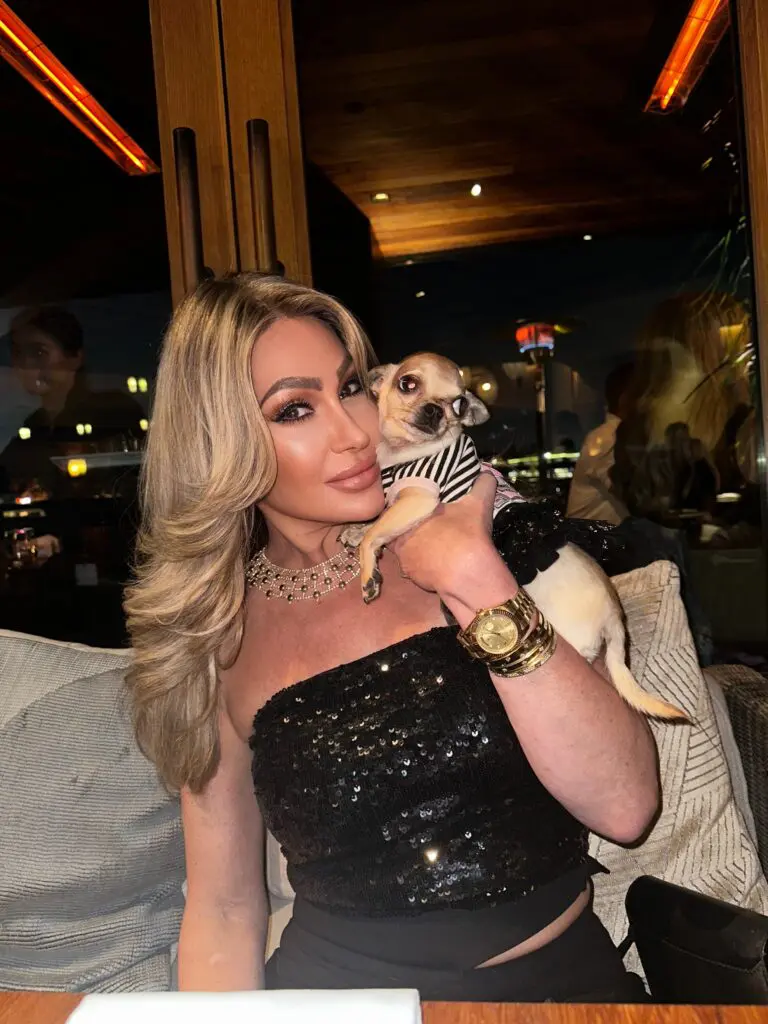
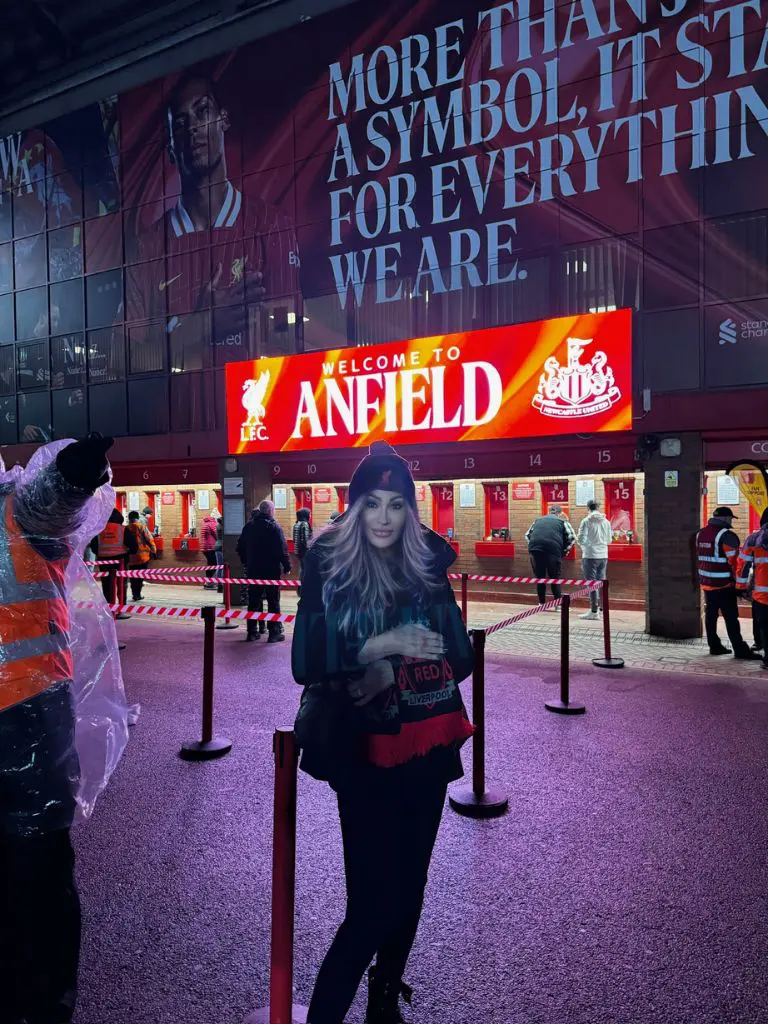
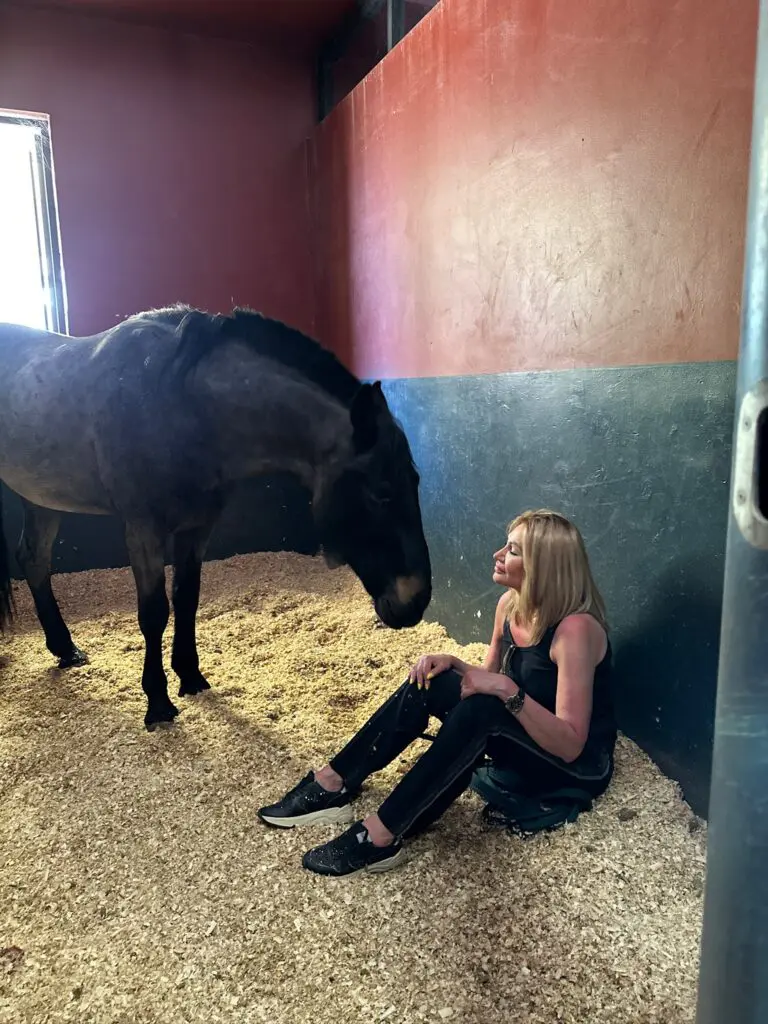
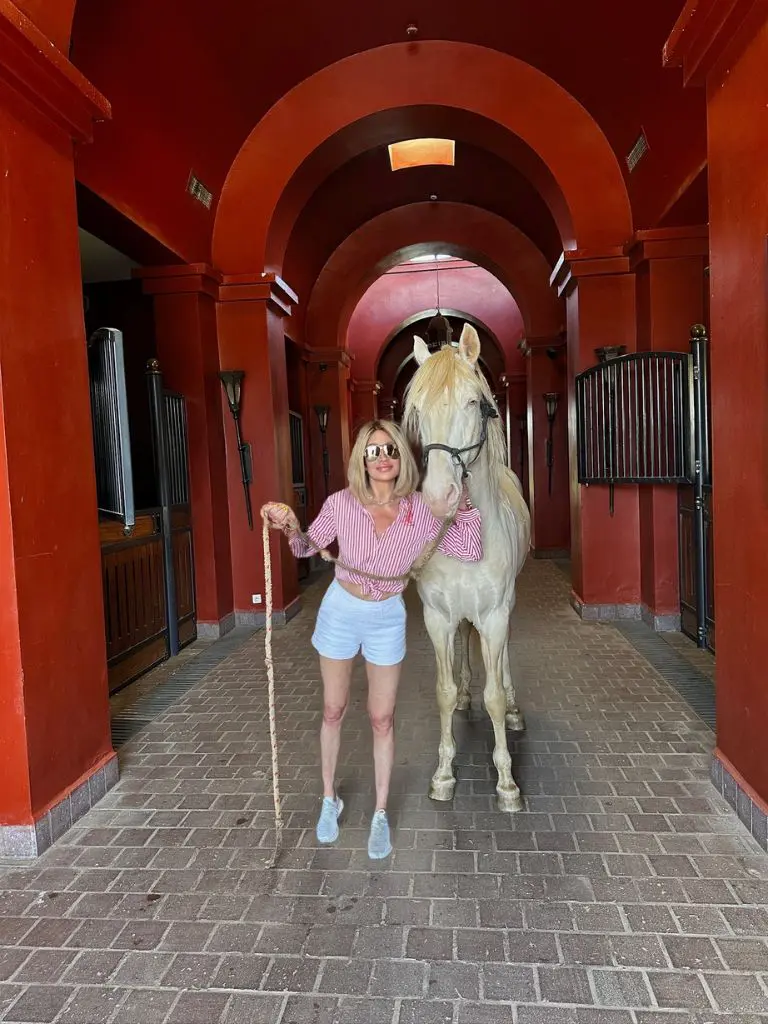
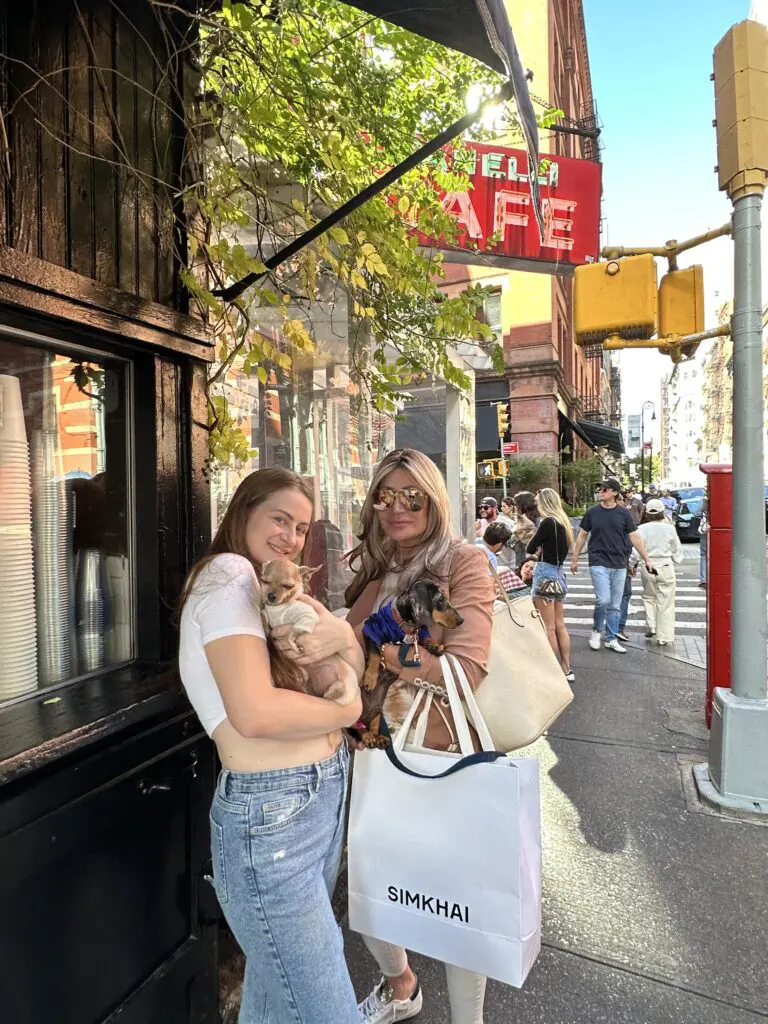
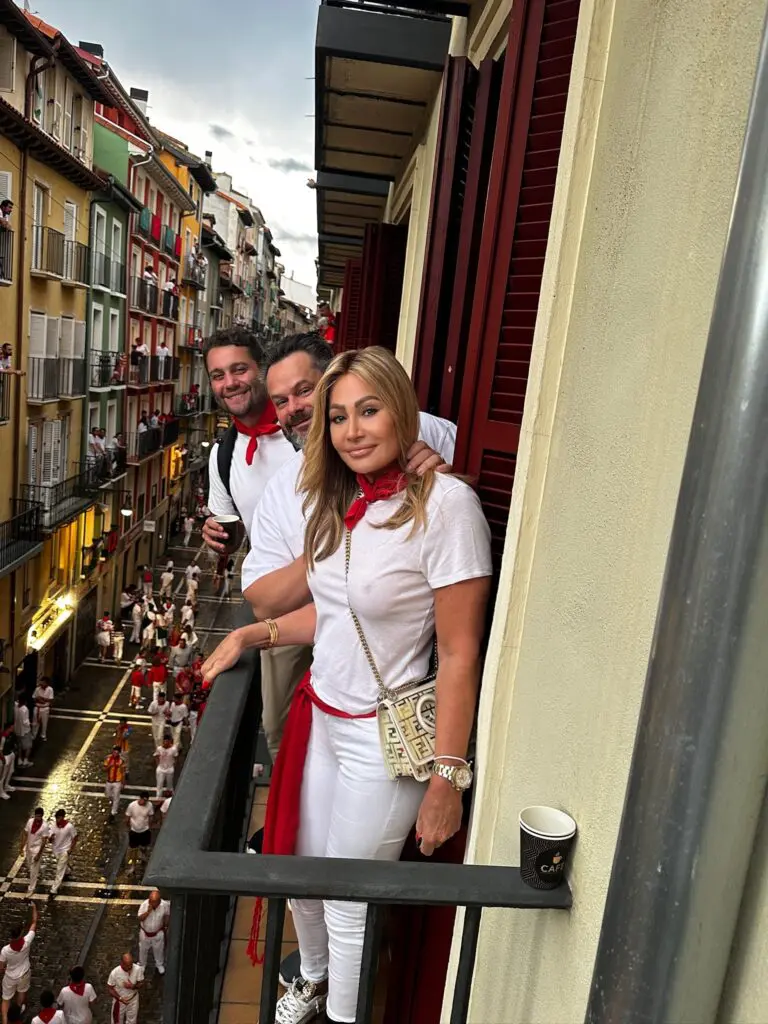
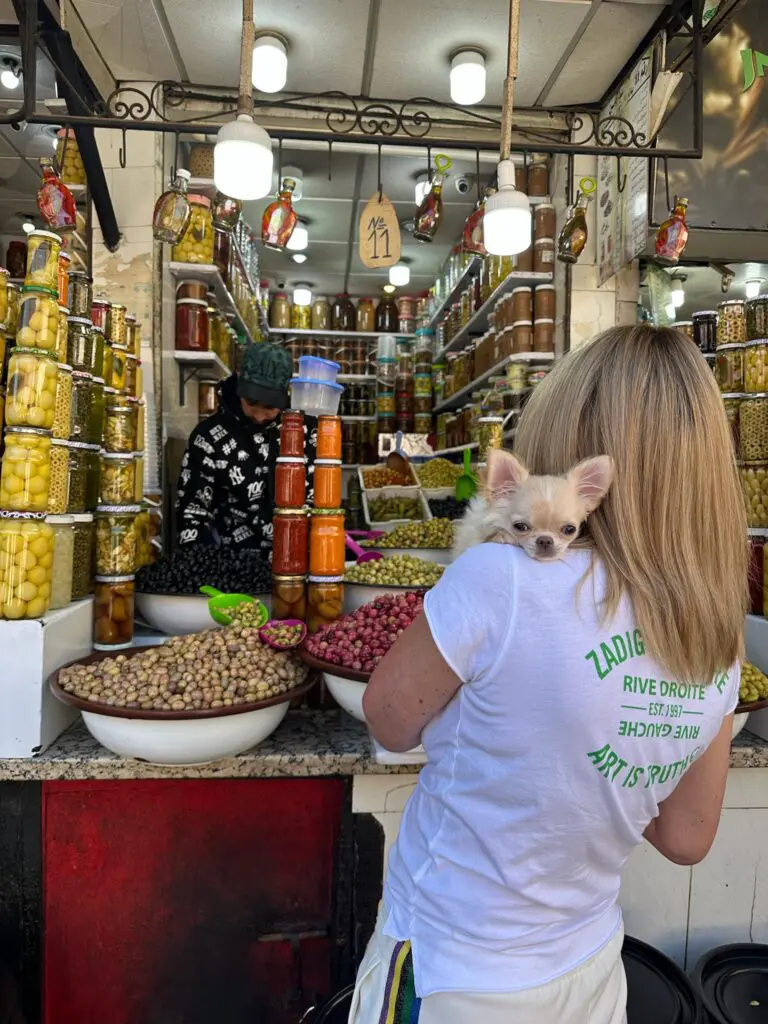
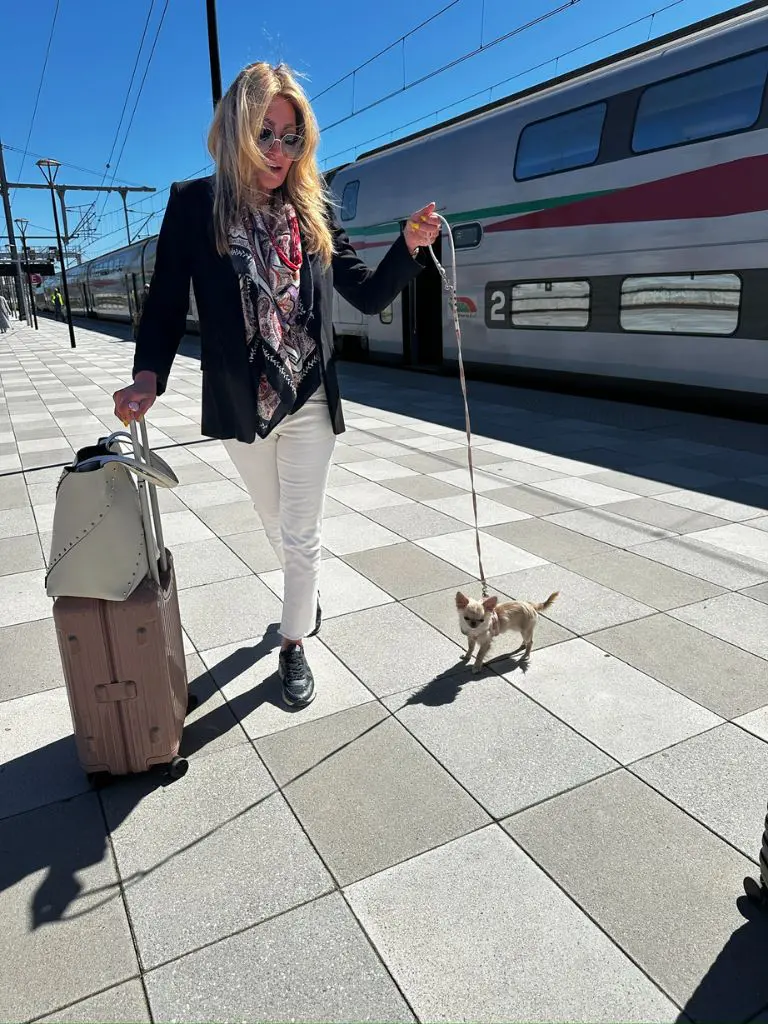
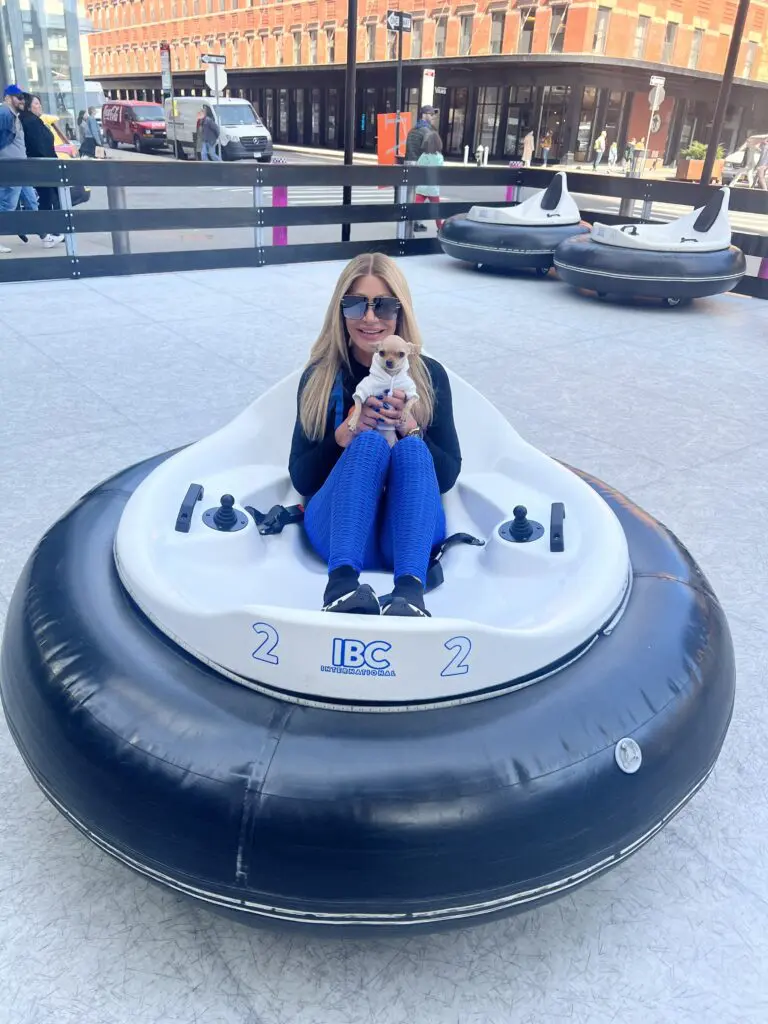
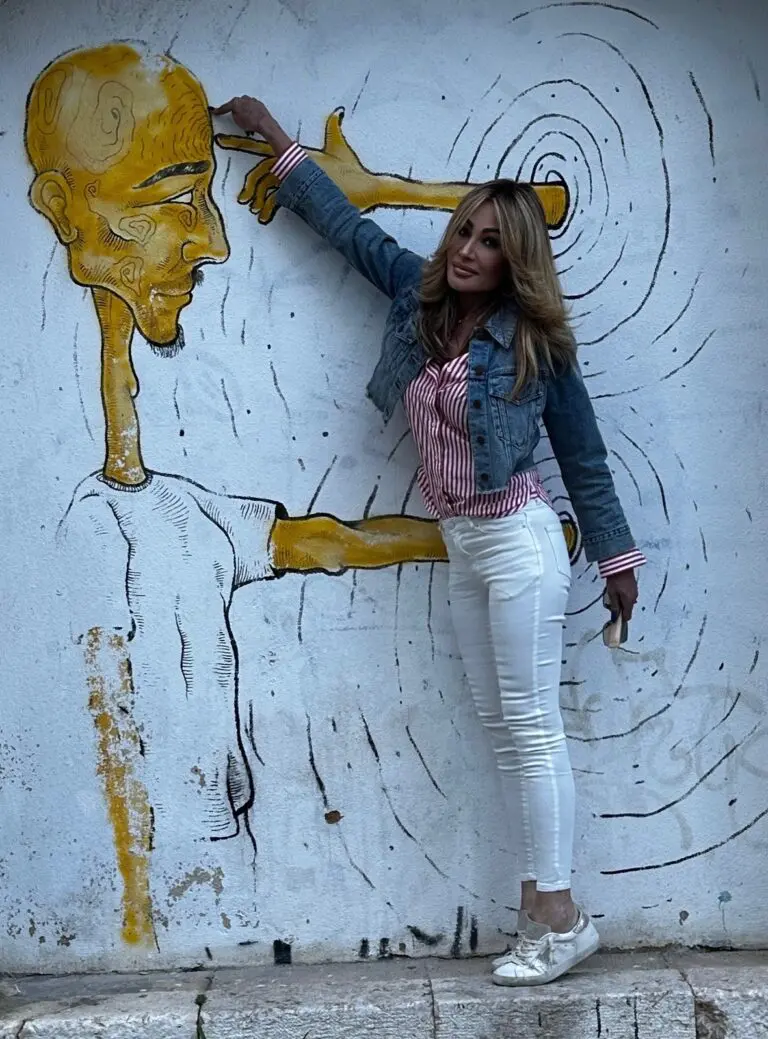
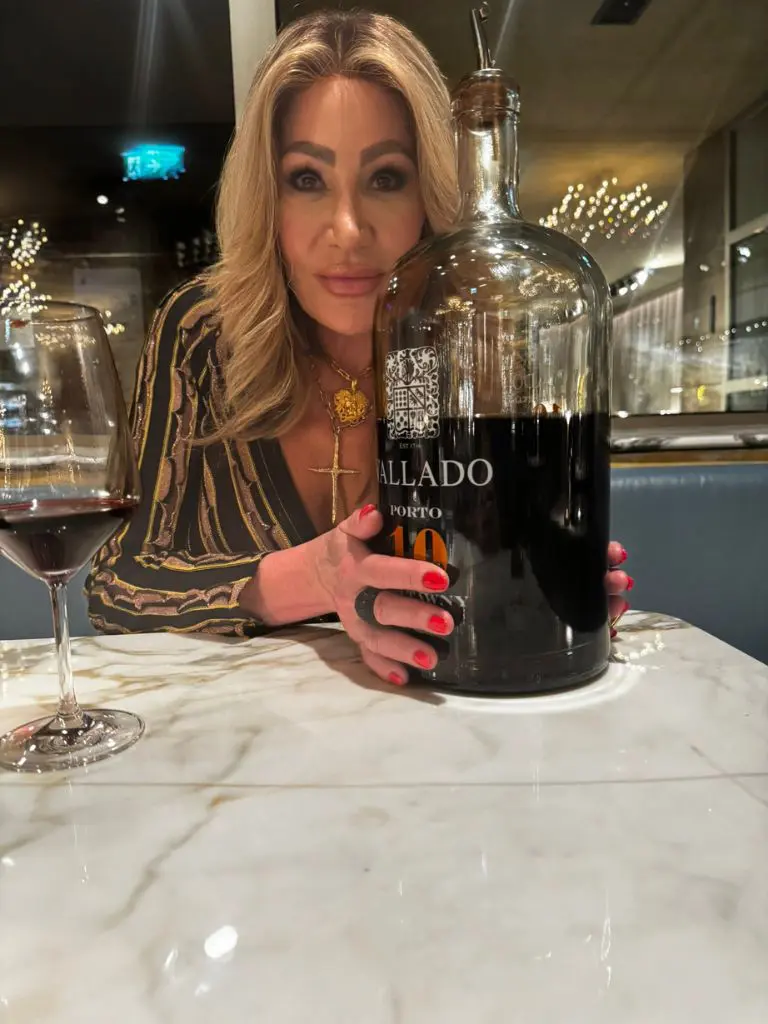
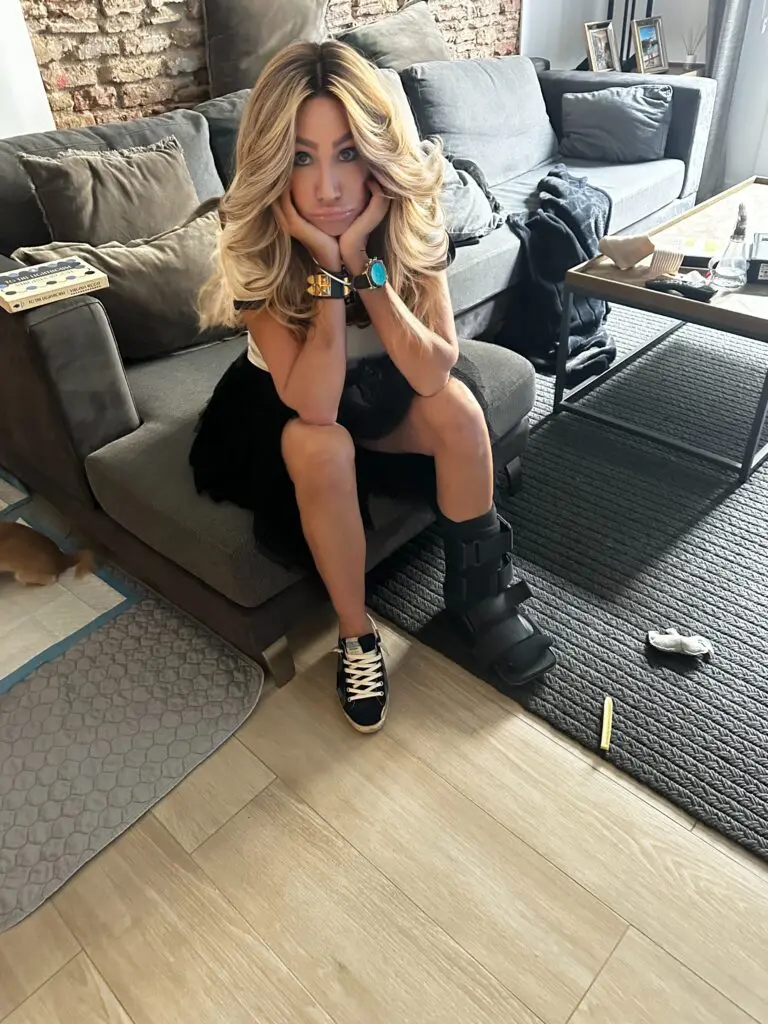
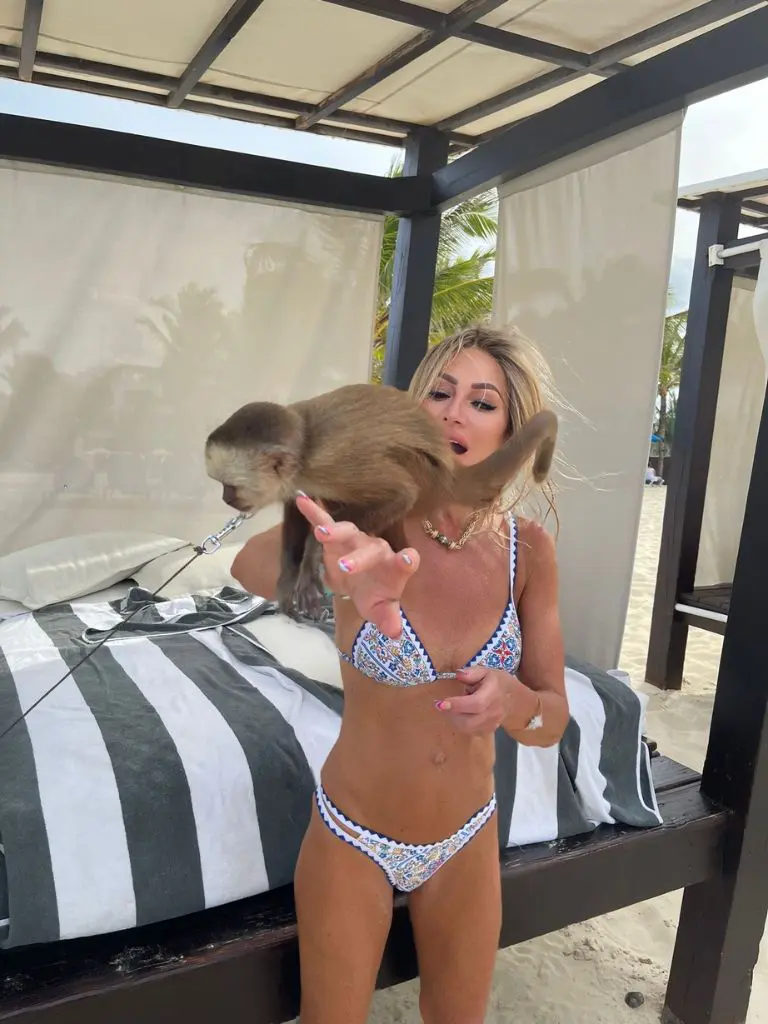
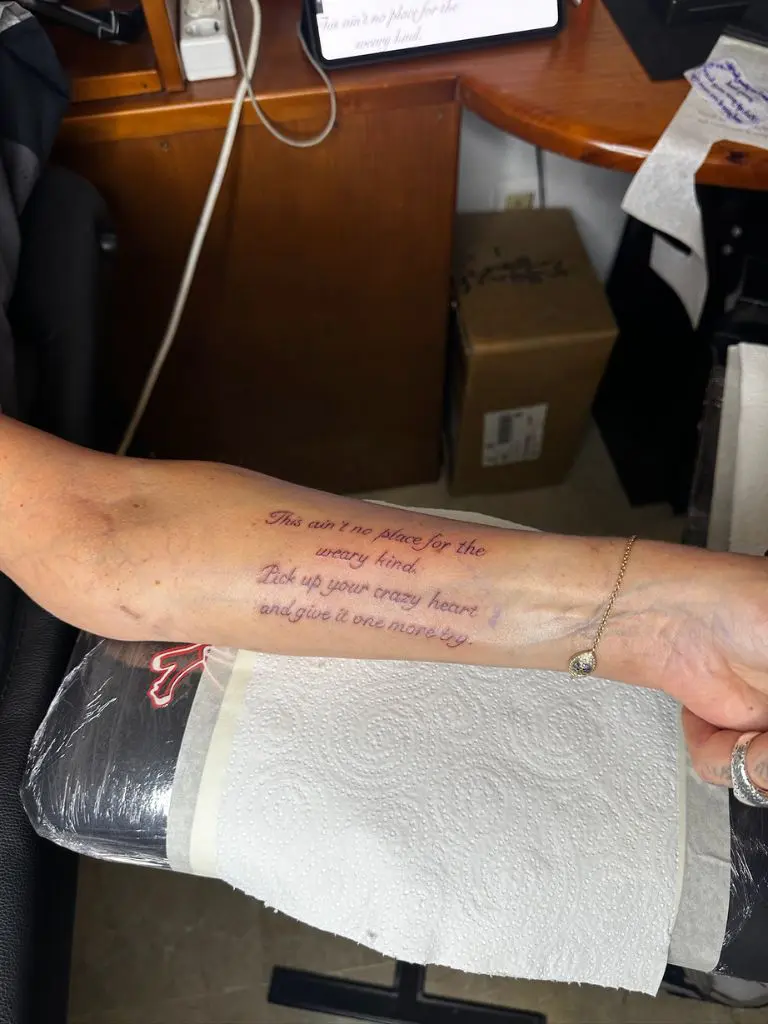
The woman you see in these photos, laughing with family, adventuring through life, that’s the real me. I’m a loving wife, an adoring and proud mom to my incredible son, the kind of best friend who shows up in your corner no matter what, and a certified fanatic animal lover.
I’ve always had a bit of a daredevil streak. I believe in saying yes to life and trying almost anything at least once. I’ve walked the ancient moats of Dubrovnik, chased sunsets across the Sahara, picked grapes from young vines in Bordeaux, and awakened alongside elephants on the plains of Africa.
That same curiosity and appetite for growth shape my work. Outside of neuroscience, I’m passionate about sport, from football to Formula One, and over the past twenty years, I’ve developed a deeply satisfying golf game.
I’m sensitive. Emotionally generous. The kind of person who feels deeply and isn’t ashamed of it.








The unexpected gift
Many of my clients have become dear friends. When I was 15, losing my parents meant losing my entire sense of family. I was alone in ways most people can’t imagine. But through this work, through showing up for people at their most vulnerable and having them show up for me, I built a family I never had.
Your next step
If something on this page resonated, if you recognized your own patterns in what I described, that recognition is the beginning. The next step is one hour with me, by phone. I will tell you what I see in your patterns and what can change.
One hour with Dr. Ceruto