
Key Takeaways
- Affairs activate dopamine reward circuits like addictive substances: the nucleus accumbens fires harder for novelty.
- The prefrontal cortex does not override impulse uniformly; it reinforces whatever moral framework already exists.
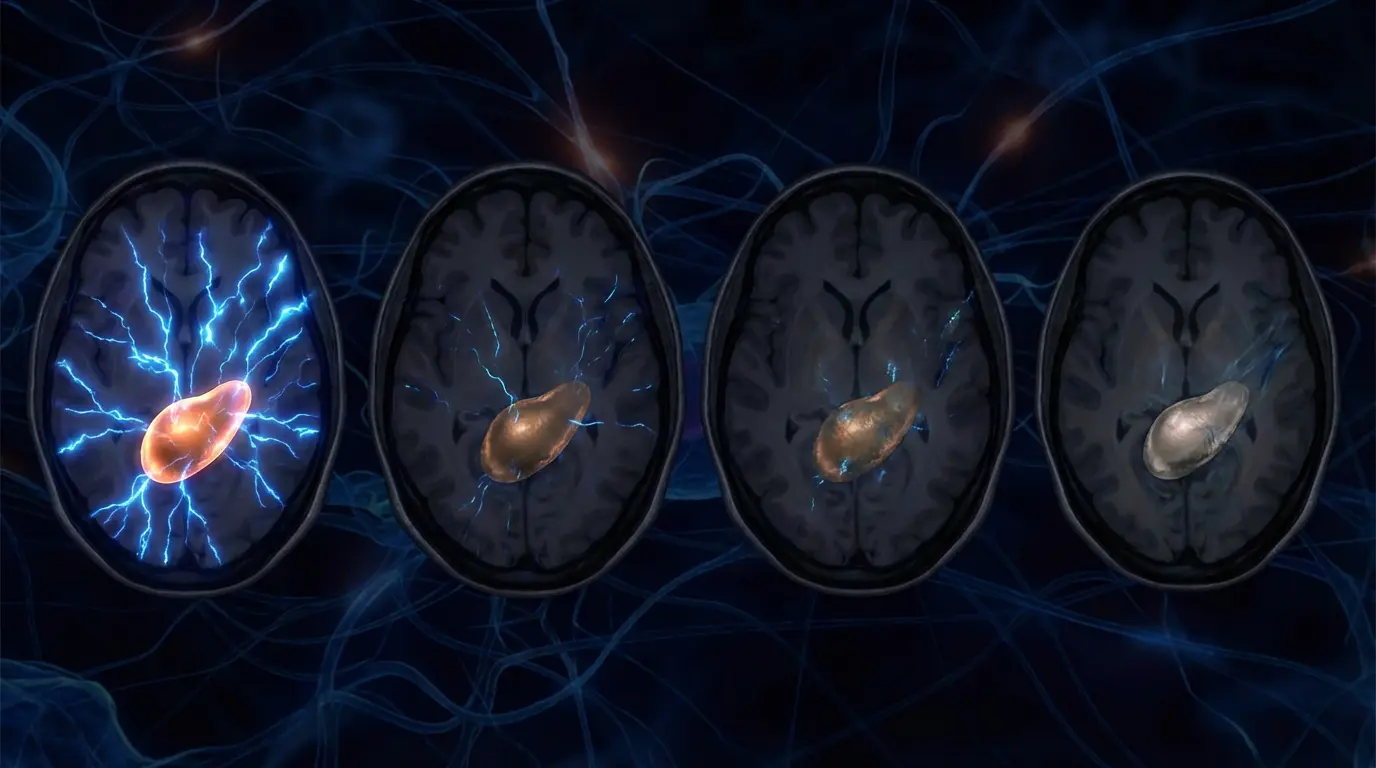
- Repeated dishonesty reduces amygdala activation: the emotional discomfort of lying diminishes with each occurrence.
- Oxytocin and vasopressin fluctuations during an affair create competing attachment signals that destabilize pair bonds.
- Neural mechanisms do not eliminate responsibility: the brain explains the pull, never excuses the choice.
Infidelity is not random. The brain science behind cheating reveals a precise sequence of neurochemical events (dopamine surges, prefrontal rationalization, and amygdala adaptation) that make affairs feel simultaneously irresistible and justifiable to the person engaged in them. This is not a moral framework. It is architecture. And understanding that architecture is the first step toward determining whether the pattern can be interrupted.
In over two decades of applied neuroscience practice, I have worked with hundreds of individuals navigating infidelity, some who initiated it, some who discovered it, and many who could not understand why they repeated a behavior they genuinely wanted to stop. The neuroscience does not excuse the behavior. But it does explain why willpower alone so often fails.
The brain explains the pull, but it never writes the choice. Every lie quiets the alarm that once made it feel wrong, until the discomfort that used to protect you barely registers at all.
How Does Dopamine Drive the Urge to Cheat?
The primary neurochemical driver of infidelity is dopamine, the same neurotransmitter implicated in substance addiction, gambling, and compulsive reward-seeking. The nucleus accumbens, the brain’s central reward hub, responds to novelty with a potency that familiar stimulation cannot match. A new romantic or sexual partner triggers dopamine release at levels that a long-term relationship’s neurochemistry cannot replicate under normal conditions.
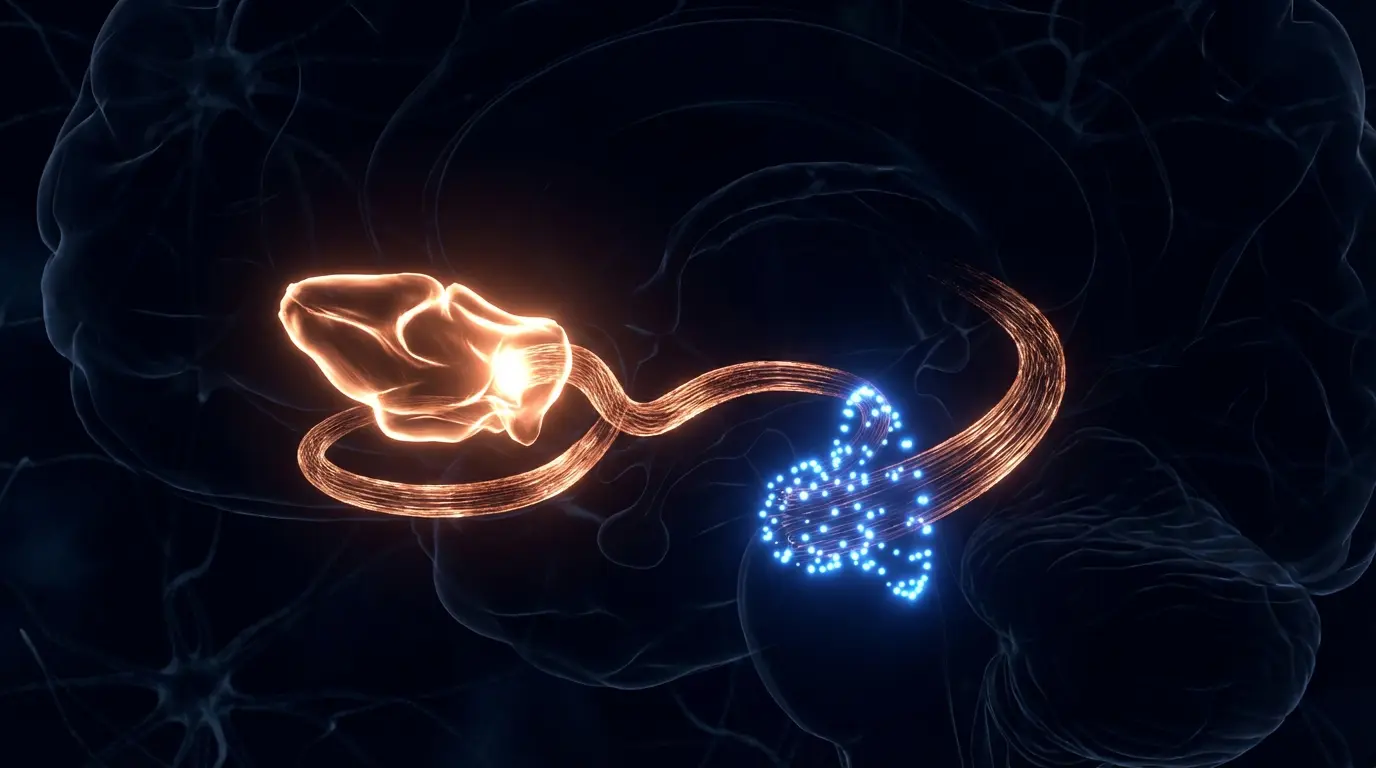
This is not a design flaw. It is an evolutionary feature. The mesolimbic dopamine pathway, running from the ventral tegmental area to the nucleus accumbens and prefrontal cortex, evolved to reward exploration and novel resource acquisition. In the context of pair bonding, this same circuit creates a measurable neurochemical imbalance: the familiar partner activates comfort and attachment systems (oxytocin, vasopressin), while the novel partner activates pursuit and reward systems (dopamine, norepinephrine) at significantly higher concentrations.
What makes this particularly destabilizing is that dopamine does not simply produce pleasure. It produces wanting. The distinction matters clinically. A person in the grip of a dopamine-driven affair does not necessarily feel happier. They feel compelled. The craving circuit has been activated, and it operates with the same insistence as any other addiction pathway. This is precisely the mechanism we identify and target in practice, because until you can name the specific circuit driving the compulsion, willpower is just friction against neurobiology. For a deeper examination of this specific mechanism, see our analysis of dopamine and infidelity neuroscience.
Why Does Novelty Override Attachment?
The ventral tegmental area releases dopamine in proportion to prediction error, the gap between what the brain expects and what it receives. Long-term partners become neurochemically predictable. Novel partners are, by definition, unpredictable. Each unexpected gesture, each unfamiliar response pattern, generates another dopamine spike. The brain is not choosing the new person over the existing partner. It is responding to unpredictability itself.
Does the Prefrontal Cortex Prevent or Enable Cheating?
Most people assume the prefrontal cortex (the seat of executive function, impulse control, and moral reasoning) acts as a brake on infidelity. The neuroscience is more complicated. Brain imaging studies show that the PFC does not apply a universal moral standard. Instead, it reinforces whatever moral framework the individual already holds.
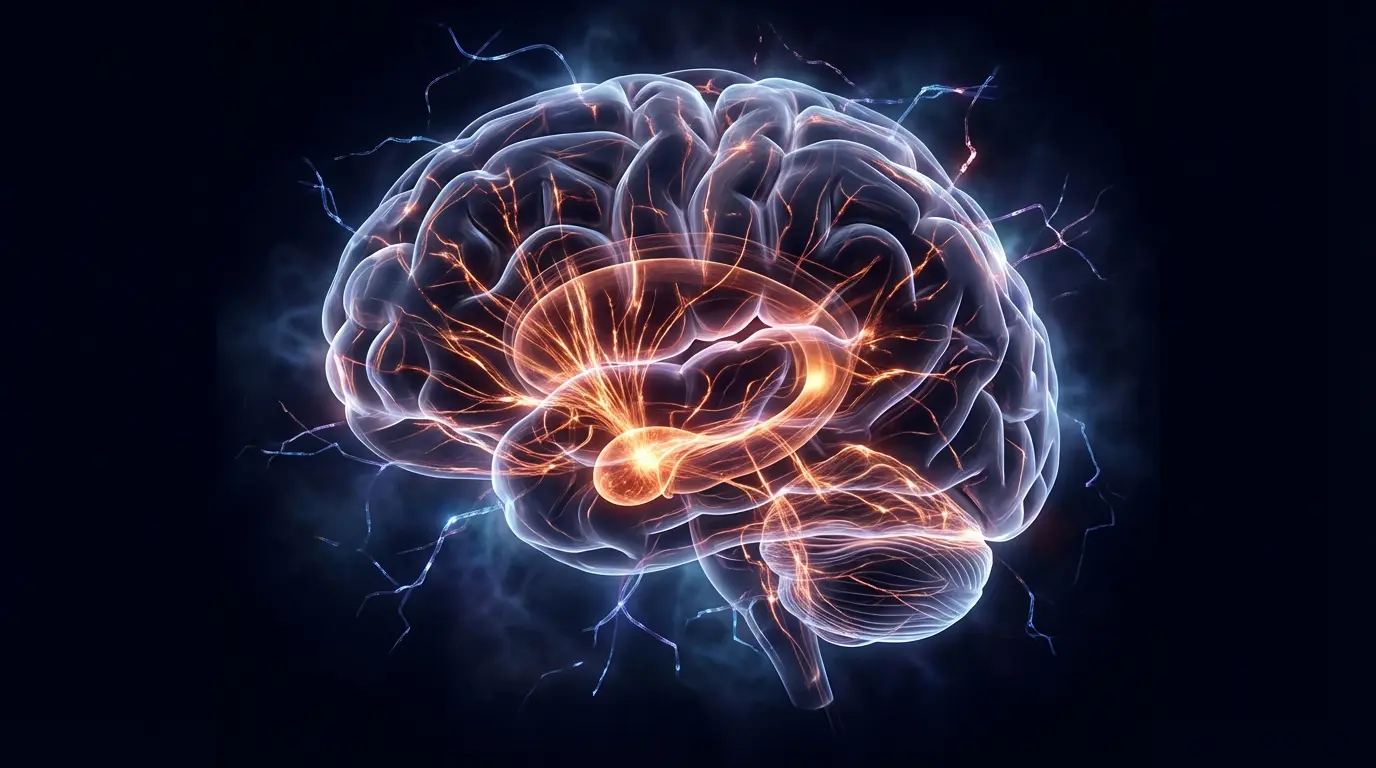
This creates what I call the prefrontal paradox. A person who has already decided, consciously or unconsciously, that the affair is justified will find that their prefrontal cortex supports that justification with remarkable sophistication. The dorsolateral PFC generates rationalizations. The ventromedial PFC assigns emotional weight to those rationalizations. The anterior cingulate cortex monitors for inconsistency and, finding none within the person’s adjusted moral framework, raises no alarm.
The result is that someone engaged in an affair often feels morally coherent. They are not suppressing guilt. They have genuinely reorganized their moral reasoning to accommodate the behavior. This is why confronting a partner with moral arguments frequently fails. You are arguing against a prefrontal cortex that has already resolved the contradiction internally.
One pattern I encounter that the literature does not adequately address is what I call rationalization stacking, where each prefrontal justification builds on the previous one, creating a layered narrative that becomes internally airtight. By the time a client sits across from me, they do not have one reason for the affair. They have twelve, and each one references the others. Dismantling the structure requires identifying the foundational rationalization, the first one, because everything above it collapses once that layer is removed.
The Role of Cognitive Dissonance
When behavior conflicts with self-concept, the brain does not tolerate the dissonance for long. Rather than changing the behavior, the PFC more often revises the narrative. “My partner doesn’t understand me.” “The relationship was already over.” “This is the only thing keeping me functional.” These are not excuses generated after the fact. They are real-time prefrontal outputs designed to maintain psychological coherence.
Why Does Lying Get Easier Over Time?
Research led by Tali Sharot at University College London demonstrated that the amygdala’s response to dishonesty diminishes with repetition. The first lie produces measurable emotional discomfort, elevated amygdala activation, increased galvanic skin response, subtle physiological stress markers. The tenth lie produces significantly less. The hundredth, almost none.
This is amygdala adaptation, and it operates on the same principle as any other form of neural habituation. The brain treats repeated stimuli as less threatening over time. In the context of infidelity, this means the emotional cost of deception drops with each repetition. The person is not becoming more callous by choice: their threat-detection circuitry is literally recalibrating.
I have observed this pattern consistently in my practice. Clients who describe the first weeks of an affair as agonizing (sleepless nights, nausea, overwhelming guilt) often describe the later stages as surprisingly manageable. They have not made peace with the behavior. Their amygdala has simply stopped flagging it as a threat.
What published research does not capture, but I see repeatedly, is the specific moment when adaptation becomes identity. There is a point, usually several months in, where the person stops experiencing the affair as something they are doing and starts experiencing it as something they are. The neural habituation has crossed from behavioral tolerance into self-concept integration. That transition is the clinical inflection point, and it is the hardest to reverse because the person is no longer fighting a compulsion. They are defending a version of themselves.
This adaptation has a secondary consequence: it makes escalation more likely. As the emotional braking system weakens, behaviors that would have been unthinkable at the outset become incrementally accessible. The neural threshold for what constitutes “too far” shifts progressively. This is the kind of escalation pattern that responds to neurological intervention, not because we override the brain, but because we make the adaptation visible to the person living inside it.
How Does Infidelity Affect the Betrayed Partner’s Brain?
The neurological impact on the person who discovers a partner’s infidelity is equally measurable and often devastating. Discovery of betrayal activates the anterior insula and dorsal anterior cingulate cortex, the same regions that process physical pain. This is not metaphor. The brain does not distinguish cleanly between social betrayal and physical injury. Both register as threats to survival.
Cortisol floods the system. The hypothalamic-pituitary-adrenal axis enters a sustained stress response that can persist for months. Sleep architecture fractures. The hippocampus, responsible for contextualizing memories, begins encoding the betrayal into every associated memory, retroactively contaminating experiences that previously felt safe. For a detailed exploration of these downstream effects, see our article on how cheating impacts self-esteem.
The prefrontal cortex of the betrayed partner enters its own crisis. Trust, which is neurologically maintained by oxytocin signaling and predictive modeling in the default mode network, collapses. The brain must now rebuild its entire predictive model of the partner, a process that is metabolically expensive and emotionally excruciating.
You already knew the facts. What keeps you awake is the question nobody answers: was it the situation, or was it always going to happen? That question has a neurological answer, not a comfortable one, but a precise one. This is the architecture I map in a strategy call: which circuits are driving the pattern and whether they can be interrupted.
Does Understanding the Neuroscience Remove Moral Responsibility?
No. And this distinction matters more than any other point in this article. The brain science behind cheating explains mechanism, not morality. Understanding that dopamine drives novelty-seeking does not make novelty-seeking inevitable. Understanding that the amygdala adapts to dishonesty does not make dishonesty acceptable. Understanding that the prefrontal cortex rationalizes behavior does not make rationalization valid.
Every neural mechanism described here operates within a system that also contains executive override capacity. The prefrontal cortex can be trained to recognize its own rationalizations. The dopamine response to novelty can be redirected through deliberate behavioral intervention. The amygdala’s adaptation to dishonesty can be counteracted by reintroducing consequence awareness.
What the neuroscience does provide is a map. For the person who has cheated and cannot understand why, it offers architecture instead of character assassination. For the person who has been cheated on, it offers mechanism instead of the corrosive narrative that they were somehow insufficient. Neither explanation is an excuse. Both are starting points for structural change.
What the First Conversation Looks Like
When someone reaches out to MindLAB Neuroscience about infidelity (whether they initiated it, discovered it, or find themselves caught in a pattern they cannot explain) the first conversation is not a moral inventory. It is a neurological assessment. I listen for specific markers: the timeline of escalation, the pattern of rationalization, the presence or absence of genuine compulsion versus opportunistic choice. Within a single conversation, the underlying architecture becomes identifiable, whether the pattern is dopamine-driven novelty-seeking, attachment system disruption, prefrontal rationalization, or some combination of all three.
For most people, hearing the mechanism described in precise neurological terms shifts something fundamental. The shame-and-blame cycle that keeps both partners trapped gives way to a structural understanding that is actually actionable. The partner who cheated stops performing remorse and starts understanding what their brain was actually doing. The partner who was betrayed stops asking “why wasn’t I enough?” and starts understanding that the answer was never about sufficiency. It was about circuit activation.
If this pattern is present in your relationship, whether you are trying to understand your own behavior or recover from a partner’s, you can schedule a strategy call with Dr. Sydney Ceruto to map the specific neural architecture driving the pattern and determine whether it is addressable through targeted intervention. The call is one hour, and it is not a sales conversation. It is a real working session.
Related: infidelity and trust architecture hub · relationship intelligence pillar.
What part of the brain is most active during an affair?
The nucleus accumbens, the brain’s primary reward center, shows the most pronounced activation during novel romantic and sexual encounters. This structure sits at the center of the mesolimbic dopamine pathway and responds to the unpredictability of a new partner with significantly greater intensity than it responds to a familiar one. The ventral tegmental area, which supplies dopamine to the nucleus accumbens, fires in proportion to prediction error, meaning the less predictable the encounter, the stronger the neurochemical response.
Can the brain become addicted to cheating?
Repeated infidelity can produce a pattern that mirrors behavioral addiction at the neurological level. The dopamine reward circuit strengthens with each novel encounter, while the amygdala’s emotional braking system weakens through habituation. Over time, the brain requires increasing levels of novelty to produce the same dopamine response, a process called tolerance, and the absence of that stimulation produces genuine withdrawal-like discomfort. This does not mean infidelity is an addiction in the strict medical sense, but the neural mechanisms share significant overlap with recognized addictive processes.
Why do moral arguments fail to stop an affair?
Most people assume the prefrontal cortex acts as a brake on infidelity, but brain imaging shows it does not apply a universal moral standard. Instead, it reinforces whatever moral framework the individual already holds. Someone who has already decided, consciously or unconsciously, that the affair is justified will find that the prefrontal cortex supports that justification with remarkable sophistication: the dorsolateral region generates rationalizations, the ventromedial region assigns emotional weight to them, and the anterior cingulate cortex, finding no inconsistency within the adjusted framework, raises no alarm. The result is that the person often feels morally coherent, which is why confronting them with moral arguments frequently fails. You are arguing against a prefrontal cortex that has already resolved the contradiction internally.
Is there a genetic predisposition to cheating?
Variations in dopamine receptor genes, particularly DRD4 and DRD2, have been associated with increased novelty-seeking behavior, which correlates with higher rates of infidelity in population studies. Vasopressin receptor gene variants (AVPR1A) have also been linked to pair-bonding stability. However, genetic predisposition is not determinism. These genes influence the baseline sensitivity of reward and attachment circuits, but those circuits remain plastic and responsive to deliberate intervention throughout adulthood. A predisposition toward novelty-seeking does not mandate infidelity, it means the threshold for dopamine-driven pursuit is lower and requires more intentional management.
Can the neuroscience of infidelity be addressed at the circuit level?
Yes. Every neural mechanism involved in infidelity operates within a system that also contains executive override capacity. The prefrontal cortex can be trained to recognize its own rationalizations, the dopamine response to novelty can be redirected through deliberate behavioral intervention, and the amygdala’s adaptation to dishonesty can be counteracted by reintroducing consequence awareness. A neurologically informed approach first identifies which specific circuits are driving the pattern, whether it is primarily dopamine-driven novelty-seeking, attachment-system disruption, or prefrontal rationalization, and then targets intervention at that level rather than relying on willpower alone.
References
Fisher, H. E., Brown, L. L., Aron, A., Strong, G., and Mashek, D. (2010). Reward, addiction, and emotion regulation systems associated with rejection in love. Journal of Neurophysiology, 104(1), 51–60. https://doi.org/10.1152/jn.00784.2009
Garrett, N., Lazzaro, S. C., Ariely, D., and Sharot, T. (2016). The brain adapts to dishonesty. Nature Neuroscience, 19(12), 1727–1732. https://doi.org/10.1038/nn.4426
Acevedo, B. P., Aron, A., Fisher, H. E., and Brown, L. L. (2012). Neural correlates of long-term intense romantic love. Social Cognitive and Affective Neuroscience, 7(2), 145–159. https://doi.org/10.1093/scan/nsq092
Eisenberger, N. I. (2012). The pain of social disconnection: Examining the shared neural underpinnings of physical and social pain. Nature Reviews Neuroscience, 13(6), 421–434. https://doi.org/10.1038/nrn3231