Your brain learns differently than you think, leveraging deep biological and evolutionary mechanisms honed over millennia. This hub, guided by the insights of Dr. Sydney Ceruto, demystifies the neuroscience behind effective learning, empowering you with evidence-based strategies like spaced repetition and retrieval practice to unlock your full cognitive potential.
The Evolutionary Design
Nature designed your brain to adapt or die. A static brain cannot survive in a changing world. Your ancestors needed to remember where food grew and where predators hid. So, the brain evolved to change its physical structure based on experience. It rewires connections to save energy and automate survival skills. This biological flexibility allows you to master new environments instead of being crushed by them.
The Modern Analogy
Learning in the brain is like building and upgrading a path through the woods, where every time you walk that same route, it becomes smoother, clearer, and easier to travel. When you learn something new, the forest is thick. You have to hack through heavy brush and vines. It is slow, exhausting work. If you stop walking the path, the weeds grow back immediately. The trail vanishes. Without repetition, the brain abandons the route and you lose the skill.
The Upgrade Protocol
You must travel the path frequently to keep it open. Repetition tramples the dirt and widens the trail. Deep focus acts like a construction crew. It turns a rough dirt path into a paved superhighway. Signals move faster and with less resistance. Do not let the forest take over. Walk the route often and the journey will become effortless.
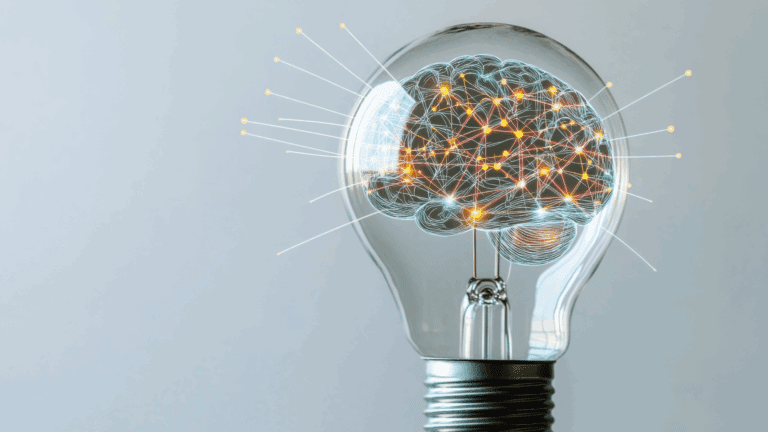
To truly master information and optimize your cognitive performance, you must first understand the deep evolutionary mechanics that forged your learning brain. It’s not about rote memorization; it’s about harnessing a system designed for survival.
The capacity for learning is not a mere convenience; it is a fundamental survival imperative, honed over millions of years of evolution. Our ancestors who could rapidly learn from their environment – identifying safe food sources, recognizing predators, or remembering advantageous routes – were the ones who survived and reproduced. This drive is the bedrock of all memory enhancement and learning optimization. Nature designed the brain for adaptive learning. Every successful encounter with a novel challenge, every avoidance of a past threat, reinforced neural pathways critical for future success. This constant feedback loop between action and outcome sculpted the very architecture of our cognitive functions, ensuring robust learning strategies were prioritized. Central to this evolutionary learning is the Limbic System. This ancient part of the brain, including structures like the amygdala and hippocampus, plays a crucial role in emotion, motivation, and memory. The amygdala tags experiences with emotional significance – fear of a predator, pleasure from food – making those memories sticky and readily accessible for future decisions. The hippocampus memory system, specifically, is a cornerstone of our learning brain. It acts as a temporary indexing system for new information, consolidating short-term experiences into long-term memories. This allows us to map out environments, recall sequences of events, and integrate new facts, essential for navigating complex and dynamic landscapes. Beyond conscious recall, the Basal Ganglia contributes significantly to learning through habit formation and procedural memory. Our ancestors didn’t consciously plan every step to evade a predator; they developed fluid, automatic movements. This system allows for the efficient execution of learned motor skills and behavioral routines, freeing up cognitive resources for more complex problem-solving. The Prefrontal Cortex, while a more recent evolutionary development, provides executive oversight. It integrates information from the Limbic System and Basal Ganglia, allowing for complex planning, decision-making, and the adaptation of learned behaviors to new contexts. This region supports advanced learning strategies, enabling us to go beyond instinctual reactions. Effective learning is essentially advanced neural encoding. When we encounter new information or experiences, specialized brain cells, neurons, form new connections or strengthen existing ones. This intricate process of synaptic plasticity ensures that vital information is stored efficiently, providing the foundation for all memory techniques. Consider the evolutionary advantage of what we now call active recall. An early human needing to remember the precise location of a rare water source or the tell-tale signs of a lurking danger would instinctively engage in mental rehearsal, strengthening that memory for critical future use. This is the primal blueprint for modern retrieval practice. Similarly, spaced repetition, a cornerstone of modern learning, has ancient roots. An animal repeatedly encountering a certain plant at different intervals, noting its toxicity or edibility, reinforces that neural encoding over time. This isn’t about cramming; it’s about distributed exposure for deep, lasting memory enhancement, an inherent mechanism to prevent forgetting critical survival information. Understanding these evolutionary underpinnings empowers you. Your brain is not a passive recipient of information but a dynamic, adaptive instrument optimized for learning and survival. By aligning your learning strategies with these inherent biological mechanisms, you unlock unparalleled cognitive potential.
Your brain learns differently than you think. The modern world, particularly the corporate and academic landscapes, presents a profound challenge to how our brains are inherently designed to acquire and retain information. Our neural architecture, refined over millennia for survival in varied natural environments, now navigates an ecosystem of constant digital input, fragmented attention, and relentless demands. This creates a significant evolutionary mismatch. The core learning brain mechanisms, optimized for focused attention and iterative practice, are continuously undermined. Modern environments often necessitate shallow processing of vast information streams, rather than the deep neural encoding required for robust memory enhancement. Passive information consumption—like lengthy presentations or endless emails—bypasses effective learning strategies such as active recall and spaced repetition, essential for true learning optimization. Consider the hippocampus, the critical structure for forming new memories and consolidating learning. It thrives on deliberate focus and periods of rest for memory consolidation. In today’s hyper-connected world, the hippocampus is frequently bombarded with fragmented stimuli, struggling to build durable hippocampus memory networks. This constant input reduces the capacity for genuine knowledge acquisition and retention. This persistent state of cognitive demand induces what is known as “allostatic load” – a metabolic friction on the brain and body. It represents the cumulative “wear and tear” from chronic stress, demanding continuous physiological and psychological adaptation. This constant energy expenditure diverts vital resources from higher-order cognitive functions, impacting clarity and learning capacity. Sustained allostatic load impacts the learning brain by impairing attention, executive function, and the very neural circuits essential for effective learning. The system is perpetually “on,” leading to profound fatigue and a significantly reduced capacity for deep learning strategies. Your brain is not designed for this relentless mode of operation. What often presents as “brain fog,” heightened anxiety, or difficulty concentrating in modern settings are not simply disorders. Instead, they are powerful adaptations out of context. Your brain, under chronic stress and overwhelming information, shifts resources towards what it perceives as immediate threats or demands, rather than engaging in the deliberate, energy-intensive processes of deep learning and memory enhancement. Our ancient learning brain, honed for survival and efficiency, interprets the incessant notifications, multitasking imperatives, and constant pressure as signals of an unpredictable, demanding environment. It primes for rapid, superficial threat assessment and quick reactivity, rather than the focused, iterative engagement required for complex problem-solving and profound knowledge integration. Understanding this fundamental mismatch is the first crucial step toward mastering learning.
Your brain learns differently than you think. Optimal learning is not a passive process of information absorption; it is an active, deliberate intervention designed to sculpt neural architecture. My method, Real-Time Neuroplasticity™, focuses on directly influencing the brain’s capacity for change as you engage with new information, rather than merely reacting to established cognitive patterns. This proprietary approach begins with recognizing that inefficient learning habits are deeply ingrained neural firing patterns. These patterns, though seemingly productive, often lead to superficial understanding and rapid forgetting. The intervention aims to consciously identify and disrupt these suboptimal neural pathways at the moment of learning. We achieve this disruption by introducing specific, evidence-based learning strategies into the encoding process. Instead of mindlessly rereading, we engage in structured *active recall*. Rather than cramming, we leverage precise *spaced repetition* schedules. These actions signal to the *learning brain* that the existing, less effective pathways are no longer being reinforced. This deliberate interruption initiates a crucial biological process: *synaptic pruning*. When specific neural connections are no longer used or actively challenged, the brain naturally prunes these weaker, less efficient synapses. This allows for neural resources to be reallocated, creating space for the formation of more robust and effective connections. The core of Real-Time Neuroplasticity™ is to actively rewire these pathways in real-time. By consistently applying advanced *memory techniques* and refined *learning strategies*, you are essentially providing the brain with a new blueprint for *neural encoding*. Each instance of focused *active recall* or strategic *spaced repetition* strengthens desired synaptic connections. This active engagement directly influences the *hippocampus memory* system, optimizing its role in consolidating new information. You are not just attempting to remember; you are dynamically guiding the brain’s own neuroplastic mechanisms to form superior long-term memories. This leads to profound *memory enhancement* and unparalleled *learning optimization*. My method empowers you to move beyond simply acquiring knowledge. It’s about consciously shaping the very structure of your *learning brain*, forging pathways that promote deeper understanding, lasting retention, and instantaneous access to complex information. This is a direct, scientific intervention for superior cognitive performance. Your brain learns differently than you think. The intricate dance of neurochemicals within your brain is not merely background noise; it is the dynamic engine of all learning, memory enhancement, and cognitive performance. Understanding this neurochemical landscape offers a direct pathway to profound learning optimization and more effective memory techniques.
The brain’s capacity for neural encoding, memory consolidation, and active recall is fundamentally governed by specific neurotransmitters. By consciously influencing these chemical messengers, you can create an optimal environment for the learning brain. This isn’t about pharmacological intervention, but about leveraging natural physiological processes.
Dopamine is the neurotransmitter of reward, motivation, and attention. It plays a critical role in reinforcing behaviors, driving goal-directed action, and facilitating the neural encoding of new information. When you experience novelty or achieve a goal, dopamine surges, strengthening the associated neural pathways. This makes dopamine essential for sustained engagement and effective learning strategies. To modulate dopamine naturally, embrace novelty in your learning material or environment. Set and achieve small, attainable learning goals; celebrating these micro-wins floods your system with dopamine. Regular physical activity, particularly aerobic exercise, is also a potent dopamine enhancer, improving focus and memory enhancement.
Norepinephrine, also known as noradrenaline, is crucial for alertness, sustained attention, and the stress response. It sharpens focus, enabling the brain to prioritize and encode important information more effectively. Optimal levels are essential for the initial stages of memory formation and retrieval. You can influence norepinephrine through moderate levels of cognitive challenge, known as eustress, which keeps the brain alert without overwhelming it. Prioritize adequate, restorative sleep, as it regulates neurotransmitter systems, including norepinephrine. Mindfulness practices can also help maintain balanced levels, preventing overstimulation or apathy.
Serotonin is integral to mood regulation, feelings of well-being, and cognitive flexibility. A stable serotonin system supports a calm, focused mental state conducive to deep learning and robust hippocampus memory function. It helps in processing complex information and adapting learning strategies. Increase serotonin naturally through consistent exposure to natural sunlight, especially early in the day. Dietary intake of tryptophan-rich foods (e.g., nuts, seeds, poultry) provides building blocks for serotonin synthesis. Regular exercise and positive social interactions also contribute significantly to healthy serotonin levels.
Cortisol is the primary stress hormone. In acute, short bursts, cortisol can enhance memory encoding by focusing attention during perceived threats, which can be beneficial for salient information. However, chronically elevated cortisol is highly detrimental to the learning brain. It impairs hippocampus memory function, impedes neural encoding, and can even reduce neurogenesis. Managing cortisol is paramount for learning optimization. Implement stress reduction techniques such as meditation, deep breathing, and spending time in nature. Ensure consistent, high-quality sleep to allow the body to regulate cortisol levels. Prioritize restorative breaks and avoid chronic overwork to protect your learning capacity. By consciously understanding and influencing these core neurochemicals, you move beyond passive consumption of information. You actively cultivate a neurochemical environment optimized for profound learning, superior memory enhancement, and sustained cognitive resilience, fundamentally reshaping how your brain learns. Your brain learns differently than you think. Optimizing your cognitive architecture requires more than just applying learning strategies; it demands foundational biological and psychological maintenance. This deep dive into structural and identity-based practices reveals how to sustain peak performance for the long-term learning brain.
The notion of learning simply through waking hours is incomplete. Your brain actively processes and consolidates new information during sleep. Optimal sleep architecture, cycling through NREM and REM stages, is critical for memory enhancement and the robust neural encoding of new data. During slow-wave sleep (NREM Stage 3), the hippocampus memory system offloads recent experiences to the neocortex for long-term storage. This synaptic pruning and strengthening is essential for effective learning optimization. Without adequate, structured sleep, your brain’s capacity for consolidating complex information significantly diminishes. REM sleep further refines these memories, integrating them into existing knowledge networks and facilitating problem-solving. Prioritize 7-9 hours of quality sleep to ensure these vital memory techniques are naturally executed by your brain, enhancing retention and cognitive function.
Sustained cognitive performance, including attention, focus, and complex problem-solving, is heavily dependent on stable glucose levels. The learning brain is a high-energy consumer, and consistent fuel delivery is paramount for optimal neural encoding. Erratic blood sugar leads to cognitive fog, reduced processing speed, and impaired learning strategies. Regulate your glucose through balanced nutrition, focusing on whole foods that provide sustained energy release. Avoid sharp spikes and crashes associated with highly processed sugars, which disrupt hippocampal function and overall memory enhancement. Stable glucose supports the sustained neuroplasticity required for true learning optimization. This is not about diet; it is about biological imperative for your cognitive engine.
Beyond biological optimization, long-term learning and memory enhancement are profoundly influenced by your self-perception. Viewing yourself as a “learner” or “someone who masters new domains” shifts your default operating mode. This identity shift cultivates a growth mindset, essential for sustained engagement with active recall and spaced repetition. Your identity dictates your actions. If you identify as a lifelong learner, you will inherently seek new knowledge, embrace challenges, and consistently apply learning strategies. This intrinsic motivation is a powerful driver for continuous neural encoding and reinforces the very structures that support the learning brain. It’s an evolutionary imperative to adapt and grow.
To sustain this optimized cognitive state, integrate sleep architecture, glucose regulation, and identity shifting into a cohesive lifestyle. These are not isolated practices but interconnected pillars supporting profound learning optimization. Consistent application of these principles fortifies the hippocampus memory system and enhances all aspects of your learning journey. This holistic approach ensures your brain remains a highly efficient, adaptive, and powerful instrument for knowledge acquisition and application. Your brain learns differently than you think. Understanding its fundamental operating principles is not just academic; it is a critical competitive advantage for performance optimization and continuous growth.
Effective long-term retention is rooted in how information is initially processed and consolidated. The hippocampus plays a crucial role in forming new declarative memories, but these memories are fragile and require reinforcement. For robust neural encoding, move beyond passive consumption. Strategically apply spaced repetition, revisiting material at increasing intervals based on retrieval success. This optimizes the consolidation process, forcing your learning brain to strengthen neural pathways rather than allowing decay. This method is a core principle of true learning optimization.
The most potent learning strategy involves active recall, also known as retrieval practice. Instead of rereading or rewatching, actively test yourself on the material from memory. This process doesn’t just assess knowledge; it fundamentally strengthens the memory trace itself. This active engagement forces your brain to retrieve and reconstruct information, leading to superior memory enhancement and more durable learning. Integrate specific memory techniques like elaborative interrogation or self-explanation to deeply integrate new concepts and foster profound understanding.
The human brain is remarkably plastic, a characteristic referred to as neuroplasticity. This means its structure and function can change and adapt throughout life in response to experience and learning. Your learning brain is not static. Consistent engagement with challenging tasks and novel information actively promotes the formation of new neural connections and strengthens existing ones. This continuous stimulation is the biological basis for ongoing memory enhancement and cognitive performance improvement, irrespective of age. *This content is for educational performance optimization and does not constitute medical advice.*
Dr. Sydney Ceruto is a distinguished neuroscientist and elite performance coach, renowned for her profound insights into the learning brain and human potential. She holds dual PhDs in Behavioral and Cognitive Neuroscience from NYU, complemented by dual Master’s degrees in Clinical Psychology and Business Psychology from Yale University, solidifying her multidisciplinary expertise. As the visionary founder of MindLAB Neuroscience, Dr. Ceruto has pioneered the groundbreaking concept of Real-Time Neuroplasticity™. Her work focuses on optimizing cognitive function, memory enhancement, and neural encoding for peak performance across all domains. Dr. Ceruto is also the critically acclaimed author of “The Dopamine Code,” published by Simon & Schuster. Her publications and research illuminate actionable strategies for learning optimization, making complex neuroscience accessible for students, executives, and lifelong learners seeking evidence-based methods to master their minds. Your brain learns differently than you think, and leveraging its intrinsic mechanisms is key to unlocking superior performance. My approach to learning optimization is rooted in rigorous neuroscience, providing you with evidence-based strategies to enhance memory, master new skills, and achieve elite cognitive function. This is not about memorization tricks, but about aligning your learning process with how the learning brain naturally operates, from neural encoding to long-term potentiation within the hippocampus. By understanding these scientific underpinnings, you can implement powerful learning strategies like spaced repetition and active recall to fundamentally transform your knowledge acquisition and retention. —
Join my inner circle for exclusive insights and breakthroughs to elevate your life.
Limited Availability
Your Journey to Unparalleled Personal and Professional Growth Starts Here
Limited Availability
A Truly Bespoke, One-on-One Journey with Dr. Sydney Ceruto
Download The Influence Within and discover how small shifts lead to big transformations.