Neuroinflammation & Brain Health in Lisbon

Dr. Sydney Ceruto provides neuroscience education on how chronic neuroinflammation degrades cognitive function, and how understanding these mechanisms enables targeted brain health optimization.

Neuroinflammation — chronic low-grade immune activation in the brain — doesn't announce itself. It shows up as mood instability, cognitive slowing, sleep disruption, and an inexplicable sense that you're operating below your own baseline. At MindLAB Neuroscience, we address the behavioral and neural patterns amplifying inflammatory load and build a foundation for sustained brain health.
Book a Strategy Call

Key Points

  1. Neuroinflammation operates through distinct cellular machinery from peripheral inflammation, producing consequences that are more subtle and more consequential.
  2. Microglial priming explains why individuals with complex health histories experience disproportionate cognitive impairment from seemingly minor stressors.
  3. Elevated peripheral inflammatory markers at midlife predict steeper rates of cognitive decline over the following decade — establishing inflammation as a modifiable risk factor.
  4. The vagus nerve mediates the cholinergic anti-inflammatory reflex — when vagal tone is compromised, this brake weakens and both peripheral and central inflammation escalate.
  5. The glymphatic system operates under circadian control with peak clearance during slow-wave sleep — disruption accelerates harmful protein accumulation.
  6. Neuroinflammation interacts synergistically with other pathology, producing cognitive impairment that exceeds what either factor would predict alone.
  7. Assessment integrates stress physiology, sleep architecture, circadian function, metabolic health, autonomic regulation, and environmental exposure to identify the most active inflammatory drivers.

There is a form of cognitive decline that does not announce itself with a dramatic event. It arrives as a slow erosion – the gradual sense that thinking requires more effort than it once did, that mental stamina is shorter, that the brain’s processing capacity has contracted without any obvious cause. In many cases, the invisible driver behind this experience is neuroinflammation: chronic, low-grade activation of the brain’s immune system that silently degrades the neural infrastructure supporting cognition.

The Brain’s Immune System

“When the brain's immune system shifts from protective surveillance to chronic activation, the damage unfolds across every dimension of cognition — silently, progressively, and often for years before symptoms become obvious.”

Microglia – the brain’s resident immune cells – constitute approximately ten to fifteen percent of all cells in the central nervous system. In their healthy surveillance state, these cells perform essential maintenance functions: pruning unnecessary synaptic connections, clearing cellular debris, and regulating the inflammatory tone of the neural environment. This regulated activity is required for network efficiency and healthy brain function.

The problem begins when microglia shift from surveillance into chronic activation. When triggered by infection, peripheral inflammation, sustained psychological stress, or metabolic disruption, microglia transition into an inflammatory phenotype and release pro-inflammatory cytokines – principally interleukin-1 beta, interleukin-6, and tumor necrosis factor-alpha. These molecules act directly on neural circuits to impair long-term potentiation — the strengthening of neural connections through use — – the cellular substrate of learning and memory. They simultaneously suppress adult hippocampal neurogenesis and degrade blood-brain barrier integrity.
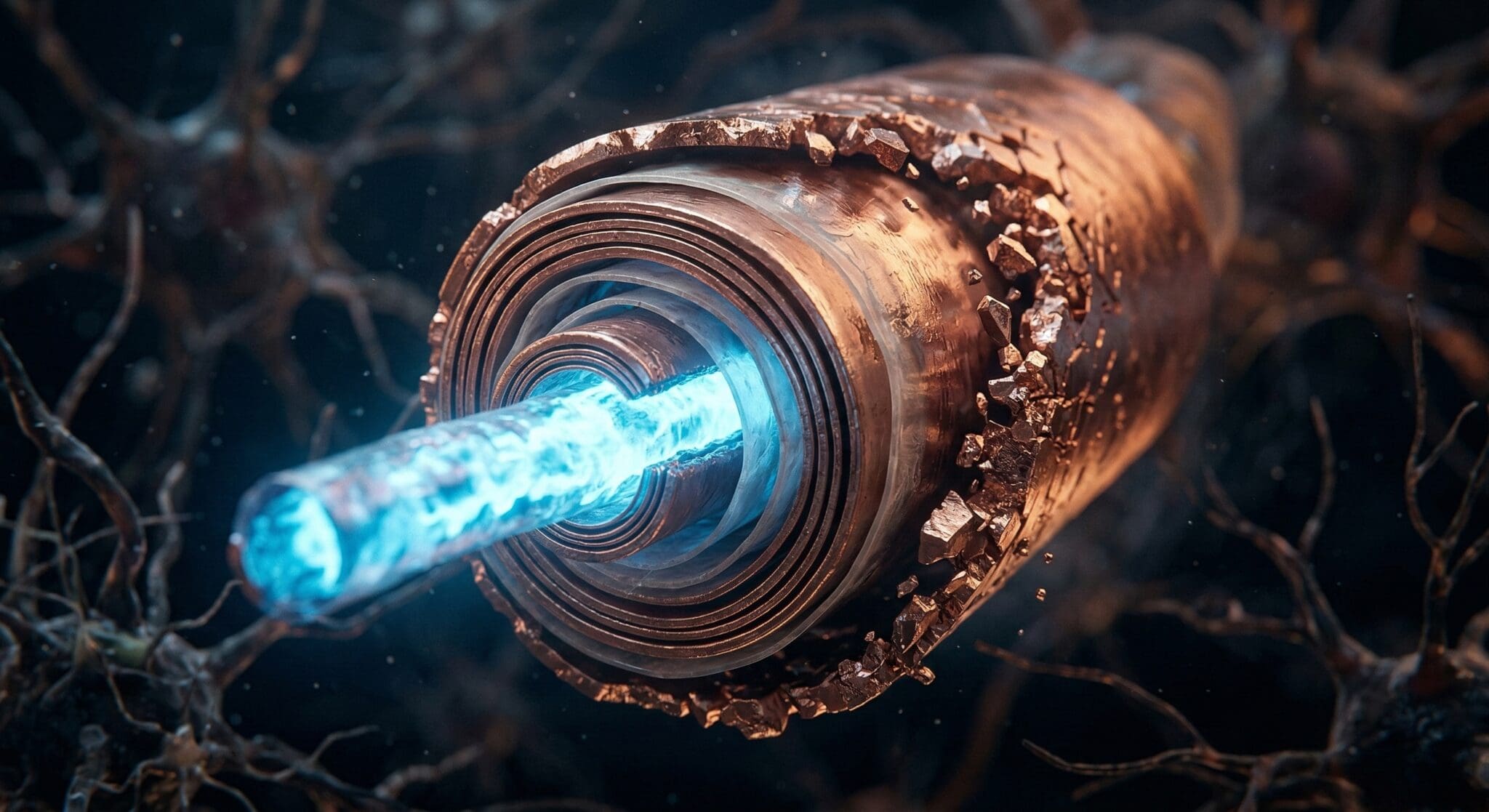
Macro cross-section of neural pathway with copper sheathing forming around blue signal core depicting active brain optimization

The Neuroinflammatory Cascade

Neuroinflammation operates through a self-amplifying cycle. Activated microglia release cytokines that compromise the blood-brain barrier – the tightly regulated membrane protecting the brain’s chemical environment. When barrier integrity is compromised, peripheral immune cells and inflammatory molecules gain access to brain tissue, further activating microglia and expanding the inflammatory response. This positive feedback loop can sustain neuroinflammation long after the original trigger has resolved.

The tryptophan-kynurenine pathway represents a particularly consequential mechanism. Under inflammatory conditions, the enzyme indoleamine 2,3-dioxygenase is upregulated, diverting tryptophan away from serotonin production toward kynurenine metabolites. This simultaneously depletes serotonin availability – affecting mood, motivation, and cognitive flexibility — the ability to shift thinking between concepts. It also generates quinolinic acid, a neurotoxic metabolite that directly damages neural tissue through excitotoxicity. The subjective experience of this biochemical shift is often described as a combination of low mood, cognitive sluggishness, and diminished motivation that does not respond to conventional approaches.

Microglial Priming: Why History Matters

A critical concept for understanding neuroinflammation is microglial priming – the phenomenon by which prior inflammatory challenges render microglia hypersensitive to subsequent stimuli. Once primed, microglia mount exaggerated inflammatory responses to even minor insults. This mechanism explains why individuals with histories of viral illness, chronic stress, or early life adversity may experience disproportionate cognitive decline in response to relatively modest subsequent triggers. The priming effect means that neuroinflammatory vulnerability is cumulative: each inflammatory exposure lowers the threshold for future activation.

The Convergent Drivers

In professional populations, neuroinflammation is rarely driven by a single factor. It emerges from the convergence of multiple independent but mutually reinforcing inputs.

Chronic psychological stress activates the HPA axis — the body’s central stress-response system —, producing sustained cortisol elevation that initially suppresses immune function. This then leads to glucocorticoid resistance and paradoxical pro-inflammatory signaling – a well-characterized pathway from burnout to brain inflammation. Sleep deprivation prevents glymphatic clearance of metabolic waste products from the brain, allowing neuroinflammatory debris to accumulate. Dietary patterns that increase intestinal permeability allow bacterial endotoxins to enter circulation, triggering systemic inflammation that propagates to the brain through both vagal and humoral pathways. Sedentary behavior eliminates the anti-inflammatory effects of regular exercise, which include microglial phenotype modulation and elevation of anti-inflammatory interleukin-10.

These drivers do not operate independently. Stress degrades sleep; poor sleep amplifies metabolic dysfunction; metabolic dysfunction heightens stress reactivity. The result is a biological amplification cascade that progressively erodes the brain’s anti-inflammatory defenses.

Post-Viral Neuroinflammation

Post-infectious neuroinflammation has emerged as a major contributor to cognitive impairment in working-age adults. The neurobiological cascade involves persistent microglial reactivity in subcortical and hippocampal white matter, approximately thirty percent reduction in oligodendrocyte populations (impairing the myelin essential for rapid neural communication). It also involves suppression of hippocampal neurogenesis through cytokine-mediated inhibition of immature neuron formation. Elevated CCL11 – a chemokine causally linked to cognitive impairment in aging – has been identified as persistently elevated in individuals with post-infectious cognitive symptoms, providing both a mechanistic explanation and a potential biomarker.

Antique rosewood desk with crystal brain sculpture and MindLAB journal in warm amber Lisbon afternoon light with historic European wood paneling

The Neuroprotective Response

The brain is not defenseless against neuroinflammation. The Nrf2 antioxidant defense pathway – the master regulator of the brain’s antioxidant response – counteracts oxidative stress, inhibits inflammatory signaling through reciprocal inhibition of NF-kB, improves mitochondrial function, and governs protein clearance. The cholinergic anti-inflammatory pathway (related to memory and attention signaling), mediated through the vagus nerve, enables the brain to actively suppress peripheral and central inflammatory responses. This occurs through acetylcholine — a chemical messenger for memory and attention — release at vagal terminals.

Understanding these endogenous protective systems is central to Dr. Ceruto’s educational approach. The neuroscience of neuroinflammation is not merely about identifying damage – it is about understanding which biological systems can be supported to restore balance. It is also about understanding which behavioral and environmental inputs most effectively engage the brain’s own anti-inflammatory machinery.

For deeper context, explore why neuroinflammation goes unaddressed.

Marker What You Experience What's Happening Neurologically What We Restructure
Disproportionate cognitive impact Cognitive impairment that seems excessive relative to current stress levels or health status Microglial priming — prior inflammatory challenges have rendered the brain's immune cells hypersensitive, mounting exaggerated responses to minor stimuli The priming threshold so the brain's immune surveillance returns to proportionate activation patterns
Learning and memory degradation New information does not stick, skills that should be improving plateau or decline Pro-inflammatory cytokines are directly impairing long-term potentiation — the cellular mechanism of learning and memory — while suppressing new neuron generation The neuroinflammatory environment to restore the synaptic conditions required for learning and memory consolidation
Sleep-inflammation cycle Poor sleep worsens cognitive fog, which increases stress, which further disrupts sleep Activated microglia disrupt sleep architecture while disrupted sleep further activates microglia — a self-amplifying cycle compounding both inflammation and cognitive impairment The bidirectional sleep-inflammation cycle by addressing microglial reactivity and restoring the deep-sleep window for glymphatic waste clearance
Accelerated cognitive aging Cognitive decline trajectory steeper than age alone would predict Elevated inflammatory markers at midlife predict steeper rates of decline over the following decade — inflammation amplifies existing pathology through synergistic mechanisms The modifiable inflammatory risk factors driving accelerated trajectory, assessed across stress physiology, sleep, circadian function, metabolic health, and autonomic regulation
Weakened anti-inflammatory defense Increasing susceptibility to cognitive disruption from minor illnesses, stress episodes, or poor sleep Compromised vagal tone has weakened the cholinergic anti-inflammatory reflex — the body's elegant mechanism for suppressing inflammatory cytokine production Vagal function to strengthen the endogenous anti-inflammatory brake, creating a direct bridge between autonomic health and brain protection

Why Neuroinflammation & Brain Health Matters in Lisbon

Neuroinflammation in Lisbon’s professional population is best understood as a convergence of several independent but mutually reinforcing drivers. Portugal recorded 5.7 million COVID-19 infections by late 2024. Among healthcare workers studied through that period, cognitive dysfunction was the second most prevalent long COVID symptom at 42.6 percent, with extreme fatigue reported by 57 percent. These statistics likely understate prevalence in the high-demand tech and finance professional cohorts who may underreport symptoms to preserve career credibility.

Chronic psychological stress is arguably the dominant neuroinflammatory driver in this population. Lisbon’s rising cost of living amplifies the pressure: apartment prices increased seventeen percent year-over-year in December 2023, and rents had grown eighteen percent year-over-year by January 2024, following a thirty-five percent increase in late 2022. For young tech professionals earning international salaries but facing rapidly escalating costs, financial stress is constant and neurobiologically costly. Sustained HPA axis — the body’s central stress-response system — activation produces the glucocorticoid resistance and paradoxical pro-inflammatory signaling that feeds the neuroinflammatory cycle.

Sleep deprivation closes the loop. With 42.9 percent of Portuguese adults reporting sleep disorders and a cultural late-evening social schedule that structurally delays sleep onset, the city’s professional population is chronically under-clearing its neuroinflammatory burden. Air quality in Lisbon registers marginally above the WHO PM2.5 guideline, and road traffic – identified as the city’s primary noise source – generates particulate emissions. These accumulate in the concentrated urban valleys of the historic center that chronic commuters absorb daily.

The Instituto de Medicina Molecular at Lisbon University’s Faculty of Medicine conducts research at the interface of neuroimmunology and molecular medicine, including work on blood-brain barrier permeability – the exact mechanisms driving post-viral neuroinflammation. Yet the translation from research to accessible clinical service for working professionals experiencing neuroinflammatory cognitive symptoms remains underdeveloped. Dr. Ceruto’s neuroscience education bridges this gap, providing the mechanistic understanding that enables individuals to make informed decisions about the behavioral inputs that modulate their brain’s inflammatory state.

Dr. Sydney Ceruto, PhD — Founder, MindLAB Neuroscience

Dr. Sydney Ceruto, PhD — Founder & CEO, MindLAB Neuroscience

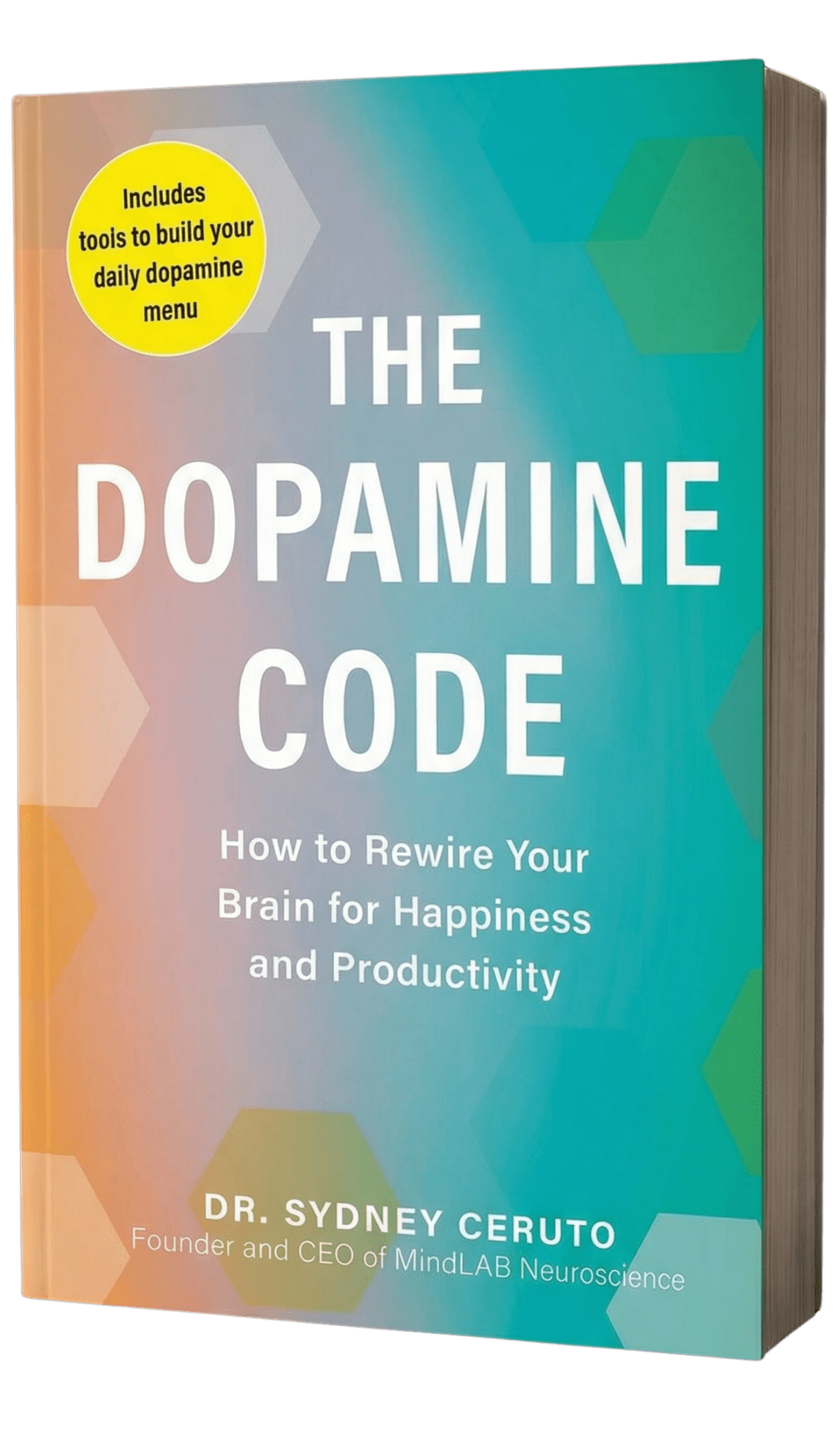
Dr. Ceruto holds a PhD in Behavioral & Cognitive Neuroscience from NYU and two Master’s degrees from Yale University. She lectures at the Wharton Executive Development Program at the University of Pennsylvania and has been an Executive Contributor to the Forbes Coaching Council since 2019. Dr. Ceruto is the author of The Dopamine Code (Simon & Schuster, June 2026). She founded MindLAB Neuroscience in 2000 and has spent over 26 years pioneering Real-Time Neuroplasticity™ — a methodology that permanently rewires the neural pathways driving behavior, decisions, and emotional responses.

References

Monje, M., & Iwasaki, A. (2022). The neurobiology of long COVID. Neuron, 110(21), 3484-3496. https://doi.org/10.1016/j.neuron.2022.10.006

Dinkova-Kostova, A. T., Kostov, R. V., & Kazantsev, A. G. (2018). The role of Nrf2 signaling in counteracting neurodegenerative diseases. FEBS Journal, 285(19), 3576-3590. https://doi.org/10.1111/febs.14379

Jin, H., et al. (2024). A body-brain circuit that regulates body inflammatory responses. Nature, 630, 695-703. https://doi.org/10.1038/s41586-024-07469-y

Dong, Y., Mou, Y., Du, Y., et al. (2022). Gut microbiota interact with the brain through systemic chronic inflammation: Implications on neuroinflammation, neurodegeneration, and aging. Frontiers in Immunology, 13, 796288. https://doi.org/10.3389/fimmu.2022.796288

Success Stories

“After the concussion, my processing speed collapsed — I couldn't hold complex information the way I used to, and no one could explain why the fog wasn't lifting. Dr. Ceruto mapped the damaged pathways and built compensatory networks around them. My brain doesn't work the way it did before the injury. It works differently — and in some ways, more efficiently than it ever did.”

Owen P. — Orthopedic Surgeon Scottsdale, AZ

“I'd optimized everything — diet, fitness, sleep — but my cognitive sharpness was quietly declining and no one could explain why. Dr. Ceruto identified the synaptic density patterns that were thinning and built a protocol to reverse the trajectory. This wasn't prevention in theory. My neuroplasticity reserve is measurably stronger now than it was three years ago. Nothing I'd tried before even addressed the right problem.”

Henrique L. — University Dean Lisbon, PT

“Slower processing, foggier recall, decisions that used to be instant taking longer than they should — I'd been accepting it all as inevitable decline for two years. Dr. Ceruto identified the prefrontal efficiency pattern that was degrading and restructured it at the neurological level. The sharpness didn't just come back. It came back faster and more precise than it was a decade ago. Nothing I'd tried before even addressed the right problem.”

Elliott W. — Wealth Advisor Atherton, CA

“Nothing was wrong — and that's exactly why no one could help me. I wasn't struggling. I wanted to know what my brain was actually capable of if its resting-state architecture was optimized. Dr. Ceruto mapped my default mode network and restructured how it allocates resources between focused and diffuse processing. The cognitive clarity I operate with now isn't something I'd ever experienced before — and I had no idea it was available.”

Nathan S. — Biotech Founder Singapore

“My phone was the first thing I touched in the morning and the last thing I put down at night — and every app blocker, digital detox protocol, and willpower-based system I tried lasted less than a week. Dr. Ceruto identified the variable-ratio reinforcement loop that had hijacked my attention circuits and dismantled it at the neurological level. My phone is still in my pocket. The compulsion to reach for it isn't. That's a fundamentally different kind of fix.”

Tomas R. — Architect Lisbon, PT

“The conviction was always there at the start — and then the momentum would vanish, every single time. Discipline and accountability systems changed nothing. Dr. Ceruto identified a dopamine signaling deficit in my mesolimbic pathway that was collapsing my ability to sustain effort toward a goal. Once that pattern was restructured, finishing stopped requiring force. The motivation wasn't missing — it was being interrupted.”

Landon J. — Restaurateur New York, NY

Frequently Asked Questions About Neuroinflammation & Brain Health in Lisbon

What is neuroinflammation education at MindLAB?

Dr. Ceruto provides neuroscience-based education on how chronic activation of the brain's immune system degrades cognitive function. This includes understanding microglial activation, the cytokine cascades that impair synaptic plasticity — brain connections strengthening or weakening — and neurogenesis. The role of blood-brain barrier integrity, and which endogenous neuroprotective systems can be supported to restore anti-inflammatory balance. The focus is on understanding mechanisms rather than managing symptoms.

How does neuroinflammation differ from regular inflammation?

Neuroinflammation involves the brain's own resident immune cells – microglia – rather than the peripheral immune system. Microglial activation operates through distinct mechanisms and produces direct effects on synaptic function, neurogenesis — the creation of new brain cells —, and neural communication. Critically, neuroinflammation can be sustained by microglial priming even after peripheral inflammation resolves. It specifically targets the neural circuits responsible for executive function — planning, focusing, and managing tasks —, memory, and processing speed.

Who is most affected by neuroinflammation?

Individuals carrying chronic stress, those with histories of viral illness or infection, people experiencing persistent cognitive difficulties that do not resolve with rest create initial risk factors. Those whose lifestyle patterns – poor sleep, high alcohol consumption, sedentary behavior, dietary shifts away from anti-inflammatory patterns – create the convergent conditions for sustained brain immune activation. Neuroinflammation is particularly relevant for professionals who notice a gradual erosion of cognitive capacity without any single identifiable cause.

How does the engagement begin?

It begins with a Strategy Call – a phone-based conversation with Dr. Ceruto to discuss the specific cognitive concerns, relevant history, and objectives. The Strategy Call carries a $250 fee and serves as the initial assessment of whether the neuroscience-based approach is appropriate. Program structure and investment details are discussed during the call.

What kind of timeline is involved in addressing neuroinflammation?

Neuroinflammatory resolution is a gradual process because it involves modulating microglial activation states, restoring blood-brain barrier integrity, and rebuilding the synaptic and neurogenic capacity that inflammation has suppressed. Behavioral inputs that support anti-inflammatory pathways – sleep optimization, stress physiology management, vagal tone — the body's calming ability — enhancement – can begin shifting the neuroinflammatory trajectory within weeks. Meaningful neurobiological recovery typically unfolds over months.

Also available in: Miami · Wall Street · Midtown Manhattan · Beverly Hills

Take the First Step Toward Better Brain Health

The Strategy Call is a focused conversation with Dr. Ceruto that maps the specific neural mechanisms driving your concerns and determines the right path forward.

Book a Strategy Call
MindLAB Neuroscience consultation room

The Dopamine Code

Decode Your Drive

Why Your Brain Rewards the Wrong Things

Your brain's reward system runs every decision, every craving, every crash — and it was never designed for the life you're living. The Dopamine Code is Dr. Ceruto's framework for understanding the architecture behind what drives you, drains you, and keeps you locked in patterns that willpower alone will never fix.

Published by Simon & Schuster, The Dopamine Code is Dr. Ceruto's framework for building your own Dopamine Menu — a personalized system for motivation, focus, and enduring life satisfaction.

Order Now

Ships June 9, 2026

The Dopamine Code by Dr. Sydney Ceruto — Decode Your Drive
Locations

The Intelligence Brief

Neuroscience-backed analysis on how your brain drives what you feel, what you choose, and what you can’t seem to change — direct from Dr. Ceruto.