Lisbon’s Brain Health Landscape
Lisbon concentrates a population uniquely positioned to benefit from, and uniquely in need of, neuroscience-based brain health optimization. Portugal has the second-highest share of elderly population in Europe at 24.3%, with an estimated 217,549 community-dwelling adults aged 65 and over currently living with dementia. For the high-capacity professionals aged 35 to 55 who constitute the primary audience, many of whom have watched parents decline and are noticing their own early cognitive changes, these statistics are not abstract. They are motivating.
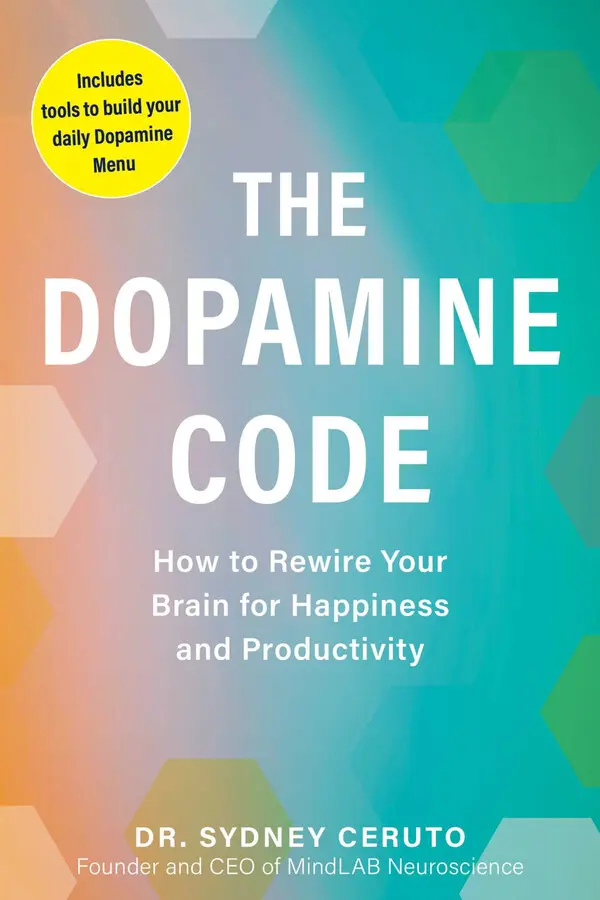
The city’s professional population faces a convergence of brain health challenges that conventional Portuguese healthcare does not address. Over 61% of the Portuguese population reports feeling exhausted or at risk of burnout, yet only 3% undertake any form of structured support. Portugal records anxiety disorders at 16.5% of the total population: among the highest rates in Europe. The startup ecosystem generates chronic cortisol profiles through sustained high-demand operation without structural recovery boundaries. The 42.9% sleep disorder prevalence among Portuguese adults means the glymphatic system that should clear neuroinflammatory debris operates at reduced capacity across nearly half the population. Rising living costs (apartment prices increasing 17% year-over-year, rents growing 18%) maintain sustained financial stress with direct neurobiological consequences. Post-viral cognitive impairment from 5.7 million COVID-19 infections adds a neuroinflammatory burden that many professionals underreport to preserve career credibility. And the city’s world-class neuroscience research institutions, the Champalimaud Foundation and the Instituto de Medicina Molecular, operate as research centers rather than clinical service providers for working professionals with cognitive concerns. The gap between neuroscience research capacity and accessible, individualized brain health optimization is precisely the space Dr. Ceruto’s practice occupies.