The Librarian of the Brain
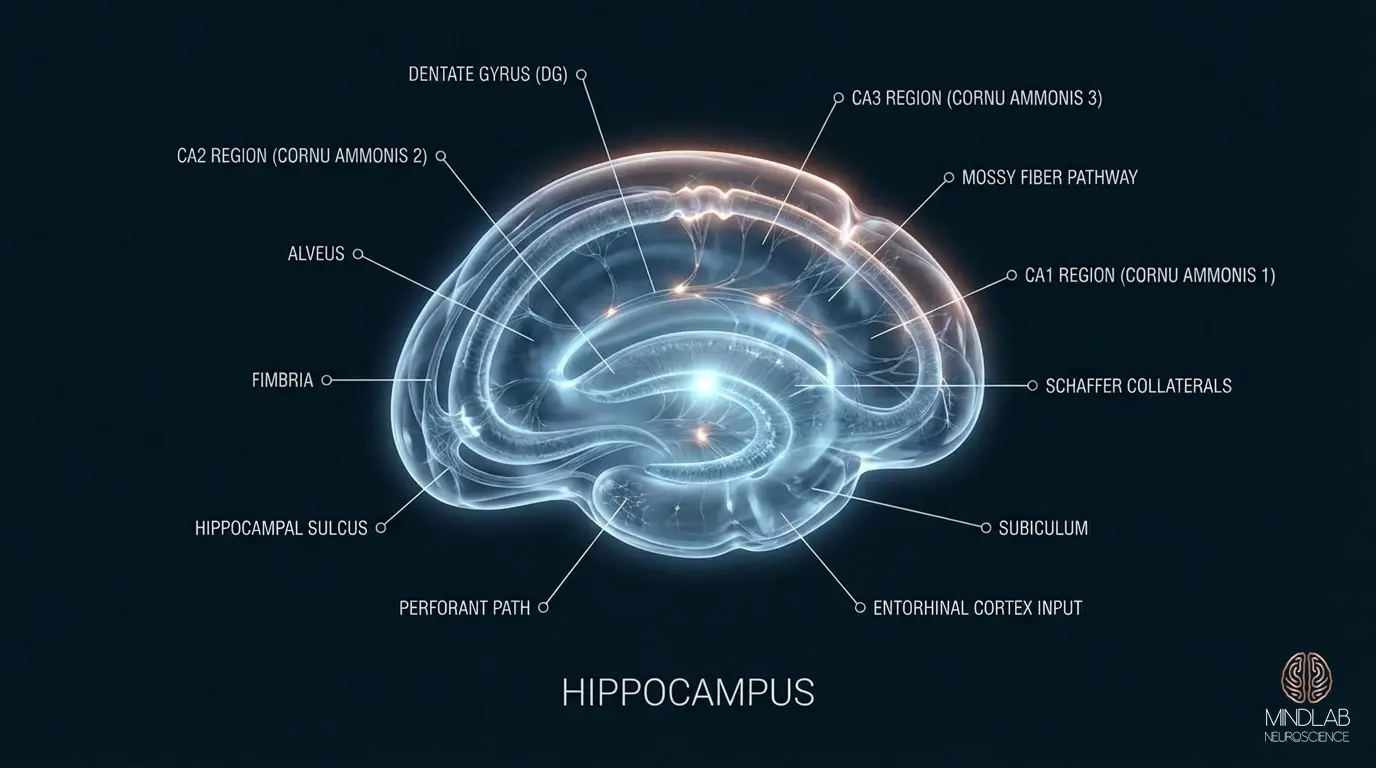
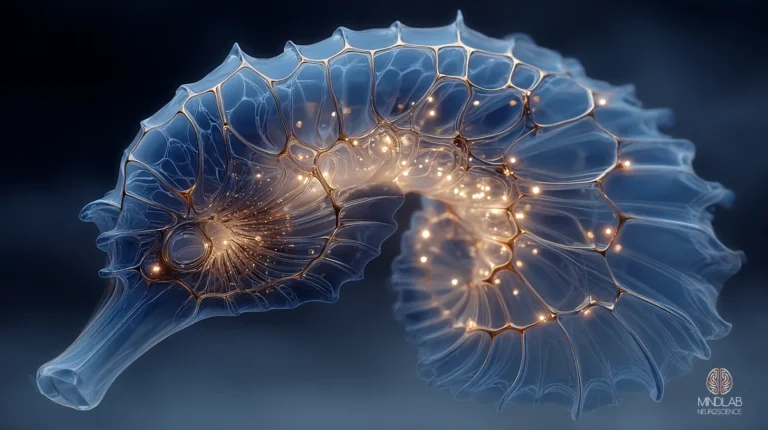
The Hippocampus is a seahorse-shaped structure deep in the temporal lobe. It is the central processor for Long-Term Memory and Spatial Navigation. It takes fleeting short-term memories (from the Prefrontal Cortex) and consolidates them into stable long-term storage during sleep.
Vulnerability to Stress
The Hippocampus is uniquely sensitive to cortisol. It is covered in glucocorticoid receptors.
-
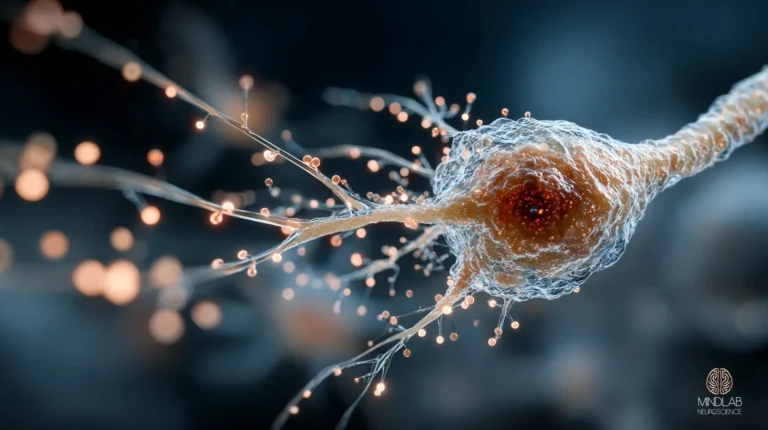
Structural erosion: Chronic stress floods the hippocampus with cortisol, which retracts dendrites, shuts down new neuron formation, and shrinks the structure. This is why stressed or traumatized individuals often suffer from memory fragmentation or “brain fog.”
-
Emotional Context: The Hippocampus works closely with the Amygdala to attach emotional weight to memories. This is why we remember insults better than compliments: a survival mechanism that can lead to rumination.
Neuroplasticity Hub
The Hippocampus is one of the few brain regions capable of Neurogenesis (growing new brain cells) throughout adulthood. Aerobic exercise is the single most potent trigger for this, releasing BDNF (Brain-Derived Neurotrophic Factor) to grow the library.