
Infidelity & Trust Architecture
Infidelity
The shattering of trust. We explore the trauma of betrayal and the difficult path to rebuilding security and self-worth, whether staying or leaving.
6 articlesThe Trauma of Betrayal
Infidelity is classified by many psychologists as an Attachment Injury. It shatters the fundamental assumption of “safety” in the relationship. To the betrayed partner, this registers as a trauma response similar to PTSD.
Reality Testing Failure
The most damaging aspect of infidelity is often not the sex, but the Gaslighting.
-
Cognitive Dissonance: The brain struggles to reconcile two realities: “The person I love” vs. “The person who lied to me.” This massive prediction error causes hyper-vigilance.
-
The Flashback: The betrayed brain stays on high alert, scanning for danger. A phone ping or a late arrival can trigger a full-blown panic attack because the brain is desperately trying to prevent future pain.
The Path to Repair
Healing is possible, but it requires Neuroplasticity of Trust.
-
Radical Transparency: The betrayer must provide a “constant stream of truth” to help the victim’s brain down-regulate its threat scanner.
-
The Narrative: The couple must construct a coherent story of how it happened. Without understanding the mechanics of the failure, the victim’s brain cannot feel safe enough to reconnect.
Latest Articles

Relationship Patterns & Partner Selection
From Betrayal to Empowerment: How Cheating Impacts Self-Esteem In A Woman
"Discover the profound impact of infidelity on a woman's self-esteem and confidence in my latest article. I delve into the...
Read article : From Betrayal to Empowerment: How Cheating Impacts Self-Esteem In A Woman
Relationship Patterns & Partner Selection
Rebuilding Trust: The Invisible Thread That Holds Relationships Together
Trust is the foundation of every meaningful relationship, yet once broken, it can feel nearly impossible to restore. Neuroscience shows...
Read article : Rebuilding Trust: The Invisible Thread That Holds Relationships Together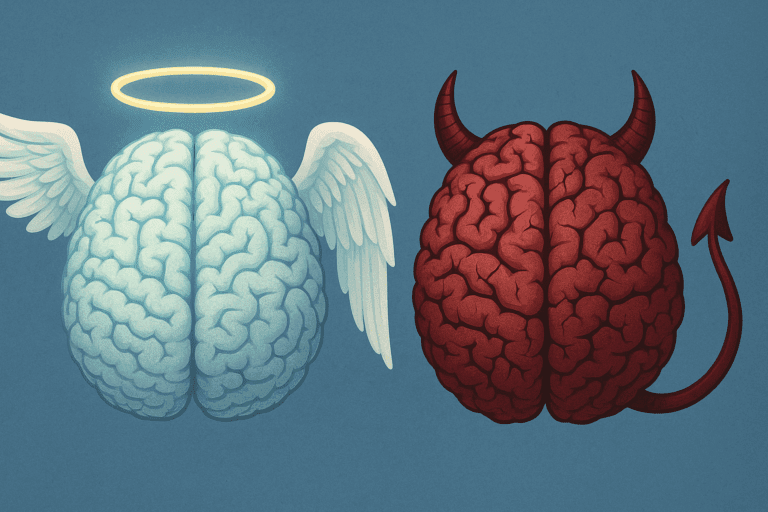
Intimacy & Bonding
The Monogamous Brain vs Unfaithful Brain: Understanding the Neuroscience Behind Commitment and Betrayal
The monogamous brain and unfaithful brain operate differently. Understanding the neuroscience helps couples heal after infidelity and rebuild trust together.
Read article : The Monogamous Brain vs Unfaithful Brain: Understanding the Neuroscience Behind Commitment and Betrayal
Dopamine & Motivation
How Dopamine and Infidelity Are Wired Together: The Brain Chemistry Behind Betrayal
Understanding the link between dopamine and infidelity reveals why some people are biologically wired to seek novelty in relationships. This...
Read article : How Dopamine and Infidelity Are Wired Together: The Brain Chemistry Behind Betrayal