Intimacy

The neural synchronization of safety. We explore the role of the ventral vagal complex in down-regulating defense mechanisms to allow for vulnerability, co-regulation, and deep relational connection.

Couple holding hands, both struggling with relationship phobia
Read More
Man using empathetic-brain-rewiring techniques to reassure his wife.
Read More
Woman balancing glowing brain and heart illustrations representing emotional unavailability. A professional woman in a white shirt stands against a textured wall, balancing a glowing blue brain on one hand and a glowing golden heart on the other, symbolizing the balance between logical thinking and emotional intelligence.
Read More
Couple embracing at sunset, symbolizing the emotional difference between wanting versus needing in relationships.
Read More
Romantic couple embracing closely, symbolizing connection and intimacy in the neuroscience of sex.
Read More
Man and woman sitting apart after an argument, illustrating emotional distance and why men struggle with intimacy.
Read More
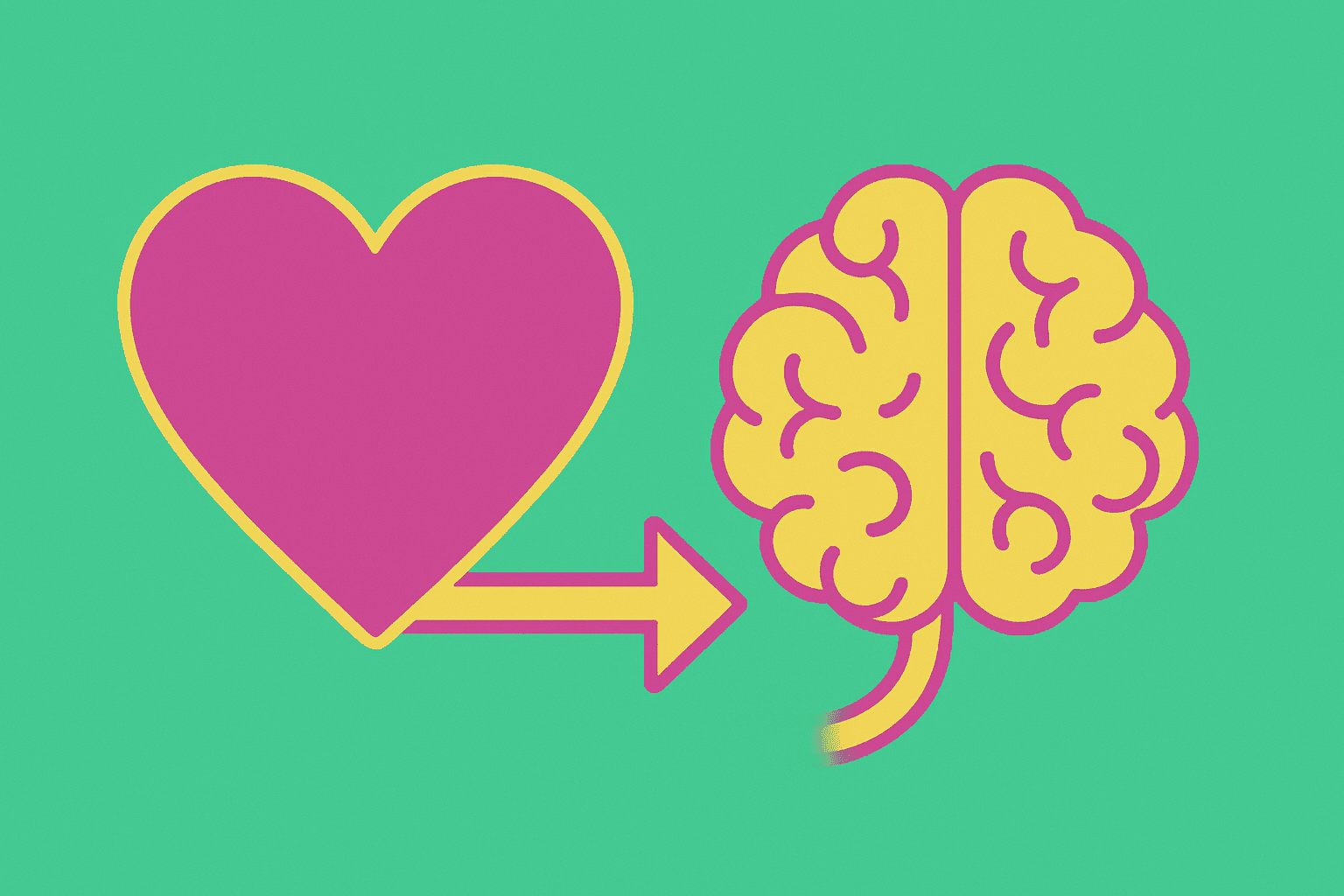
Pink heart connecting to yellow brain with arrow showing neuroplasticity in relationships and brain chemistry bonding.
Read More
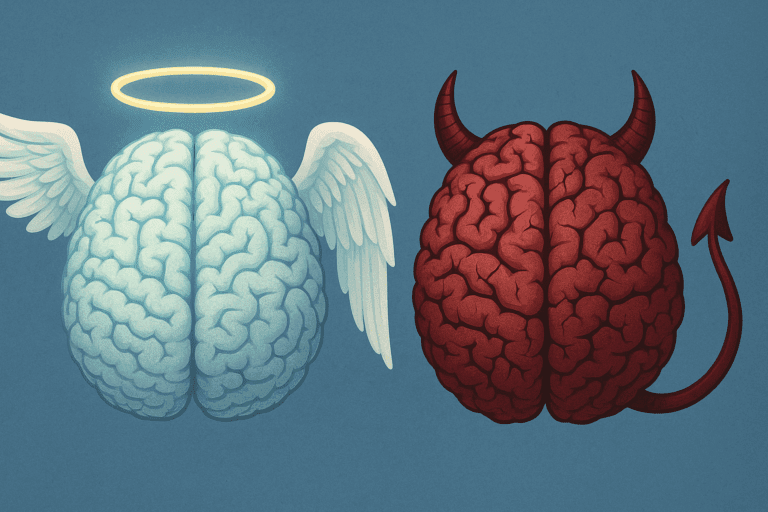
Illustration comparing a monogamous brain with a halo and wings versus unfaithful brain with horns, symbolizing relationship commitment choices.
Read More
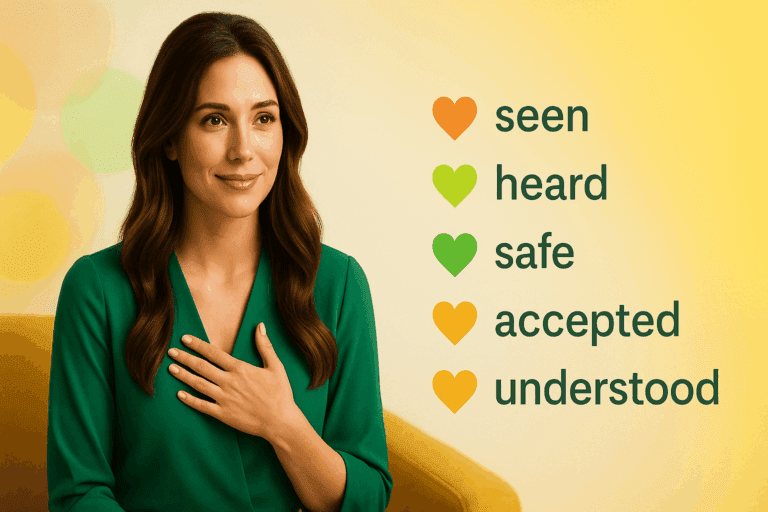
Woman practicing emotional validation in relationships through genuine connection, acceptance, and neuroscience-based technique.
Read More
Smiling young woman sitting up in bed wrapped in white bedding, eyes closed, conveying contentment after self-pleasure.
Read More

NEUROBIOLOGICAL CONTEXT

The Neurobiology of Safety

Intimacy is physiologically impossible in a state of defense. The brain prioritizes survival over connection. For true intimacy to occur, the Ventral Vagal branch of the autonomic nervous system (part of the Parasympathetic system) must be engaged. This acts as a “social engagement system,” physically braking the heart rate and inhibiting the amygdala’s defensive circuits. You cannot force connection; you can only remove the neuroception of threat that blocks it.

Limbic Resonance

Mammalian brains are “open loops”; they rely on other brains for emotional stabilization. This mechanism is known as Limbic Resonance.

  • Mirror Neurons: These specialized neurons fire both when you perform an action and when you observe someone else perform it. They dissolve the neural barrier between “self” and “other,” allowing you to internally simulate your partner’s emotional state.

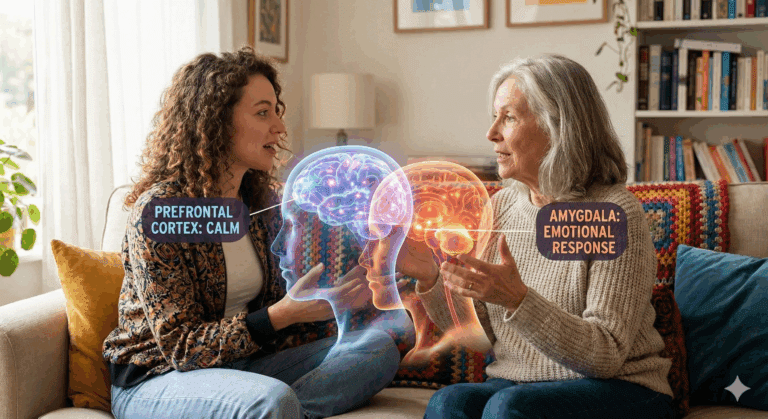
  • Co-Regulation: In deep intimacy, partners act as external regulators for each other’s nervous systems. A regulated partner can physiologically “download” tranquility into a dysregulated partner through proximity, touch, and vocal tone.

The Biochemistry of Bonding

The chemical bridge for this state is Oxytocin, but its function is specific.

  • Amygdala Inhibition: Oxytocin does not just add “love”; it subtracts fear. It lowers the activation threshold of the amygdala, allowing the Prefrontal Cortex to remain online even during moments of high vulnerability.

  • The Gaze Loop: Prolonged eye contact is the strongest trigger for this release. It creates a positive feedback loop: gazing releases oxytocin, which facilitates more gazing, deepening the neural bond.

Unlock the Power of Your Mind!

Join my inner circle for exclusive insights and breakthroughs to elevate your life.

Ultimate Concierge Coaching Experience
Form

Exclusively for Those Who
Demand the Best

Limited Availability

Your Journey to Unparalleled Personal and Professional Growth Starts Here

One-on-One Exclusive Access
Form

Shape Your
Destiny

Limited Availability

A Truly Bespoke, One-on-One Journey with Dr. Sydney Ceruto

Instant Access!

Download The Influence Within and discover how small shifts lead to big transformations.