







When the Evidence Never Lands
“Disrupting these patterns requires working at the level of the self-model itself — not the symptoms it produces.”
The defining feature of imposter syndrome is not low confidence. It is the failure of positive evidence to update the self-concept. Promotions arrive, praise accumulates, results materialize — and none of it changes the underlying belief. The person knows, intellectually, that they are performing well. The knowing doesn’t help.
This is not a logic problem. The brain does not store self-beliefs in the same system that processes facts. Self-referential processing — the neural work of deciding who you are — runs through circuits that are governed by prediction and repetition, not evidence and argument. A self-concept formed under conditions of uncertainty, criticism, or mismatched external feedback becomes a stable prediction model. New data that contradicts it isn’t integrated. It’s discarded.
The result is a brain that generates a consistent internal narrative — I am not actually qualified for this — and then selectively filters incoming experience to match that narrative. Positive feedback is attributed to luck, timing, or other people’s errors. Negative feedback is treated as confirmation. The model never breaks because the model controls what counts as evidence.
The Neural Mechanism
Self-assessment is not a rational calculation. It runs through the corticostriatal circuit — the loop connecting the cortex to reward-processing structures beneath it — which updates self-efficacy through a process called prediction error signaling. When outcomes match predictions, the circuit reinforces the existing model. When outcomes exceed predictions, the circuit should update the model upward. In people with imposter syndrome, this update mechanism is suppressed.
The prefrontal cortex — the brain’s self-evaluation center — is generating predictions that are anchored to an earlier, lower-confidence self-concept. When positive outcomes arrive, the prefrontal response is not integration — it is rationalization. The brain works backward from the conclusion (I don’t belong here) to explain away the evidence. This is metabolically efficient. It is also structurally self-defeating.
Dopamine plays a central role here. Prediction error signaling is dopaminergic — meaning the dopamine system is what drives self-model updates when reality diverges from expectation. When that system is calibrated to expect low outcomes, high outcomes don’t generate the learning signal they should. The reward circuit registers success without updating the self-concept that shapes future predictions. Success becomes evidence-free. It feels random, fragile, and temporary — because the brain is treating it that way.
This is why the standard advice — remember your accomplishments, make a list, read the positive reviews — doesn’t work. You are adding data to a system that isn’t updating based on data. The problem is upstream.
What Changes at the Neurological Level
Persistent imposter syndrome is maintained by three reinforcing patterns. First, a self-concept formed early — often under conditions where belonging was conditional or achievement was minimized — that became a stable prediction model before significant external success arrived. Second, a reward system calibrated to expect threat or inadequacy, which treats positive outcomes as statistical anomalies rather than meaningful signals. Third, a suppression of the internal update mechanism that should revise self-efficacy in response to accumulated evidence.
Disrupting these patterns requires working at the level of the self-model itself — not the symptoms it produces. The work involves identifying the specific conditions under which the self-concept was formed, examining how the prediction model generates its current outputs, and creating the conditions for genuine self-efficacy updating. This is precision work. It is also durable work, because it changes the structure of how the brain processes self-relevant information — not just what conclusions it currently holds.
The goal is not confidence in the conventional sense. It is the capacity to let positive evidence land — to let outcomes update the model they belong to. When that mechanism is restored, achievement stops feeling like debt and starts functioning as information. The internal experience begins to match the external reality. Not because the reality changed, but because the brain stopped filtering it out.
Why Conventional Approaches Cannot Reach the Imposter Mechanism
The most important thing to understand about imposter syndrome is that it is not a thinking problem — it is a prediction problem. The brain is not failing to process evidence of your competence. It is actively filtering that evidence through a model that was calibrated before your current success existed. The model predicts inadequacy, and the brain reorganizes incoming data to confirm the prediction. This is efficient neural computation. It is also deeply self-defeating.
In my work with individuals across decades, the consistent finding is that imposter patterns are maintained by three interlocking mechanisms: a self-concept formed under conditions of conditional belonging, a reward system calibrated to discount positive outcomes, and a suppressed self-efficacy update function that prevents new evidence from revising the model. All three must be addressed — not sequentially, but simultaneously — during the moments when the pattern is live.
Real-Time Neuroplasticity engages these mechanisms in real time. The methodology works within the neural events where imposter activation occurs — the moment when recognition arrives and the brain deflects it, the moment when a challenge appears and the brain generates the familiar narrative of not being enough. These are direct interventions in the computational process that maintains the pattern.
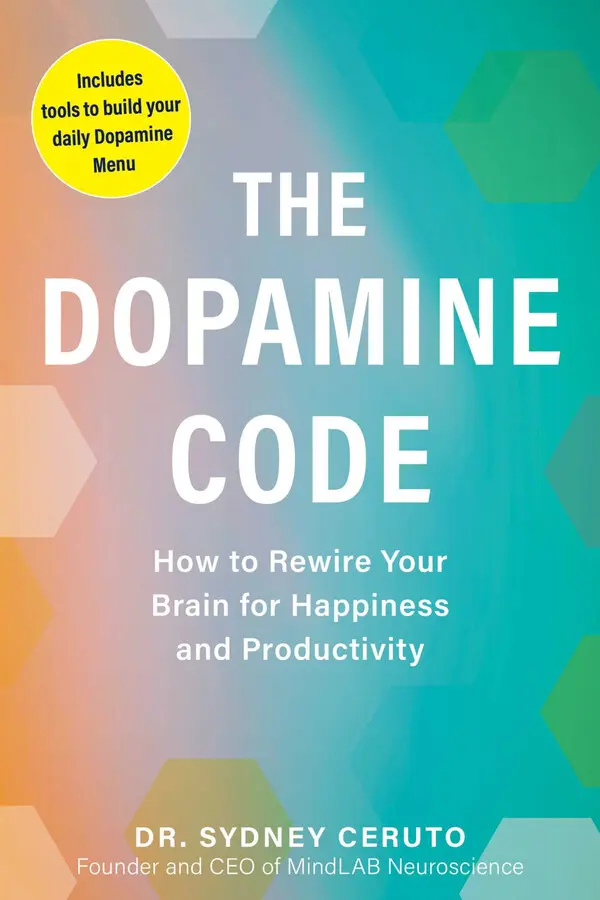
The engagement begins with a Strategy Call — a focused conversation where I identify the conditions that formed your imposter model, the triggers that activate it, and the update mechanisms that are currently suppressed. As I detail in The Dopamine Code (Simon & Schuster, June 2026), the dopamine prediction system governing self-assessment operates on the same architecture as motivation and goal pursuit — which is why imposter syndrome corrodes not just confidence but drive, risk tolerance, and the capacity to fully engage with your own ambitions.
Why Beverly Hills Creates Unique Imposter Conditions
Beverly Hills operates in an environment where the visible markers of success — wealth, appearance, status, influence — are not just present but performed at a scale that distorts the brain’s social comparison system. The vehicles on Wilshire, the restaurants that serve as business meeting stages, the real estate that announces net worth from the curb — all of it feeds a continuous stream of comparison data into a self-assessment system that is already miscalibrated.
The entertainment and creative industries centered in Beverly Hills and surrounding West Los Angeles create a particular variant of imposter syndrome: one where external validation is both essential and structurally unreliable. In industries where success depends on subjective taste, market timing, and public reception, even significant achievements can feel contingent. The brain’s prediction model seizes on this genuine uncertainty and uses it to confirm the pre-existing narrative — success was luck, the next project will be the one that exposes the truth.
Beverly Hills’ proximity to extreme wealth adds another dimension. Many professionals here interact regularly with individuals whose financial resources dwarf their own. The entrepreneur building a strong company finds themselves at dinner with someone who exited for nine figures. The creative professional producing award-winning work shares a social circle with generational wealth. For a brain running an imposter model, these comparisons are devastating — not because the comparison is logical, but because the social reference system registers the gap and codes it as evidence of relative inadequacy.
The wellness and optimization culture prominent in this area also contributes, paradoxically. Beverly Hills and its surrounding neighborhoods are saturated with personal development services. For someone with imposter syndrome, the implicit message is that everyone else is actively working on becoming better — which can register as evidence that you are the only one struggling with something as fundamental as believing you deserve to be here.

The geographic sprawl of Los Angeles means that Beverly Hills professionals often navigate multiple professional and social environments across the Westside, Hollywood, Downtown, and the Valley — each with its own hierarchy. This multi-context navigation creates repeated opportunities for the imposter model to activate in new settings, preventing the environmental familiarity that might otherwise help the brain’s self-assessment system stabilize.
References
Bravata, D. M., Watts, S. A., Keefer, A. L., et al. (2020). Prevalence, predictors, and treatment of impostor syndrome: A systematic review. Journal of General Internal Medicine, 35(4), 1252–1275. https://doi.org/10.1007/s11606-019-05364-1
Neureiter, M., & Traut-Mattausch, E. (2016). An inner barrier to career development: Preconditions of the impostor phenomenon and consequences for career development. Frontiers in Psychology, 7, 48. https://doi.org/10.3389/fpsyg.2016.00048
Why Conventional Approaches Cannot Reach the Imposter Mechanism
The most important thing to understand about imposter syndrome is that it is not a thinking problem — it is a prediction problem. The brain is not failing to process evidence of your competence. It is actively filtering that evidence through a model that was calibrated before your current success existed. The model predicts inadequacy, and the brain reorganizes incoming data to confirm the prediction. This is efficient neural computation. It is also deeply self-defeating.
In my work with individuals across decades, the consistent finding is that imposter patterns are maintained by three interlocking mechanisms: a self-concept formed under conditions of conditional belonging, a reward system calibrated to discount positive outcomes, and a suppressed self-efficacy update function that prevents new evidence from revising the model. All three must be addressed — not sequentially, but simultaneously — during the moments when the pattern is live.
Real-Time Neuroplasticity engages these mechanisms in real time. The methodology works within the neural events where imposter activation occurs — the moment when recognition arrives and the brain deflects it, the moment when a challenge appears and the brain generates the familiar narrative of not being enough. These are direct interventions in the computational process that maintains the pattern.
The engagement begins with a Strategy Call — a focused conversation where I identify the conditions that formed your imposter model, the triggers that activate it, and the update mechanisms that are currently suppressed. As I detail in The Dopamine Code (Simon & Schuster, June 2026), the dopamine prediction system governing self-assessment operates on the same architecture as motivation and goal pursuit — which is why imposter syndrome corrodes not just confidence but drive, risk tolerance, and the capacity to fully engage with your own ambitions.
Why Beverly Hills Creates Unique Imposter Conditions
Beverly Hills operates in an environment where the visible markers of success — wealth, appearance, status, influence — are not just present but performed at a scale that distorts the brain’s social comparison system. The vehicles on Wilshire, the restaurants that serve as business meeting stages, the real estate that announces net worth from the curb — all of it feeds a continuous stream of comparison data into a self-assessment system that is already miscalibrated.
The entertainment and creative industries centered in Beverly Hills and surrounding West Los Angeles create a particular variant of imposter syndrome: one where external validation is both essential and structurally unreliable. In industries where success depends on subjective taste, market timing, and public reception, even significant achievements can feel contingent. The brain’s prediction model seizes on this genuine uncertainty and uses it to confirm the pre-existing narrative — success was luck, the next project will be the one that exposes the truth.
Beverly Hills’ proximity to extreme wealth adds another dimension. Many professionals here interact regularly with individuals whose financial resources dwarf their own. The entrepreneur building a strong company finds themselves at dinner with someone who exited for nine figures. The creative professional producing award-winning work shares a social circle with generational wealth. For a brain running an imposter model, these comparisons are devastating — not because the comparison is logical, but because the social reference system registers the gap and codes it as evidence of relative inadequacy.
The wellness and optimization culture prominent in this area also contributes, paradoxically. Beverly Hills and its surrounding neighborhoods are saturated with personal development services. For someone with imposter syndrome, the implicit message is that everyone else is actively working on becoming better — which can register as evidence that you are the only one struggling with something as fundamental as believing you deserve to be here.
The geographic sprawl of Los Angeles means that Beverly Hills professionals often navigate multiple professional and social environments across the Westside, Hollywood, Downtown, and the Valley — each with its own hierarchy. This multi-context navigation creates repeated opportunities for the imposter model to activate in new settings, preventing the environmental familiarity that might otherwise help the brain’s self-assessment system stabilize.
References
Bravata, D. M., Watts, S. A., Keefer, A. L., et al. (2020). Prevalence, predictors, and treatment of impostor syndrome: A systematic review. Journal of General Internal Medicine, 35(4), 1252–1275. https://doi.org/10.1007/s11606-019-05364-1
Neureiter, M., & Traut-Mattausch, E. (2016). An inner barrier to career development: Preconditions of the impostor phenomenon and consequences for career development. Frontiers in Psychology, 7, 48. https://doi.org/10.3389/fpsyg.2016.00048
Why Conventional Approaches Cannot Reach the Imposter Mechanism
The most important thing to understand about imposter syndrome is that it is not a thinking problem — it is a prediction problem. The brain is not failing to process evidence of your competence. It is actively filtering that evidence through a model that was calibrated before your current success existed. The model predicts inadequacy, and the brain reorganizes incoming data to confirm the prediction. This is efficient neural computation. It is also deeply self-defeating.

In my work with individuals across decades, the consistent finding is that imposter patterns are maintained by three interlocking mechanisms: a self-concept formed under conditions of conditional belonging, a reward system calibrated to discount positive outcomes, and a suppressed self-efficacy update function that prevents new evidence from revising the model. All three must be addressed — not sequentially, but simultaneously — during the moments when the pattern is live.
Real-Time Neuroplasticity engages these mechanisms in real time. The methodology works within the neural events where imposter activation occurs — the moment when recognition arrives and the brain deflects it, the moment when a challenge appears and the brain generates the familiar narrative of not being enough. These are direct interventions in the computational process that maintains the pattern.
The engagement begins with a Strategy Call — a focused conversation where I identify the conditions that formed your imposter model, the triggers that activate it, and the update mechanisms that are currently suppressed. As I detail in The Dopamine Code (Simon & Schuster, June 2026), the dopamine prediction system governing self-assessment operates on the same architecture as motivation and goal pursuit — which is why imposter syndrome corrodes not just confidence but drive, risk tolerance, and the capacity to fully engage with your own ambitions.
Why Beverly Hills Creates Unique Imposter Conditions
Beverly Hills operates in an environment where the visible markers of success — wealth, appearance, status, influence — are not just present but performed at a scale that distorts the brain’s social comparison system. The vehicles on Wilshire, the restaurants that serve as business meeting stages, the real estate that announces net worth from the curb — all of it feeds a continuous stream of comparison data into a self-assessment system that is already miscalibrated.
The entertainment and creative industries centered in Beverly Hills and surrounding West Los Angeles create a particular variant of imposter syndrome: one where external validation is both essential and structurally unreliable. In industries where success depends on subjective taste, market timing, and public reception, even significant achievements can feel contingent. The brain’s prediction model seizes on this genuine uncertainty and uses it to confirm the pre-existing narrative — success was luck, the next project will be the one that exposes the truth.
Beverly Hills’ proximity to extreme wealth adds another dimension. Many professionals here interact regularly with individuals whose financial resources dwarf their own. The entrepreneur building a strong company finds themselves at dinner with someone who exited for nine figures. The creative professional producing award-winning work shares a social circle with generational wealth. For a brain running an imposter model, these comparisons are devastating — not because the comparison is logical, but because the social reference system registers the gap and codes it as evidence of relative inadequacy.
The wellness and optimization culture prominent in this area also contributes, paradoxically. Beverly Hills and its surrounding neighborhoods are saturated with personal development services. For someone with imposter syndrome, the implicit message is that everyone else is actively working on becoming better — which can register as evidence that you are the only one struggling with something as fundamental as believing you deserve to be here.
The geographic sprawl of Los Angeles means that Beverly Hills professionals often navigate multiple professional and social environments across the Westside, Hollywood, Downtown, and the Valley — each with its own hierarchy. This multi-context navigation creates repeated opportunities for the imposter model to activate in new settings, preventing the environmental familiarity that might otherwise help the brain’s self-assessment system stabilize.
References
Bravata, D. M., Watts, S. A., Keefer, A. L., et al. (2020). Prevalence, predictors, and treatment of impostor syndrome: A systematic review. Journal of General Internal Medicine, 35(4), 1252–1275. https://doi.org/10.1007/s11606-019-05364-1
Neureiter, M., & Traut-Mattausch, E. (2016). An inner barrier to career development: Preconditions of the impostor phenomenon and consequences for career development. Frontiers in Psychology, 7, 48. https://doi.org/10.3389/fpsyg.2016.00048
For deeper context, explore the neuroscience behind imposter syndrome.