







When the Evidence Never Lands
“Disrupting these patterns requires working at the level of the self-model itself — not the symptoms it produces.”
The defining feature of imposter syndrome is not low confidence. It is the failure of positive evidence to update the self-concept. Promotions arrive, praise accumulates, results materialize — and none of it changes the underlying belief. The person knows, intellectually, that they are performing well. The knowing doesn’t help.
This is not a logic problem. The brain does not store self-beliefs in the same system that processes facts. Self-referential processing — the neural work of deciding who you are — runs through circuits that are governed by prediction and repetition, not evidence and argument. A self-concept formed under conditions of uncertainty, criticism, or mismatched external feedback becomes a stable prediction model. New data that contradicts it isn’t integrated. It’s discarded.
The result is a brain that generates a consistent internal narrative — I am not actually qualified for this — and then selectively filters incoming experience to match that narrative. Positive feedback is attributed to luck, timing, or other people’s errors. Negative feedback is treated as confirmation. The model never breaks because the model controls what counts as evidence.
The Neural Mechanism
Self-assessment is not a rational calculation. It runs through the corticostriatal circuit — the loop connecting the cortex to reward-processing structures beneath it — which updates self-efficacy through a process called prediction error signaling. When outcomes match predictions, the circuit reinforces the existing model. When outcomes exceed predictions, the circuit should update the model upward. In people with imposter syndrome, this update mechanism is suppressed.
The prefrontal cortex — the brain’s self-evaluation center — is generating predictions that are anchored to an earlier, lower-confidence self-concept. When positive outcomes arrive, the prefrontal response is not integration — it is rationalization. The brain works backward from the conclusion (I don’t belong here) to explain away the evidence. This is metabolically efficient. It is also structurally self-defeating.
Dopamine plays a central role here. Prediction error signaling is dopaminergic — meaning the dopamine system is what drives self-model updates when reality diverges from expectation. When that system is calibrated to expect low outcomes, high outcomes don’t generate the learning signal they should. The reward circuit registers success without updating the self-concept that shapes future predictions. Success becomes evidence-free. It feels random, fragile, and temporary — because the brain is treating it that way.
This is why the standard advice — remember your accomplishments, make a list, read the positive reviews — doesn’t work. You are adding data to a system that isn’t updating based on data. The problem is upstream.
What Changes at the Neurological Level
Persistent imposter syndrome is maintained by three reinforcing patterns. First, a self-concept formed early — often under conditions where belonging was conditional or achievement was minimized — that became a stable prediction model before significant external success arrived. Second, a reward system calibrated to expect threat or inadequacy, which treats positive outcomes as statistical anomalies rather than meaningful signals. Third, a suppression of the internal update mechanism that should revise self-efficacy in response to accumulated evidence.
Disrupting these patterns requires working at the level of the self-model itself — not the symptoms it produces. The work involves identifying the specific conditions under which the self-concept was formed, examining how the prediction model generates its current outputs, and creating the conditions for genuine self-efficacy updating. This is precision work. It is also durable work, because it changes the structure of how the brain processes self-relevant information — not just what conclusions it currently holds.
The goal is not confidence in the conventional sense. It is the capacity to let positive evidence land — to let outcomes update the model they belong to. When that mechanism is restored, achievement stops feeling like debt and starts functioning as information. The internal experience begins to match the external reality. Not because the reality changed, but because the brain stopped filtering it out.
How Dr. Ceruto Approaches the Imposter Mechanism
The paradox of imposter syndrome is that it intensifies with achievement. The higher you rise, the more the pattern tightens — because each new level of success creates a larger gap between what the self-model predicts and what reality delivers. Conventional approaches attempt to close this gap through affirmation or cognitive reframing. In my experience, these approaches fail because they operate on the wrong layer. They ask the thinking brain to overrule a prediction system that runs deeper than conscious thought.
What I target in this work is the prediction model itself — the neural architecture that determines how your brain weighs evidence about who you are. This model was typically calibrated in conditions that predate your current level of success. It generates predictions anchored to an earlier version of you, and then filters incoming experience to confirm those predictions. Recognition gets attributed to luck. Achievement gets coded as a setup for eventual exposure. The model is self-reinforcing because it controls what counts as evidence.
Real-Time Neuroplasticity engages this system at the moment it activates — not in retrospective analysis, but in the live neural event where the brain is actively discounting positive evidence about you. Those moments of dismissal, deflection, and internal minimization are not just feelings to manage. They are the computational events where the self-model can be restructured, if the right intervention occurs at the right time.
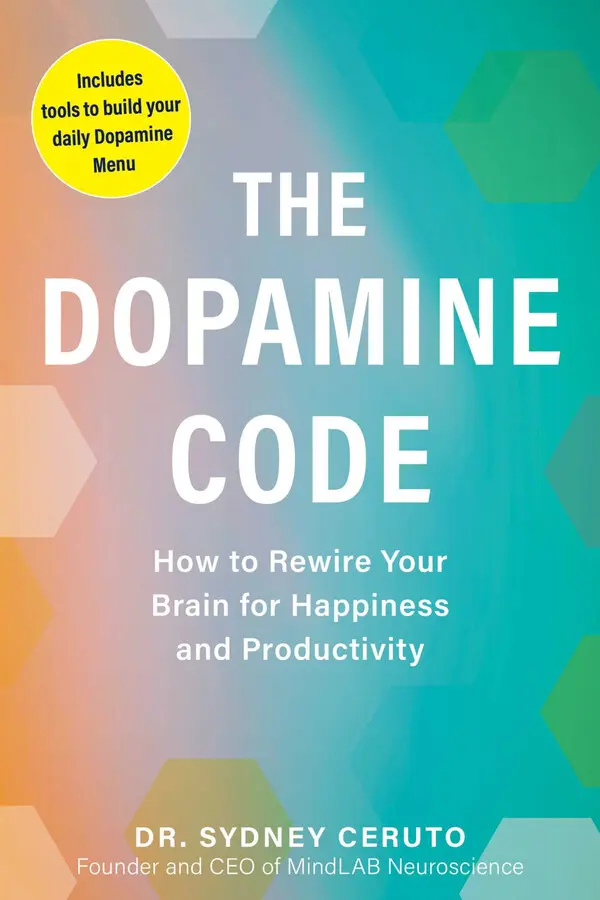
The engagement begins with a Strategy Call — a focused conversation where I identify the specific architecture of your imposter pattern: what conditions formed it, what sustains it, and where the prediction model is most vulnerable to genuine updating. As I detail in The Dopamine Code (Simon & Schuster, June 2026), the dopamine prediction error system that drives self-assessment is the same system that governs motivation and reward — which is why recalibrating self-efficacy produces benefits that extend far beyond confidence.
Why Wall Street Magnifies the Pattern
The Financial District operates on a specific form of meritocratic pressure that amplifies imposter syndrome: compensation as identity measurement. In most professional environments, your salary is private. On Wall Street, compensation is discussed, inferred, and used as a proxy for capability. Bonus season becomes an annual recalibration of where you stand — and for someone whose self-model is already anchored to inadequacy, each compensation event becomes another data point that the brain either rationalizes away or uses to fuel the next cycle of anticipatory dread.
The density of talent in Lower Manhattan creates a comparison environment unlike any other. Within a few square blocks, you are surrounded by people who graduated from the same institutions, passed the same credentialing hurdles, and compete for the same recognitions. In this context, the brain’s social comparison system runs continuously. For someone with a calibrated imposter model, every interaction with a peer who appears confident becomes evidence that you are the anomaly — the one who somehow slipped through.
Wall Street’s unforgiving error culture compounds the problem. In industries where a single decision can produce visible losses, the stakes of exposure feel existential. The imposter narrative shifts from “I don’t belong here” to “when I make the mistake that proves I don’t belong, the consequences will be catastrophic and public.” This anticipatory catastrophizing generates chronic cortisol activation, which further degrades the prefrontal systems that would otherwise help contextualize and integrate positive performance data.
The commute into FiDi creates a daily re-entry into the environment where imposter activation is highest. Whether arriving from Brooklyn, New Jersey, or uptown, there is no gradual on-ramp. You step off the subway into a world where every signal says performance matters — and for a brain running an imposter prediction model, that signal translates to “prove yourself or be exposed.”

The after-hours culture of the financial sector extends the activation window well beyond market hours. Dinners, networking events, and the social expectations of the industry mean the environment where imposter syndrome fires most intensely is not confined to the trading floor. The pattern follows you through every professional interaction that doubles as a social one — and on Wall Street, most of them do.
References
Bravata, D. M., Watts, S. A., Keefer, A. L., et al. (2020). Prevalence, predictors, and treatment of impostor syndrome: A systematic review. Journal of General Internal Medicine, 35(4), 1252–1275. https://doi.org/10.1007/s11606-019-05364-1
Neureiter, M., & Traut-Mattausch, E. (2016). An inner barrier to career development: Preconditions of the impostor phenomenon and consequences for career development. Frontiers in Psychology, 7, 48. https://doi.org/10.3389/fpsyg.2016.00048
How Dr. Ceruto Approaches the Imposter Mechanism
The paradox of imposter syndrome is that it intensifies with achievement. The higher you rise, the more the pattern tightens — because each new level of success creates a larger gap between what the self-model predicts and what reality delivers. Conventional approaches attempt to close this gap through affirmation or cognitive reframing. In my experience, these approaches fail because they operate on the wrong layer. They ask the thinking brain to overrule a prediction system that runs deeper than conscious thought.
What I target in this work is the prediction model itself — the neural architecture that determines how your brain weighs evidence about who you are. This model was typically calibrated in conditions that predate your current level of success. It generates predictions anchored to an earlier version of you, and then filters incoming experience to confirm those predictions. Recognition gets attributed to luck. Achievement gets coded as a setup for eventual exposure. The model is self-reinforcing because it controls what counts as evidence.
Real-Time Neuroplasticity engages this system at the moment it activates — not in retrospective analysis, but in the live neural event where the brain is actively discounting positive evidence about you. Those moments of dismissal, deflection, and internal minimization are not just feelings to manage. They are the computational events where the self-model can be restructured, if the right intervention occurs at the right time.
The engagement begins with a Strategy Call — a focused conversation where I identify the specific architecture of your imposter pattern: what conditions formed it, what sustains it, and where the prediction model is most vulnerable to genuine updating. As I detail in The Dopamine Code (Simon & Schuster, June 2026), the dopamine prediction error system that drives self-assessment is the same system that governs motivation and reward — which is why recalibrating self-efficacy produces benefits that extend far beyond confidence.
Why Wall Street Magnifies the Pattern
The Financial District operates on a specific form of meritocratic pressure that amplifies imposter syndrome: compensation as identity measurement. In most professional environments, your salary is private. On Wall Street, compensation is discussed, inferred, and used as a proxy for capability. Bonus season becomes an annual recalibration of where you stand — and for someone whose self-model is already anchored to inadequacy, each compensation event becomes another data point that the brain either rationalizes away or uses to fuel the next cycle of anticipatory dread.
The density of talent in Lower Manhattan creates a comparison environment unlike any other. Within a few square blocks, you are surrounded by people who graduated from the same institutions, passed the same credentialing hurdles, and compete for the same recognitions. In this context, the brain’s social comparison system runs continuously. For someone with a calibrated imposter model, every interaction with a peer who appears confident becomes evidence that you are the anomaly — the one who somehow slipped through.
Wall Street’s unforgiving error culture compounds the problem. In industries where a single decision can produce visible losses, the stakes of exposure feel existential. The imposter narrative shifts from “I don’t belong here” to “when I make the mistake that proves I don’t belong, the consequences will be catastrophic and public.” This anticipatory catastrophizing generates chronic cortisol activation, which further degrades the prefrontal systems that would otherwise help contextualize and integrate positive performance data.
The commute into FiDi creates a daily re-entry into the environment where imposter activation is highest. Whether arriving from Brooklyn, New Jersey, or uptown, there is no gradual on-ramp. You step off the subway into a world where every signal says performance matters — and for a brain running an imposter prediction model, that signal translates to “prove yourself or be exposed.”
The after-hours culture of the financial sector extends the activation window well beyond market hours. Dinners, networking events, and the social expectations of the industry mean the environment where imposter syndrome fires most intensely is not confined to the trading floor. The pattern follows you through every professional interaction that doubles as a social one — and on Wall Street, most of them do.
References
Bravata, D. M., Watts, S. A., Keefer, A. L., et al. (2020). Prevalence, predictors, and treatment of impostor syndrome: A systematic review. Journal of General Internal Medicine, 35(4), 1252–1275. https://doi.org/10.1007/s11606-019-05364-1
Neureiter, M., & Traut-Mattausch, E. (2016). An inner barrier to career development: Preconditions of the impostor phenomenon and consequences for career development. Frontiers in Psychology, 7, 48. https://doi.org/10.3389/fpsyg.2016.00048
How Dr. Ceruto Approaches the Imposter Mechanism
The paradox of imposter syndrome is that it intensifies with achievement. The higher you rise, the more the pattern tightens — because each new level of success creates a larger gap between what the self-model predicts and what reality delivers. Conventional approaches attempt to close this gap through affirmation or cognitive reframing. In my experience, these approaches fail because they operate on the wrong layer. They ask the thinking brain to overrule a prediction system that runs deeper than conscious thought.

What I target in this work is the prediction model itself — the neural architecture that determines how your brain weighs evidence about who you are. This model was typically calibrated in conditions that predate your current level of success. It generates predictions anchored to an earlier version of you, and then filters incoming experience to confirm those predictions. Recognition gets attributed to luck. Achievement gets coded as a setup for eventual exposure. The model is self-reinforcing because it controls what counts as evidence.
Real-Time Neuroplasticity engages this system at the moment it activates — not in retrospective analysis, but in the live neural event where the brain is actively discounting positive evidence about you. Those moments of dismissal, deflection, and internal minimization are not just feelings to manage. They are the computational events where the self-model can be restructured, if the right intervention occurs at the right time.
The engagement begins with a Strategy Call — a focused conversation where I identify the specific architecture of your imposter pattern: what conditions formed it, what sustains it, and where the prediction model is most vulnerable to genuine updating. As I detail in The Dopamine Code (Simon & Schuster, June 2026), the dopamine prediction error system that drives self-assessment is the same system that governs motivation and reward — which is why recalibrating self-efficacy produces benefits that extend far beyond confidence.
Why Wall Street Magnifies the Pattern
The Financial District operates on a specific form of meritocratic pressure that amplifies imposter syndrome: compensation as identity measurement. In most professional environments, your salary is private. On Wall Street, compensation is discussed, inferred, and used as a proxy for capability. Bonus season becomes an annual recalibration of where you stand — and for someone whose self-model is already anchored to inadequacy, each compensation event becomes another data point that the brain either rationalizes away or uses to fuel the next cycle of anticipatory dread.
The density of talent in Lower Manhattan creates a comparison environment unlike any other. Within a few square blocks, you are surrounded by people who graduated from the same institutions, passed the same credentialing hurdles, and compete for the same recognitions. In this context, the brain’s social comparison system runs continuously. For someone with a calibrated imposter model, every interaction with a peer who appears confident becomes evidence that you are the anomaly — the one who somehow slipped through.
Wall Street’s unforgiving error culture compounds the problem. In industries where a single decision can produce visible losses, the stakes of exposure feel existential. The imposter narrative shifts from “I don’t belong here” to “when I make the mistake that proves I don’t belong, the consequences will be catastrophic and public.” This anticipatory catastrophizing generates chronic cortisol activation, which further degrades the prefrontal systems that would otherwise help contextualize and integrate positive performance data.
The commute into FiDi creates a daily re-entry into the environment where imposter activation is highest. Whether arriving from Brooklyn, New Jersey, or uptown, there is no gradual on-ramp. You step off the subway into a world where every signal says performance matters — and for a brain running an imposter prediction model, that signal translates to “prove yourself or be exposed.”
The after-hours culture of the financial sector extends the activation window well beyond market hours. Dinners, networking events, and the social expectations of the industry mean the environment where imposter syndrome fires most intensely is not confined to the trading floor. The pattern follows you through every professional interaction that doubles as a social one — and on Wall Street, most of them do.
References
Bravata, D. M., Watts, S. A., Keefer, A. L., et al. (2020). Prevalence, predictors, and treatment of impostor syndrome: A systematic review. Journal of General Internal Medicine, 35(4), 1252–1275. https://doi.org/10.1007/s11606-019-05364-1
Neureiter, M., & Traut-Mattausch, E. (2016). An inner barrier to career development: Preconditions of the impostor phenomenon and consequences for career development. Frontiers in Psychology, 7, 48. https://doi.org/10.3389/fpsyg.2016.00048
For deeper context, explore the neuroscience behind imposter syndrome.