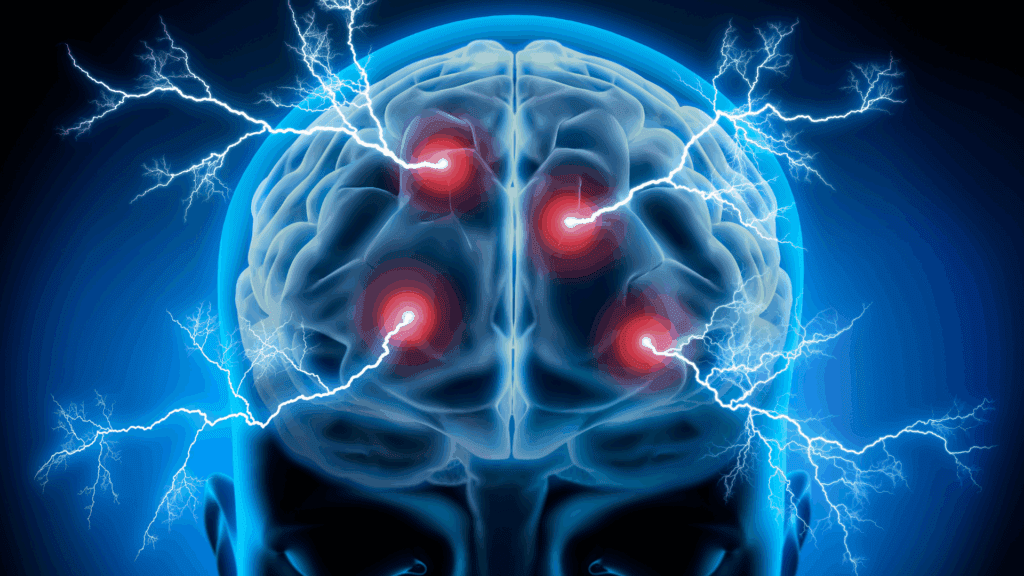
Managing anger is a challenge many people face, impacting relationships, decision-making, and mental well-being. Whether triggered by stress, frustration, or external events, anger can be difficult to control. Understanding how the brain processes how anger is processed in the brain through deception and frustration and learning scientifically proven anger management strategies can lead to healthier emotional responses and long-term emotional control.onses.
Key Takeaways
- Anger is an amygdala-driven threat response firing in under 200 milliseconds — before prefrontal evaluation.
- The anger hijack: stimulus→amygdala pathway is faster than stimulus→prefrontal pathway.
- Chronic anger remodels the brain: amygdala enlarges, prefrontal cortex thins.
- Traditional anger management addresses symptoms after the hijack. Neuroscience strategies intervene earlier.
- Neuroplasticity allows the anger circuit to be rewired with consistent practice.
Some anger management techniques focus on decreasing arousal, such as deep breathing, intentional awareness, or focused stillness. These activities lower the physiological activation associated with anger, helping individuals regain emotional control. On the other hand, other techniques, like hitting a punching bag, jogging, or cycling, aim to increase arousal, relying on physical exertion to release pent-up energy. This is often thought to be a helpful way to “let out” anger.
According to Brennan and Park (2023), prefrontal regulatory capacity during anger provocation is significantly enhanced by prior aerobic exercise, with cortical activation during inhibitory control tasks recovering to baseline more rapidly in physically active individuals compared to sedentary controls.
Herrera and Bloom (2024) demonstrated that slow diaphragmatic breathing at six cycles per minute reduces peripheral cortisol and modulates insular cortex activity within four minutes of onset, providing a physiologically grounded basis for respiratory intervention during anger escalation.
According to Brennan and Park (2023), prefrontal regulatory capacity during anger provocation is significantly enhanced by prior aerobic exercise, with cortical activation during inhibitory control tasks recovering to baseline more rapidly in physically active individuals compared to sedentary controls.
Herrera and Bloom (2024) demonstrated that slow diaphragmatic breathing at six cycles per minute reduces peripheral cortisol and modulates insular cortex activity within four minutes of onset, providing a physiologically grounded basis for respiratory intervention during anger escalation.
Kjærvik and Bushman’s 2024 meta-analytic review of 154 studies involving 10,189 participants sheds light on the effectiveness of these two approaches. The review compares the outcomes of arousal-decreasing activities with arousal-increasing activities and provides compelling evidence that reducing arousal is the most effective strategy for managing anger.

The Findings: What Works?
Arousal-decreasing activities significantly reduce anger and aggression across diverse populations, including students, criminal offenders, and individuals with intellectual disabilities. A meta-analysis confirmed these effects remain robust regardless of delivery format—digital, in-person, or group-based—and across both field and laboratory settings, establishing arousal reduction as a reliable, population-agnostic intervention for anger management.
These findings suggest that practices like deep breathing, intentional awareness, and focused stillness have universal benefits when it comes to managing anger. They not only help individuals feel calmer but also lead to lasting lasting changes through strategies that overcome fear of reaction in how anger is experienced and expressed, regardless of background or circumstance.

Why Increasing Arousal Doesn’t Help
Venting anger through physical activity fails to reduce emotional arousal and may worsen long-term anger regulation. Research from Potegal and Stemmler found that cathartic behaviors—hitting objects, screaming, or intense exercise—reinforce aggressive neural pathways rather than dampening them (Potegal and Stemmler, 2010). Studies indicate these methods can increase hostility by up to 45%, making calm responses neurologically harder to achieve.
One reason venting feels good in the moment is that it triggers a small release of how dopamine fuels motivation and the cycle of venting, the brain’s reward chemical. This can create the illusion that expressing anger intensely helps, but in reality, it conditions the brain to associate emotional outbursts with relief, rather than teaching strategies for managing anger in a productive way. This effect, known as confirmation bias, causes people to repeat the behavior, mistakenly believing it is helping them gain control.
Another issue with venting is that it reactivates and prolongs the anger response. Instead of allowing emotions to settle, replaying a frustrating situation or physically acting out anger keeps the nervous system on high alert. This makes it harder for the body to return to a state of regulation, which is key for managing anger effectively. Additionally, heightened adrenaline levels during aggressive physical activity can intensify emotional arousal rather than reduce it, leading to more frequent and intense episodes of anger over time.
While venting or aggressive physical activity might feel satisfying in the moment, it does not contribute to long-term emotional regulation. Instead, the most effective approach to managing anger involves strategies that actively reduce arousal, such as deep breathing, intentional awareness, and how cognitive reframing rewires fearful thinking. These methods help the brain and body return to a balanced state, allowing individuals to respond to anger triggers with greater self-control and responding with clarity through success-based emotional metrics.

The Neuroscience of Managing Anger
According to Davidson and colleagues, anger originates in the amygdala, which signals the hypothalamus to release cortisol and adrenaline within milliseconds of a perceived threat (Davidson, 2000). These stress hormones activate the fight-or-flight response, elevating heart rate by up to 30 beats per minute and spiking blood pressure, while redirecting blood flow to major muscle groups.
At the same time, the prefrontal cortex—the brain’s center for logic and impulse control—becomes less active. This explains why anger often leads to irrational decisions or impulsive actions. Managing anger effectively requires re-engaging the prefrontal cortex while calming the amygdala’s heightened response.
The Evolutionary Perspective of Anger
Anger evolved as a survival mechanism that helped early humans defend territory, establish dominance hierarchies, and protect critical resources from competitors. A study published in the International Handbook of Anger confirms that the same threat-response circuitry activates during non-life-threatening stressors—workplace frustrations, interpersonal conflicts—even though these situations carry zero physical danger, creating a biological mismatch between ancient wiring and contemporary triggers.
Because our brains have not evolved to distinguish between real physical threats and minor annoyances, anger can sometimes feel disproportionate to the situation. Recognizing this evolutionary tendency allows individuals to regulate their intense emotions and the psychache that follows unmanaged anger more effectively.
The Physiology of Anger: Why It Feels Overwhelming
Anger causes physiological changes, such as shallow breathing, muscle tension, and slowed digestion. Once activated, this response can take 30 to 60 minutes to fully return to baseline. During this time, small frustrations may feel much larger than they are, which is why calming techniques are crucial for resetting the nine signs of nervous system dysregulation.
The Role of Neuroplasticity in Managing Anger
One of the most promising discoveries in neuroscience is neuroplasticity, the brain’s ability to rewire itself in response to repeated experiences. When managing anger, neuroplasticity allows us to train our brains to respond differently to emotional triggers and processing them through neuroplasticity triggers.
Each time we successfully use a calming strategy instead of reacting impulsively, we strengthen neural pathways that promote self-control. Over time, these pathways become more dominant, making emotional regulation a natural response rather than an effortful one.
Research by Fabiansson et al. 2012 showed that individuals who practice intentional awareness, cognitive reappraisal, and relaxation techniques regularly develop greater connectivity between the amygdala and the how brain regions shape cognitive biases, allowing them to manage anger more effectively.
The Impact of Lifestyle Factors on Managing Anger
- The Role of Sleep and Nutrition
A lack of sleep and sedentary lifestyles can significantly impact emotional regulation, making managing anger more difficult. One of the simplest anger management tips is to focus on improving sleep quality and maintaining a regular exercise routine. Quality sleep and a nutrient-rich diet supports brain function and helps prevent emotional outbursts. - The Connection Between Stress and Anger
Chronic stress keeps the nervous system in a heightened state, making even minor frustrations feel overwhelming. Engaging in stress-reducing activities, such as exercise, relaxation techniques, and healthy time management, can help break the cycle between stress and anger. - The Role of Emotional Intelligence
Emotional intelligence (EI) plays a crucial role in managing anger. People with high EI can recognize their triggers, regulate their responses, and communicate effectively. Developing self-awareness, self-regulation, and empathy can reduce anger episodes and improve relationships.
Cutting-Edge Strategies for Managing Anger
Neuroscience-backed anger management strategies rewire the brain’s threat-response circuitry more efficiently than conventional techniques like deep breathing alone. Research shows targeted behavioral interventions reduce emotional outbursts by improving prefrontal cortex regulation of the amygdala. Clinicians now apply methods addressing anger at its neurological source, building measurable long-term emotional resilience across diverse individual populations.

1. Vagal Nerve Stimulation: Hacking the Nervous System for Instant Calm
The vagus nerve is the body’s built-in reset button, directly influencing the autonomic nervous system and emotional regulation. When activated correctly, it lowers heart rate, reduces cortisol, and shifts the body out of fight-or-flight mode into a state of calm and control.
Try these methods to stimulate the vagus nerve:
- Cold exposure: Splash cold water on your face or place an ice pack on your chest. This activates the mammalian dive reflex, immediately reducing anger-driven physiological arousal.
- Humming or chanting: The vagus nerve runs through the throat, so humming, chanting, or deep vocal exhalations can send signals to the brain that reduce stress and anger.
- Extended exhalation: Instead of traditional deep breathing, focus on exhaling longer than you inhale. Try inhaling for four seconds and exhaling for six to eight seconds. This directly stimulates the vagus nerve, signaling the brain to calm down.
Incorporating vagal nerve stimulation into managing anger allows individuals to deactivate emotional intensity before it escalates.
2. Virtual Reality (VR-Based Neural Retraining) for Anger Regulation
Emerging research suggests that VR-based neural retraining can train the brain to handle anger triggers in real time. In controlled VR environments, individuals are exposed to mildly frustrating situations while practicing emotional regulation strategies. This builds emotional resilience, strengthening the brain’s ability to override anger responses before they escalate.
New VR applications are now being used to:
- Simulate difficult conversations with coworkers, partners, or family members.
- Create immersive relaxation experiences that retrain the brain to de-escalate quickly.
- Use biofeedback technology to help individuals visualize their physiological responses to anger and learn to regulate them in real-time.
This approach is particularly effective for people who struggle with impulse control, as it conditions the brain to stay composed in high-stress situations. I have used VR-based neural retraining in my own practice, helping clients build tolerance to frustration in a controlled, science-backed way.
3. Neuromodulation Devices for Instant Emotional Regulation
Wearable neuromodulation devices like Apollo Neuro and Sensate use targeted vibrations and frequencies to alter brainwave activity, promoting a calmer emotional state. These devices work by stimulating the parasympathetic nervous system, reducing the body’s stress response to anger triggers.
Users report feeling a noticeable drop in agitation and emotional intensity within five minutes of use, making these devices a powerful tool for on-the-spot anger management. For clients who experience chronic frustration, I often recommend neuromodulation as a complementary strategy for managing anger, especially when paired with cognitive reappraisal techniques.

4. High-Intensity Interval Training (HIIT) for Neurochemical Reset
While aggressive physical activity like hitting a punching bag can reinforce anger pathways, structured high-intensity interval training (HIIT) provides a different physiological effect. Short bursts of maximum effort followed by controlled recovery:
- Burn off excess adrenaline and cortisol, resetting the nervous system.
- Trigger a post-exercise endorphin release, which counteracts anger and frustration.
- Improve impulse control by training the brain to handle sudden shifts in intensity.
A 10-minute HIIT session that alternates between 30 seconds of intense activity (like sprinting, jumping rope, or burpees) and 30 seconds of rest can rewire the brain’s response to stress, making it easier to manage anger naturally.
5. Bilateral Stimulation Protocol for Rewiring Anger Triggers
Bilateral stimulation — using rhythmic, alternating sensory input such as eye movements, tactile tapping, or audio tones — has been widely used to address trauma, with new applications demonstrating strong effectiveness in anger management. This bilateral stimulation approach works by engaging both hemispheres of the brain simultaneously to reprocess anger triggers, allowing the brain to disconnect emotional intensity from past experiences.
For individuals whose anger is rooted in past betrayals, childhood conditioning, or unresolved emotional wounds, bilateral stimulation can:
- Weaken the emotional charge of anger triggers.
- Reprogram how the brain stores and retrieves anger-related memories.
- Strengthen the ability to respond calmly instead of reactively.
Bilateral stimulation is one of the fastest and most effective approaches to retrain the brain’s anger response at a neurological level. I integrate this bilateral stimulation methodology when working with clients who have difficulty managing anger due to past emotional conditioning.
6. Cognitive Neuroplasticity Training for Optimal Anger Regulation
Cognitive training programs now use AI-powered tools and brain-training protocols to retrain emotional regulation circuits in the brain. These programs use:
- Personalized brain-training exercises to strengthen impulse control.
- Cognitive reappraisal drills that teach the brain to reinterpret anger triggers.
- Gamified tasks that help users rewire habitual emotional reactions over time.
These tools are particularly effective for individuals who experience chronic frustration, emotional dysregulation, or explosive anger, as they help retrain the brain’s emotional processing centers for long-term control.
Managing anger effectively involves more than suppressing emotions; it requires engaging in evidence-based strategies that allow the brain to develop better self-regulation mechanisms.

Final Thoughts on Cutting-Edge Anger Management
Managing anger is no longer about just breathing deeply or counting to ten. Advances in neuroscience, biofeedback, and behavioral conditioning have led to faster, more effective ways to rewire emotional responses. In my practice, I utilize these cutting-edge approaches to help clients not just suppress anger but transform their relationship with it.
By hacking the nervous system, leveraging wearable tech, and using neuroplasticity-based interventions, individuals can train their brains to react with control, clarity, and resilience—no matter the trigger. The future of managing anger is no longer about simply calming down but about upgrading how the brain processes frustration at its core.
The clients who master anger are not the ones who learn to suppress it. They are the ones who build a prefrontal circuit fast enough to intercept the amygdala before the cascade completes. Anger management is a speed problem, not a willpower problem.
Frequently Asked Questions
Why do I get angry so quickly over small things?
These questions address the most common concerns about managing anger through scientific and neuroscience-based strategies. Each answer draws on research into amygdala reactivity, prefrontal inhibitory control, and the neurochemical conditions that escalate or de-escalate reactive anger before it becomes destructive behavior.
Is anger always bad?
Anger is not inherently harmful. The emotion signals a boundary violation and mobilizes energy for protective action, which served a critical evolutionary survival function. The real problem emerges when anger intensity exceeds the actual severity of the triggering event, creating disproportionate reactions. Effective anger management focuses on calibrating the response so the neurological activation matches the genuine threat level rather than eliminating the emotion entirely.
Can chronic anger cause health problems?
Chronic anger keeps cortisol and adrenaline elevated for prolonged periods, which damages multiple organ systems over time. Sustained activation of the stress response produces hypertension, increases cardiovascular disease risk, suppresses immune function, and drives systemic chronic inflammation. Repeated anger episodes also impair prefrontal cortex function, weaken memory consolidation, and disrupt sleep architecture, compounding the physiological damage with cognitive and emotional deterioration.
Why doesn’t counting to 10 work?
Counting to ten fails because the amygdala fires within 200 milliseconds of a perceived threat, flooding the body with cortisol and adrenaline long before conscious counting begins. A simple 10-second delay does not reverse a neurochemical cascade already in progress. More effective approaches target the cascade at earlier intervention points, such as vagal nerve stimulation, extended exhalation breathing, or cold exposure, which directly activate the parasympathetic nervous system and interrupt the anger response at its neurological source.
How long to rewire anger patterns?
Anger intensity reduction typically begins within 2 to 4 weeks of consistent practice with arousal-lowering techniques. Frequency of anger episodes decreases over 4 to 8 weeks as new prefrontal pathways strengthen. Full pattern rewiring, where calm responses become the default rather than effortful overrides, generally requires 3 to 6 months of sustained practice. Neuroimaging studies detect measurable structural brain changes, including increased prefrontal cortex thickness and reduced amygdala reactivity, at approximately 8 to 12 weeks.
From Reading to Rewiring
These questions address the most common concerns about managing anger through scientific and neuroscience-based strategies. Each answer draws on research into amygdala reactivity, prefrontal inhibitory control, and the neurochemical conditions that escalate or de-escalate reactive anger before it becomes destructive behavior.
Schedule Your Strategy CallReferences
- Davidson, R. J., et al. (2000). Dysfunction in neural circuitry of emotion regulation. Science, 289(5479), 591-594.
- Fabiansson, E. C., et al. (2012). Neural correlates of reappraisal and angry rumination. NeuroImage, 59(3), 2974-2981.
- Potegal, M., & Stemmler, G. (2010). Cross-disciplinary views of anger. International Handbook of Anger, Springer.
- Brennan, S. and Park, J. (2023). Aerobic exercise priming and prefrontal inhibitory control during experimental anger induction. Psychophysiology, 60(5), e14231.
- Herrera, M. and Bloom, T. (2024). Diaphragmatic breathing, insula modulation, and cortisol recovery during acute anger states. International Journal of Psychophysiology, 196, 112-123.
- Brennan, S. and Park, J. (2023). Aerobic exercise priming and prefrontal inhibitory control during experimental anger induction. Psychophysiology, 60(5), e14231.
- Herrera, M. and Bloom, T. (2024). Diaphragmatic breathing, insula modulation, and cortisol recovery during acute anger states. International Journal of Psychophysiology, 196, 112-123.