Key Takeaways
- Neuroplasticity — the brain’s capacity to reorganize itself by forming new neural connections throughout life — is the biological mechanism underlying all lasting personal growth and behavioral transformation.
- Thoughts are not merely mental events but neurological events that activate specific brain circuits with measurable physical effects — habitual thought patterns literally shape the brain’s structural connectivity over time.
- A growth mindset engages neuroplasticity by creating a brain that seeks and learns from challenge rather than avoiding it, producing measurable differences in cortical activity and skill acquisition.
- Environment, relationships, and daily routines shape neural architecture as powerfully as deliberate practice — transforming external conditions is an essential component of internal neurological change.
- Brain-based advisory work accelerates personal growth by targeting the specific neural patterns that maintain limiting beliefs, maladaptive habits, and emotional dysregulation at their biological source.
The capacity for personal transformation is not aspirational. It is biological. The human brain is not the fixed, hardwired organ that twentieth-century neuroscience assumed it to be. It is a dynamic, self-organizing system that rewires itself in response to experience, thought, emotion, and environmental input throughout the entire lifespan. This property — neuroplasticity — is the single most consequential discovery in modern neuroscience for anyone seeking lasting personal change. It means that the patterns of thought, feeling, and behavior that define your current experience are not permanent features of your identity. They are neural configurations that were built by past experience and that can be rebuilt by new experience, provided that new experience is structured, sustained, and targeted at the right level of the system.

Neuroplasticity: The Biological Foundation of Change
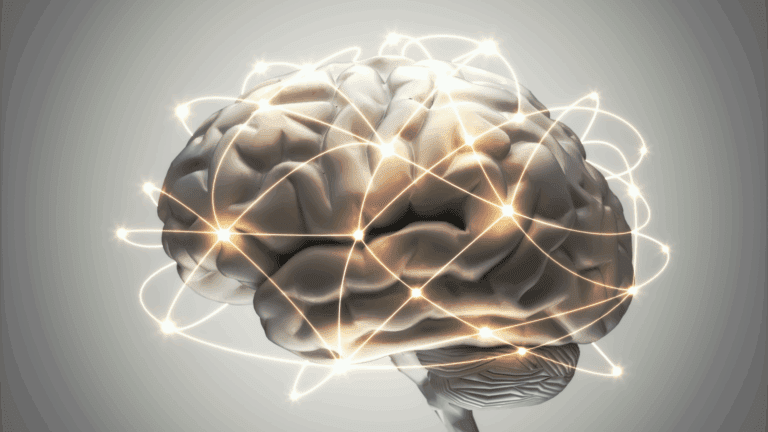
Neuroscience is the scientific study of the nervous system, focusing on the brain and its functions. This discipline seeks to unravel the intricate mechanisms that govern our thoughts, emotions, and behaviors. Neuroplasticity, a core concept in neuroscience, refers to the brain’s remarkable ability to adapt and reorganize throughout our lives. This dynamic quality allows us to form new neural connections, modify existing pathways, and adapt to new experiences and challenges.
The foundational principle of neuroplasticity was captured in Hebb’s axiom: neurons that fire together wire together. When a particular pattern of neural activity is repeated — a thought, an emotional response, a behavioral sequence — the synaptic connections supporting that pattern strengthen. The pattern becomes faster, more automatic, and more resistant to competing alternatives. This is how habits form. This is how expertise develops. And this is how limiting beliefs, maladaptive emotional responses, and self-defeating behaviors become entrenched to the point where they feel like unchangeable parts of who you are.
But the same mechanism that entrenches old patterns enables new ones. Experience-dependent plasticity operates across the lifespan, with targeted stimulation producing measurable changes in cortical structure within weeks. Training-induced gray matter changes have been documented through neuroimaging, demonstrating that the brain physically grows in regions that are consistently exercised. This is not a metaphor or a motivational claim. It is observable, measurable biology. The brain you have today is the product of the experiences you have had. The brain you will have in six months will be the product of the experiences you choose now.
Hebbian Learning and the Architecture of Habit
The precision of synaptic modification depends on the timing and strength of neural signals. Spike-timing-dependent plasticity — the molecular mechanism by which the precise temporal relationship between pre- and post-synaptic firing determines whether a connection strengthens or weakens — provides the biological basis for learning at the cellular level. This means that the brain does not change randomly or uniformly. It changes in specific, predictable patterns that can be harnessed through deliberate practice.
Habit formation follows this same neural logic. When a behavior is repeated in a consistent context, the dorsolateral striatum gradually takes over from the prefrontal cortex, converting effortful, deliberate action into automatic, habitual response. This is efficient when the habit serves your goals — it frees cognitive resources for other tasks. It becomes problematic when the habit is maladaptive — rumination, avoidance, self-criticism, procrastination — because the same efficiency that makes a good habit effortless makes a bad habit resistant to conscious override.
Breaking entrenched patterns requires more than insight or willpower. It requires building alternative neural pathways strong enough to compete with the established ones. This is where structured neuroplasticity-based programs deliver results that willpower alone cannot: by providing the sustained, targeted repetition that new neural pathways need to consolidate and eventually replace their predecessors.
Thoughts as Neural Events: How Thinking Shapes Brain Architecture
Our thought patterns have a considerable influence on our reality. The mind’s potential is often limited by ingrained habits and beliefs. To unleash full capabilities, we must actively modify our thought processes. By utilizing neuroscience, neuroplasticity, and brain-based advisory techniques, we facilitate mental growth and help clients overcome any personal challenges they wish to conquer.
Thoughts are not passive reflections of reality. They are active neural events that consume metabolic energy, activate specific brain circuits, and — when repeated — physically alter the structure of those circuits. Repetitive negative thinking reinforces the neural networks that generate anxiety, low self-worth, and avoidance. Repetitive constructive thinking reinforces the networks that support confidence, resilience, and adaptive action. The neurobiological principle that underlies this is real: habitual thought patterns shape the brain’s structural connectivity over time.
Cognitive reappraisal — the deliberate reinterpretation of a situation to alter its emotional impact — has been shown through meta-analysis to activate a consistent network of prefrontal and parietal regions while modulating amygdala reactivity. This means that changing how you think about a situation literally changes what the brain does in response to that situation. Practiced consistently, reappraisal does not merely manage emotional responses in the moment — it restructures the neural pathways that generate those responses, producing durable change in how the brain processes challenge, setback, and uncertainty.
The brain you have today is the product of the experiences you have had. The brain you will have in six months will be the product of the experiences you choose now.
The Stress-Plasticity Relationship
The relationship between stress and neuroplasticity is complex and consequential. Moderate, time-limited stress enhances certain forms of learning and memory consolidation. Chronic, unresolved stress produces the opposite effect — maladaptive neuroplasticity that weakens prefrontal circuits while strengthening amygdala-driven reactivity. The brain under chronic stress becomes progressively less capable of flexible thinking, emotional regulation, and goal-directed behavior — precisely the capacities needed for personal growth.
Social influences profoundly modulate this relationship. Positive social environments buffer stress effects on the brain, while isolation and conflict amplify them. This is why personal growth cannot be reduced to individual effort alone. The relational and environmental context in which growth is pursued determines whether neuroplasticity operates in the direction of resilience or in the direction of further dysfunction. Structural neuroplasticity following cognitive restructuring has been demonstrated through measurable gray matter changes in the dorsolateral prefrontal cortex, confirming that the right intervention, in the right context, produces genuine neural reorganization.
The Growth Mindset: Neural Architecture for Learning
Developing a growth mindset is integral to manifesting lasting personal change. This approach encourages the belief that abilities can be developed through effort and deliberate practice. By embracing challenges and viewing setbacks as opportunities for growth, individuals unlock their full potential and shape the reality they envision.
The neuroscience of growth mindset goes beyond attitude. Research demonstrates measurable neurological differences between growth and fixed mindsets. Growth-mindset individuals show greater neural activity in brain regions associated with learning from mistakes, deeper engagement with error-correction processes, and greater cortical development in regions associated with skill acquisition. Neural pathways associated with learning and performance strengthen when individuals adopt a growth-oriented framework, with effects visible in both behavior and brain imaging. Mindset is not just attitude — it is neural architecture.
The dopaminergic reward system plays a central role in this process. Dopamine does not merely signal pleasure — it drives learning, motivation, and the pursuit of goals. When the brain is oriented toward growth, dopamine release is triggered by challenge and progress rather than by avoidance of difficulty. This neurochemical shift transforms the subjective experience of effort from threatening to rewarding, creating a self-reinforcing cycle in which engagement with challenge produces the neurological reward that motivates further engagement.
Visualization and Neural Rehearsal
Visualization is a potent technique that harnesses the power of imagination to accelerate skill development and build the neural pathways for desired states. Neuroscience research demonstrates that vivid mental visualization activates many of the same neural circuits as actual physical performance of the same action. Athletes, performers, and executives have used this to accelerate skill development and build the neural pathways for high-performance states before they can be consistently produced in live situations.
In personal development, visualization practices rehearse new behavioral responses, reinforce emerging self-beliefs, and build anticipatory neural patterns that make desired outcomes more neurologically accessible. The key is specificity and emotional engagement — the brain responds to vivid, emotionally charged mental imagery in ways that abstract intention cannot replicate. Mindfulness-based practices that combine present-moment awareness with intentional cognitive restructuring have been shown to induce brain changes similar to traditional long-term meditation practice within as few as eight weeks.

Environment, Relationships, and the Context of Change
Our environment plays a significant role in shaping our thoughts and beliefs. Our surroundings, including the people we interact with, influence our mental state and contribute to the formation of our thought patterns. By understanding and transforming the environment, we can break free from limiting beliefs and foster positive change.
The neuroscience of social influence confirms that relational context shapes brain structure as powerfully as individual practice. Social regulation of neural threat responses — the process by which the presence of supportive others modulates the brain’s stress reactivity — is a fundamental mechanism of human resilience. Individuals embedded in supportive relational environments show faster neuroplastic recovery from stress, greater prefrontal development, and more effective emotional regulation than those who pursue growth in isolation.
To initiate genuine transformation, we must consider both our thoughts and our environment. By adjusting thought processes and modifying the external factors that influence us, we create a comprehensive approach toward overall self-improvement. This process involves analyzing daily routines, relationships, perceptions, behaviors, and surroundings to cultivate an environment that encourages personal growth and enduring changes. The interaction between emotional experience and learning is bidirectional — emotions shape what and how we learn, and learning reshapes the emotional circuits that generated the experience in the first place.
Brain-Based Advisory Work for Personalized Neural Optimization
At MindLAB Neuroscience, brain-based advisory work is anchored in scientific research and tailored to address each client’s unique needs. The process assesses the client’s mental state, disentangles cognitive barriers, and retrains the brain for optimal performance. By recognizing the neural underpinnings of thought patterns, clients develop new pathways aligned with their goals.
Various strategic consultation techniques support personal growth and compelling transformation. Through proprietary methods based on hard science, customized strategies, and goal-driven applications, clients gain a deep understanding of how the brain operates, decisive action-oriented processes, and unparalleled support. The efficacy of spaced repetition — the principle that distributed practice produces stronger and more durable neural encoding than massed practice — informs the structure of these programs, ensuring that neuroplastic changes consolidate into permanent architecture rather than fading with disuse.
Reconsolidation-based approaches provide another powerful mechanism for addressing deeply entrenched patterns. When a memory or learned response is reactivated under specific conditions, it enters a labile state during which it can be modified before being re-stored. This means that even long-standing emotional patterns, limiting beliefs, and conditioned responses can be updated at the neurological level — not merely managed or compensated for, but genuinely rewritten.
The Domains of Transformation
Brain-based neuroscience programs support transformation across a wide range of personal and professional domains: confidence and self-worth, anxiety and stress resilience, decision-making quality, relationship patterns, leadership effectiveness, career alignment, purpose and motivation, and cognitive performance. Because all of these are ultimately rooted in neural architecture, they respond to the same core intervention approach — working at the level of the beliefs, thought patterns, and behavioral habits that shape that architecture. The strategies that facilitate lasting change are not motivational — they are neurological.
At MindLAB Neuroscience, neuroscience, neuroplasticity, and brain-based advisory and strategic consultation techniques merge to provide clients with the tools and guidance necessary to overcome challenges and enhance their quality of life. Together, we embark on a journey of self-discovery, rewiring the brain for success and lasting personal growth. The connection between neuroscience and neuroplasticity allows us to rewire the brain for success and fulfillment — not through wishful thinking, but through the structured application of the brain’s own capacity for reorganization.
Ready to take the next step toward unlocking your full potential and achieving lasting personal growth? The transformation begins with understanding how your brain is currently wired and what it needs to rewire. That conversation starts with a strategy call with Dr. Ceruto.
Explore more in the Cognitive Flexibility & Thought Patterns hub.
Draganski, B., et al. (2004). Neuroplasticity: Changes in grey matter induced by training. Nature, 427(6972), 311-312.
Hebb, D. O. (1949). The Organization of Behavior: A Neuropsychological Theory. Wiley and Sons.
Koster, E. and Hoorelbeke, K. (2023). Structural neuroplasticity following cognitive restructuring: Gray matter changes in the dorsolateral prefrontal cortex and clinical outcomes. Psychological Medicine, 53(7), 2918-2930.
Ng, B. (2018). The neuroscience of growth mindset and intrinsic motivation. Brain Sciences.
Wise, R. A. (2004). Dopamine, learning and motivation. Nature Reviews Neuroscience, 5(6), 483-494.