Key Takeaways
- Dopamine from professional recognition trains the reward system to prioritize work validation, creating addiction-like dependency.
- When identity concentrates in career, the amygdala can read a missed promotion as existential threat.
- A multidimensional identity (relationships, creative work, community, health) distributes self across neural networks, building resilience.
- Neuroplasticity rewires work-identity fusion through practice: attention shifting, identity language, boundaries, self-compassion.
- Identity fused with social role aided survival; fluid modern careers turn that wiring into vulnerability.
Stop making work your identity. This phrase contains a fundamental truth that millions of high performers need to hear. When you learn to separate self-worth from career, everything changes. Your resilience increases. Your relationships deepen. Your actual professional performance improves. Stop making work your identity, and you’ll discover freedom you didn’t know was possible. Yet most people never receive this message because culture celebrates career achievement as the ultimate marker of human value. When you fail to separate self-worth from career, you become vulnerable to psychological collapse whenever circumstances change. Reclaiming a stable sense of self is foundational to peak performance and flow.
The solution starts with understanding how to stop making work your identity at the neurobiological level. We’re taught from childhood that what we do professionally defines who we are. We introduce ourselves by our job titles. We measure our worth by our paychecks and promotions. We organize our entire lives around professional success. Learning to separate self-worth from career requires deliberate effort and understanding. The result of not addressing this is catastrophic for mental health and well-being.
From an evolutionary perspective, this confusion between identity and role emerged from our ancestral environment. In small tribes, your role was relatively stable and directly connected to your survival and status. A hunter’s identity fused with hunting. A protector’s identity fused with protection. Your brain evolved under conditions where this identity fusion made adaptive sense. But modern work operates under completely different rules. When you separate self-worth from career, you align your brain with modern reality. You might have five different careers in your lifetime. You might be laid off through no fault of your own. You might reach the pinnacle of your field only to discover that achievement feels empty. Your brain is running ancient evolutionary software in a radically different environment, and the result is psychological vulnerability unless you consciously work to stop making work your identity.
Individuals whose sense of meaning derives from a single life domain, such as career, show significantly higher psychological vulnerability during periods of role disruption than those with multidimensional identity structures.
Self-concept complexity buffers against depressive symptoms following occupational loss, because the self-system has alternative sources from which to draw coherent identity when one domain fails.
Chronic occupational stress suppresses prefrontal cortical function and biases decision-making toward amygdala-driven threat responses, impairing the very executive capacities on which career identity depends.
Mindfulness practice reshapes connectivity within the brain’s default mode network, anchored in the medial prefrontal and posterior cingulate cortices, the system that drives self-referential thinking, supporting a more flexible, less rigidly work-anchored sense of self.
Social disconnection activates the same dorsal anterior cingulate cortex regions as physical pain, underscoring why identity anchored solely in professional status leaves individuals neurobiologically exposed when roles are lost.
When you fail to separate self-worth from career, the consequences extend far beyond individual distress. Sociological research reveals that entire cultures of burnout and mental health crises emerge when people attach their identities exclusively to their professional roles. Business psychology studies show that organizations with employees who stop making work their identity actually function better. These employees innovate more, collaborate more effectively, and stay longer with their organizations. The irony is that separating self-worth from career doesn’t diminish professional excellence. It enables it. Understanding how to stop making work your identity is the foundation for genuine freedom and authentic well-being.
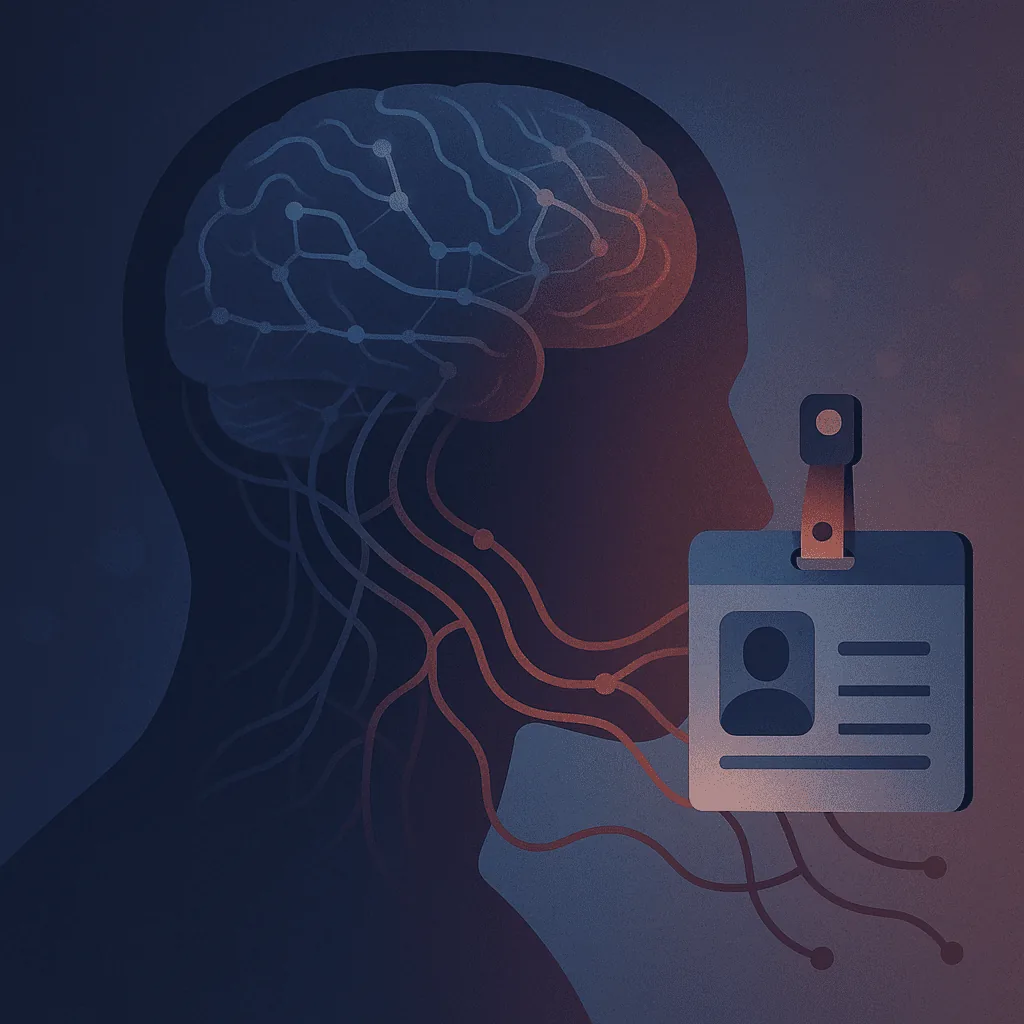
How Your Brain Gets Attached to Your Job Title
Your brain is fundamentally wired to seek status and belonging, making the decision to stop making work your identity a challenge against powerful neurobiological patterns. From an evolutionary perspective, your place in a social hierarchy directly relates to survival. Your amygdala, responsible for threat detection and status monitoring, constantly scans your environment to determine where you stand.
When professional identity dominates the striatum’s reward encoding, the amygdala begins treating career setbacks as survival-level threats, activating the same neural alarm as physical danger.
When you hold a particular job title, your brain begins to use that position as a proxy for your social status. Your prefrontal cortex, the decision-making hub of your brain, creates neural associations between your job role and your sense of competence. Your striatum, the brain’s reward center, releases dopamine when you receive recognition or achieve professional success. To separate self-worth from career, you must first understand how these rewards hijack your identity systems. Over time, repeated dopamine hits from work achievements literally rewire your brain to crave professional validation. This is why learning to separate self-worth from career feels so difficult.
Sociologically, this phenomenon connects to broader cultural narratives about meritocracy and self-worth. Modern capitalism has engineered a system where your economic productivity becomes your social value. In pre-industrial cultures, identity was rooted in kinship, community role, and spiritual practice. Contemporary business psychology shows that this shift to productivity-based identity corresponds directly with increased rates of depression, anxiety, and identity-related mental health challenges. The problem isn’t ambition or excellence. The problem emerges when you stop making work your identity only as a crisis response rather than as preventative practice.
The problem intensifies through a process called identity fusion. When you spend eight hours a day, five days a week, or more engaged in one role, your brain starts to perceive that role as your authentic self. Your episodic memory systems in the hippocampus begin storing work experiences as central to your life narrative. You start telling yourself stories like “I am a lawyer” or “I am a startup founder” rather than “I work as a lawyer” or “I currently run a startup.” This subtle linguistic shift reflects a massive neurobiological change. When you separate self-worth from career, you’re essentially retraining your brain to create a more complex identity hierarchy. To separate self-worth from career means building a multidimensional sense of self where your work occupies one important but not all-consuming role.
The neuroscience tells us something critical: your brain adapts to whatever you practice consistently. If you consistently practice making work the center of your identity, your neural pathways strengthen in that direction. Your default mode network, the brain system active during self-reflection, begins to automatically loop back to professional achievement as the primary marker of self-worth. When you deliberately stop making work your default identity, you interrupt these patterns. This is not a character flaw. This is neurobiology. Your brain is simply doing what brains do: strengthening the neural pathways you use most frequently.

The Evolutionary Mismatch: Why Separating Self-Worth From Career Matters Now
Our ancestors lived in small tribes where status was relatively stable and social roles remained largely unchanged throughout life. Your brain evolved under conditions where identity fusion with your role made survival sense, motivating deep skill development. When you learn to separate self-worth from career, you gain insight into why your brain defaulted to this pattern initially.
Modern work doesn’t operate like tribal roles. You might be a software engineer, then a manager, then a consultant, then an entrepreneur. You might be successful in one field and then pivot to something completely different. The necessity to separate self-worth from career has never been more critical. You might be laid off through no fault of your own when your industry contracts. You might reach the top of your field only to discover that achievement doesn’t deliver the meaning you expected. Your brain is running ancient evolutionary software in a radically different environment.
Evolutionary psychology research reveals that your sense of self is dynamic and shaped by social motivations. When you feel excluded or lose status, your brain rapidly reorganizes your self-concept to process that threat. When you fail to separate self-worth from career, job loss becomes an existential catastrophe because your entire identity structure collapses. To separate self-worth from career is to build psychological insurance against this collapse. The problem with modern work is that job loss or career setback can trigger the same neural threat response as ancient tribal banishment. Your amygdala doesn’t distinguish between being fired and being cast out of your tribe. Both register as catastrophic unless you’ve done the work to separate self-worth from career.
Sociologically, this explains why countries with stronger social safety nets and less work-identity fusion report better mental health outcomes. When your worth is distributed across multiple social roles and community connections rather than concentrated in your job title, losing your job becomes a manageable career transition rather than an identity annihilation. Business psychology research confirms that organizations in cultures valuing multidimensional identity report lower burnout, higher innovation, and better retention. When you make the decision to separate self-worth from career, you’re actually aligning your brain’s identity systems with modern reality. You’re creating psychological flexibility that evolution never equipped you to develop automatically. When you stop making work your identity as an intentional practice, you’re essentially becoming psychologically modern in an environment that still triggers ancient threat responses.
Stop Making Work Your Identity: The Cost of Overidentification
When people fail to separate self-worth from career, the consequences ripple through every dimension of their lives. The most obvious consequence is vulnerability to burnout and mental health challenges. When self-worth depends entirely on job performance, poor results trigger shame and chronic self-criticism rather than adaptive learning.
This constant self-judgment activates your threat response systems chronically. Your amygdala stays partially activated. Your sympathetic nervous system remains in a state of mild vigilance. Your vagus nerve, which normally helps you access calm and parasympathetic rest-and-digest states, loses its tone. Learning to separate self-worth from career allows your vagus nerve to recover its natural function. Research on vagal tone shows that people with lower vagal tone experience difficulty recovering from stress and have higher baseline anxiety. They struggle to access the ventral vagal state where genuine rest, creativity, and connection become possible.
From a business psychology perspective, this explains why high-performing companies are increasingly focused on helping employees stop making work their identity. When employees are chronically activated and unable to genuinely rest, their creative capacity diminishes. Their capacity for complex problem-solving decreases. Their capacity for genuine collaboration diminishes. When you separate self-worth from career, you restore these capacities. Sociologically, we’re witnessing a cultural reckoning where the costs of viewing work as identity become undeniable. The second consequence is fragility in your self-esteem. When your self-worth is entirely dependent on external validation from your job, you become psychologically brittle. To separate self-worth from career is to develop psychological resilience that external validation cannot touch.
A critical comment from your boss can devastate you. A missed promotion can trigger depression. A layoff or forced career change can create an identity crisis that leaves you unable to function. When you deliberately stop making work your identity, these experiences become manageable challenges rather than existential threats. Research on unemployment and mental health shows that job loss substantially increases the risk of developing mental health conditions, including anxiety and depression. But the real tragedy is that many of these mental health challenges are preventable. If people had built diverse identities not entirely dependent on employment and learned to separate self-worth from career, the psychological impact of job loss would be significantly reduced. The third consequence is relational damage. When you stop making work your identity, other people experience you differently. People who overidentify with their careers often neglect their relationships, their hobbies, and their broader communities. They bring work stress home. They cancel social plans for work emergencies. They forget their friends’ important milestones because they’re focused on their career goals. Over time, their relationship networks thin. To separate self-worth from career means rebuilding these networks deliberately.
When they eventually need support, whether due to burnout, job loss, or personal crisis, their social safety net is minimal. The fourth consequence affects your actual performance and innovation. This might seem counterintuitive, but research on intrinsic versus extrinsic motivation reveals that people who are intrinsically motivated to do meaningful work actually perform better than people motivated primarily by status or external validation. When you separate self-worth from career, you paradoxically become more effective at your work. When you stop making work your identity as your sole motivator, you can take appropriate risks. You can be vulnerable enough to ask for help. You can admit mistakes quickly instead of defending them. You can focus on the actual work instead of constantly monitoring how your work is being perceived. Excellence emerges from genuine engagement, not from the desperate need for validation that comes from failing to separate self-worth from career.
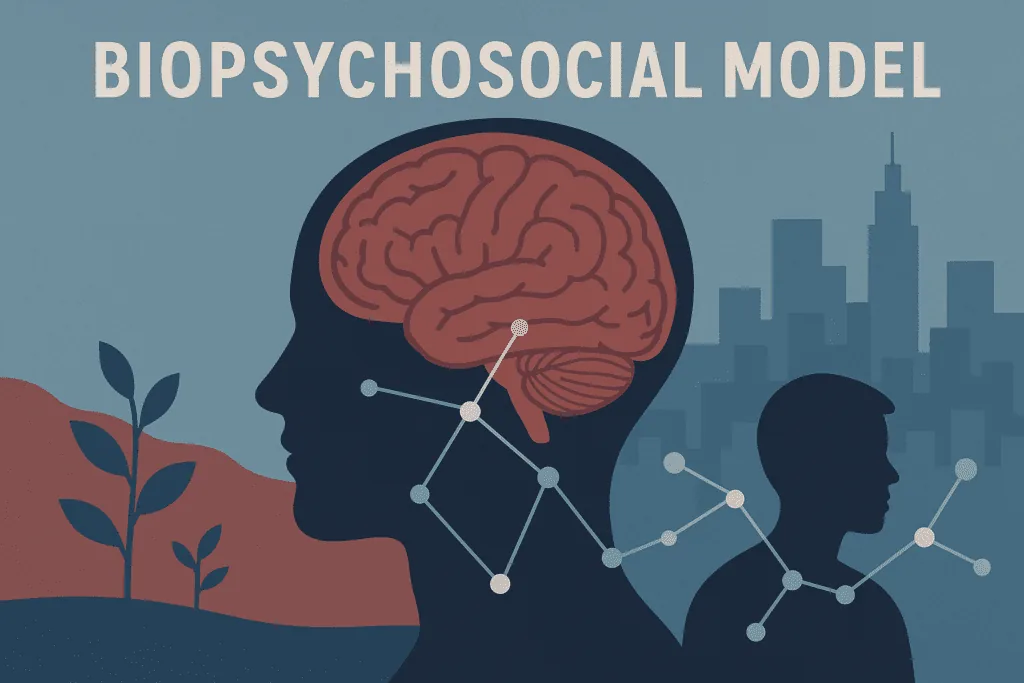
The Prefrontal Cortex Insight: How Decision-Making Changes When You Separate Self-Worth From Career
Your prefrontal cortex is responsible for planning, decision-making, and impulse control, and is the brain region most involved in self-reflection. When you overidentify with work, your prefrontal cortex becomes hijacked by threat and status concerns, filtering every decision through career impact rather than authentic desire. Stop making work your identity and your prefrontal cortex gains freedom to pursue genuine goals.
When you separate self-worth from career, your prefrontal cortex gains freedom. Research on decision-making shows that the prefrontal cortex operates most effectively when it’s not overwhelmed by amygdala-driven threat signals. When you genuinely believe that your worth as a person isn’t dependent on your job performance, your threat system down-regulates. To separate self-worth from career means your amygdala relaxes. Your prefrontal cortex can engage in genuine deliberation about what you actually want. When you stop making work your identity, your prefrontal cortex can finally assess options based on authentic values rather than fear.
From a business psychology angle, this explains why some of the most innovative leaders and entrepreneurs are those who have learned to separate self-worth from career. When your decision-making isn’t constrained by status anxiety, you can see opportunities others miss. You can take calculated risks without catastrophizing. You can adapt to market changes without experiencing them as personal threats. The ability to stop making work your identity enables the flexibility that markets reward. Sociologically, this connects to research on psychological safety and organizational performance. Teams where members feel secure enough to take interpersonal risks, admit mistakes, and propose unconventional ideas outperform teams where everyone is frantically protecting their professional status.
This dynamic leads to better decisions in your personal life too. People who have successfully separated their identity from their work report making career choices based on genuine interest and values rather than fear or status seeking. They take on projects that excite them rather than projects that look impressive. They pursue work that aligns with their broader life goals rather than work that maximizes their title or salary. When you learn to separate self-worth from career, you discover what you actually want versus what you think you should want. The neuroscience is elegant: when you stop making work your identity, your brain’s decision-making systems function better. You become clearer about what you want. You become more creative because creativity requires psychological safety and freedom from constant threat monitoring that comes from allowing work to become your total identity.
Building Multidimensional Identity: The Neuroscience of Diverse Self-Concept
Neuroscience research on self-concept reveals that your sense of self is not fixed but a dynamic process shaped by social context and intentional practice. The brain creates identity through narrative memory, and these narratives can be deliberately rewritten. To stop making work your identity means building a multidimensional sense of self across meaningful domains.
The research on self-concept organization shows something fascinating: the more dimensions your identity contains, the more resilient you become. If your identity is composed entirely of your work role, then anything that threatens that role threatens your entire sense of self. Building an abundance mindset helps counteract this scarcity thinking. But if your identity is spread across multiple meaningful domains, a threat in one area becomes manageable because other parts of your identity remain intact and secure. When you deliberately work to separate self-worth from career, you’re building this distributed identity. This isn’t about having hobbies or side projects as stress relief. This is about genuinely building alternative identity structures in your brain. When you spend meaningful time developing your skills as a parent, pursuing creative interests, or building your role in your community, you’re literally creating new neural networks around those identities. To separate self-worth from career means your brain begins to perceive you as “someone who is a great parent” and “someone who is creative” and “someone who makes a difference in their community” with the same conviction it previously reserved only for your work role.
From an evolutionary perspective, this multidimensional identity structure actually returns you to ancestral conditions. In tribal societies, people held multiple simultaneous identities: family member, community participant, spiritual practitioner, craftsperson, and story keeper. Your brain evolved to hold complex, multifaceted identities. Modern work culture represents the aberration, not the norm. Stop making work your identity, and you will return to evolutionary alignment. Business psychology increasingly recognizes that employees with multidimensional identities experience lower burnout and higher life satisfaction. Sociologically, cultures that value diverse identity expressions report better mental health outcomes across all demographic groups. By stopping the practice of defining yourself solely by your work and instead developing a multidimensional identity, you are returning to a way of being that is more aligned with evolutionary principles.
Over time, through the neuroplasticity principle that whatever you practice consistently your brain rewires itself to strengthen, these alternative identities become as real and meaningful as your professional identity. Your sense of self becomes distributed across multiple networks rather than concentrated in one. When you learn to separate self-worth from career through building diverse identities, you create psychological resilience at the deepest neurobiological level. The practical implication: when something threatens your work identity, the impact is contained. Your overall sense of self remains secure because your identity is rooted in multiple places. To separate self-worth from career is to build this distributed security. This is true resilience.
Dopamine: Retraining Your Brain’s Reward System
One of the most important insights for understanding how to stop making work your identity involves dopamine. Dopamine is often misunderstood as the pleasure chemical, but neuroscience reveals it governs motivation and salience. When you fail to separate self-worth from career, your dopamine system becomes entirely tuned to work rewards, prioritizing professional validation above all other sources of satisfaction.
When you separate self-worth from career, you’re not trying to care less about your work. To stop making work your identity means retraining your dopamine system to distribute its attention more broadly. You’re deliberately engaging in activities that provide non-work dopamine rewards. Meaningful time with loved ones triggers dopamine. Creative expression triggers dopamine. Contributing to your community triggers dopamine. Physical challenge and athletic achievement trigger dopamine. Learning something purely for the joy of learning triggers dopamine. When you work to separate self-worth from career, you restore dopamine flow to its natural diversity.
From an evolutionary standpoint, this dopamine retraining actually restores your brain to its original design. Your ancestors received dopamine hits from diverse sources: successful hunts, community recognition, creative expression, spiritual experience, intimate connection, and intellectual growth. Modern work concentrates dopamine rewards into one narrow channel, creating artificial scarcity and desperation. To separate self-worth from career is to restore your brain’s natural dopamine ecology. Business psychology research shows that organizations supporting employees in accessing dopamine from multiple life domains report higher performance and lower attrition. Sociologically, this explains why countries with stronger work-life boundaries report both better mental health and higher overall productivity. When you stop making work your identity, you’re aligning with cultures that understand human neurobiological needs.
Here’s what makes this especially powerful: you can deliberately practice shifting your dopamine attention. Every time you notice yourself about to experience satisfaction from a work achievement, you practice also acknowledging the achievements happening in other areas of your life. Every time you get excited about a professional success, you deliberately also reflect on personal wins. When you learn to separate self-worth from career through dopamine retraining, you literally rewire your dopamine systems toward broader sources of satisfaction. Research on dopamine and motivation shows that people with diversified sources of dopamine reward experience more stable mood, better resilience, and paradoxically better performance in their work because they’re not desperate for validation. When you’re not dependent on work for dopamine hits, you approach it with genuine interest rather than the compulsive need that comes from failing to stop making work your identity.

Neuroplasticity: Your Brain Can Rewire Away From Work-Identity Fusion
The most liberating neuroscience principle relevant to separating self-worth from career is neuroplasticity . Your brain physically changes based on what you practice, and these changes are not metaphorical.
The process of rewiring your brain away from work-identity fusion requires the same elements that rewire your brain toward any new capability: focused practice, emotional engagement, adequate sleep, physical exercise, and sufficient repetition for the new neural pathways to stabilize. Practically, this means deliberately practicing a different relationship with your work identity. When you find yourself about to make a decision primarily based on career status, you practice pausing and asking, “What do I actually want here, independent of what looks impressive?” When you accomplish something at work, you practice consciously acknowledging it without allowing it to become your entire emotional focus. To stop making work your identity means responding to setbacks with self-compassion rather than catastrophe.
When you face a work setback, you practice responding with self-compassion and curiosity rather than shame and self-criticism. From an evolutionary perspective, your brain’s neuroplasticity represents one of humanity’s greatest advantages. Your ancestors’ brains rewired based on experience, allowing rapid adaptation to changing environments. Modern people often assume their patterns are fixed, but neuroscience confirms that throughout your entire lifespan, your brain maintains the capacity to reorganize. When you learn to separate self-worth from career, you’re accessing this profound evolutionary capability. Business psychology research on executive development shows that neuroplasticity-based interventions produce lasting behavioral change when they involve deliberate practice and emotional engagement. To separate self-worth from career through neuroplasticity is to become genuinely free.
Sociologically, cultures that emphasize personal growth and self-transcendence report better mental health outcomes, suggesting that believing in the possibility of change actually facilitates that change. This isn’t positive thinking or denial. This is deliberate neural rewiring. You’re training your brain’s attention systems and your self-related neural networks to operate differently. Over weeks and months of consistent practice, these new neural patterns strengthen. Your brain literally rewires itself. What once felt like impossible mental gymnastics becomes your new default. When you stop making work your identity through sustained intentional practice, the growth becomes neurobiologically inevitable. The timeline for neuroplasticity varies, but research suggests that meaningful brain reorganization around identity typically requires weeks to months of consistent practice. Your brain doesn’t rewire overnight, but it does rewire reliably when you provide the right conditions.
The Amygdala’s Role: Understanding Your Brain’s Status Monitor
Your amygdala doesn’t just process threat and fear; it also monitors your social status constantly. When you overidentify with work, your amygdala’s status monitoring becomes hyperactivated, perceiving job security as a matter of survival. This process explains why a critical email can trigger the same neural alarm as physical danger, and why stopping the what-ifs matters for recovery.
When you separate self-worth from career, you’re essentially training your amygdala to perceive job-related challenges differently. You’re teaching your threat-detection system that your core identity and safety aren’t actually threatened by work challenges. This takes time because your amygdala learns through experience and repetition. When you deliberately stop making work your identity, you’re providing your amygdala with repeated evidence that career challenges don’t threaten your core worth. Research on attachment and threat perception reveals that people with secure attachment styles experience lower amygdala activation to potential threats. Similarly, when you build security through a multidimensional identity and genuine self-worth that isn’t dependent on work, your amygdala down-regulates around work-related challenges. Your brain stops perceiving every work situation as a potential catastrophe when you successfully separate self-worth from career.
From an evolutionary angle, your amygdala’s status monitoring actually served critical functions in tribal societies where social exclusion meant death. But modern employment doesn’t work that way. You can lose your job and still survive. You can fail professionally and still matter. Your amygdala hasn’t evolved to recognize this new reality, so your conscious brain must teach it through repeated experience. To separate self-worth from career is to educate your amygdala about modern reality. Business psychology research on psychological safety shows that teams where people feel secure in their value experience lower amygdala reactivity and better performance. Sociologically, this connects to research on social trust and well-being. Societies where people feel secure in their fundamental worth report better mental health outcomes regardless of economic status.
Practically, this means that as you build alternative sources of identity and security, you literally become less reactive to work stress. Your nervous system becomes more regulated. Your emotional responses become less intense. This isn’t weakness or lack of motivation. This is genuine resilience built at the neurobiological level. When you stop making work your identity, your amygdala is learning through direct experience that your worth doesn’t depend on your job, and as it learns this truth, your threat responses naturally decrease. The more you practice separating self-worth from career, the more automatic this amygdala retraining becomes.
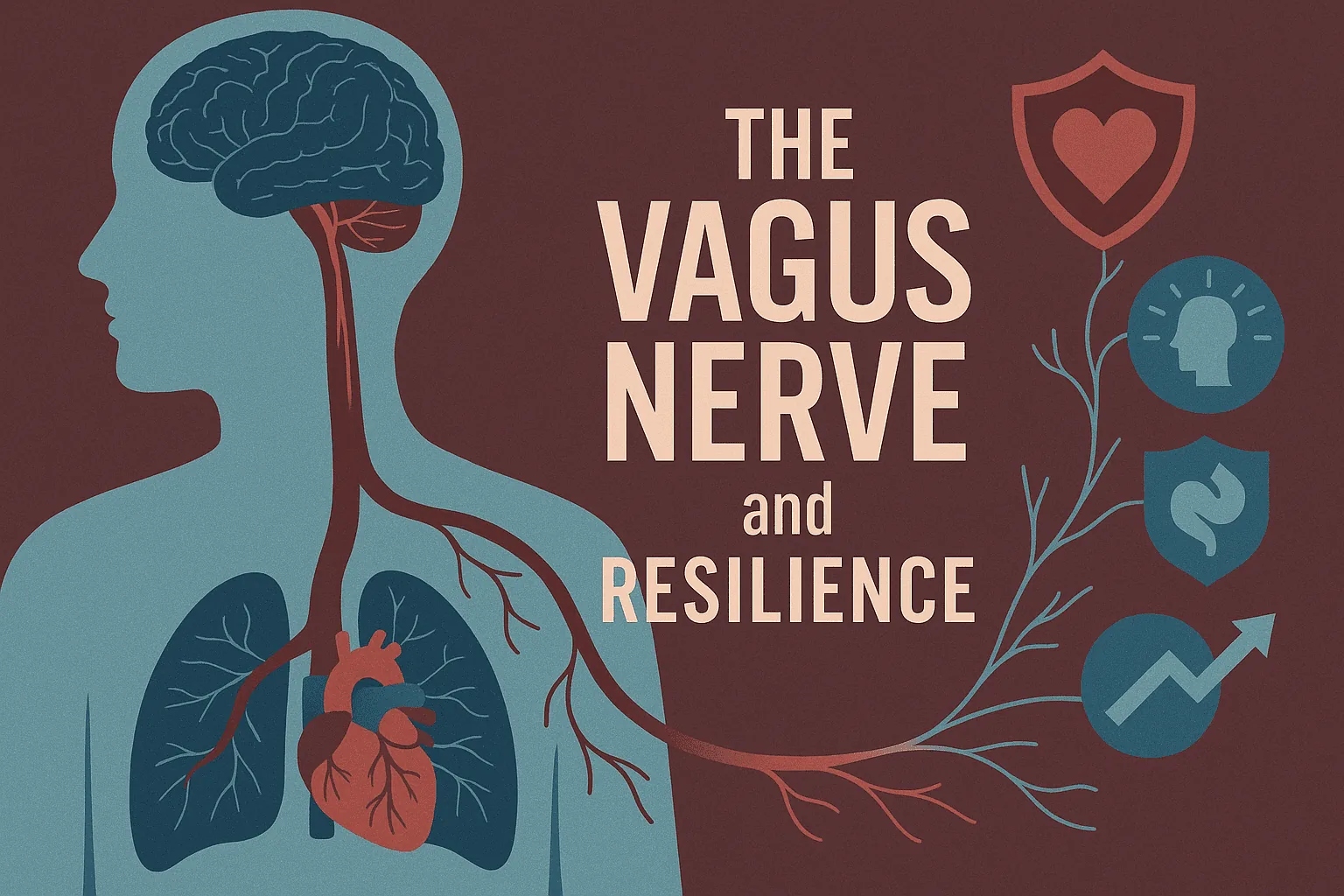
The Vagus Nerve and Resilience: Building Your Nervous System’s Calm Capacity
Your vagus nerve is a critical component of your parasympathetic nervous system, responsible for activating rest-and-digest states and carrying safety signals from body to brain. Your vagal tone directly predicts your resilience and capacity to recover from stress. When you learn to separate self-worth from career, you directly strengthen this vagal tone and restore parasympathetic flexibility.
They ruminate. They struggle with emotional regulation. When you spend years overidentifying with work and allowing work stress to become your dominant experience, your vagal tone diminishes. Your nervous system loses its flexibility. You find yourself chronically activated, unable to genuinely rest. To separate self-worth from career means deliberately activating the vagal tone that work-identity fusion suppresses. When you separate self-worth from career and build a more balanced life with multiple sources of meaning and identity, you naturally activate your vagal tone. Time spent in genuine connection with loved ones activates your vagus nerve. Time spent in creative expression activates your vagus nerve. Time spent in physical movement and nature activates your vagus nerve. Meaningful community participation activates your vagus nerve.
From an evolutionary perspective, your vagus nerve connects directly to your social engagement system. In tribal societies, you spent most of your time in social connection, which naturally maintained high vagal tone. Modern isolated work and constant threat activation from work-identity fusion represents a radical departure from your evolutionary norm. When you stop making work your identity, you restore conditions that naturally strengthen your vagal tone. Business psychology increasingly recognizes that organizations supporting vagal tone activation through connection and community report lower burnout and higher performance. Sociologically, research on community participation and mental health shows that people engaged in meaningful collective activities experience better mental health regardless of employment status. When you deliberately separate self-worth from career, you’re investing in vagal tone restoration.
As you consistently activate these parasympathetic states, your vagal tone improves. Your nervous system becomes more flexible. You develop genuine resilience, not just the ability to push harder, but the ability to recover and regenerate. This improved vagal tone then extends into your work life, making you more effective and less reactive to workplace stress. When you stop making work your identity and instead invest in practices that activate your vagal tone, you’re rebuilding the nervous system flexibility that your ancestors maintained naturally through their lifestyle patterns. The more you practice separating self-worth from career, the more your entire nervous system recalibrates toward genuine well-being.
Social Connection: The Neurobiology of Identity Beyond Work
Humans are fundamentally social creatures whose brains evolved in the context of relationships. Research on social baseline theory reveals that people with secure social connections experience lower baseline threat activation in their amygdala. Having trusted people who value you beyond your professional role is deeply protective.
They build community connections based on shared interests rather than professional networking. These relationships serve a crucial neurobiological function. When people in your life relate to you as a complete human rather than as a professional role, they activate different neural systems in your brain. You experience yourself differently in their presence. Your brain begins to build identity circuits that aren’t dependent on professional achievement. Your threat system down-regulates because you have genuine social security independent of your job status. When you work to stop making work your identity, your social connections strengthen naturally.
From an evolutionary standpoint, your brain evolved to maintain identity through kinship and community relationships, not through professional achievement. Your ancestors never experienced the phenomenon of deriving primary identity from a job title. They derived identity from their family role, their community role, their spiritual role, their creative role. When you separate self-worth from career and deliberately invest in multiple social relationships, you’re actually restoring your brain to its evolutionary design. Business psychology research on social connection at work shows that employees with strong social ties experience lower burnout and higher engagement. To stop making work your identity means cultivating these ties outside professional context. Sociologically, research on collectivist versus individualist cultures reveals that people living in connection-based cultures report better mental health even when facing equivalent economic challenges.
This is why building meaningful relationships outside your professional life is one of the most effective ways to separate self-worth from career. You’re not just having better experiences. You’re literally rewiring your brain’s identity systems through these relationships. Your brain learns to recognize you as valuable in multiple social contexts, not just in your professional role. This builds genuine psychological security that no job title can threaten when you truly stop making work your identity. The investment in non-work relationships is one of the most powerful tools for separating self-worth from career.
Practical Strategies: How to Stop Making Work Your Identity
Understanding the neuroscience is essential, but change happens through deliberate, consistent practice. Here are practical strategies grounded in neuroscience and neuroplasticity research that help you separate self-worth from career and stop making work your identity through targeted daily behavioral shifts that rewire your brain over time.
First, identify your non-work identity anchors.
These are areas of your life where you can develop genuine competence outside your profession. To stop making work your identity requires building robust alternatives through parenting, athletic pursuits, creative expression, or community involvement. Choose three to five identity anchors with genuine emotional significance, and work to build a success-focused mindset around them.
Second, practice deliberate attention shifting.
Your brain rewires in the direction of your sustained attention. When you experience a work win, consciously practice also attending to non-work wins from that same day. This deliberate retraining of your attention systems is not distraction or denial. To stop making work your identity means practicing this attention shift daily until your neural defaults restructure.
Third, establish clear boundaries between work and non-work time.
Your brain needs genuine periods where it is not processing work-related information. When you remain in perpetual work availability, your brain never shifts out of work-identity mode. To separate self-worth from career requires establishing real boundaries that allow non-work identity systems to activate and strengthen over time.
Fourth, practice self-compassion around work challenges.
Your amygdala learns through experience. When you face work difficulties with shame, your amygdala encodes them as core identity threats. When you respond with curiosity and self-compassion instead, your amygdala learns that work challenges are problems to solve, not reflections of your worth. This recalibration shifts your entire nervous system over time.
Fifth, deliberately activate your parasympathetic nervous system through practices that strengthen your vagal tone.
This might include time in nature, physical movement, breathwork, meditation, creative expression, or meaningful social connection. To separate self-worth from career requires consistent vagal activation. These are not optional mental fitness practices but essential tools for rewiring your nervous system away from work-identity fusion.
Sixth, develop a deliberate practice around identity language.
Notice when you describe yourself entirely through your work role. To separate self-worth from career means changing your self-narrative consciously. Your brain literally reorganizes around the narratives you consistently use about yourself, so practicing expansive identity language trains your brain to hold a more complex sense of self.

Moving Beyond Work-Identity Fusion
The journey to separate self-worth from career is not about caring less or lowering professional standards. Outstanding leaders understand the raw reality of pursuing their dream with genuine interest rather than desperate validation-seeking. When you stop making work your identity, you develop psychological flexibility and build resilience that no career setback can threaten.
From an evolutionary perspective, this growth returns your identity system to its ancestral design. Your brain evolved to hold multiple simultaneous identities rooted in relationship and community, not concentrated in professional achievement. When you separate self-worth from career, you’re actually making yourself psychologically more modern in an ancient way. To stop making work your identity means restoring your brain to conditions it evolved under. Business psychology confirms that people and organizations benefit profoundly when work becomes one important domain among many, not the totality of human identity. Sociologically, the most resilient cultures are those where people’s identities remain multidimensional and where social worth isn’t entirely determined by economic productivity.
You strengthen your relationships and your connection to communities beyond your professional world. You experience your work as something meaningful you do rather than as something that defines who you are. Your brain has the neuroplasticity to make this shift. Your nervous system has the capacity to develop genuine resilience. You have the ability to build a multidimensional identity where your work occupies an important but not all-consuming place. The neuroscience is clear: this growth is possible at any point in your life. When you genuinely commit to separating self-worth from career, the question is not whether you can change but when the change will accelerate.
The question is not whether you can change. The question is whether you’re ready to practice the small, deliberate shifts that allow your brain to rewire itself away from work-identity fusion. To stop making work your identity requires commitment, but the neuroscience guarantees results. The most profound shift happens when you internalize a simple truth that neuroscience confirms: you are not your job. You are a complete human being with inherent worth that exists independent of your professional achievements. Your brain is capable of learning to operate from that reality. Your nervous system can be retrained. Your identity can be expanded. When you separate self-worth from career, your resilience can be rebuilt from the foundation upward.
The work of separating self-worth from career and learning to stop making work your identity is some of the most important personal development work you can undertake because it touches every dimension of your life. When you successfully stop making work your identity, everything else becomes possible. You experience genuine freedom. You make better decisions. You build stronger relationships. You access deeper creativity. You develop authentic resilience that carries you through any circumstance. The neuroscience, evolutionary perspective, and lived experience of thousands of people confirm this truth. To separate self-worth from career is to reclaim your humanity. Your identity is not your job. Your identity is infinitely larger and more complex and more precious than any professional title. When you allow yourself to live from that truth, your entire life transforms. When you stop making work your identity, you finally become free to become fully yourself.
How MindLab Neuroscience Helps You Separate Self-Worth From Career
At MindLab Neuroscience, the approach to helping clients separate self-worth from career is rooted in cutting-edge neuroplasticity and personalized dopamine regulation. The difference starts with a focus on optimizing your brain’s ability to change, and that means you’re not just “talking about” new habits but actively restructuring deep identity pathways for lasting growth.
Through one-on-one practice, workshops, and online programs, clients learn to develop a separate self-concept built on multiple domains of fulfillment, not just professional achievement. Programs guide you to identify core values, strengthen diverse personal roles, and practice evidence-based strategies that accelerate neural rewiring. The process includes sculpting a “personalized dopamine menu”: an actionable blueprint for non-work rewards that activate healthy motivation and pleasure circuits. This unique protocol helps you retrain your brain, find true balance, and stay intrinsically motivated whether work is thriving or in transition.
MindLab’s science-backed protocols have been refined for executives, high achievers, and growth-focused professionals, so every step feels relevant and practical. No other program blends evolutionary neuroscience, positive psychology, and relational insight with real-world tools designed for modern challenges. As a result, clients experience authentic change: enhanced resilience, greater happiness, and a multidimensional self-concept that adapts confidently to all of life’s shifts.
Why does my brain fuse my identity with my job title?
Your brain’s default mode network builds self-concept from repeated neural patterns, and if your daily experience revolves around work, those circuits dominate your identity architecture. The ventromedial prefrontal cortex maps “who you are” onto whatever activities occupy the most neural real estate. Evolutionarily, role and identity merged because survival depended on tribal function. In modern life, that same wiring makes job loss feel like an existential threat. Rewiring requires deliberately activating identity circuits through non-work experiences.
What happens neurologically when I lose a job I over-identified with?
When you lose a role fused with your sense of self, your amygdala fires a genuine threat response, flooding cortisol and norepinephrine as if you face physical danger. The anterior cingulate cortex activates in regions that register physical pain. Meanwhile, your dopamine reward circuits lose their primary reinforcement source overnight. This neurochemical cascade explains why career loss triggers grief indistinguishable from losing a loved one.
How can I build a sense of self that doesn’t depend on career success?
Building a multidimensional identity requires activating diverse neural networks through varied, meaningful experiences. When you invest in relationships, creative pursuits, physical movement, and personal growth, your prefrontal cortex builds parallel self-concept circuits that remain stable when one area shifts. Neuroplasticity strengthens these alternative pathways within weeks of consistent engagement. The key is regularity, because your basal ganglia automate whatever you repeat, distributing neural investment so no single loss destabilizes your sense of self.
Can high achievers separate self-worth from career without losing their drive?
Absolutely, and the neuroscience supports this conclusion. When your prefrontal cortex operates from intrinsic motivation rather than identity-threat avoidance, executive function sharpens. Dopamine tied to genuine curiosity produces more sustained focus than dopamine driven by status fear. High achievers often report stronger performance after decoupling worth from outcomes because working memory is no longer hijacked by self-protective rumination. Your drive becomes cleaner and more resilient when the amygdala stops scanning for identity threats.
How long does it take to rewire work-identity fusion in the brain?
Meaningful neural pathway restructuring typically begins within four to six weeks of consistent, deliberate practice. Every time you consciously engage in identity-affirming activities outside work, you strengthen alternative prefrontal circuits and weaken automatic fusion patterns in the basal ganglia. Most people notice a significant shift in how they introduce themselves and respond to career setbacks within two months, with deeper structural rewiring continuing over six to twelve months.
References
- Steger, M. and Dik, B. (2010). Work as meaning: individual and organizational benefits of engaging in meaningful work. In P. Linley, S. Harrington and N. Garcea (Eds.), Oxford Handbook of Positive Psychology and Work, Oxford University Press.
- Harter, S. (2012). The Construction of the Self: Developmental and Sociocultural Foundations (2nd ed.). Guilford Press.
- Arnsten, A. (2015). Stress weakens prefrontal networks: molecular insults to higher cognition. Nature Neuroscience, 18(10), 1376-1385.
- Cacioppo, J. and Patrick, W. (2008). Loneliness: Human Nature and the Need for Social Connection. W. W. Norton.
From Reading to Rewiring
Understand the neuroscience of work-identity fusion. Apply it to your life. Work directly with Dr. Sydney Ceruto to build a personalized strategy.
Schedule Your Strategy Call