Key Takeaways
- High performers are not immune to anxiety: elevated prefrontal capacity runs more elaborate threat scenarios.
- Achievement does not reduce anxiety; it often increases it, since each success raises the stakes.
- Performance-driven identity amplifies anxiety: every performance gap becomes an identity threat processed at the amygdala.
- High performer anxiety is rarely the immediate situation but downstream consequences their threat-monitoring system extrapolates.
- Anxiety reduction requires decoupling performance from identity at the circuit level, not reducing performance.
Why Your Success Might Be Making You More Anxious
Rising to the top of your field while crushing ambitious goals should feel triumphant. Yet many high-achieving professionals experience persistent anxiety alongside their success. The very qualities fueling achievement (dedication, attention to detail, relentless drive) can simultaneously prime your brain for chronic worry, making anxiety relief for high performers a necessary focus.
Modern neuroscience reveals that anxiety relief for high performers is not just about calming nerves or thinking positively. Instead, it’s about rewiring your nervous system’s response to everyday pressure. Ask yourself: does your mind fixate on what could go wrong, even after a win? Do small setbacks trigger big worries about your reputation or ability? You’re not alone. The very qualities fueling achievement (dedication, attention to detail, drive) can also prime your brain for anxiety.
Anxiety relief for high performers starts with understanding your unique neurology. The pathways supporting strategic thinking and resilience can sometimes overfire, leading to chronic worry and self-doubt. The stress response system that evolved to handle acute threats is poorly suited to the chronic, low-grade pressure of modern professional environments. This isn’t a shortcoming; it’s a sign your brain is working exactly as nature intended, just a little too well for the modern workplace, a core theme in the brain science of stress and nervous system regulation.
Your Brain on Achievement and Anxiety
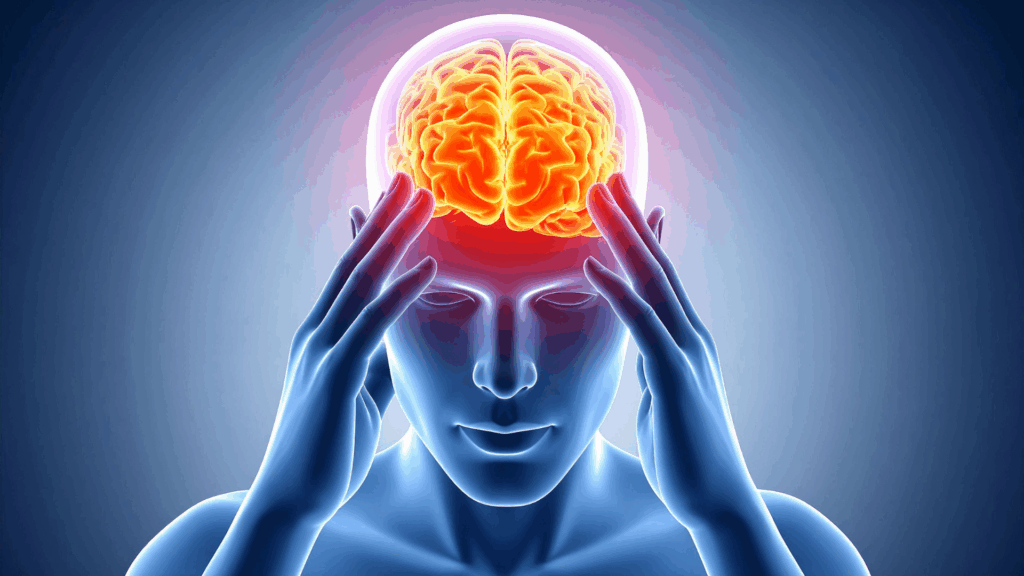
The amygdala, your brain’s internal alarm system, was built to detect threats and launch fight-or-flight responses, crucial for ancestral survival. Modern careers present abstract threats such as missed deadlines or public critique that activate the same ancient circuitry. This system was designed for immediate danger, not the relentless low-level pressure that characterizes professional life.
Neuroscience shows that when anxiety strikes, your amygdala takes the reins and reduces activity in your prefrontal cortex. That’s the part responsible for logical thinking and decision-making: the edge you rely on. So, in the heat of an anxious moment, your ability to calmly solve problems drops, even if you’re usually the calmest person in the room.
Here’s where dopamine comes in. This “feel-good” neurotransmitter motivates you to chase achievement and reward. High performers often experience pronounced dopamine surges with accomplishments, reinforcing the drive for more. But your brain quickly resets, needing bigger wins for the same level of satisfaction and anxiety relief for high performers. This endless chase leaves you feeling unsettled, craving another hit of success just to stay balanced.
Add to that cortisol, the body’s chief stress hormone. Small spikes sharpen focus and boost performance, but relentless elevation wrecks sleep, drains energy, and even harms memory. Research links high cortisol directly to impaired learning and heightened anxiety, a critical clue for anyone seeking lasting anxiety relief for high performers.
The Evolutionary Mismatch Driving Anxiety
Anxiety evolved to signal threats and preserve social standing in ancestral environments where exile meant death. Modern careers bombard your nervous system with ambiguous stressors that trigger the same survival circuits. Social setbacks (negative reviews, awkward presentations) register as existential threats because your nervous system cannot distinguish ancient danger from contemporary professional pressure.
Dr. Sydney Ceruto has built dedicated anxiety support for high achievers whose success and anxiety are wired into the same circuits.
High performers in Arizona can bring the same neuroscience to leadership pressure by working with an executive coach in Phoenix.
Modern careers bombard you with ambiguous and chronic stressors. Instead of running from lions, you’re facing endless emails, shifting expectations, and competitive peers. The brain’s anxiety system, tuned for acute dangers, now fires constantly. It wasn’t built for relentless uncertainty, so true anxiety relief for high performers requires more than just positive thinking: it calls for a deep nervous system reset.
The body cycles through three autonomic states: social connection (calm focus), fight/flight (stress activation), and freeze/shutdown (overwhelm). Anxiety relief for high performers requires more time in that socially connected state, but most jump between overdrive and collapse, rarely pausing to feel truly safe or restored.
Why Standard Anxiety Advice Isn’t Enough
High achievers often report that popular stress tips simply don’t work for them. When someone suggests lowering your standards or working less, it can feel disconnected from your reality and goals. Anxiety relief for high performers is about supporting your ambitions, not dimming your drive.
Work-life balance, while important, doesn’t touch the root issue. You can sit on a beach and still feel anxious if your brain is stuck in threat mode. Anxiety relief for high performers means retraining your nervous system, not simply escaping your environment or ignoring your ambitions.
Typical advice like “just relax” or “breathe deeply” often fails ambitious professionals. A few slow breaths aren’t enough to rewire the deep neural circuits behind high-functioning anxiety. You need targeted, science-based tools designed for tricky professional stress: the kind that takes ambition and turns it against you. That’s what true anxiety relief for high performers is all about.

The High Performer Anxiety Profile
Here’s what anxiety often looks like for driven achievers: hyper-productivity, endless preparation, trouble delegating, and feeling unable to switch off. Sometimes it’s disguised as “motivation” or “passion,” but underneath, it draws its power from fear of not being “enough.” Knowing your unique profile is step one for effective anxiety relief for high performers.
A classic pattern? Imposter syndrome. Despite proven talent, many high performers battle chronic self-doubt and credit their achievements to luck. Neuroscience shows imposter syndrome lights up threat-detection in the brain, making reassurance from others almost impossible to absorb. Anxiety relief for high performers must tackle these deep neural misfires, not just surface confidence tricks.
This overlaps closely with how imposter syndrome affects high performers at the neural level.
Another trap is productivity guilt: when leisure time or quiet moments trigger discomfort instead of relaxation. For many high achievers, stillness feels unsafe because your brain has equated safety with constant achievement. Again, real anxiety relief for high performers starts by retraining these patterns.
Perfectionism and anxiety also go hand-in-hand. Your prefrontal cortex (in charge of cognitive control) works overtime, monitoring every risk and mistake. Instead of supporting excellence, it becomes rigid and critical, fueling more anxiety. Breaking this loop is vital for sustainable anxiety relief for high performers.
Your Nervous System, Threat Mode, and Vagus Nerve
The key to unlocking anxiety relief for high performers lies in regulating your nervous system . At the center is the vagus nerve, which runs from your brainstem to your organs, relaying messages about safety and stress. If your breathing is shallow, your muscles tense, and your heartbeat rapid, your vagus nerve signals danger to the rest of your body.
That ongoing alert status doesn’t just echo your stress; it creates more of it. Your body shapes your mind, sending feedback to your brain to stay on high alert. That’s why strategies like breathing, humming, and even cold water are powerful. They directly stimulate your vagus nerve, bringing immediate anxiety relief for high performers by flipping the switch from threat to calm.
Chronic stress can keep your system stuck. Low heart rate variability, the ability to switch between stress and recovery, is a hallmark of intense anxiety. Anxiety relief for high performers must be about restoring flexibility in your nervous system, allowing you to shift gears smoothly between challenge and rest.
Practical Neuroscience-Based Techniques That Work
Real anxiety relief for high performers isn’t just about changing thoughts: it’s about changing your biology. Neuroplasticity, your brain’s ability to form new habits, makes this possible at any age. The best methods address everything from stress hormones to thought patterns, supporting you in maintaining both your ambition and your wellbeing.
Start with vagal toning: splash cold water on your face, use a cold compress, or try a quick ice bath. These reset your heart rate and bring quick anxiety relief for high performers by activating your “rest and digest” system, not just calming you in the moment.
Vocal exercises like humming and singing also activate the vagus nerve and bring reliable anxiety relief for high performers. Try humming for five minutes; focus on deep, vibration-rich tones. This isn’t about being a great singer: it’s about giving your nervous system a new reference for what safety feels like.
Diaphragmatic breathing is crucial. Shallow breaths trigger stress; deep belly breathing with longer exhales triggers calm. Breathe in for count of four, out for eight. This is a neurological reset, providing anxiety relief for high performers that builds over time.
Progressive muscle relaxation works by tensing then relaxing muscles, sending signals of safety to your brain. Go from toes to shoulders in sequence, holding tension for five seconds, then noticing the release. For many busy professionals, it’s a fast-track to anxiety relief for high performers after a tough day.
Focused-attention practice shifts your brain chemistry, strengthening the rational prefrontal cortex and dialing down the amygdala. Fifteen minutes a day, consistently, can reshape your anxiety profile, providing lasting anxiety relief for high performers.
Retraining Your Anxiety Pattern
Your brain learns by experience. Retraining the amygdala by pairing situations that spark anxiety with new safety signals is a well-established approach, called “exposure with safety”, and is key to anxiety relief for high performers. Before a stressful meeting, practice deep breathing or humming, paying attention to how your body feels. The underlying research is covered in the neural patterns behind rewire your anxious brain.
Track your predictions and actual outcomes. Did things go as badly as you feared, or did your skills prevail? Keeping a log can teach your brain to update its internal sense of danger. For true anxiety relief for high performers, pay attention to your body’s signals: often, your anxious thoughts will overestimate threats but underestimate your real abilities.
Deliberately build moments of calm and connection into daily life. Genuine social time, moments in nature, or playful activity are potent anxiety relief for high performers. They work not because they “distract” you, but because they retrain your nervous system for safety, making it easier to return to calm even amid stress.
Recovery is Essential for High Performance
Anxiety relief for high performers depends on honoring recovery, not just striving endlessly. Sleep is the foundation. The brain clears away anxiety chemicals during deep sleep, and regular rest resets your threat response. Six hours a night isn’t enough: eight is the gold standard.
Work in focused bursts, then take short recovery breaks. Every 60-90 minutes, hit pause for five minutes: stretch, walk, breathe, or connect with someone. Rest isn’t laziness: it’s a performance tool. Strategic rest throughout the day means more sustained focus, and less burnout.
Physical movement matters. Intense exercise helps burn off stress hormones; gentle walks calm the system. Match your movement to your current stress state, and remember, your body was built to move as much as it was built to think. Consistent movement is foundational.

Breaking the Perfectionism-Anxiety Loop
Perfectionism is both a shield and a trap. It promises safety, but it ends up fueling anxious thoughts. Anxiety relief for high performers means shifting from rigid standards to purposeful excellence. Practice “strategic imperfection”: choose small tasks to do at 80 percent instead of 100. Track outcomes. Notice that imperfection rarely leads to disaster, and plenty of good work gets done.
The goal is not abandoning excellence but recognizing where it matters most. Direct perfectionist energy to projects that require it, and let go elsewhere. This frees mental space and supports lasting anxiety relief for high performers.
Develop discernment: a skill for knowing where effort is best spent. This saves emotional energy and lowers anxiety about being “good enough.” Strategic imperfection, paired with excellence, is a hallmark of resilient high performers.
Building a Sustainable Practice
Lasting anxiety relief for high performers means consistent practice, not perfection. Choose one or two new habits (like breathing or humming), and anchor them to a morning routine or transition. This builds stability and helps new neural pathways take hold.
Track your progress. Rate your anxiety each day, and celebrate improvements, even if small. Accept that some days will be harder than others. Anxiety ebbs and flows based on sleep, stress, and countless factors. The goal is resilience: the ability to navigate life’s highs and lows with less distress, thanks to science-based anxiety relief for high performers.
Consider working with a well-trained neuroscience-based practitioner who understands ambitious people. Support tailored to your world can accelerate results and help you maintain momentum. The best professionals understand your drive and help you regulate, not reduce your ambition: key to anxiety relief for high performers.
Your Path Forward
Anxiety does not have to be your “price” for success. The same wiring that powers ambition can also be trained for calm. With neuroscience-based strategies aimed specifically at high-functioning anxiety, lasting calm is not only possible but sustainable.
Understanding the neuroscience behind your anxiety empowers you to address root causes rather than just managing indicators. Effective relief isn’t about lowering your standards or abandoning your ambitions. It’s about training your nervous system to support your performance rather than undermine it. You can be ambitious, driven, and successful while also feeling genuinely calm. These states aren’t mutually exclusive when your nervous system is properly regulated.
The practices and principles outlined here provide a foundation, but remember that sustainable change happens through consistent application over time. Your anxiety patterns developed through years of experience and won’t transform overnight. That’s not a limitation: it’s simply how neuroplasticity works. Each time you practice vagal toning, reality test an anxious thought, or take a genuine recovery break, you’re creating new neural pathways. With repetition, these new pathways become stronger than the old anxiety patterns, delivering real anxiety relief for high performers.
Invest in your nervous system as you would in professional development. Use techniques that work on body and mind together. Remember, every practice session rewires your brain for resilience, confidence, and high performance, minus the chronic anxiety. The same discipline you apply to mastering your craft can be directed toward mastering your internal state. You already possess the focus, consistency, and determination required; now you have the knowledge to channel those qualities toward genuine, lasting calm.

This journey is personal: what works for one may not work for another. Stay curious, try new tools, and honor your experience. Notice what actually helps you feel calmer versus what you think should help. Trust your direct experience as valuable feedback for refining your approach. Some techniques will resonate immediately while others may take weeks to show results. Give yourself permission to experiment and adjust.
The goal isn’t to eliminate anxiety entirely or to never experience stress. Some anxiety is appropriate and even enhancing for performance. The goal is developing a nervous system flexible enough to activate when needed and recover when possible. This flexibility allows you to bring your full cognitive capacity to challenges rather than operating through an anxiety-distorted filter. When your threat detection system is properly calibrated, you can respond to genuine challenges with clarity while letting go of the countless false alarms that drain your energy.
Remember that seeking anxiety relief for high performers isn’t a sign of weakness or inadequacy. It’s an intelligent recognition that your current operating system could function more optimally. Every skill you’ve mastered required acknowledging where you started and committing to improvement. Nervous system regulation is simply another skill to develop. You already have the discipline, intelligence, and persistence required. The difference now is that you understand the biological mechanisms at play and have specific, science-based tools to work with them.
Consider this work as essential infrastructure for everything else you want to accomplish. Just as a high-performance vehicle requires quality fuel and regular maintenance, your high-performance brain requires proper regulation and recovery. Nervous system regulation becomes the foundation that supports all your other goals, making achievement feel energizing rather than depleting. When your nervous system operates smoothly, you free up mental resources currently consumed by anxiety management, allowing you to direct that energy toward creativity, innovation, and meaningful impact.
Your future can include both professional excellence and internal peace. The neuroscience is clear: your brain can change, your nervous system can recalibrate, and lasting relief is within reach when you commit to evidence-based practices. Start today with one small step: perhaps a few minutes of diaphragmatic breathing or a brief vagal toning exercise. Each small action compounds over time, building the foundation for lasting transformation. Your success story doesn’t have to include chronic anxiety. Write a new chapter where achievement and wellbeing coexist, supported by the powerful tool of your properly regulated nervous system
The patterns described in this article were built through thousands of neural repetitions, and they require targeted intervention to rewire. Real-Time Neuroplasticity™ provides the mechanism: intervening during the live moments when the pattern activates, building new neural evidence that a different response is architecturally possible.
| High Performer Pattern | Neural Mechanism | Anxiety Amplifier | Recalibration Target |
|---|---|---|---|
| Success raises stakes perception | Amygdala recalibrates threat threshold upward with each achievement | Higher baseline = more to lose = more threat monitoring | Decouple stakes from identity investment |
| Elaborated threat modeling | Prefrontal capacity runs more detailed worst-case scenarios | More cognitive horsepower = more thorough anxiety | Constrain catastrophizing with probability assessment |
| Performance-contingent identity | ACC error signals when performance falls below self-standard | Every gap triggers identity-level threat response | Build identity anchors independent of output |
| Anticipatory failure processing | PFC simulates future failure scenarios to “prepare” | Brain cannot distinguish simulation from reality, cortisol rises | Limit forward simulation to actionable time windows |
“High performers are not immune to anxiety. They are targets of it. The same prefrontal capacity that builds achievement also builds more elaborate threat scenarios. Your greatest cognitive asset is producing your greatest vulnerability.”
Why do highly successful people have anxiety?
Achievement raises perceived stakes rather than resetting the threat-monitoring system. High performers face more visibility and expectations with each success, while the amygdala recalibrates its threat threshold upward relative to current stakes. Elevated prefrontal capacity means threat-modeling becomes more elaborate, generating detailed failure scenarios with significant downstream consequences. Sophistication of thinking is not protection against anxiety: for high performers, it frequently becomes its primary mechanism.
Does achieving more eventually reduce high performer anxiety?
Each new achievement produces a brief dopamine reward followed by a recalibration of the threat baseline. What was once impressive becomes the new floor; falling below it is now the threat. This hedonic treadmill effect means achievement-based anxiety relief is temporary and self-defeating, requiring continuous accomplishment at increasing levels while anxiety about not achieving compounds in parallel. The pattern continues until the underlying identity-performance coupling is addressed.
What is “performance-driven identity” and why does it amplify anxiety?
Performance-driven identity is a neural pattern in which self-concept is contingent on output: who you are is what you produce. When output falls below standard (as it inevitably does), the gap triggers not just disappointment but an identity-level threat response, the amygdala processes the performance failure as a threat to the self.
Can anxiety relief be achieved without becoming less driven?
Yes, and this is the critical point for high performers who are concerned that addressing anxiety will reduce their edge. The anxiety that comes from performance-driven identity is not the source of high performance; it is a cost of it. The optimal performance state involves sufficient motivational drive without the threat-monitoring that interferes with creative risk-taking, clear decision-making, and genuine recovery.
Why does telling high performers to “just relax” or “manage stress” not work?
Stress management approaches, breathing protocols, scheduled recovery, limiting screen time, address the indicators of anxiety activation without touching the circuits generating it. For high performers whose anxiety is rooted in performance-contingent identity and elevated stakes perception, the anxiety regenerates between sessions because the underlying architecture is unchanged.
References
- McEwen, B. S. (2007). Physiology and neurobiology of stress and adaptation: Central role of the brain. Physiological Reviews, 87(3), 873-904. https://doi.org/10.1152/physrev.00041.2006
- Arnsten, A. F. T. (2009). Stress signalling pathways that impair prefrontal cortex structure and function. Nature Reviews Neuroscience, 10(6), 410-422. https://doi.org/10.1038/nrn2648
- Lupien, S. J., McEwen, B. S., Gunnar, M. R., and Heim, C. (2009). Effects of stress throughout the lifespan on the brain, behaviour and cognition. Nature Reviews Neuroscience, 10(6), 434-445. https://doi.org/10.1038/nrn2639
- McEwen, B. S., and Morrison, J. H. (2013). The brain on stress: Vulnerability and plasticity of the prefrontal cortex over the life course. Neuron, 79(1), 16-29. https://doi.org/10.1016/j.neuron.2013.06.028
- Diamond, A. (2013). Executive functions. Annual Review of Psychology, 64, 135-168. https://doi.org/10.1146/annurev-psych-113011-143750
- Miyake, A., Friedman, N. P., Emerson, M. J., Witzki, A. H., Howerter, A., and Wager, T. D. (2000). The unity and diversity of executive functions and their contributions to complex frontal lobe tasks: A latent variable analysis. Cognitive Psychology, 41(1), 49-100. https://doi.org/10.1006/cogp.1999.0734
From Reading to Rewiring
High performance demands sustained prefrontal activation that chronically elevates norepinephrine and cortisol, keeping the nervous system in a threat-readiness state even when no objective threat is present. Success raises the stakes and the cognitive load simultaneously, narrowing the window of tolerance. In high-achieving populations, accumulated responsibility and visibility tend to keep that cortisol baseline elevated.
Book a Strategy Call