Neurogenesis

The science of growing new neurons. Protocols to stimulate BDNF (Brain-Derived Neurotrophic Factor) and enhance plasticity throughout the lifespan.

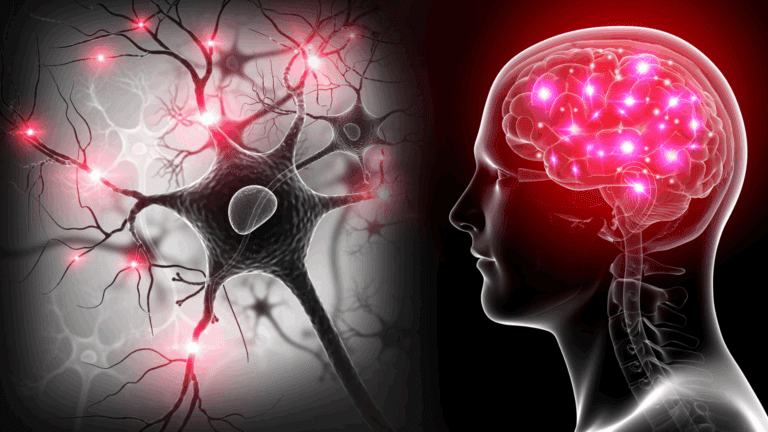
Diagram of Neurogenesis visualizing the growth of new neurons in the brain.

Executive Neuro-Brief

The Evolutionary Design
Nature designed your brain to adapt. Survival required constant learning. Food sources moved and predators changed tactics. A static brain meant death. You needed new hardware to store new information. This process allowed early humans to map new territories and remember complex threats. It is the biological mechanism that turns experience into physical structure.

The Modern Analogy
Neurogenesis is like planting new trees in a forest, adding fresh growth so the landscape can change and become richer over time. Your brain is that forest. The old trees are your long-standing habits and memories. They are sturdy but set in their ways. You need young saplings to fill the empty spaces and replace dead wood. High stress acts like a fire or drought. It kills the seedlings before they take root. If you stop planting, the forest thins out. The landscape becomes barren and cannot support new life.

The Upgrade Protocol
You must tend to the forest. Aerobic exercise acts as the fertilizer. It releases chemicals that help the new seeds sprout. Deeply restful sleep is the rain that nourishes the roots. Novelty and learning provide the sunlight. You have to clear the brush of chronic inflammation to let the saplings breathe. Keep the soil healthy. Plant new trees every day. A dense and regenerating forest is resilient against the storm.

Neuroplasticity showcasing brain's ability to adapt and change
Read More
The Miraculous Journey of Neuroplasticity in Brain Injury Recovery,
Read More
Neurogenesis illustrated with active brain neurons firing
Read More
How neurons work digital brain illustration with neural pathways.
Read More
Side profile of human brain with highlighted neural pathways representing the science behind neuroplasticity and brain structure.
Read More
The Marvel of Neuroplasticity in the Aging Brain,
Read More
The Astonishing Role of Neuroplasticity in Brain Development,
Read More

NEUROBIOLOGICAL CONTEXT

Growing New Hardware

For decades, scientists believed the adult brain could not grow new neurons. We now know that Adult Neurogenesis occurs primarily in the Hippocampus (memory) and the Olfactory Bulb. This process is essential for learning, mood regulation, and pattern recognition.

BDNF: Fertilizer for the Brain

The key driver of neurogenesis is a protein called BDNF (Brain-Derived Neurotrophic Factor).

  • The Trigger: BDNF levels are boosted by high-intensity exercise, intermittent fasting, and deep sleep.

  • The Blocker: High sugar intake, chronic stress (cortisol), and sleep deprivation suppress BDNF, effectively halting the brain’s ability to update its hardware.

Plasticity vs. Rigidity

Neurogenesis is the biological basis of a “Growth Mindset.” Without new neurons, the brain becomes rigid, relying on old pathways and habits. To change your personality or learn a complex skill, you must biologically support the birth and survival of these new cells.

×

SELECT PRE-ORDER CHANNEL

Unlock the Power of Your Mind!

Join my inner circle for exclusive insights and breakthroughs to elevate your life.

Ultimate Concierge Coaching Experience
Form

Exclusively for Those Who
Demand the Best

Limited Availability

Your Journey to Unparalleled Personal and Professional Growth Starts Here

One-on-One Exclusive Access
Form

Shape Your
Destiny

Limited Availability

A Truly Bespoke, One-on-One Journey with Dr. Sydney Ceruto

Instant Access!

Download The Influence Within and discover how small shifts lead to big transformations.