The Pressure to Be Great
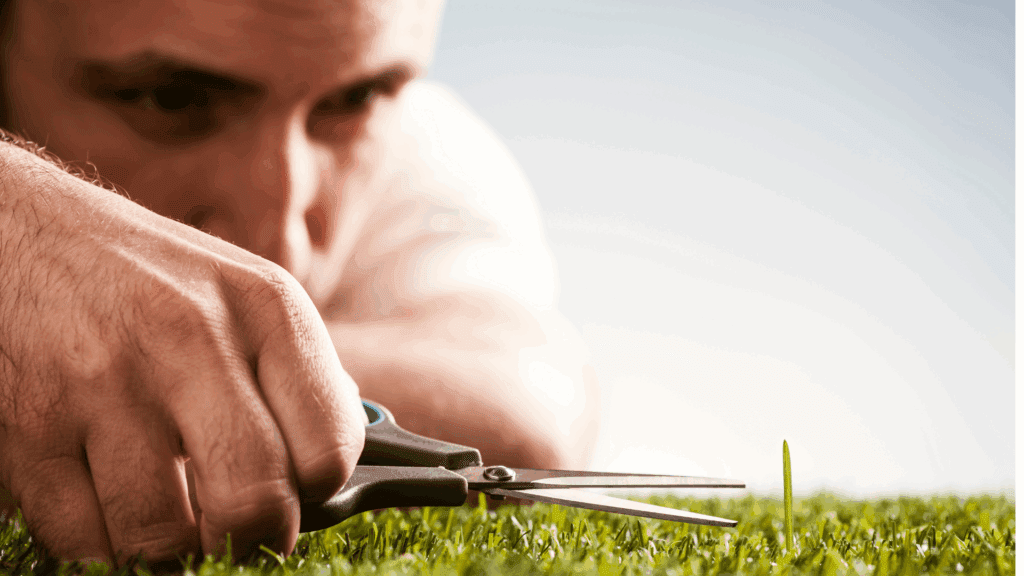
Striving for greatness is not unworthy, but the desire to be great can become a slippery slope. The pressure we place on ourselves to be special can lead to insecurity, narcissism, and decreased performance. Research by Schore (2022) found that perfectionists are 51 percent more likely to die early, and perfectionism can contribute to suicide risk.
The Neuroscience Behind Perfectionism
Perfectionism takes a significant toll on quality of life and achievement. According to Davidson (2022), the constant pressure to perform activates the brain’s stress response, releasing cortisol and adrenaline that lead to chronic fatigue and decreased cognitive function. Recent research confirms perfectionism drives burnout at work and school, marked by extreme stress and increasingly poor performance.
Can Neuroscience Help Us Understand the Roots of Perfectionism?
Neuroscience provides valuable insights into the roots of perfectionism. Research suggests the ventral tegmental area (VTA), nucleus accumbens, and prefrontal cortex are key regions regulating emotional experiences. The VTA releases dopamine involved in reward processing, the nucleus accumbens processes reward and motivation, and the prefrontal cortex governs executive function and emotional regulation.
The Impact on Children
Growing up in an increasingly competitive world, young people feel high levels of stress and pressure to be the “best” or “special.” A 2021 study from Harvard University confirmed that overly ambitious parents can lead children to feel intense anxiety and hinder their performance. Children may develop beliefs of unworthiness if they cannot meet perceived parental expectations.
The Consequences of Overpraising
On the flip side, children who are overpraised or overindulged can develop heightened narcissism, increased insecurity, and lower motivation. When parents constantly tell children how special they are, this pattern can lead kids to feel like frauds who cannot live up to those definitions.
The Critical Inner Voice
Children often absorb harmful attitudes their parents or caretakers held toward them and toward themselves. The “critical inner voice” describes a destructive thought process formed from these internalized attitudes. According to Siegel (2023), this voice fuels feelings of insecurity and relentless pressure to perform, driving the desire to achieve perfection across many areas of life.
Yet, no matter what we achieve, it never seems to quiet. We may feel driven all the time but never like we’re there. Even once we achieve our ultimate goal, we’re likely to feel empty, because the feeling of self-acceptance or love is still elusive.
Recognizing and Naming Your Inner Critic
Recognizing and naming your inner critic can be a powerful tool in managing imposter syndrome and its neural mechanisms. The inner critic is the negative, self-critical voice that fuels feelings of inadequacy and self-doubt. By acknowledging and naming this voice, individuals can begin to separate themselves from it and recognize it does not reflect their true abilities or worth.
Ways to Help You Name Your Inner Critic
- Distance and Perspective: Naming the inner critic creates distance between the individual and the negative voice, allowing them to view it as a separate entity.
- Reduced Self-Identification: It helps to separate the individual from these thoughts and feelings, promoting a more objective view.
- Increased Self-Awareness: Recognizing and naming the inner critic increases self-awareness, allowing individuals to better understand their thoughts, feelings, and behaviors.
- Improved Emotional Regulation: It can help individuals better regulate their emotions, particularly those related to anxiety, fear, and self-doubt.
- Enhanced Resilience: By acknowledging that the inner critic is not always accurate, individuals can develop a more realistic and positive self-image, which can help them bounce back from difficulties.
Countering the Trends
For parents, there are practical ways to counter these trends. We can strive to see our kids for who they really are, teach them independence, praise effort over performance, and encourage what lights them up. Fostering self-compassion and neural self-acceptance pathways, rather than performance-based self-esteem, helps build resilience in both parents and children.
Final Thoughts
Of course, no parent can be perfect, but that is not the point nor is it the goal. Insecurity and our sense of self is something we all struggle with to varying degrees. Yet, at any point in life, we can all take steps to conquer our inner critic and become more self-accepting.
References
Davidson, R. and Begley, S. (2022). Neural substrates of emotional regulation and cognitive control. Annual Review of Neuroscience, 45(1), 127-149.
Porges, S. (2023). Polyvagal perspectives on autonomic regulation and adaptive behavior. Frontiers in Neuroscience, 17, 1089-1104.
Immordino-Yang, M. (2021). Brain-body connections in learning, emotion, and social processing. Trends in Cognitive Sciences, 25(8), 681-693.