Key Takeaways
- Identity is a real-time construction by the default mode network, not a fixed trait.
- The DMN’s continuous self-model maintains social coherence, but also locks outdated identities in place.
- Autobiographical memory reconsolidation opens a window for changing which experiences count as identity-defining.
- Self-referential processing across cortical midline structures constrains which behaviors, choices, and futures seem plausible.
- The Self-Architecture Protocol™ coordinates all three systems simultaneously, producing identity change insight alone cannot achieve.
There is a version of you the brain refuses to release. It was constructed during a period that no longer exists, reinforced by experiences that no longer define you, and maintained by neural systems that treat their own output as fact. You know you have changed. The evidence surrounds you. Yet the internal experience of who you are has not caught up, and no amount of reflection, journaling, or positive self-talk has closed the gap. This is not a failure of effort or awareness. It is an architectural problem, and it requires an architectural solution.
The Self-Architecture Protocol™ is the neuroscience-based framework I developed at MindLAB Neuroscience to address precisely this disconnect. It targets the neural systems that construct, maintain, and defend the self-model, providing a structured pathway for intentional identity reconstruction during major life transitions, career pivots, post-crisis reinvention, and the particular form of psychological stagnation that occurs when achievement outpaces the brain’s internal representation of who you are.
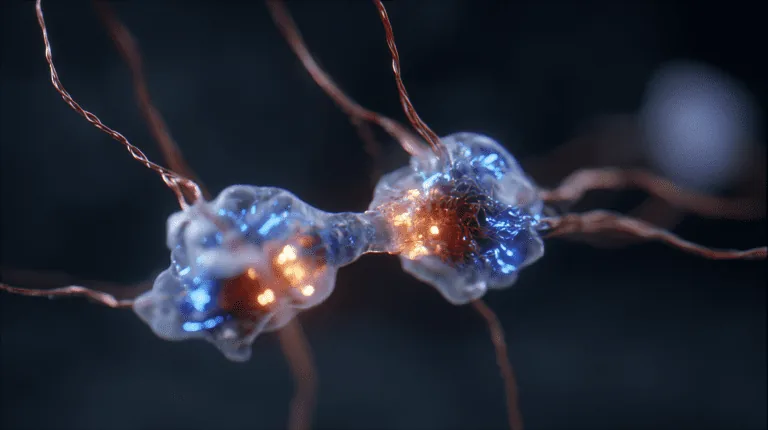
There is a version of you the brain refuses to release. Reconsolidation may open a window to rewrite which experiences the brain treats as identity-defining.
Identity as Neural Construction
The prevailing cultural assumption treats identity as something to be discovered. Find your true self, know who you really are, uncover your authentic purpose. This framing is neurologically inaccurate. Identity is not stored somewhere in the brain waiting for excavation. It is actively constructed, moment by moment, by a network of brain regions that assemble autobiographical memories, current emotional states, social feedback, and narrative patterns into a coherent model of selfhood.
The system responsible for this construction is the default mode network. Originally identified by Raichle and colleagues as a set of brain regions consistently active during rest and deactivated during externally focused tasks, the DMN has since been recognized as the brain’s primary engine of self-referential processing. Buckner, Andrews-Hanna, and Schacter demonstrated that this network is not merely active during idle moments but is specifically engaged when the brain is constructing narratives about the self, retrieving autobiographical memories, envisioning future scenarios, and evaluating personal significance.
The implications for identity are profound. If the DMN is constructing your sense of self in real time, then that sense of self is not a fixed property of who you are. It is an output, a product of neural computation that can, in principle, be modified by changing the inputs, the processing parameters, or both. The feeling of permanence, the deep conviction that you are fundamentally the same person you were five or ten years ago, is itself an artifact of the DMN’s design. The brain creates continuity because continuity serves survival. A self-model that fluctuated dramatically would produce social incoherence and decision paralysis. The DMN solves this by generating stability, even when that stability has become a prison.
The Continuity Trap
This stability mechanism becomes pathological when circumstances change faster than the self-model updates. Conway and Pleydell-Pearce described what they termed the self-memory system, a framework in which the working self maintains active goals that constrain which autobiographical memories are accessible and how they are interpreted. The self-model does not passively reflect experience. It actively filters, weights, and organizes memory to maintain coherence with its existing structure.
In practice, this means the brain preferentially retrieves and emphasizes memories that confirm the current self-model while deprioritizing or recontextualizing experiences that contradict it. The entrepreneur who built their identity during years of financial struggle continues to operate from a scarcity-based self-model long after achieving wealth, not because they lack awareness of their success, but because the DMN’s construction process has not incorporated that success into the identity architecture. The executive who defined themselves through a specific professional role continues to experience themselves as that role months or years after leaving it. The person post-divorce whose self-model still includes the partnership that once defined them. In every case, the neural construction has not been updated to match the lived reality.
How the Self-Architecture Protocol™ Works
The Protocol targets three interdependent neural systems that construct and maintain identity. Effective identity reconstruction requires coordinated intervention across all three, because each system reinforces the others. Modifying one without addressing the remaining two produces temporary shifts that the intact systems quickly correct back to baseline.
Default Mode Network Intervention
The DMN is the brain’s self-story generator. During typical resting states, it produces a continuous stream of self-referential thought: memories replayed and reinterpreted, plans evaluated against existing self-concept, social interactions rehearsed through the lens of current identity, and automatic evaluations of what is and is not possible for someone like you. When the self-model is accurate and current, this process is adaptive. When it is outdated, the DMN becomes the primary obstacle to change. It continues generating the old identity narrative with the same conviction and neurological authority it always has, making the outdated self-model feel as real, as permanent, and as fundamentally true as the one you are actively trying to build.
The Protocol intervenes in the DMN’s narrative generation directly. This begins with mapping the specific self-referential patterns that maintain the outdated identity, identifying the narrative loops, the default assumptions, and the automatic self-evaluations that the DMN produces without conscious initiation. Once mapped, these patterns are interrupted at the neural level through targeted intervention that creates conditions where the DMN can construct and begin consolidating a new self-model. This is not positive affirmation, cognitive reframing, or motivational psychology. It is architectural intervention in the brain system that produces the experience of self.
Autobiographical Memory Reconsolidation
Identity is built from autobiographical memory. The experiences that the DMN draws upon to construct the self-narrative are not neutral records of what happened. They are weighted, emotionally tagged, and hierarchically organized to serve the current self-model. Certain memories occupy central positions in the identity architecture, serving as anchors that hold the entire structure in place. Others are peripheral, accessible but not identity-defining.
The memories themselves cannot be erased, but their weight, emotional charge, and accessibility within the self-model can be modified through reconsolidation. When a memory is retrieved, it enters a temporary state of instability during which its emotional associations can be updated before it is reconsolidated into long-term storage. This reconsolidation window provides a mechanism for modifying the relationship between specific memories and the self-model without altering the factual content of the memory itself.
The Protocol uses targeted memory reconsolidation to change the relative weight of identity-defining memories. Experiences that anchor the outdated self-model, the formative struggles, the defining failures, the relationships that once constituted the core of identity, have their emotional dominance reduced. Simultaneously, experiences that support the emerging identity are given increased accessibility and salience in the construction process. The factual autobiography remains intact. What changes is which chapters the brain treats as the defining ones.
Self-Referential Processing Reorganization
Beyond narrative and memory, identity is maintained by patterns of self-referential processing that operate largely outside conscious awareness. These are the automatic evaluations, predictions, and assumptions that the brain generates about what you can do, what you deserve, what is realistic for your life, and what falls outside the boundaries of your identity. Northoff and Bermpohl identified these processes as distributed across cortical midline structures, including the medial prefrontal cortex, posterior cingulate cortex, and precuneus, regions that collectively form the neural substrate of self-related information processing.
These processing patterns function as identity constraints. They are invisible boundaries that limit the range of behaviors, choices, and futures the brain considers plausible for you. A person whose self-referential processing was calibrated during a period of powerlessness will continue to generate automatic assessments of limited agency even when objective circumstances have fundamentally changed. Someone whose identity was constructed around academic achievement will automatically process career opportunities through the narrow lens of intellectual validation, filtering out possibilities that do not conform to the established self-concept.
Davey, Pujol, and Harrison demonstrated that self-referential processing within the default mode network is driven by posterior cingulate cortex activity and moderated by medial prefrontal engagement, confirming that these constraints operate through specific, identifiable neural circuits rather than diffuse psychological tendencies. The Protocol targets these circuits directly, systematically expanding the neural territory that represents what the brain considers possible for your identity. This is not mindset work. It is neuroplastic reorganization of the processing patterns that determine how the brain automatically evaluates self-relevant information.
When Identity Architecture Requires Intervention
The Self-Architecture Protocol™ addresses specific situations where the neural systems maintaining identity have become misaligned with the person’s actual circumstances, capabilities, or trajectory.
The Transition Gap
When a client exists in the space between who they were and who they are becoming, and the brain keeps pulling them back to the old identity because the neural architecture has not been updated. This pattern emerges reliably after major life transitions where someone intellectually knows they have changed but still operates, decides, and emotionally responds as the person they were before. The cognitive understanding that change has occurred does not automatically translate into architectural change in the systems that construct the moment-to-moment experience of self.
Achievement-Identity Mismatch
When success produces identity crisis rather than fulfillment. When achievement has outpaced the self-model, and the person cannot internalize their accomplishments because their identity architecture was built for a fundamentally different life. When impostor feelings persist after success despite overwhelming objective evidence of competence, the issue is not insufficient confidence or gratitude. It is that the DMN’s self-model has not incorporated the evidence. The brain continues constructing identity from the materials that were available when the architecture was first established, and no amount of external validation can override an internal construction process that is neurologically committed to the previous version.
Neurological Resistance to Desired Change
When a client is making decisions based on who they used to be rather than who they are. Staying in environments, relationships, or professional roles that no longer fit because the brain’s self-model still identifies with the old context. Conscious desire for reinvention meets neurological resistance, and the resistance wins because it operates at the architectural level while the desire operates at the cognitive level. Understanding neuroplastic momentum and how the brain resists rewiring provides essential context for why identity reconstruction requires deliberate neural intervention rather than willpower alone.
Why Reflection Alone Is Insufficient
The insight-based approach to identity change, the assumption that understanding why you are stuck will unstick you, fails because it operates within the system it is trying to change. When you reflect on your identity, you are using the DMN to examine the DMN’s own output. The self-referential processing patterns that need updating are the same patterns generating the reflection. This creates a closed loop where insight confirms the existing architecture rather than restructuring it.
Andrews-Hanna, Smallwood, and Spreng described the default network’s role in self-generated thought as involving distinct subsystems with different functional contributions, including a medial temporal subsystem involved in memory-based construction and a dorsal medial subsystem involved in social and self-evaluative processing. These subsystems interact dynamically but also maintain their own processing biases. Reflection engages these subsystems within their existing parameters. Structural intervention changes the parameters themselves.
This distinction matters in practice. Clients frequently arrive having spent months or years in therapeutic modalities that produced genuine insight without producing architectural change. They understand their patterns with extraordinary clarity. They can articulate precisely why their self-model is outdated, which experiences constructed it, and how it constrains them. Yet the self-model persists, because understanding the construction does not modify the construction process. The Protocol moves beyond insight to intervene in the neural systems that build and maintain the self-model, targeting the architecture rather than the awareness of the architecture.
The Construction Process
Identity reconstruction through the Self-Architecture Protocol™ is not instantaneous, nor does it follow the dramatic arc of sudden transformation that popular psychology tends to celebrate. Neural architecture changes through a process that respects the brain’s own consolidation mechanisms. The DMN does not abandon one self-model and adopt another overnight. It gradually shifts the weight of its construction materials, adjusts the processing parameters that determine how self-relevant information is evaluated, and incrementally consolidates a new model through repeated experience that the new architecture can support.
Spreng, Mar, and Kim demonstrated through quantitative meta-analysis that the default mode network shares neural substrates with autobiographical memory, prospective thinking, and theory of mind, all functions that rely on constructing coherent models from stored experience. This overlap means that changes to the self-model ripple outward into how you envision future possibilities, how you understand other people’s perspectives, and how you navigate social environments. Identity reconstruction is not a cosmetic update. It reshapes the foundational neural processes through which you engage with reality.
The Protocol works with this natural consolidation process rather than against it. Each session builds on the architectural changes established in previous sessions, with the brain’s own plasticity mechanisms doing the integration work between appointments. Over the course of the Protocol, the self-model is not replaced but reconstructed, retaining the autobiographical continuity that the brain requires while updating the architecture to reflect the person being built rather than the person being left behind.
If you are trapped between the identity you have outgrown and the one you have not yet built, if the gap between who you are becoming and who your brain insists you are is producing paralysis, inauthenticity, or a persistent sense of being miscast in your own life, a strategy call is where we assess your identity architecture and determine what constructing the next version would require.
What is the Self-Architecture Protocol™?
The Self-Architecture Protocol™ is a neuroscience-based framework developed by Dr. Sydney Ceruto at MindLAB Neuroscience for intentional identity reconstruction. It targets three interdependent neural systems (the default mode network, autobiographical memory reconsolidation pathways, and self-referential processing circuits) to update the neural architecture that constructs and maintains the experience of selfhood during major life transitions, career pivots, and post-crisis reinvention.
How does the brain construct identity?
Identity is constructed by the default mode network from autobiographical memories, current emotional states, social feedback, and narrative patterns reinforced through repetition. The DMN continuously generates a self-model that feels stable and permanent because the brain is designed to create continuity, even when the construction is outdated or no longer aligned with who you are becoming. This process operates largely outside conscious awareness and resists change because stability serves the brain’s core survival functions.
Why is identity change so difficult even when someone consciously wants it?
Identity change is difficult because the brain’s construction system, the DMN, autobiographical memory weighting, and self-referential processing patterns, continues generating the old self-model with full neurological conviction. The outdated identity feels as real as the new one being built. Reflection alone cannot restructure the system because it uses the same neural processes it is trying to change. Lasting change requires intervention at the architectural level, in the neural systems maintaining the old identity, not just cognitive intention to be different.
What is memory reconsolidation and how does it apply to identity work?
Memory reconsolidation is the process by which a retrieved memory becomes temporarily unstable and is re-stored, potentially with modifications to its emotional charge and contextual significance. Since identity is built from autobiographical memory, reconsolidation provides a window for changing which memories dominate the self-model, reducing the emotional weight of experiences anchoring the outdated identity and increasing the accessibility of those supporting the emerging one, without altering the factual content of the memories themselves.
Who is the Self-Architecture Protocol™ designed for?
The Protocol is designed for individuals experiencing a measurable gap between their current circumstances and their internal sense of identity. This includes people navigating major life transitions who intellectually know they have changed but still operate as the person they were before, high achievers whose success has outpaced their self-model producing impostor-like experiences, individuals post-crisis whose identity architecture was constructed from trauma rather than from the person they are rebuilding, and anyone who has gained genuine insight into their patterns without that insight producing structural change.
References
- Andrews-Hanna, J., Smallwood, J. and Spreng, R. (2014). The default network and self-generated thought: component processes, dynamic control, and clinical relevance. Annals of the New York Academy of Sciences, 1316(1), 29-52.
- Buckner, R., Andrews-Hanna, J. and Schacter, D. (2008). The brain’s default network: anatomy, function, and relevance to disease. Annals of the New York Academy of Sciences, 1124, 1-38.
- Conway, M. and Pleydell-Pearce, C. (2000). The construction of autobiographical memories in the self-memory system. Psychological Review, 107(2), 261-288.
- Davey, C., Pujol, J. and Harrison, B. (2016). Mapping the self in the brain’s default mode network. NeuroImage, 132, 390-397.
- Northoff, G. and Bermpohl, F. (2004). Cortical midline structures and the self. Trends in Cognitive Sciences, 8(3), 102-107.
- Raichle, M., MacLeod, A., Snyder, A., Powers, W., Gusnard, D. and Shulman, G. (2001). A default mode of brain function. Proceedings of the National Academy of Sciences, 98(2), 676-682.
- Elsey, J. W. B., Van Ast, V. A. and Kindt, M. (2018). Human memory reconsolidation: A guiding framework and critical review of the evidence. Psychological Bulletin, 144(8), 797-848. https://doi.org/10.1037/bul0000152
- Spreng, R., Mar, R. and Kim, A. (2009). The common neural basis of autobiographical memory, prospection, navigation, theory of mind, and the default mode: a quantitative meta-analysis. Journal of Cognitive Neuroscience, 21(3), 489-510.