Beyond sadness: a state of neural stagnation. We examine the neurobiology of depression and evidence-based strategies to stimulate activity and rewiring.
Executive Neuro-Brief
The Evolutionary Design
Nature built this response to save your life during times of scarcity. It is a biological hibernation mode. When early humans faced defeat, infection, or famine, the brain signaled a retreat. It lowered metabolism and motivation to conserve calories. This kept you hidden from predators and stopped you from wasting energy on battles you could not win. It was a safety lock designed to wait out the storm.
The Modern Analogy
Depression is like living under a heavy wet blanket that makes everything feel harder, colder, and further away than it really is. This weight presses down on your neural circuits. It muffles the chemical signals that usually create drive and joy. The dampness slows your reaction time and chills your ambition. You can see the world moving around you, but the thick fabric creates a suffocating barrier that keeps you isolated and stuck in place.
The Upgrade Protocol
You must generate heat to dry out the blanket. Physical movement creates the internal friction needed to evaporate the heaviness. Sunlight and proper nutrition thin the fabric so you can breathe easier. You lift the edges by completing small, simple tasks. You do not have to throw the whole weight off instantly. You simply need to dry it out until it is light enough to stand up again.
Childhood experiences play a significant role in an individual's vulnerability to depression. Research shows that experiencing traumatic events or neglect during childhood can increase the risk of developing...
Delve into the important topic of Depression vs Dysthymia and uncover the key differences between these mental health disorders. In our article, Unraveling Depression and Dysthymia with MindLAB Neuroscience,...
In our latest article, 'Am I Depressed or Just Sad? Depression Symptoms You Might Not Know and the Promise of Brain-Based Treatment for Depression,' we delve into the often misunderstood signs of depression...
Feeling empty can be a disconcerting experience, often leaving individuals searching for meaning and fulfillment. In this blog, we explore what it means to feel empty, the potential causes behind these...
Dive into the depths of psychache, the intense psychological pain that often lurks behind suicidal thoughts. This eye-opening exploration reveals how this silent torment affects millions and offers hope...
Explore the neuroscience behind hoarding disorder and discover actionable strategies to overcome compulsive clutter. Learn how neuroplasticity can reshape your relationship with possessions and guide you...
That persistent "blah" feeling has deep roots in your brain's reward circuitry. Discover the neuroscience behind why nothing feels quite right anymore and evidence-based strategies to reactivate your capacity...
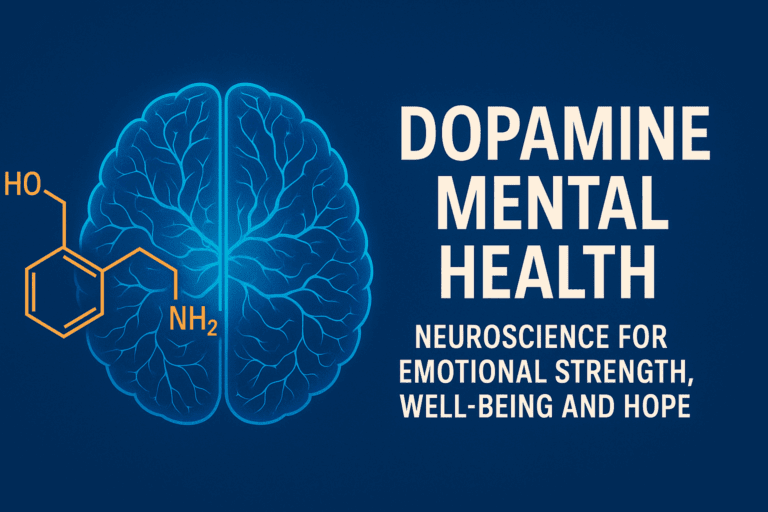
2025 research reveals dopamine's precision role in mental health and emotional strength. Explore how neuroscience-based coaching targets dopamine circuits to build resilience and optimize well-being naturally...
This expert guide explores how neuroscience-based coaching harnesses dopamine’s power to regulate mood swings and build emotional stability. Drawing on neuroplasticity, evolutionary and anthropological...
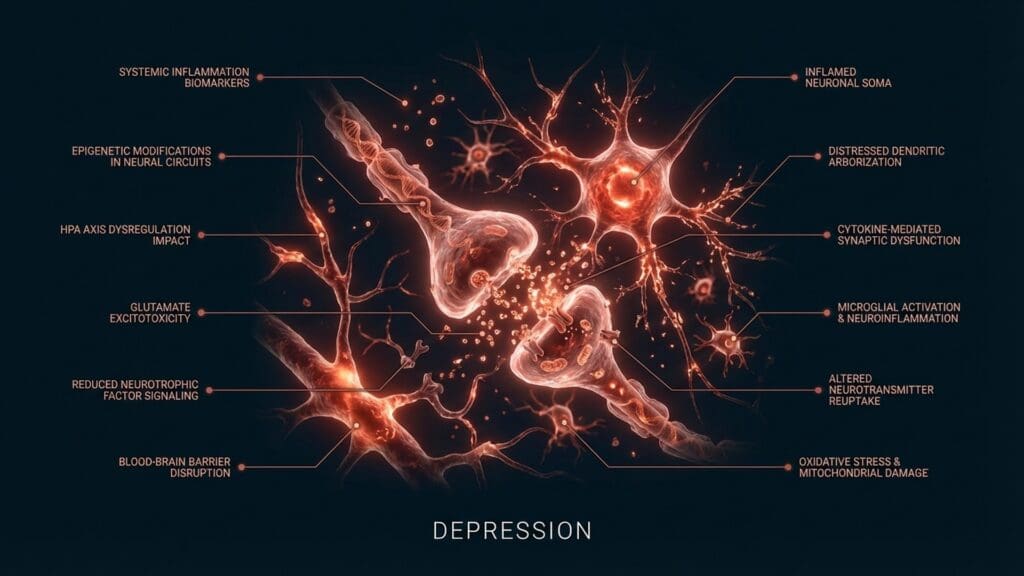
From a neuroscientific perspective, depression is not just “sadness”; it is a state of neural rigidity. The brain gets stuck in negative pathways, often characterized by a hyperactive Default Mode Network (DMN)—the “rumination” center.
Neuroplasticity Deficits
Research shows that depression is often linked to reduced Neuroplasticity and lower levels of BDNF (Brain-Derived Neurotrophic Factor).
The Shrinking Brain: In chronic depression, the Hippocampus (memory/emotion) can actually shrink due to lack of new cell growth.
Dopamine Blunting: The reward system down-regulates, leading to Anhedonia—the inability to feel pleasure from things you used to enjoy. The “spark” is gone because the chemical transmission is weak.
Behavioral Activation
You cannot wait for motivation to return before acting; the biology works in reverse.
Action First: Engaging in small tasks (making the bed, walking) triggers dopamine release, which then creates motivation.
Novelty: Doing something new forces the brain out of the DMN and stimulates neuroplasticity.
The Intelligence Brief
Neuroscience-backed analysis on how your brain drives what you feel, what you choose, and what you can’t seem to change — direct from Dr. Ceruto.