
Key Takeaways
- Anhedonia is mesolimbic reward pathway disruption: reduced dopamine from ventral tegmental area to nucleus accumbens.
- Chronic stress elevates cortisol, which suppresses reward-circuit sensitivity and dulls the capacity to register satisfaction.
- Small intentional actions can recalibrate the reward system: novelty and connection drive dopamine.
- Sleep, movement, and nutrition form the neurobiological foundation; without it, emotional regulation produces short-lived results.
- Parasympathetic practices like slow diaphragmatic breathing shift the autonomic nervous system from joy-suppressing threat states.
Have you noticed that lately nothing quite hits the way it used to? Your favorite meal tastes fine but not amazing. That weekend trip you planned feels more like an obligation than an adventure. Even good news barely registers more than a mild shrug. If you are feeling blah about everything, you are not imagining it.
You are not alone, and more importantly, you are not broken. What you are experiencing has a name in the neuroscience of joy, and understanding what is happening in your brain right now is the first step toward reconnecting with what makes life feel worth living.
Why Everything Feels Flat Right Now
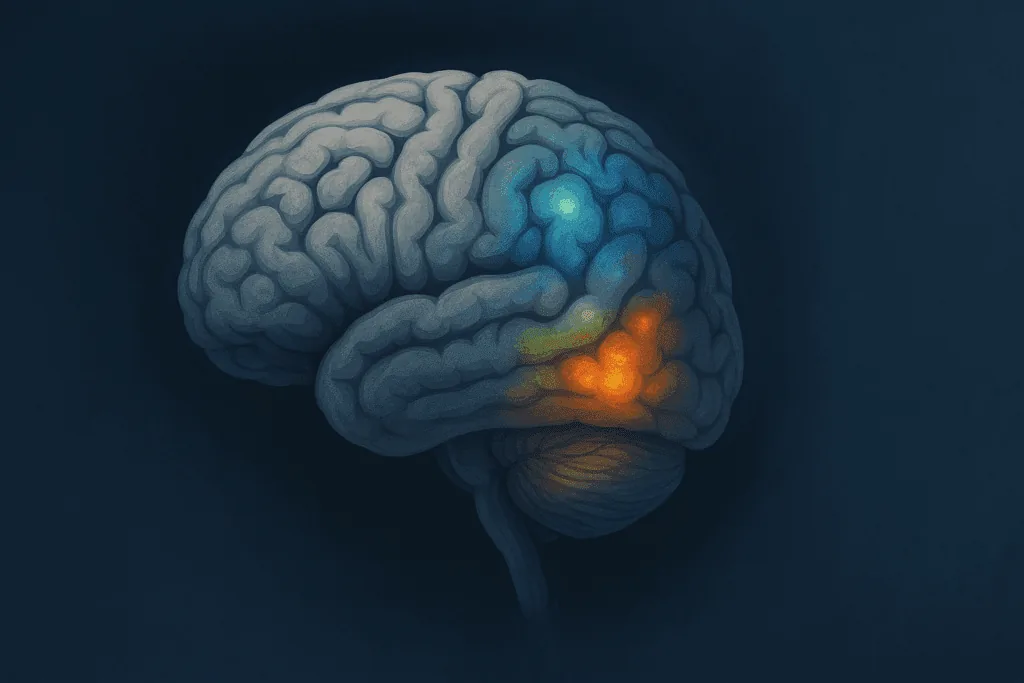
That persistent malaise has deep roots in your brain’s reward circuitry. The neuroscience of joy reveals that your mesolimbic pathway, often called the motivational pathway, is the neural highway responsible for gratification, motivation, and those sparks that make life exciting. When this system goes offline or gets disrupted, the world loses its color.
The mesolimbic the reward neurotransmitter system governs not the experience of pleasure itself but the anticipatory wanting that motivates reward-seeking, when this system becomes dysregulated, the world loses motivational salience even before hedonic capacity fully diminishes.
Chronic stress-induced cortisol elevation produces structural changes in the nucleus accumbens that reduce its sensitivity to dopaminergic input, directly explaining the anhedonic flatness associated with sustained high-stress states.
Individuals with blunted reward-circuit reactivity, the neurobiological signature of anhedonia, show reduced functional connectivity between the ventral tegmental area and prefrontal cortex, impairing the motivational salience of future-oriented goals.
Research suggests that brief daily behavioral activation practices, intentional engagement with previously rewarding activities, can restore nucleus accumbens reward responsiveness over a course of consistent practice, even in the absence of pharmacological intervention.
Positive emotions broaden the behavioral repertoire and build lasting neurobiological resources: Barbara Fredrickson’s research documented that joy and related states increase parasympathetic tone and broaden cognitive flexibility, counteracting the neural signature of emotional flatness.
Think of your reward system like a finely tuned instrument. When everything works smoothly, dopamine flows from the ventral tegmental area to the nucleus accumbens, creating feelings of anticipation, delight, and satisfaction. But modern life has a way of throwing this delicate system out of tune. This helps explain why so many people today struggle with emotional flatness despite having comfortable lives.
The condition neuroscientists call anhedonia describes this diminished capacity to feel enjoyment. It comes from Greek words meaning “without gratification,” and it captures that sense of emotional numbness perfectly. While it can show up alongside other mental health challenges, you do not need a formal identification to experience these signals. Many people go through their days functioning normally on the outside while feeling disconnected and numb on the inside.

Your Brain on Overload
Here is where the neuroscience of joy gets fascinating. Our brains evolved over millions of years to seek rewards that were hard to come by. Food required hunting or gathering. Social connection meant effort. Entertainment was rare. Every time our ancestors secured something valuable, their brains released dopamine, reinforcing the behavior and creating genuine satisfaction.
Elevated cortisol suppresses the reward neurotransmitter’s activity in mesolimbic pathways, disrupting the neural capacity to assign motivational salience to outcomes.
Fast forward to today. You can order any food to your door in minutes. Endless entertainment streams at the touch of a button. Dating apps put thousands of potential partners at your fingertips. Shopping happens without leaving your couch. What our ancestors spent days or weeks pursuing, you access instantly. This convenience overload is a major reason why people are emotional flatness in record numbers.
Your brain’s reward receptors were not designed for this constant barrage of easy dopamine hits. When you get too many rewards too easily, your brain adapts by downregulating its reward receptors. Essentially, when everything feels good all the time, nothing feels good anymore. The very systems meant to bring you happiness become dulled and less responsive.
This adaptation happens in your ventral striatum and prefrontal cortex, two regions critical for processing rewards. The more you flood these areas with easy stimulation from scrolling, snacking, or shopping, the less sensitive they become. Your brain literally requires bigger hits to feel the same level of satisfaction. This tolerance buildup mirrors what happens with substance use, except it is happening with everyday activities. Understanding this mechanism is central to the neuroscience of joy.
The Stress Factor That Steals Your Spark
Chronic stress plays a villain role in this story. When you experience ongoing stress, your body floods with cortisol, your primary stress hormone. While cortisol helps you respond to immediate threats, elevated levels over time actively suppress the motivational chemical’s activity in your reward pathways. This pattern creates the biological foundation for low mood.
People experiencing emotional flatness often have significantly higher levels of cortisol and inflammatory markers like IL-6 and C-reactive protein. This inflammation can reach regions of your brain involved in reward processing, disrupting the smooth circulation of this neurotransmitter your system needs to experience gratification.
The connection between stress and lost happiness is not just psychological. It is biological. Your immune system’s overreaction to chronic stress creates inflammation that interferes with the very neurotransmitters responsible for positive emotions. The neuroscience of joy demonstrates that when your body stays in survival mode too long, it literally cannot spare the resources for enjoyment. This biological reality explains why burnout and emotional numbness so often go hand in hand.
Your amygdala, the brain’s fear center, becomes hyperactive during chronic stress. This overactivity suppresses your hippocampus, which is responsible for forming positive memories, and your prefrontal cortex, which helps you plan for future rewards. These brain regions end up working against each other instead of in harmony, creating the perfect storm for anhedonia.
The Three Parts of Pleasure You Might Be Missing
Understanding the neuroscience of joy reveals something surprising about how your brain experiences reward. Enjoyment is not one single process but three distinct neurological stages: wanting, liking, and learning. Each stage relies on different brain chemicals and neural circuits, and disruption in any one of them can leave you feeling emotionally flat and disconnected from activities you once enjoyed.
Wanting involves anticipation. It is the anticipatory surge you get when looking forward to something. This is why planning a vacation can sometimes feel more exciting than the vacation itself. Your brain releases the motivational chemical not when you receive the reward but when you expect it. This anticipation phase often shuts down completely during periods of emotional flatness.
Liking happens in the moment of consumption. This phase involves different brain chemicals, primarily endogenous opioids and endocannabinoids, creating those warm feelings of satisfaction. This is the actual experience of delight as it unfolds. This phase can become significantly muted during periods of emotional flatness.
Learning occurs afterward when your brain encodes the memory. Your hippocampus works with your reinforcement network to remember what brought happiness so you will seek it again. When experiencing numbness, even positive experiences get encoded negatively, creating a cycle that reinforces the problem.
When all three phases become muted, you do not look forward to things, you do not enjoy them while doing them, and you remember them negatively, making you less likely to try again. The neuroscience of joy offers hope by showing that these three systems can be reactivated with the right approach.
How Your Brain Can Bounce Back
Here is the good news: your brain possesses remarkable neuroplasticity. This finding means your neural pathways can change, adapt, and restore themselves throughout your entire life. Even when this low mood seems permanent, your brain retains the capacity to rewire itself toward vitality and connection.
Every time you experience genuine happiness, even a small moment, you strengthen new neural connections. This represents positive neuroplasticity in action. Each repetition helps your brain remember that safety and satisfaction are still possible. Over time, these new patterns become stronger and gradually replace the rigid survival mechanisms that kept you stuck.
Your vagus nerve, the longest nerve in your body, plays a crucial supporting role here. This nerve acts as a major communication highway between your brain and your body. When activated, it promotes calmness, lowers inflammation, and helps regulate your stress response. The neuroscience of joy shows that each time you experience genuine connection or gratitude, your vagus nerve activates, creating a biological cascade that counteracts emotional numbness.
Think of rebuilding happiness like physical professional support for your brain. You would not expect to recover from an injury overnight, and you should not expect your incentive circuitry to reset instantly either. But with consistent practice, your brain can and will rewire itself toward greater emotional vitality.
Your prefrontal cortex, the executive function center of your brain, can form new connections with your reward centers. These new pathways essentially create alternate routes around the damaged or dysfunctional circuits. The more you practice joy building behaviors, the stronger these new pathways become. This is the neuroscience of joy in action.

Small Actions That Rewire Big Feelings
The path back to emotional vitality does not require dramatic changes. Small, consistent actions create more lasting neural change than big sporadic efforts. Targeted daily practices gradually restore the motivational chemical receptor sensitivity and strengthen weakened reward pathways, rebuilding your capacity for enjoyment from the ground up.
Start with anticipation. Since the reward neurotransmitter responds to expectation rather than consumption, put something in your calendar to look forward to. It does not need to be expensive or elaborate. A coffee date with a friend, a new book, a weekend hike. The key is having something your brain can anticipate. This directly reactivates the wanting system.
Reconnect with former enjoyments. Your brain has existing neural pathways connected to activities you once enjoyed. Even if these activities do not feel appealing right now, engaging with them anyway can help reactivate dormant reward circuits. Start small. If you loved painting, spend just ten minutes with watercolors. If you enjoyed running, take a short walk. Action precedes motivation, not the other way around.
Embrace the power of flow. Flow states occur when you become so absorbed in an activity that time disappears. These states activate your prefrontal cortex and release the reward neurotransmitter naturally, rewiring your neural architecture toward cognitive fitness. The activity needs to match your skill level, challenging enough to engage you but not so difficult that it frustrates you. The neuroscience of joy confirms that flow states are powerful medicine for emotional flatness.
Move your body. Physical movement triggers endorphin release, one of your four main happiness chemicals. Exercise also reduces inflammation and helps regulate cortisol levels, two factors heavily involved in emotional numbness. You do not need intense workouts. Even ten minutes of movement, dancing to music, or gentle stretching activates beneficial changes in your brain chemistry.
The Connection Pathway
Humans are profoundly social creatures, and your brain is wired for connection. When you engage in positive social interactions, your brain releases oxytocin, often called the bonding hormone. Unlike this neurotransmitter’s quick hit, oxytocin creates lasting feelings of calm and safety.
Social connection activates your incentive circuitry just as powerfully as food or money. Being accepted, liked, or included lights up the same brain regions that respond to other rewards. Your ventral striatum and ventromedial prefrontal cortex respond to social rewards, reinforcing behaviors that build relationships. Isolation amplifies the problem while connection fosters restoration, according to the neuroscience of joy.
Even when connecting with others feels hard, pushing yourself to reach out can break the isolation cycle. Start with low pressure interactions. A text to a friend. A brief call with family. Joining a group activity where the focus is on a shared interest rather than intense socializing. Each positive interaction helps your nervous system recognize that connection is safe and rewarding.
Research shows that people who maintain strong social bonds have more active reward centers and better emotional regulation. Your brain literally processes social rewards through the same pathways as physical rewards, which means quality relationships are not just nice to have but neurologically essential for combating emotional flatness.

Activating Your Calm Response
Your vagus nerve offers a direct pathway to activating your parasympathetic nervous system, your body’s rest and digest mode. When you deliberately stimulate this nerve, you can shift your body from stress response to relaxation response, effectively reducing the biological underpinnings of emotional flatness.
Simple practices activate vagal tone. Slow, deep breathing sends immediate signals to your brain that you are safe. Humming, singing, or even gargling stimulates the vagus nerve through vibrations in your throat. These practices might seem too simple to matter, but research confirms their effectiveness in reducing cortisol and promoting calm. This is practical application of the neuroscience of joy.
Even smiling, whether you feel like it or not, can activate your vagus nerve and signal your brain that you are happy and relaxed. Research shows that even a forced smile during a stressful moment eases the body’s stress response: people who held a smile recovered with lower heart rates than those who kept neutral expressions. The more genuine the smile, the greater the effect, but even a forced smile can trigger beneficial changes.
Cold water exposure is another powerful vagal stimulator. Splashing cold water on your face or taking a cold shower activates the dive reflex, which immediately increases vagal tone and shifts you into a calmer state. Many people report this technique provides rapid relief when emotionally flat or overwhelmed.
Rebuilding Your Reward System Through Daily Habits
Consistency matters more than intensity when restoring your brain’s reward pathways. Your brain learns through repetition, and small daily practices create stronger neural changes than occasional big efforts.. Multiple brain regions contribute to this process through synchronized neural firing patterns that emerge during both resting and active.
Create joy lists. Write down moments, memories, or experiences that brought you delight. Your brain associates these memories with positive feelings, making it more likely to seek similar experiences. Revisiting these lists reminds your reinforcement network what happiness feels like. This practice leverages memory consolidation principles from the neuroscience of joy.
Practice gratitude intentionally. Gratitude activates brain regions associated with dopamine release and strengthens connections in your prefrontal cortex. Spending a few moments each day noting what you appreciate, even tiny things, can create meaningful shifts. The warmth of sunlight. A good cup of coffee. A kind word. These small recognitions train your brain to notice positive experiences more readily.
Stack your habits. Connect new happiness building practices to existing routines. After brushing your teeth, take three deep breaths. While making coffee, note one thing you are looking forward to. Habit stacking ensures consistency, which drives neuroplastic change. The neuroscience of joy emphasizes that regularity matters more than duration.
Choose activities that engage your senses. Your brain processes sensory experiences richly, creating multiple neural pathways. Creative activities like cooking, gardening, painting, or playing music engage sight, sound, touch, and sometimes smell, providing your motivational pathway multiple entry points. The more senses you engage, the more neural pathways you activate.
The Lifestyle Foundation for Emotional Vitality
While understanding brain chemistry helps, your daily habits provide the foundation your neurotransmitters need to function properly. Sleep quality, nutrition, movement, and inflammation management each play measurable roles in dopamine and serotonin regulation. These fundamentals are not optional lifestyle additions but essential biological requirements for sustained emotional wellbeing.
Prioritize sleep. Your brain uses sleep to consolidate memories, clear metabolic waste, and regulate neurotransmitter production. Poor sleep disrupts dopamine and serotonin synthesis, making emotional flatness worse. Establish consistent sleep and wake times to support your circadian rhythm. The neuroscience of joy confirms that sleep is when your brain performs essential maintenance on reward circuits.
Feed your brain. Your neurotransmitters require specific building blocks from food. Protein provides amino acids needed for dopamine and serotonin production. Complex carbohydrates help regulate serotonin levels. Omega 3 fatty acids support overall brain health. Avoid processed foods, excessive sugar, and too much caffeine, which can destabilize your incentive circuitry.
Reduce inflammation. Since inflammation interferes with reward processing, anti inflammatory practices help. Regular movement, stress management, adequate sleep, and whole food nutrition all reduce inflammatory markers. Some people benefit from adding anti inflammatory foods like fatty fish, berries, and leafy greens.
Limit convenience stimulation. While you cannot eliminate all easy gratifications, becoming mindful about how often you reach for instant gratification helps. Notice when you automatically scroll social media, order unnecessary items, or binge watch shows. Creating small friction points that make you pause before indulging these habits protects your reward sensitivity.
How Neuroscience-Based Practice Rewires Your Brain
Sometimes moving beyond malaise requires more than self help strategies. This is where neuroscience based practice becomes profound. Unlike traditional approaches that focus solely on thoughts or behaviors, this method works directly with your brain’s wiring to create lasting change.
When you work with a neuroscience based practitioner, you learn exactly how your brain creates emotional flatness. You discover which neural pathways have become overactive and which have gone dormant. More importantly, you learn precise techniques to strengthen the circuits that support happiness, motivation, and connection. This understanding transforms abstract concepts from the neuroscience of joy into practical daily actions.
One powerful technique involves cognitive reframing based on neural pathway activation. Your brain has developed automatic thought patterns over years or even decades. These patterns create neural superhighways that your thoughts travel down without conscious effort. Many of these automatic pathways lead directly to negative interpretations, hopelessness, or emotional numbness during periods of low mood.
Neuroscience based practice helps you identify these automatic patterns and understand the brain mechanisms keeping them in place. Then, through targeted exercises, you build alternative neural pathways that lead to more adaptive responses. Each time you consciously choose the new pathway instead of the automatic one, you strengthen that new connection. Over weeks and months, the new pathway becomes stronger than the old one.
This is not positive thinking or fake optimism. It is literal brain rewiring based on neuroplasticity research. You are changing the physical structure of your brain, creating new synaptic connections that replace dysfunctional ones. The neuroscience of joy provides the roadmap, and practice provides the personalized guidance to follow it effectively.
Another critical element involves identifying and dismantling inherent biases that perpetuate emotional flatness and anhedonia. Your brain developed many of these biases early in life as protective mechanisms. Negativity bias, for example, causes your brain to focus more on threats than opportunities, more on what went wrong than what went right. When this bias runs unchecked, it creates a mental environment where numbness becomes your default state.
Through neuroscience based practice, you learn to recognize when these biases are operating. You understand the evolutionary purpose they once served and why they now work against you. Then you practice specific exercises that retrain your brain to notice positive experiences with the same intensity it notices negative ones. This rebalances your neural processing, making happiness as accessible as worry used to be.
The approach also addresses dopamine dysregulation directly. A practitioner helps you audit your daily neurochemical sources and identify which ones are depleting your reinforcement network versus which ones are nourishing it. You learn to recognize the difference between healthy anticipation and addiction to instant gratification. You discover how to structure your day so your reward circuitry operates optimally.
Perhaps most powerfully, neuroscience based practice teaches you to work with your nervous system rather than against it. You learn to recognize your window of tolerance, that optimal zone where you are engaged but not overwhelmed. During this state, you have typically been pushed outside this window for too long, either through chronic stress or chronic under stimulation.
A skilled practitioner guides you in expanding your window of tolerance gradually. You practice techniques to activate your ventral vagal system, the social engagement aspect of your nervous system that supports connection and happiness. You learn to shift out of dorsal vagal shutdown, the biological state underlying emotional numbness, and into ventral vagal activation, the state where wellbeing flourishes.
The results go far beyond temporary mood improvement, this is actual re-wiring of your pathwats, the essence of the neuroscience of joy. You are literally restructuring how your brain processes experiences, interprets events, and generates emotional responses. You become someone who naturally notices opportunities for happiness rather than someone who has to force themselves to see the positive. This cognitive shift happens because you have built new neural infrastructure that supports it through practical application of the neuroscience of joy.
Working with a neuroscience based practitioner also provides accountability and expertise that accelerate your progress from anhedonia, far beyond what you could achieve alone. A properly educated and trained neuroscientific practitioner helps you recognize subtle signs of progress that you might miss, celebrates neurological wins that mark real change, and adjusts strategies based on how your unique brain responds. This personalized approach honors the fact that while brain science applies to everyone, each brain is also beautifully unique in its specific wiring and needs.


The Path Forward: Neuroscience of Joy
Emotional flatness is not a character flaw or personal failure. It is your neural architecture responding to biological, environmental, and lifestyle factors that have disrupted your incentive circuitry. Understanding how your brain works equips you to take targeted action, and the evidence confirms that these neural pathways can be restored with consistent effort.
Your brain wants to experience satisfaction. It is designed for connection, meaning, and satisfaction. When you give it the conditions it needs, neuroplasticity allows it to restore itself and rewire toward genuine happiness.
The path back to emotional vitality is not linear. Some days will feel easier than others. But each small action you take, each moment of genuine connection, each time you choose engagement over withdrawal, you are literally changing your brain. You are strengthening new pathways that recognize safety, possibility, and positive emotion.
You do not need to wait until you feel motivated to start. Action creates emotion, not the other way around. The walk you take today, the friend you text tonight, the three deep breaths you take right now, all of these send signals to your brain that restoration is possible.
Your capacity for happiness is not gone. It is waiting to be rediscovered through the practical application of the neuroscience of joy, one small step at a time. Whether you pursue this process on your own or with the support of neuroscience based practice, know that your brain is ready and able to change. The circuits that create positive emotions are still there. They just need reactivation and strengthening.
These principles are not just theory. They represent a roadmap back to feeling fully alive. And that roadmap is available to you right now, regardless of how long you have been struggling or how permanent it seems. Your next chapter can be different. Your brain is already preparing for it. If the flatness has settled into something more persistent, the wider depression and motivational drive work maps how to address it.
Why do I feel emotionally flat even when my life is going well?
Emotional flatness despite favorable circumstances points to disruption in the mesolimbic dopamine pathway, the neural highway connecting the ventral tegmental area to the nucleus accumbens. This pathway governs anticipation, motivation, and the capacity to experience satisfaction. Modern life overloads this circuitry through constant digital stimulation and chronic low-grade stress, gradually desensitizing dopamine receptors. The result is anhedonia, a neurochemical state where your incentive circuitry becomes too depleted to register satisfaction from everyday experiences.
What is anhedonia and how is it different from sadness?
Anhedonia is the diminished capacity to feel enjoyment, operating through distinct neural mechanisms compared to sadness. Sadness involves active emotional processing in the amygdala, meaning you feel something even if painful. Anhedonia reflects a dampening of reward circuitry itself. The nucleus accumbens and ventral pallidum, which normally generate feelings of wanting and liking, become underactive. This dampening explains why anhedonia feels like numbness rather than pain, with activities that once sparked enthusiasm registering as neutral.
How does chronic stress steal your ability to feel joy?
Chronic stress elevates cortisol levels persistently, and sustained cortisol exposure directly suppresses dopamine synthesis in the ventral tegmental area. Over time, stress hormones reduce the density of dopamine receptors in the nucleus accumbens, meaning even when dopamine is released, the brain registers less of it. The amygdala becomes hyperactive while the prefrontal cortex loses functional connectivity with the reward system. This pattern creates a brain vigilant to threats but progressively unable to register satisfaction.
Can you rebuild your brain’s capacity for enjoyment after prolonged numbness?
Yes. Neuroplasticity ensures that reward circuitry can be restored even after extended periods of emotional flatness. The process involves gradually reintroducing novel, mildly pleasurable stimuli that gently reactivate the mesolimbic pathway without overwhelming desensitized receptors. Small, sensory-rich experiences, preparing a meal with fresh ingredients, walking a new route, listening to unfamiliar music, stimulate dopamine release at a level the depleted system can process. Over weeks, receptor density in the nucleus accumbens begins normalizing.
What role does social connection play in restoring emotional vitality?
Social connection activates neural pathways that no solitary activity can replicate. Face-to-face interaction stimulates oxytocin release from the hypothalamus, which directly enhances dopamine signaling in the reward system. The mirror neuron network fires during genuine conversation, creating neural synchrony that the brain registers as deeply satisfying. The ventral vagal complex requires regular social engagement to maintain its tone. When people withdraw during emotional flatness, they deprive the brain of the precise neurochemical input it needs most.
References
- Gross, J. J. (2015). Emotion regulation: Current status and future prospects. Psychological Inquiry, 26(1), 1-26. https://doi.org/10.1080/1047840X.2014.940781
- Ochsner, K. N., and Gross, J. J. (2005). The cognitive control of emotion. Trends in Cognitive Sciences, 9(5), 242-249. https://doi.org/10.1016/j.tics.2005.03.010
- Davidson, R. J. (2000). Affective style, psychopathology, and resilience: Brain mechanisms and plasticity. American Psychologist, 55(11), 1196-1214. https://doi.org/10.1037/0003-066X.55.11.1196
- Etkin, A., Büchel, C., and Gross, J. J. (2015). The neural bases of emotion regulation. Nature Reviews Neuroscience, 16(11), 693-700. https://doi.org/10.1038/nrn4044
- Schultz, W., Dayan, P., and Montague, P. R. (1997). A neural substrate of prediction and reward. Science, 275(5306), 1593-1599. https://doi.org/10.1126/science.275.5306.1593
- Berridge, K. C., and Robinson, T. E. (1998). What is the role of dopamine in reward: Hedonic impact, reward learning, or incentive salience? Brain Research Reviews, 28(3), 309-369. https://doi.org/10.1016/S0165-0173(98)00019-8
From Reading to Rewiring
Emotional flatness is a brain state, not a verdict. If the blah has lingered for weeks and self-directed steps have not shifted it, a focused look at your specific reward circuitry can identify what is keeping the system muted and what reactivates it.
Book a Strategy Call