A biological survival signal. Understand why isolation triggers a threat response and how to rebuild the social safety required for cognitive health.
Executive Neuro-Brief
The Evolutionary Design
Your brain views isolation as a physical threat. In the past, being alone meant death. You needed a tribe to hunt and find shelter. Nature built this pain to keep you safe. It acts as a biological alarm system. The hurt drives you to seek connection. It forces you back to the group for protection. This is not a flaw. It is a survival tool.
The Modern Analogy
Loneliness is like shouting into a canyon and hearing your own echo instead of another human voice calling back. You wait for a signal that never comes. The silence feels heavy. Your brain interprets this lack of response as danger. You scream for backup, but the canyon remains empty. The echo only confirms your isolation. This keeps your body in a state of high alert.
The Upgrade Protocol
You must fill the canyon. Do not settle for the echo. You need to actively seek a responding voice. Make real contact with another person. Look them in the eye. Listen to their words. When you hear that distinct call back, the threat subsides. The canyon shrinks. Your stress hormones drop. You are safe again.
Feeling empty can be a disconcerting experience, often leaving individuals searching for meaning and fulfillment. In this blog, we explore what it means to feel empty, the potential causes behind these...
Your brain’s empathy circuits can be strengthened through targeted neuroplasticity interventions that reshape how you process others’ emotions, decode social cues, and respond to interpersonal...
Discover the neuroscience of sex addiction. Learn how brain chemistry, neuroplasticity, evolution, and social forces drive compulsive sexual behaviors, with real-life insights from a neuropsychologist’s...
Explore the real reasons why men struggle with intimacy. Learn from neuroscience, psychology, and lived experience—and find science-based solutions for men emotional connection in relationships.
When you can love deeply but your partner cannot meet you emotionally, the pain is confusing and exhausting. This neuroscience-based guide explains the emotionally unavailable partner pattern, how emotional...
Dopamine and relationships are deeply intertwined. When you fall in love or build strong connections with people who matter most, your brain orchestrates an intricate dance of chemicals and electrical...
In the labyrinth of modern dating, mental health often takes center stage. As a neuroscience-based life coach, I've witnessed the silent battles many face: the anxiety of endless swipes, the sting of ghosting,...
In 2024, relationships are taking a wild turn. Emotionally feral connections are redefining intimacy by prioritizing raw honesty and vulnerability over societal norms. Discover how this trend is transforming...
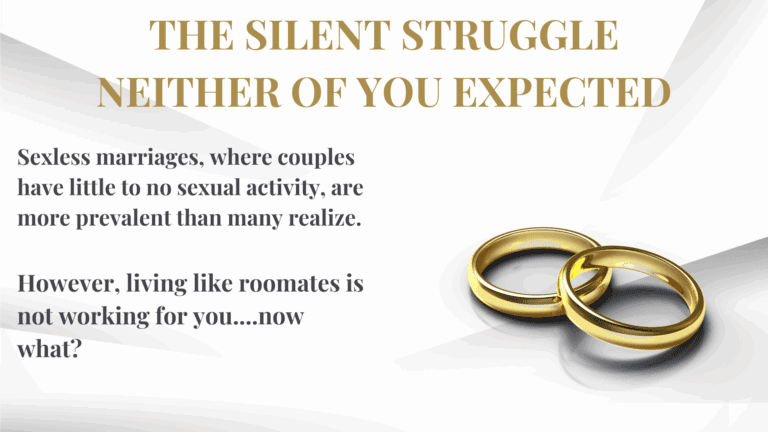
A sexless marriage can take a heavy toll on a relationship. In this post, we explore the common causes of sexless marriages, their effects on couples, and strategies backed by neuroscience to reignite...
Are you tired of feeling lonely in a world that seems more connected than ever? You're not alone. Millions struggle with the pain of isolation, even as we're surrounded by digital noise. But there's hope....
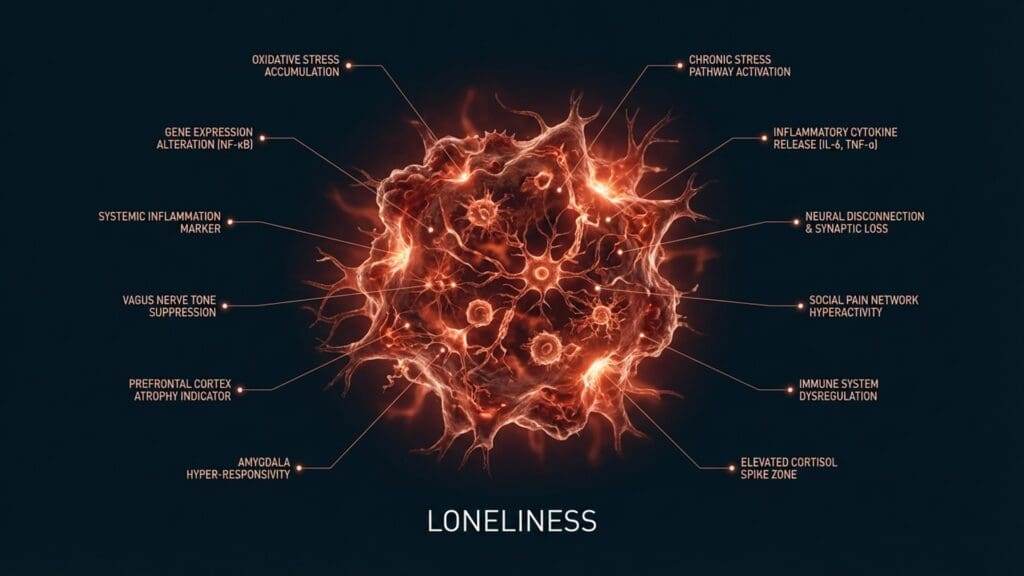
Loneliness is not just a feeling; it is a biological warning signal, much like hunger or thirst. It tells the organism that it is isolated and therefore vulnerable to predation.
Social Pain: fMRI studies show that social exclusion activates the Dorsal Anterior Cingulate Cortex—the exact same region that registers physical pain. To your brain, being alone hurts physically.
Hypervigilance
Chronic loneliness puts the brain into a state of Hypervigilance.
Threat Scanning: The lonely brain scans for social threats more aggressively. You become more likely to misinterpret a neutral face as hostile.
The Paradox: This defensiveness makes you withdraw further, creating a self-fulfilling prophecy of isolation.
Re-Connection
Micro-Connections: You don’t need a soulmate to lower the threat response. Brief, positive interactions (with a barista, a neighbor) signal “safety” to the nervous system.
Service: Helping others shifts the brain from “self-focus” (threat) to “other-focus” (connection), boosting oxytocin and dopamine.
The Intelligence Brief
Neuroscience-backed analysis on how your brain drives what you feel, what you choose, and what you can’t seem to change — direct from Dr. Ceruto.